

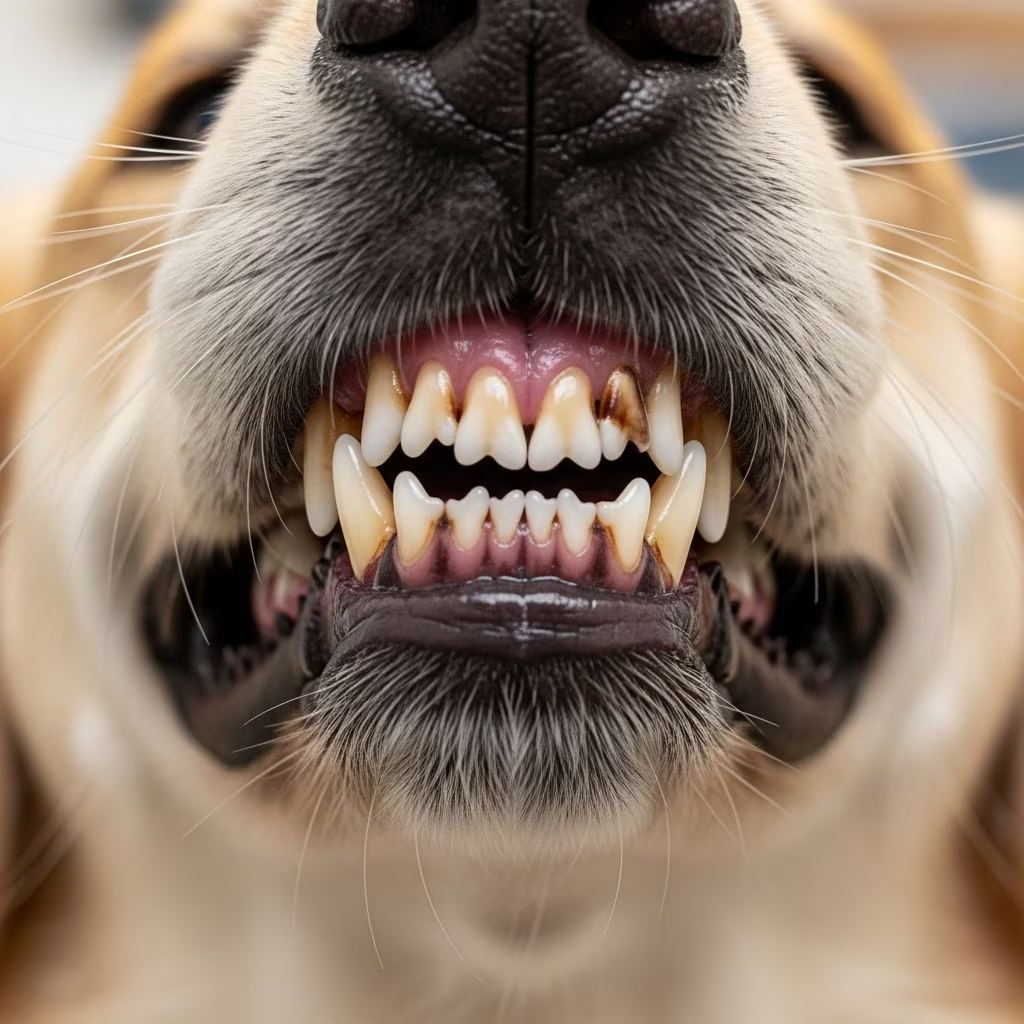
Brown discoloration on a dog’s teeth often points to underlying oral health problems that require prompt attention. While some staining may occur naturally over time, persistent browning typically stems from plaque accumulation, infections, or structural damage, potentially leading to pain and systemic health risks if ignored.
Common Culprits Behind Brown Dog Teeth
Several factors contribute to teeth changing color in dogs, ranging from everyday buildup to more severe conditions. Understanding these helps pet owners take proactive measures.
Plaque and Tartar Accumulation
The most frequent reason for brown teeth is plaque, a bacterial film that adheres to tooth surfaces after meals. When not removed, it mineralizes into hard tartar, appearing as yellow-brown deposits, especially near the gumline. This process irritates gums and fosters further discoloration.
- Plaque forms within hours of eating due to bacteria, saliva, and food debris.
- Tartar hardens quickly, resisting home removal and requiring professional scaling.
- Small breeds face higher risks from crowded teeth trapping more debris.
Periodontal Infections
Gum disease progresses when tartar extends below the gums, causing inflammation known as gingivitis, which can advance to periodontitis. Affected areas turn red, swell, and bleed, while teeth darken from chronic infection and tissue breakdown.
In severe stages, bone loss around teeth occurs, loosening them and worsening pigmentation changes.
Tooth Structure Breakdown
Decay erodes enamel through bacterial acids, creating cavities that stain brown or black. Fractured teeth from chewing hard objects expose inner pulp, leading to nerve death and discoloration, often grayish-brown.
| Discoloration Type | Possible Cause | Color Clue |
|---|---|---|
| Extrinsic | Plaque/Tartar | Yellow-Brown |
| Decay/Cavity | Acid Erosion | Brown/Black Spots |
| Trauma/Necrosis | Injury or Pulp Death | Gray/Purple-Black |
Dietary and External Stains
Certain foods, treats with dyes, or even medications can superficially stain teeth brown. While less harmful, they compound with plaque for deeper discoloration. Aging naturally dulls enamel, amplifying these effects in senior dogs.
Recognizing Warning Signs Early
Beyond visible browning, other symptoms indicate dental distress. Monitoring these allows timely intervention.
- Foul Breath: Halitosis from bacterial overgrowth or abscesses is a primary alert.
- Eating Changes: Dropping food, favoring one side, or preferring soft foods signals pain.
- Excess Salivation: Drooling increases with oral discomfort or foreign bodies.
- Gum Abnormalities: Redness, swelling, bleeding, or pus discharge point to infection.
- Behavioral Shifts: Pawing at the mouth, reluctance to play with toys, or facial swelling.
If multiple signs appear alongside brown teeth, schedule a vet exam immediately to prevent escalation.
Home Strategies for Oral Maintenance
Daily routines significantly reduce browning risks and support professional care.
Brushing Routines
Use enzymatic toothpaste designed for dogs—never human varieties, which can be toxic. Finger brushes or soft toothbrushes work best, aiming for 2-3 sessions weekly. Focus on outer surfaces, back molars, and gumlines.
Chew Products and Diets
Dental chews scrape tartar mechanically, while prescription diets with fiber help control plaque. Water additives with enzymes break down bacteria without chemicals.
- Choose VOHC-approved products for proven efficacy.
- Rotate chews to prevent boredom and ensure full-mouth coverage.
Regular Inspections
Lift lips weekly to check for buildup or changes. Early spotting prevents professional interventions.
Professional Interventions Explained
Vets perform comprehensive cleanings under anesthesia for thorough scaling, polishing, and X-rays to detect hidden issues.
- Stage 1 Cleaning: Removes surface tartar; ideal annually for healthy mouths.
- Advanced Treatments: Extractions for decayed or loose teeth, root canals for vital pulp salvage, or antibiotics for infections.
- Post-Op Care: Pain meds, soft food transitions, and follow-up sealants.
Frequency depends on breed, age, and health—small dogs often need cleanings every 6-12 months.
Preventive Measures by Life Stage
Tailor care to your dog’s age for optimal results.
| Life Stage | Key Focus | Recommended Actions |
|---|---|---|
| Puppy (0-1 Year) | Habit Formation | Introduce brushing early; use soft chews. |
| Adult (1-7 Years) | Daily Prevention | Weekly brushing, dental diets, vet checks. |
| Senior (7+ Years) | Monitoring/Repair | Bi-annual exams, pain management, extractions if needed. |
Addressing Myths and Realities
Some believe greenies or bones alone suffice, but evidence shows they aid, not replace, brushing and cleanings. Genetics play a role in small breeds, but hygiene overrides predisposition.
FAQs on Brown Dog Teeth
Is brown on puppy teeth normal?
Rarely; it often indicates premature plaque. Start brushing immediately and consult a vet.
Can brown teeth cause health issues beyond the mouth?
Yes, bacteria enter the bloodstream, risking heart, liver, and kidney problems.
How much does a dog dental cleaning cost?
Varies by location and case severity; typically $300-$1,000 including anesthesia and extras.
Are there natural remedies for tartar?
Coconut oil pulling or parsley chews offer mild benefits, but professional care is essential for heavy buildup.
What if my dog resists brushing?
Start slow with rewards, use flavored pastes, and gradually increase sessions.
Long-Term Outlook for Canine Dental Wellness
Consistent home care combined with vet oversight keeps most dogs’ teeth white and healthy. Early action on browning prevents costly, painful treatments, enhancing your pet’s quality of life. Invest in oral health today for a happier, healthier companion tomorrow.
References
- Why Are My Dog’s Teeth Brown? — Mills Animal Hospital. 2023. https://millsanimalhospital.com/blog/why-are-my-dogs-teeth-brown/
- My Dog’s Teeth Are Brown: Causes for Brown Teeth in Dogs — LePar Animal Hospital. 2023. https://leparvet.net/blog/dogs-teeth-are-brown/
- Why Are My Dog’s Teeth Brown? — Coventry Veterinary Clinic. 2023. https://coventryvetclinic.com/articles/dogs-teeth-brown
- Understanding Dog Tooth Discoloration — Animal Dental NV. 2023. https://animaldentalnv.com/dog-tooth-discoloration/
- What Does a Discolored Dog Tooth Mean for Your Pet? — Montana Pet Dentist. 2023. https://montanapetdentist.com/what-does-a-discolored-dog-tooth-mean-for-your-pet/
- Gross Teeth in Dogs: Signs and Treatment of Dog Teeth Rotting — AAC Vet. 2023. https://aac.vet/blog/dog-teeth-rotting/



