

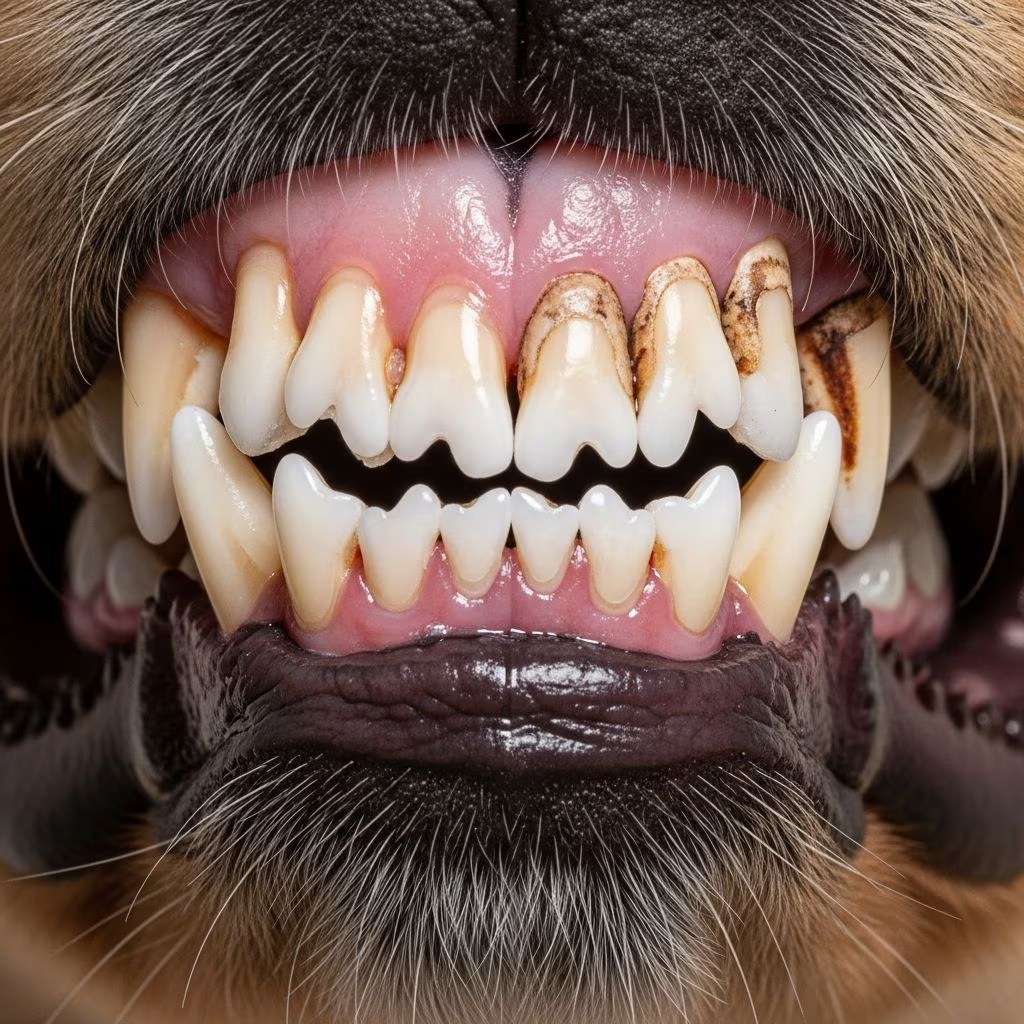
Dogs, like humans, are susceptible to dental issues from plaque and tartar buildup, which can lead to serious oral health problems if not addressed. Plaque is a soft, sticky film of bacteria, food particles, and saliva that forms on teeth shortly after eating, while tartar is the hardened form of plaque that develops within days and requires professional removal.
What Is Plaque on Dog Teeth?
Plaque is the initial stage of dental disease in dogs, appearing as a thin, colorless or slightly white, sticky biofilm on tooth surfaces. It consists of bacteria from the mouth mixing with saliva and food remnants, particularly sugars and starches that feed bacterial growth.
This layer forms rapidly—often within hours after meals—and adheres tightly to enamel. If not removed, it serves as a breeding ground for harmful bacteria producing acids that erode enamel and irritate gums.
How Does Plaque Form on Dogs’ Teeth?
Plaque development begins as dogs eat; bacteria naturally present in the mouth colonize tooth surfaces, combining with dietary debris and saliva proteins. Within 24 hours, this soft deposit can start mineralizing if undisturbed.
- Bacteria thrive on carbohydrates from kibble, treats, or table scraps.
- Saliva contributes minerals that begin hardening the plaque.
- Subgingival plaque (below the gumline) is especially problematic, fostering deep infections.
Signs of Plaque Buildup in Dogs
Plaque is nearly invisible, making early detection challenging. Key indicators include:
- Bad breath (halitosis): The most common early sign from bacterial volatile compounds.
- Slimy or sticky feel when running a finger along teeth.
- Mild gum redness or inflammation (gingivitis).
- Excessive drooling or pawing at the mouth.
What Is Tartar on Dog Teeth?
Tartar, also called dental calculus, forms when plaque mineralizes with calcium salts from saliva, hardening into a rough, porous deposit within 24-48 hours. Unlike plaque, tartar cannot be brushed away at home and bonds permanently to teeth.
It typically starts above the gumline but extends subgingivally, trapping more bacteria and accelerating disease.
How Does Tartar Build Up on Dogs’ Teeth?
Unremoved plaque absorbs salivary minerals, crystallizing into tartar. This process is quickest near the gumline on molars and premolars, where cleaning is hardest.
- Initial softening in 24 hours; full hardening in days.
- Pets with dry kibble diets may see faster buildup due to sticky residues.
- Brachycephalic breeds (e.g., Bulldogs) and small dogs are prone due to tooth crowding.
What Does Tartar Look Like on Dogs?
Tartar is visible as yellowish-brown, chalky, or dark stains, feeling gritty and hard. Advanced buildup appears crusty, extending below gums, causing recession.
- Early: Thin yellow lines at gumline.
- Moderate: Brown patches on molars.
- Severe: Black, thick layers with bleeding gums.
Dog Plaque vs Tartar: Key Differences
Understanding distinctions helps pet owners act early. Here’s a comparison:
| Aspect | Plaque | Tartar |
|---|---|---|
| Composition | Soft biofilm (bacteria, saliva, food) | Hardened mineral deposit (calcified plaque) |
| Formation Time | Hours after eating | 24-48 hours after plaque sets |
| Appearance | Colorless/slimy, nearly invisible | Yellow-brown, gritty, visible stains |
| Removal | Brushing, chews, rinses | Professional scaling under anesthesia |
| Health Impact | Early gingivitis, bad breath | Periodontitis, tooth loss, systemic issues |
Health Risks of Plaque and Tartar in Dogs
Beyond cosmetic issues, buildup drives periodontal disease, affecting 80% of dogs by age three. Plaque irritates gums, causing gingivitis; tartar worsens it to periodontitis, with bone loss and abscesses.
- Pain and Infection: Inflamed gums bleed; roots expose, causing sensitivity.
- Tooth Loss: Advanced cases loosen teeth.
- Systemic Effects: Bacteria enter bloodstream, risking heart, liver, kidney disease.
- Behavioral Signs: Drooling, face rubbing, reduced appetite.
How to Prevent Plaque and Tartar Buildup
Daily care keeps plaque at bay, preventing tartar. Start routines early, especially for puppies.
Daily Brushing Routine
Use enzymatic dog toothpaste and soft brush/finger mitt. Brush 2-3 times weekly minimum, ideally daily for 30 seconds per side.
- Avoid human toothpaste (toxic xylitol).
- Focus on gumline and back teeth.
Dental Chews and Toys
VOHC-approved chews (e.g., those forming protective barriers) reduce plaque by 70% with daily use.
- Textured toys scrape buildup mechanically.
- Limit to size-appropriate, supervised sessions.
Dental Diets and Water Additives
Kibble with fiber scrubs teeth; additives kill bacteria. Rinse mouths with dental sprays post-meals.
Professional Cleanings
Annual vet dental exams with scaling under anesthesia remove tartar fully. X-rays detect hidden issues.
Treatment Options for Tartar Removal
Once tartar forms, vets perform prophylaxis: anesthesia, scaling, polishing, extractions if needed.
- Non-Anesthetic Option: Limited for light buildup; not for subgingival.
- Post-Clean Care: Antibiotics, pain meds, home routine restart.
- Cost: $500-$1,200 depending on severity.
Frequently Asked Questions (FAQs)
Can I remove tartar from my dog’s teeth at home?
No, tartar requires professional tools to scrape safely without damaging enamel or gums.
How often should I brush my dog’s teeth?
Daily is ideal; at least 3-4 times weekly prevents most buildup.
What breeds are most prone to tartar?
Small breeds (Yorkies, Poodles), brachycephalics (Pugs), and soft-food eaters.
Does dry food prevent plaque?
It helps by mechanical abrasion but isn’t sufficient alone; combine with brushing.
Is bad breath always plaque?
Often yes, but check for diet, GI issues, or tumors with your vet.
Conclusion
Proactive oral care transforms dog dental health, preventing pain and costly treatments. Regular brushing, chews, and vet visits keep smiles bright.
References
- Difference Between Dog Plaque vs. Tartar — Oravet. 2023. https://oravet.com/dog-plaque-vs-tartar
- Dog Plaque vs Tartar: How They Affect Dog Dental Disease — Wellness Pet Food. 2024-05-15. https://www.wellnesspetfood.com/blog/dog-plaque-vs-tartar-how-they-effect-dog-dental-disease/
- Plaque, Tartar, & Calculus in Dogs & Cats — Vet Dentist WI. 2023-11-01. https://vetdentistwi.com/plaque-tartar-and-calculus-in-dogs-and-cats/
- What is the Difference Between Tartar and Plaque? — Green Dog Dental. 2022-08-20. https://www.greendogdental.com/services/cats/blog/what-difference-between-tartar-and-plaque
- Plaque Vs. Tartar: What The Heck’s The Difference — Animal Hospital of Old Metairie. 2024. https://www.animalhospitalofoldmetairie.com/blog/plaque-vs-tartar-what-the-hecks-the-difference
- Plaque vs. Tartar: What’s the Difference and Why It Matters — Alpen Lofts Vet. 2023-12-10. https://alpenloftsvet.ca/plaque-vs-tartar-whats-the-difference-and-why-it-matters/
- Plaque and Tartar Prevention in Dogs — VCA Animal Hospitals. 2025-01-01. https://vcahospitals.com/know-your-pet/tartar-prevention-in-dogs



