

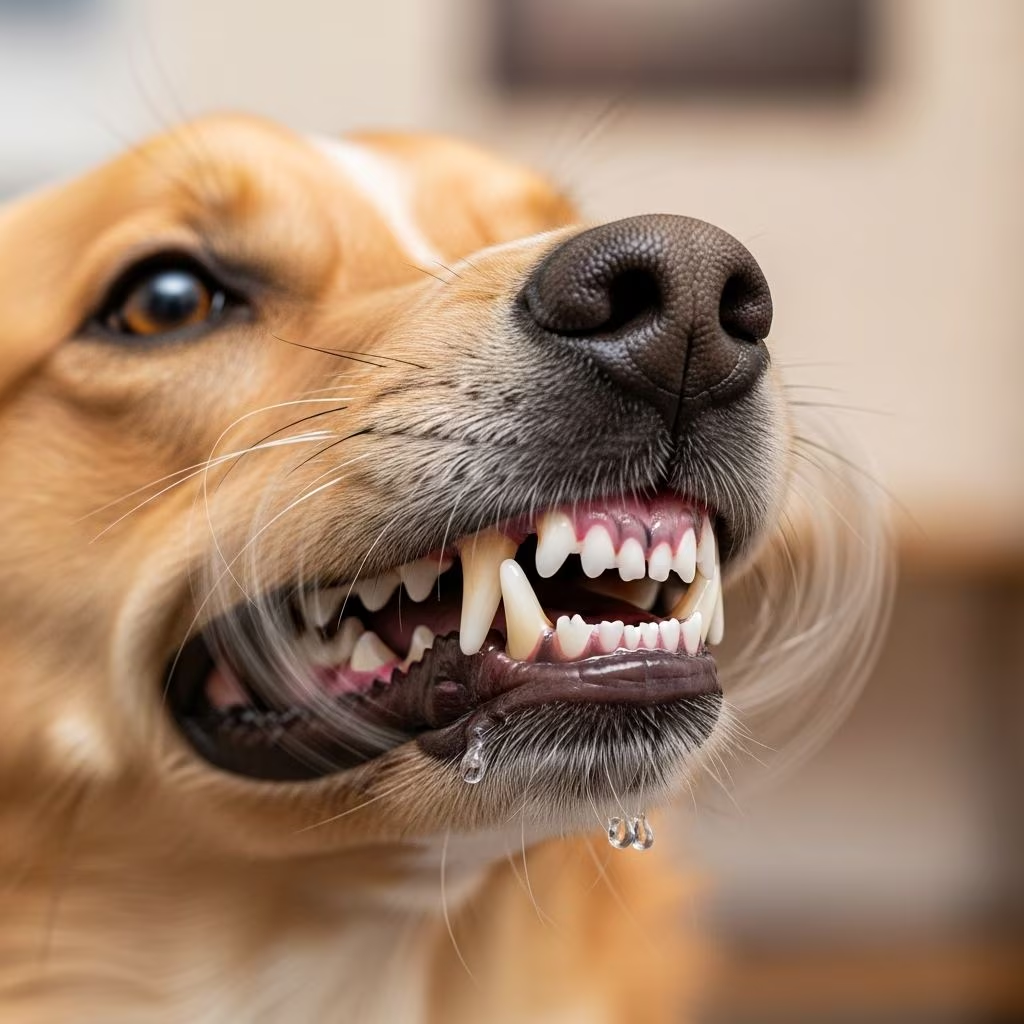
Understanding Dog Teeth Chattering
If you’ve noticed your dog chattering their teeth, you’re likely wondering what this behavior means and whether it’s cause for concern. Teeth chattering in dogs can stem from various causes, ranging from harmless emotional responses to potentially serious health conditions. Understanding the underlying reasons behind this behavior is essential for determining whether your dog needs veterinary attention or if it’s simply a quirky habit.
Common Causes of Dog Teeth Chattering
Dental or Oral Pain
One of the most common and serious causes of teeth chattering in dogs is dental or oral pain. Dogs experiencing discomfort in their mouth often exhibit jaw movements as a response to pain. Dental issues are particularly prevalent in adult dogs, making this a concern worth investigating if your dog exhibits this behavior frequently.
Common dental problems that may cause teeth chattering include:
- Broken or fractured teeth
- Gum disease or periodontal disease
- Tooth decay or cavities
- Dental abscesses or infected gums
- Oral ulcerations
- Jaw misalignment or bite abnormalities
- Cancerous or benign oral growths
If your dog chatters their teeth while eating, chewing toys, or when their face is being touched, dental discomfort may be the culprit. Additional warning signs include drooling, bad breath, refusal to eat, chewing on one side of the mouth, and swelling around the jaw or face. Dogs may also paw at their mouth when experiencing oral pain. Regular dental exams and professional cleanings are crucial for preventing and detecting dental disease early.
Emotional Triggers: Anxiety and Stress
Dogs experiencing stress, fear, or anxiety may chatter their teeth as a physical coping mechanism. This behavioral response is particularly common in situations that make dogs feel uneasy or overwhelmed. Your dog may exhibit teeth chattering during:
- Veterinary visits
- Thunderstorms or loud noises
- Being left alone (separation anxiety)
- Meeting unfamiliar people or animals
- Car rides
- Hunting scenarios with gunshots or whistles
When anxiety or stress triggers teeth chattering, you’ll typically notice accompanying behaviors such as pacing, whining, panting, hiding, and tucking their tail between their hind legs. Taking time to identify patterns in your dog’s behavior can help you understand specific anxiety triggers. Sharing these observations with your veterinarian allows them to assess whether behavioral modification, anxiety medications, or environmental management strategies might help.
Excitement and Anticipation
Dogs may also chatter their teeth when experiencing positive emotions such as excitement or anticipation. This behavior is often observed when dogs expect something enjoyable, such as:
- During playtime or vigorous activity
- Before walks or outdoor adventures
- When anticipating treats or mealtime
- During moments of overstimulation
In these instances, teeth chattering is usually accompanied by other signs of enthusiasm, including tail wagging, jumping, playful behavior, and high energy levels. This type of chattering is generally harmless and not indicative of any health concern. However, if your dog becomes overstimulated, you may need to help them calm down through redirected activities or mental enrichment exercises.
Temperature Sensitivity and Cold
Similar to humans, dogs may chatter their teeth when they’re feeling cold or experiencing a drop in body temperature. This involuntary muscle response helps generate body heat. Smaller breeds, senior dogs, and those with thin coats are particularly susceptible to feeling cold. If your dog chatters teeth during cold weather or after swimming, they may benefit from a dog sweater or coat and a warm, comfortable resting area.
Neurological Conditions
In some cases, persistent or involuntary teeth chattering may indicate an underlying neurological issue. These conditions affecting the brain or nervous system can manifest as jaw chattering and other concerning symptoms.
Potential neurological causes include:
- Seizures: Partial or focal seizures can cause teeth chattering as a sudden symptom
- Tremors: Involuntary muscle tremors may include jaw movements
- Shaker Syndrome (Generalized Tremor Syndrome): Also called idiopathic cerebellitis, this disorder causes inflammation of the cerebellum and results in the dog’s entire body shaking
- Jaw muscle disorders: Conditions affecting the muscles controlling jaw movement
Neurological causes often present with additional signs including disorientation, uncoordinated movement, full-body tremors, dilated pupils, or loss of consciousness. If your dog’s teeth chattering occurs alongside these concerning symptoms, prompt veterinary attention is essential.
Gastrointestinal Issues
Gastrointestinal problems can also contribute to jaw chattering in dogs. Dogs experiencing nausea, vomiting, stomach ulcers, or gastroesophageal reflux may chatter their jaws or grind their teeth. When a dog’s jaw becomes clenched due to GI discomfort, their teeth can rub together, causing grinding and chattering. You may also notice excessive drooling. Your veterinarian may recommend lab work and imaging studies, such as ultrasound or endoscopy, to investigate gastrointestinal causes.
Scent Response and the Flehmen Reaction
Dogs possess an extraordinarily developed sense of smell, and teeth chattering sometimes occurs as a response to detecting specific scents. This behavior is related to the Flehmen response, a sensory mechanism that helps dogs process scent molecules. When dogs encounter certain odors—particularly pheromones from other animals—they may curl back their lips and chatter their teeth as they draw scent molecules to the vomeronasal organ, a specialized sensory organ in the roof of their mouth.
You might observe this behavior after your dog sniffs another dog’s urine or encounters a new animal scent. The chattering associated with the Flehmen response is typically short-lived and not associated with any health problem. However, if your dog exhibits this behavior frequently or in unusual circumstances, it’s worth mentioning to your veterinarian.
TMJ Disorder and Jaw-Related Issues
Teeth chattering can also be a symptom of temporomandibular joint (TMJ) disorder, affecting the joint where the upper and lower jaws connect. TMJ problems may occur due to trauma, arthritis, or other jaw abnormalities. Dogs with TMJ disorder may experience pain when opening or closing their mouth, difficulty eating, or excessive drooling. A veterinary examination focusing on jaw function can help identify this condition.
When to Seek Veterinary Care
While some instances of teeth chattering are benign, certain situations warrant professional veterinary evaluation. Contact your veterinarian if you notice:
- Persistent or frequent episodes: If your dog chatters teeth multiple times daily or the behavior intensifies over time, it may indicate ongoing oral pain, stress, or neurological conditions
- Associated symptoms: Bad breath, drooling, bleeding gums, facial swelling, or refusal to eat suggest dental or oral problems
- Neurological signs: Disorientation, uncoordinated movement, full-body tremors, dilated pupils, or seizure activity require immediate attention
- Behavioral changes: Sudden onset of chattering accompanied by personality or behavioral changes
- Duration and intensity: Chattering that becomes more intense or lasts longer than a few minutes
Diagnostic Approach
If your dog’s chattering seems abnormal, your veterinarian will likely recommend a multi-step diagnostic approach to uncover the underlying cause.
Oral Examination
The first step typically involves a thorough dental evaluation where your vet will look for:
- Broken or loose teeth
- Inflamed or receding gums
- Oral ulcers or growths
- Signs of abscesses or infections
- Bite misalignment
Additional Diagnostic Tests
Depending on initial findings, your veterinarian may recommend:
- Dental X-rays to visualize tooth roots and jaw structure
- Blood work and lab tests to assess overall health
- Imaging studies such as ultrasound or CT scans
- Endoscopy to examine the gastrointestinal tract if GI issues are suspected
- Neurological examination if seizures or other nervous system disorders are suspected
Treatment Options
Treatment for teeth chattering depends entirely on the underlying cause. Your veterinarian may recommend:
- Dental procedures: Professional cleanings, tooth extractions, or other dental interventions for oral disease
- Medications: Pain relievers, antibiotics for infections, or anti-anxiety medications
- Behavioral modifications: Training techniques and environmental management for anxiety-related chattering
- Dietary adjustments: Special diets for dogs with gastrointestinal issues
- Calming interventions: Supplements, pheromone diffusers, or anxiety wraps for stress-related behavior
- Neurological treatments: Seizure medications or other therapies for neurological conditions
Frequently Asked Questions (FAQs)
Q: Is teeth chattering in dogs always a sign of a health problem?
A: No, not always. Teeth chattering can be a normal response to excitement, anticipation, or cold temperatures. However, persistent chattering, especially when accompanied by other symptoms like drooling, bad breath, or behavioral changes, warrants veterinary evaluation.
Q: What should I do if my dog chatters their teeth occasionally?
A: If chattering is occasional and accompanied by normal behavior (such as during play or excitement), it’s likely harmless. Monitor your dog for any changes in frequency, intensity, or accompanying symptoms. Keep a record to share with your veterinarian if the behavior becomes more frequent.
Q: Can anxiety medication help with teeth chattering caused by stress?
A: Yes, in some cases. Your veterinarian may recommend anti-anxiety medications for dogs with stress-related teeth chattering. However, behavioral modification techniques and environmental management are often equally important components of treatment.
Q: How is dental disease diagnosed in dogs with teeth chattering?
A: Your veterinarian will perform a visual oral examination and may recommend dental X-rays to visualize the teeth, roots, and jaw structure. These diagnostic tools help identify fractures, decay, infections, and other dental problems.
Q: What is the Flehmen response, and is it dangerous?
A: The Flehmen response is a natural sensory behavior where dogs curl back their lips and chatter while processing strong scents, particularly pheromones. It’s not dangerous and typically lasts only a few seconds. This behavior is a normal part of how dogs communicate and understand their environment.
Q: Could teeth chattering indicate a seizure?
A: Teeth chattering can be associated with partial or focal seizures, though it’s not the only sign. If your dog’s chattering is accompanied by disorientation, loss of consciousness, or full-body tremors, contact your veterinarian immediately.
Q: How often should my dog have dental checkups?
A: Most veterinarians recommend annual dental exams for adult dogs, with more frequent evaluations for senior dogs or those with a history of dental disease. Professional cleanings are typically recommended as needed based on your dog’s individual oral health status.
References
- Why is My Dog Chattering Its Teeth? — Pewaukee Veterinary Service. Accessed January 2026. https://pewaukeeveterinaryservice.com/blog/dog-chattering-teeth/
- Dog Teeth Chattering: Causes and What To Do — PetMD. Accessed January 2026. https://www.petmd.com/dog/symptoms/dogs-and-teeth-chattering-what-you-need-know
- Chattering Teeth in Dogs: Possible Causes — Your Pet Dentist. Accessed January 2026. https://yourpetdentist.com/why-do-my-dogs-teeth-chatter/
- Dog Teeth Chattering: Why It Happens & What It Means — PetLab Co. Accessed January 2026. https://thepetlabco.com/learn/dog/behavior/dog-teeth-chattering
- Why are My Dog’s Teeth Chattering in Boxborough, MA? — Veterinary Dental. Accessed January 2026. https://veterinarydental.com/dog-teeth-chattering/
- Dog Teeth Chattering: Why It Happens & What It Means — Spot and Tango. Accessed January 2026. https://www.spotandtango.com/blog/dog-teeth-chattering
- Teeth Chattering in Dogs: Causes and Treatment — American Kennel Club. Accessed January 2026. https://www.akc.org/expert-advice/health/teeth-chattering-in-dogs/



