

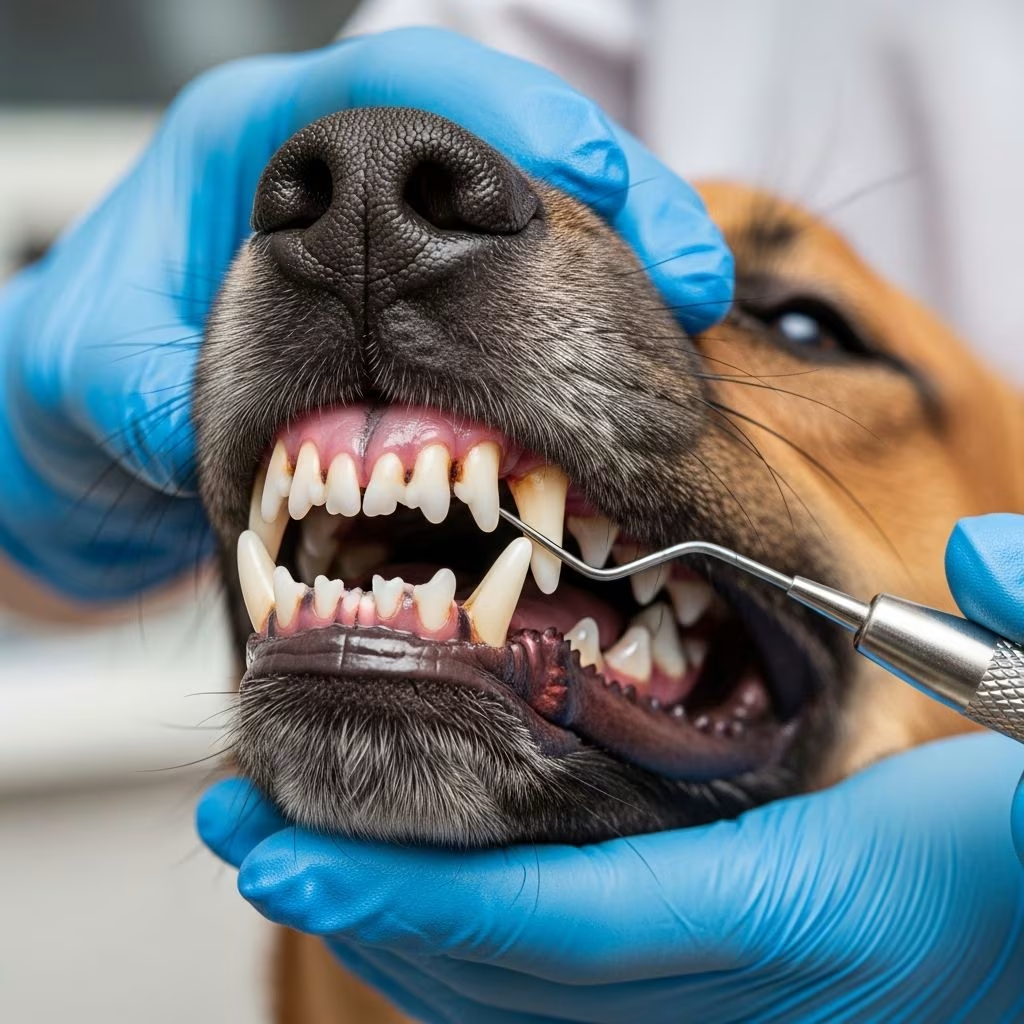
Dog tartar removal is essential for maintaining your furry friend’s oral health and preventing serious dental issues. Tartar, also known as dental calculus, forms when plaque—a sticky film of bacteria—hardens on the teeth. Left unchecked, it leads to gum disease, tooth loss, and even systemic health problems like heart disease. This guide covers everything from understanding plaque and tartar to effective removal methods at home and when to seek professional help.
What Is Dog Tartar and Why Does It Form?
Tartar buildup starts with plaque, which accumulates on teeth within hours of eating due to food particles, saliva, and bacteria. If not removed, plaque mineralizes into hard tartar within 24-48 hours, adhering firmly to enamel, especially along the gumline. Small breeds like Poodles and Yorkies are prone due to crowded teeth, while larger dogs may suffer from excessive chewing habits. Factors like diet high in sugars and starches accelerate formation.
Signs of tartar include yellow-brown stains, bad breath (halitosis), red or bleeding gums, loose teeth, and pawing at the mouth. Early intervention prevents periodontal disease, affecting 80% of dogs by age three.
Daily Brushing: The Gold Standard for Prevention
Brushing your dog’s teeth daily with dog-specific toothpaste is the most effective at-home tartar prevention method. Use enzymatic toothpaste containing glucose oxidase, lactoperoxidase, or protease to break down plaque bacteria. Avoid human toothpaste, which contains xylitol—a toxic sweetener for dogs.
Step-by-Step Brushing Guide:
- Choose a soft-bristled dog toothbrush or finger brush.
- Apply pea-sized enzymatic toothpaste.
- Lift lips gently, brush outer surfaces in circular motions for 30 seconds per side, focusing on molars and canines.
- Aim for 2-3 times weekly minimum; daily for best results.
- Reward with praise or treats to build positive association.
Brushing reduces plaque by up to 70% and chips away early tartar, though it can’t reach subgingival areas.
Dental Chews and Treats: Mechanical Cleaning on the Go
Dental chews provide abrasive action to scrape tartar while enzymes dissolve plaque. Look for VOHC-approved (Veterinary Oral Health Council) products with natural ingredients like compressed vegetable fibers or kelp.
| Product Type | Benefits | Cautions |
|---|---|---|
| Enzyme Chews | Break down plaque chemically | Monitor calories to prevent obesity |
| Abrasive Treats | Scrub tartar mechanically | Avoid hard chews to prevent fractures |
| Prescription Diets | Fiber matrix cleans to gumline | Vet prescription required |
Moderation is key—treats shouldn’t exceed 10% of daily calories. They supplement but don’t replace brushing.
Water Additives, Gels, Sprays, and Wipes
These products deliver antibacterial agents without brushing. Water additives with chlorhexidine or enzymes reduce plaque when added to drinking water. Oral gels and rinses coat teeth, inhibiting bacterial growth. Dental wipes, textured with antiseptics, rub away surface plaque for brush-averse dogs.
- Sprays: Quick application post-meals; freshens breath.
- Gels: Apply to gums; lauric acid in coconut oil variants softens tartar anecdotally.
- Wipes: Finger-friendly for spot cleaning.
Combine with brushing for synergy; effectiveness peaks with consistent use.
Special Diets and Natural Remedies
Veterinary dental diets feature kibble with fibrous textures that scrub teeth during chewing, proven to reduce tartar by 20-30%. Natural options like seaweed supplements provide minerals and enzymes for plaque control. Anecdotal remedies like coconut oil pulling show promise but lack clinical backing—use cautiously as adjuncts.
DIY Tools: Scrapers, Flossers, and Limits
Hand scalers or scrapers remove visible tartar but risk enamel damage and gum injury if misused. Water flossers dislodge debris between teeth, softening tartar when paired with toothpaste. These are temporary fixes; severe cases demand pros.
Caution: Never scrape without training—consult a vet first to avoid harm.
Professional Dental Cleanings: When Home Care Isn’t Enough
For advanced tartar, professional cleaning under general anesthesia is essential. Vets perform full-mouth scaling above and below gumlines using ultrasonic tools, followed by polishing and X-rays to detect hidden issues like abscesses or bone loss.
Procedure Steps:
- Pre-anesthetic bloodwork and exam.
- Anesthesia for safety and thoroughness.
- Scaling, polishing, fluoride application.
- Extractions if needed; post-op pain management.
Costs range £150-£600 ($200-$800 USD), lasting 4-6 weeks before regrowth. Anesthesia-free options exist but clean only supragingival tartar, missing 60% of disease sites. Schedule annually for seniors or high-risk breeds.
Preventing Tartar Buildup Long-Term
Combine methods: daily brushing + weekly chews + bi-annual vet checks. Monitor diet, avoiding sticky foods. Regular exams catch issues early, saving costs and pain. Breeds like Greyhounds need less due to self-cleaning teeth; brachycephalics more.
Frequently Asked Questions (FAQs)
Q: How often should I brush my dog’s teeth?
A: Ideally daily, but 3-4 times weekly effectively controls plaque.
Q: Can dental chews replace professional cleanings?
A: No, they manage mild buildup but can’t remove subgingival tartar.
Q: Is anesthesia necessary for dog dental cleanings?
A: Yes for comprehensive care; it ensures safety and access to all surfaces.
Q: What are signs my dog needs a vet dental?
A: Bad breath, bleeding gums, tooth loss, or visible tartar.
Q: Are natural remedies like coconut oil effective?
A: They may soften tartar anecdotally but aren’t substitutes for proven methods.
Q: How much does professional tartar removal cost?
A: £150-£600, depending on location and complexity.
Implementing these strategies keeps your dog’s teeth tartar-free, promoting overall vitality. Consult your vet for personalized plans.
References
- Do You Need to See a Vet for Dog Plaque Removal — Comal Pet Hospital. 2023. https://comalpethospital.com/blog/do-you-need-to-see-a-vet-for-dog-plaque-removal/
- The Complete Guide to Removing Plaque from Your Dog’s Teeth — Seaweed for Dogs. 2024. https://seaweedfordogs.com/en-us/pages/the-complete-guide-to-removing-plaque-from-your-dogs-teeth
- How to Soften Dog Tartar & Remove Plaque – Without a Vet — Pooch & Mutt. 2023-10-15. https://www.poochandmutt.co.uk/blogs/health/how-to-soften-dog-tartar-and-remove-plaque-without-a-vet
- 4 Ways to Soften Dog Tartar at Home — PetLab Co. 2024. https://thepetlabco.com/learn/dog/health-wellness/soften-dog-tartar
- How to Clean Your Dog’s Teeth – A Guide to DIY Dental Cleaning for Dogs — Hidden Springs Animal Hospital. 2023. https://hiddenspringsanimal.com/dental-care-for-pets-in-boise-id/how-to-clean-your-dogs-teeth-a-guide-to-diy-dental-cleaning-for-dogs/
- Plaque and Tartar Prevention in Dogs — VCA Animal Hospitals. 2024-05-01. https://vcahospitals.com/know-your-pet/tartar-prevention-in-dogs
- The Truth About Tartar on Your Dog’s Teeth — Veterinary Dental Services. 2023. https://veterinarydental.com/plaque-dogs-teeth/



