

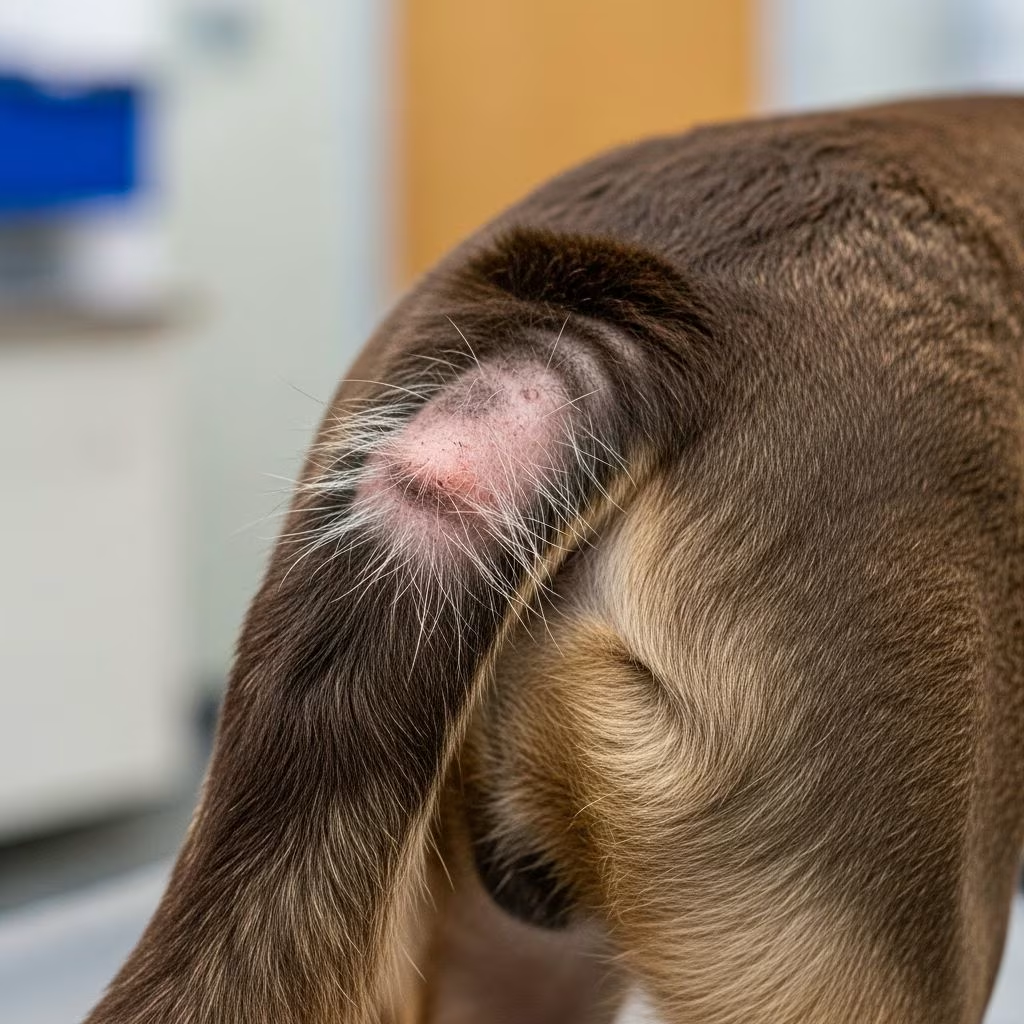
Hair loss on a dog’s tail, known as alopecia in veterinary terms, often signals an underlying health issue rather than a simple grooming problem. This condition can range from mild thinning to complete baldness, affecting dogs of all ages and breeds. Prompt recognition of symptoms allows for timely intervention, preventing further discomfort or complications. Owners frequently notice bare patches near the tail base or along the length, sometimes accompanied by itching, redness, or behavioral changes like excessive licking.
Common Parasitic Triggers
Parasites top the list of culprits for tail hair loss due to their ability to provoke intense irritation. Fleas, in particular, trigger flea allergy dermatitis (FAD), where even minimal bites cause severe reactions in sensitive dogs. These parasites thrive near the tail base, leading to relentless scratching that rubs away fur.
- Fleas: Visible as tiny dark specks (flea dirt) or live insects; bites create red bumps and hot spots.
- Mites (Demodex or Sarcoptes): Demodectic mange affects immunocompromised pups, causing patchy baldness; sarcoptic mange spreads via contact, with crusty skin.
Treatment involves thorough parasite control using vet-recommended topicals or orals, alongside environmental cleaning to break the life cycle. Regular preventatives are essential year-round.
Allergic Reactions and Skin Sensitivities
Allergies manifest as itchy skin, prompting dogs to chew or scratch their tails raw. Environmental allergens like pollen or dust mites, food intolerances to proteins such as beef or grains, and contact irritants all contribute. Hair loss often pairs with secondary infections on paws, ears, or belly.
| Allergen Type | Symptoms on Tail | Diagnostic Steps |
|---|---|---|
| Environmental | Seasonal itching, red inflamed skin | Skin scrapes, elimination trials |
| Food | Chronic bald patches, ear issues | Hydrolyzed diet trial for 8-12 weeks |
| Contact | Localized irritation from bedding | Patch testing, hypoallergenic shampoos |
Management includes antihistamines, medicated baths, and hypoallergenic diets. Allergy testing pinpoints triggers for targeted immunotherapy.
Hormonal Disorders Disrupting Coat Health
Endocrine imbalances systematically thin the coat, with the tail often showing first due to its unique follicle structure producing single, coarse hairs vulnerable to nutritional or hormonal deficits. Hypothyroidism slows metabolism, yielding flaky skin and a classic “rat tail” appearance. Cushing’s disease (hyperadrenocorticism) overproduces cortisol, causing pot-bellied lethargy and patchy alopecia.
- Hypothyroidism signs: Weight gain, cold intolerance, symmetrical hair loss starting at tail flanks.
- Cushing’s indicators: Excessive thirst/urination, panting, thin skin prone to bruising.
Blood panels confirm diagnoses; treatments like lifelong thyroid supplements or trilostane for Cushing’s promote regrowth within months.
Glandular and Local Irritations
Supracaudal gland hyperplasia, dubbed “stud tail,” enlarges oil-producing glands at the tail top, greasying fur and compressing follicles. Common in unneutered males but seen across sexes, it leads to scaly, blackheads-laden baldness and secondary infections. Anal gland issues nearby cause scooting and hair-pulling from impaction or abscesses, emitting a fishy odor.
Remedies range from gentle cleansing and neutering to gland expression or antibiotics for infections.
Behavioral and Physical Factors
Overgrooming from stress, anxiety, or boredom creates self-induced baldness. Compulsive tail chasing or licking signals canine compulsive disorder, exacerbated by routine changes. Physical friction in heavy breeds wears hair at pressure points; injuries like fractures or foxtails provoke protective chewing.
- Stress-related: Sudden bald spots from environmental shifts.
- Trauma: Swelling, limping alongside hair loss.
Behaviorists employ enrichment toys, pheromone diffusers; pain relief addresses orthopedic causes.
Nutritional Deficiencies and Infections
Poor diet lacking omega-3s, zinc, or proteins hits tail hairs hardest, as their follicles support solitary strands. Bacterial/yeast overgrowth or ringworm fungi exploit moist, scratched areas, forming circular bald patches.
Switch to premium, balanced kibble aids recovery; antifungals or antibiotics clear infections post-culture.
Diagnostic Approach for Tail Alopecia
Vets start with history and exam, followed by skin scrapes for parasites, cytology for infections, and biopsies for chronic cases. Bloodwork rules out hormones; imaging checks glands or spines. Early diagnosis averts progression.
Home Care and Prevention Strategies
Monitor for changes weekly; maintain flea preventives, balanced nutrition, and grooming routines. Weekly baths with oatmeal shampoos soothe; cone collars halt licking. Annual wellness exams catch issues early.
| Prevention Tip | Benefit |
|---|---|
| Monthly parasite control | Blocks flea/mite infestations |
| Omega-rich diet | Strengthens follicles |
| Stress reduction playtime | Curbs overgrooming |
| Regular vet checkups | Detects imbalances |
FAQs on Dog Tail Hair Loss
Will my dog’s tail hair grow back?
Yes, with treatment of the root cause, regrowth typically occurs in 4-8 weeks, though hormonal cases may take longer.
Is tail hair loss contagious?
Only if parasitic like mange; otherwise, no. Isolate during treatment.
Can diet alone fix it?
Not if underlying like hormones; it supports but doesn’t cure.
When to see a vet urgently?
If accompanied by bleeding, odor, lethargy, or rapid spread.
Are certain breeds prone?
Thick-coated like Labs or Huskies show it prominently; short-haired less so.
References
- Hair Loss on a Dog’s Tail: 10 Causes — Dr. Buzby, ToeGrips. 2023. https://toegrips.com/hair-loss-dogs-tail/
- Bald Spots on Dog’s Tail: Signs and Treatments — Frontier Vet Urgent Care. 2024. https://frontierveturgentcare.com/blog/bald-spots-on-dogs-tail/
- Stud Tail Tail Gland Hyperplasia in Dogs — VCA Animal Hospitals. 2023-10-15. https://vcahospitals.com/know-your-pet/stud-tail-tail-gland-hyperplasia-in-dogs
- Hair Loss in Dogs: Causes, Symptoms, and Treatment — PetMD. 2024. https://www.petmd.com/dog/conditions/skin/hair-loss-dogs-causes-symptoms-and-treatment
- Common Causes for Hair Loss in Dogs — LePar Vet. 2023. https://leparvet.net/blog/hair-loss-in-dogs/
- Alopecia in Dogs: How to Treat Canine Hair Loss — GoodRx. 2024-01-20. https://www.goodrx.com/pet-health/dog/alopecia-in-dogs-causes-treatment



