

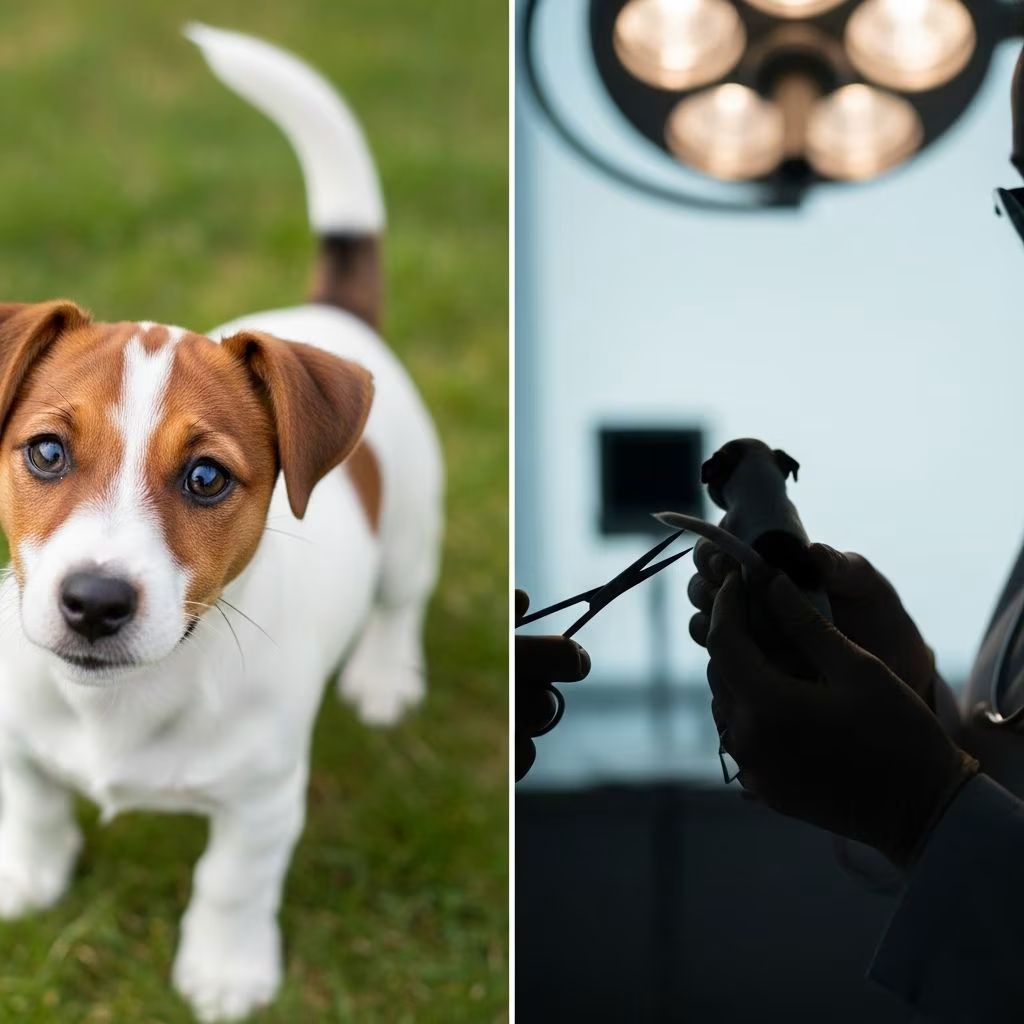
Tail docking, also known as caudectomy, involves the surgical removal of part or all of a dog’s tail, typically performed on puppies shortly after birth. While historically linked to working dogs, this practice is now largely cosmetic and highly debated among veterinarians, animal welfare experts, and dog owners.
What Is Tail Docking?
Tail docking is the intentional shortening or complete removal of a dog’s tail through surgical means. The procedure severs bones, muscles, nerves, and blood vessels in the tail, often using scissors, a scalpel, or specialized tools. It is most commonly done on puppies within the first five days of life, before their eyes open, under the outdated belief that they feel minimal pain at this stage.
In reality, studies confirm that newborn puppies experience acute pain during docking, which can alter their pain perception long-term, leading to heightened sensitivity as adults. The tail contains critical nerves that relay pain signals to the brain and enable precise movements essential for communication and balance.
History of Tail Docking in Dogs
Tail docking dates back centuries, originating from practical needs in working breeds. Hunters docked tails on gun dogs, terriers, and herding dogs to prevent injuries in dense brush, thorny vegetation, or tight spaces where tails could snag or bleed. Spaniels and retrievers, with their vigorous wagging, were docked to avoid ‘tail chasing’ injuries or damage from slamming against objects.
By the 19th century, docking became a breed standard for aesthetics in shows, influenced by kennel clubs. Myths persisted, such as docking preventing rabies or improving speed—claims debunked by modern science. Today, with fewer dogs in traditional working roles, docking is primarily cosmetic, prompting widespread opposition.
Why Do People Dock Dogs’ Tails?
Reasons for tail docking fall into two categories: cosmetic and purported functional benefits.
- Cosmetic Purposes: Many breeds like Boxers, Dobermans (though more known for ear cropping), Rottweilers, and some Spaniels have docked tails as per breed standards for a ‘clean’ appearance. Show enthusiasts dock to conform to outdated registries.
- Working Dog Protection: Proponents claim docking prevents injuries in hunting or herding dogs navigating cluttered terrain. However, data shows tail injuries are rare—only 0.23% in undocked dogs, meaning 500 dockings to prevent one injury.
- Hygiene in Long-Coated Breeds: Dogs like Yorkshire Terriers or Old English Sheepdogs may have tails docked to prevent fecal matting, though grooming suffices.
Despite these rationales, evidence does not support routine docking for health or performance.
Breeds That Typically Have Docked Tails
Certain breeds are traditionally docked, though practices vary by country and owner preference:
- Airedale Terrier
- Australian Shepherd (some lines; many naturally bobtailed)
- Boxer
- Brittany Spaniel
- Doberman Pinscher
- English Springer Spaniel
- German Shorthaired Pointer
- Poodle (miniature varieties)
- Rottweiler
- Schipperke
- Yorkshire Terrier
Naturally bobbed breeds like Old English Sheepdogs or Pembroke Welsh Corgis offer ethical alternatives without surgery.
How Is Tail Docking Performed?
The procedure is quick but invasive. For neonates (days 1-5), a veterinarian or breeder uses sharp scissors or a scalpel to cut between vertebrae, often without anesthesia due to risks in tiny puppies. A ligature may be tied at the base to control bleeding, and the wound is sometimes cauterized.
In older dogs, general anesthesia is required for full amputation, involving sutures and more recovery time. Cutting through bone heightens trauma, severing major blood vessels and nerves. Post-procedure, puppies are returned to the litter for healing, but pain management is minimal.
Pain and Risks Associated with Tail Docking
Tail docking causes significant pain, both immediate and chronic.
| Risk Category | Short-Term Risks | Long-Term Effects |
|---|---|---|
| Anesthesia/Surgery | Bleeding, infection, acute pain | Neuroma (nerve tumor), chronic stump pain |
| Neurological | Nerve severance | Heightened pain sensitivity, altered pain processing |
| Behavioral/Physical | Stress in neonates | Impaired communication, balance issues, musculoskeletal strain |
Puppies feel pain acutely, contrary to myths; early procedures can ‘rewire’ pain pathways, increasing adult sensitivity. Infections are dangerous in vulnerable neonates, and neuromas cause lifelong hypersensitivity. Dogs lose tail wagging for emotional signaling, confusing other dogs and humans.
Ethical Concerns Surrounding Tail Docking
Most veterinary bodies deem cosmetic docking unethical. The American Veterinary Medical Association (AVMA) opposes it, citing welfare harm without medical justification. Welfare groups argue it violates ‘do no harm’ principles, as tails are vital for expression—wagging conveys joy, fear, aggression.
Performing surgery on unanesthetized puppies raises cruelty concerns. Studies show no performance benefits, debunking working dog myths. Ethical alternatives prioritize natural tails with protection gear.
Legal Status of Tail Docking Worldwide
Laws vary globally:
- Banned for Cosmetics: Much of Europe (UK, Germany, France), Australia, New Zealand, parts of Canada, Brazil, and South Africa.
- Allowed in US: No federal ban; some states consider legislation. Therapeutic docking permitted.
- Therapeutic Exceptions: Allowed worldwide for injuries, tumors, or infections.
Bans correlate with reduced injuries; Sweden saw increases post-1989 ban, but overall rates remain low.
Alternatives to Tail Docking
- Protective Gear: Tail guards, padding for working dogs.
- Breed Selection: Naturally bobbed varieties.
- Training & Conditioning: Teach calm wagging, habitat management.
- Grooming: Regular cleaning for hygiene breeds.
- Monitoring: Treat injuries as they occur—rare and manageable.
Post-Docking Care and Recovery
Recovery involves strict rest, NSAIDs for pain, antibiotics against infection, and monitoring for swelling or discharge. Puppies heal in 7-10 days, but long-term vigilance for neuroma or behavioral changes is needed. Remote vet consults aid complications. Adult dockings require weeks of e-collar use and limited activity.
Frequently Asked Questions (FAQs)
Q: Is tail docking painful for puppies?
A: Yes, docking causes acute pain; neonates feel it, and it can lead to lifelong heightened sensitivity.
Q: Does tail docking prevent injuries?
A: No—studies show only 0.23% injury rate; 500 dockings prevent one case.
Q: Is cosmetic tail docking legal in the US?
A: Yes, but AVMA opposes it; many countries ban it.
Q: Can docked dogs communicate normally?
A: No, tails signal emotions; docking impairs dog-dog and dog-human interactions.
Q: Are there working dogs that don’t need docking?
A: Yes—use protection, training; naturally short-tailed breeds thrive.
Final Thoughts
Dog tail docking is an outdated practice unsupported by evidence for routine use. Unless medically necessary—like for tumors or severe injuries—leave tails intact for better welfare. Choose compassion: natural breeds, protective measures, and vet-guided care ensure happy, healthy dogs.
References
- Vet-Approved 2025 Guide: Tail Docking in Dogs – Risks, Ethics & Alternatives — Ask A Vet (Dr. Duncan Houston BVSc). 2025. https://askavet.com/blogs/pet-health-safety/%F0%9F%92%89-vet-approved-2025-guide-tail-docking-in-dogs-risks-ethics-alternatives-%F0%9F%90%B6
- Tail Docking in Dogs — PetMD. Recent (post-2023). https://www.petmd.com/dog/procedure/tail-docking-in-dogs
- Tail Docking and Ear Cropping: What You Should Know — SPCANE (Society for the Prevention of Cruelty to Animals Nevada). Recent. https://spcanevada.org/services/pet-education/animal-ally/tail-docking-and-ear-cropping-what-you-should-know/
- What are the PROS and CONS of docking a dogs tail?? — YouTube (Video Transcript). Recent. https://www.youtube.com/watch?v=6sXOdsU6GYI
- Reasons for Docking Tails: Cosmetic or Medically Necessary — Tier 1 Veterinary Medical Center. Recent. https://tier1vet.com/docking-tails/



