

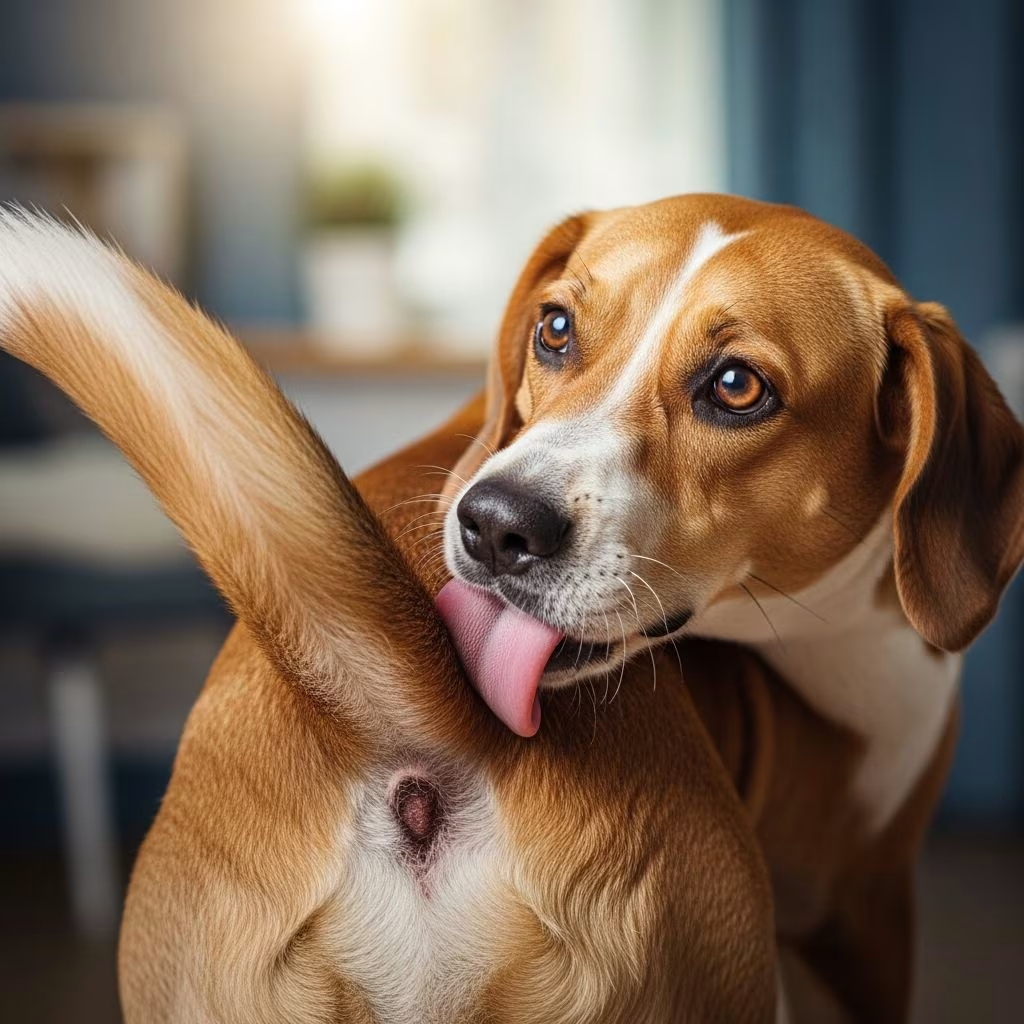
When you notice your dog spending considerable time licking the area near the base of their tail, it’s important to recognize this behavior as a potential signal that something requires attention. While occasional grooming is completely normal canine behavior, persistent or obsessive licking in this specific region often indicates underlying physical discomfort or health concerns that warrant investigation. This detailed guide explores the various reasons why dogs engage in this behavior and what steps you should take to help your pet feel better.
Recognizing Normal Grooming Versus Problematic Licking
Dogs naturally spend time grooming themselves throughout the day, and licking around the rear end is part of their typical maintenance routine. However, there’s an important distinction between casual grooming and excessive licking that suggests a health issue. When your dog becomes fixated on licking the tail base, spends extended periods engaged in this behavior, or seems to be doing it compulsively, this departure from normal grooming patterns warrants closer examination.
The key indicator that warrants veterinary attention is when the frequency and intensity of licking increase noticeably compared to your dog’s baseline behavior. Some dogs may also combine licking with other signs such as scooting their rear end across the floor, visible hair loss in the area, or signs of skin irritation and redness.
Glandular Issues: The Primary Culprit Behind Tail-Base Licking
One of the most frequently encountered reasons dogs lick excessively near their tails involves problems with the anal glands, two small scent-producing structures located on either side of the rectal opening. These glands function to release secretions during bowel movements, which helps maintain their proper emptying and prevents uncomfortable buildup of fluid.
How Anal Glands Function Normally
The anal glands are positioned at approximately the 4 o’clock and 8 o’clock positions if you were to visualize the anus as a clock face. During each bowel movement, a small amount of secretion naturally expresses from these glands, preventing them from becoming overly full or uncomfortable. In most cases, this natural process works without any issues throughout a dog’s life.
When Anal Glands Become Problematic
Some dogs, depending on their individual anatomy and the positioning of their glands and their openings, cannot achieve this natural expression process effectively. When glands don’t empty properly, pressure builds, creating discomfort that dogs attempt to relieve through excessive licking or scooting behaviors. Additionally, anal glands can experience inflammation, become impacted with retained secretions, or develop bacterial infections that cause additional pain and irritation.
When anal gland problems develop, your veterinarian may recommend several treatment approaches depending on the specific condition:
- Manual expression performed by a veterinary professional to relieve pressure and empty impacted glands
- Flushing of the glands combined with application of anti-inflammatory medications directly into the affected tissue
- For infected glands, a comprehensive treatment protocol including oral antibiotics, anti-inflammatory medications, and warm water soaks to encourage drainage
Some dogs with chronic anal gland issues benefit from routine manual expression performed by a veterinarian at regular intervals to maintain their comfort and prevent recurring problems.
Allergic Reactions and Inflammatory Responses
Another significant category of causes involves allergic conditions and the inflammatory responses they trigger. Dogs can experience allergies through multiple pathways, and when these allergies manifest in the tail-base region, excessive licking often follows.
Flea-Related Allergies
Fleas represent one of the most common external parasites affecting dogs, and they demonstrate a particular preference for congregating near the base of the tail. Beyond simple irritation from flea bites, many dogs develop flea allergy dermatitis (FAD), a hypersensitive reaction to flea saliva that causes intense itching and discomfort. Even a single flea bite can trigger significant itching in allergic dogs, making thorough flea prevention essential. Implementing effective flea control measures on both your dog and your home environment helps eliminate this common source of licking behavior.
Food-Based Allergies
Food allergies in dogs frequently manifest as localized itching and licking around the base of the tail and the surrounding areas. When food allergies are suspected, veterinarians typically recommend a special diet trial using hypoallergenic formulations to determine whether eliminating certain ingredients resolves the licking behavior. If the compulsive licking diminishes while your dog consumes the new diet, maintaining that food long-term usually resolves the issue.
Environmental Allergies
Seasonal and environmental allergens including dust, mold, pollen, and even household cleaning products can trigger skin irritation that prompts excessive licking. Environmental allergies often cause itching in multiple locations on your dog’s body, though they may concentrate in particular areas including the tail base.
Parasitic Infections: Internal and External Threats
Beyond fleas, both external and internal parasites can trigger the tail-base licking behavior. Understanding the different parasite types helps you work with your veterinarian to identify and eliminate the problem.
External Parasites
External parasites including ticks and mites cause irritation, bite reactions, and skin infections that prompt dogs to lick affected areas. These parasites create discomfort through multiple mechanisms, and some dogs develop allergic sensitivities to their presence, amplifying the itching response.
Internal Parasites
Internal parasites such as tapeworms, roundworms, and whipworms can trigger rear-end licking and scooting behaviors as dogs attempt to relieve discomfort associated with the parasite life cycle. Some internal parasites become visible in feces, providing a visible clue to their presence. Maintaining regular deworming schedules as recommended by your veterinarian helps prevent these infections.
Skin Infections and Microbial Imbalances
The skin beneath a dog’s tail creates a warm, moist environment that can become vulnerable to fungal and bacterial overgrowth. When a dog’s normal skin microflora becomes unbalanced, typically due to excessive yeast or bacterial proliferation, localized skin infections can develop. These infections cause itching and irritation that drives licking behavior. Yeast and bacterial infections typically present with redness, discharge, and in the case of yeast infections, a brownish-red discoloration of the fur. Your veterinarian can perform diagnostic skin tests to identify the specific microorganism involved and prescribe appropriate treatment.
Additional Medical Considerations
Urinary Tract Infections
While less commonly associated with tail-base licking than other conditions, urinary tract infections can cause dogs to lick their rear ends and warrant veterinary evaluation. These infections develop when bacteria enter the urethra and can occur when feces or debris contaminate the urethral opening.
Inflammatory Bowel Disease
Dogs experiencing inflammatory bowel disease may lick their rear end in response to gastrointestinal discomfort. When chronic rear-end licking occurs alongside digestive issues such as diarrhea or unexplained weight loss, gastrointestinal disease warrants investigation.
Other Contributing Factors
Hormonal imbalances, orthopedic pain affecting the lower back or hips, behavioral issues including stress and anxiety, grooming-related irritation such as razor burn from recent sanitary trims, and contact irritants from detergents or cleaning products can all contribute to excessive licking behaviors.
Behavioral and Psychological Factors
Beyond physical health concerns, behavioral and psychological factors can drive excessive licking. Boredom, anxiety, stress, and compulsive behaviors can all manifest as repetitive tail-base licking. Dogs experiencing insufficient mental or physical stimulation may develop this behavior as a self-soothing mechanism. Additionally, some dogs develop compulsive licking behaviors that become habitual regardless of the original trigger. Identifying and addressing underlying anxiety or stress through increased exercise, mental enrichment, and appropriate training can help reduce behaviorally-driven licking.
When to Seek Veterinary Care
Certain signs indicate that professional veterinary evaluation is necessary. Schedule an appointment with your veterinarian if you notice:
- Persistent or obsessive licking that occupies a significant portion of your dog’s day
- Hair loss or visible bald patches in the tail-base area
- Redness, swelling, discharge, or signs of skin breakdown
- Scooting behavior combined with licking
- Changes in your dog’s overall behavior, appetite, or bathroom habits
- Signs of pain or discomfort when the area is touched
- Licking that doesn’t improve with flea prevention measures
What to Expect During Your Veterinary Visit
When you visit your veterinarian with concerns about excessive tail-base licking, the examination typically includes a thorough physical inspection of the affected area, assessment of your dog’s overall health, and potentially diagnostic tests. Your veterinarian may examine the anal glands, check for parasites or signs of infection, and ask detailed questions about when the licking started, its frequency, and any other symptoms you’ve observed. Diagnostic procedures might include skin scrapings, fungal cultures, fecal examinations, or allergy testing depending on what the initial examination suggests.
Treatment Approaches and Management Strategies
Treatment varies depending on the underlying cause. Medical management might involve antibiotics for infections, anti-inflammatory medications, specialized shampoos for skin conditions, dietary changes for allergies, or parasite prevention products. For dogs with chronic anal gland issues, establishing a routine expression schedule prevents recurrent problems. Environmental modifications such as using gentle, veterinarian-recommended grooming products and minimizing exposure to potential irritants also support recovery.
Prevention Strategies
Maintaining consistent flea and tick prevention represents one of the most important preventive measures for most dogs. Regular grooming with high-quality products suitable for your dog’s skin type helps identify problems early. Providing adequate exercise and mental stimulation reduces stress-related behavioral licking. Feeding a high-quality diet supports overall skin health and may prevent food allergy-related issues. Regular veterinary checkups allow early identification of emerging problems before they progress to chronic conditions.
Frequently Asked Questions
Q: Is some tail-base licking normal?
A: Yes, occasional grooming of the rear end is normal dog behavior. Excessive or obsessive licking that differs from your dog’s typical grooming patterns suggests an underlying issue.
Q: Can I treat anal gland problems at home?
A: While some preventive measures help, infected or impacted anal glands require professional veterinary treatment. Attempting manual expression without proper training can cause injury.
Q: How long does it take to resolve allergies?
A: Allergy resolution depends on the type and trigger. Food allergies may improve within weeks on a new diet, while environmental allergies require ongoing management strategies.
Q: Do all dogs need routine anal gland expression?
A: No, most dogs naturally express their anal glands during bowel movements. Only dogs with anatomical issues or chronic problems require routine professional expression.
References
- Why Your Dog is Licking Their Back Near the Tail — Whole Dog Journal. 2024. https://www.whole-dog-journal.com/health/why-your-dog-is-licking-their-back-near-the-tail/
- Why Do Dogs Keep Licking the Base of Their Tail — Bored Panda. 2024. https://www.boredpanda.com/why-your-dog-keeps-licking-the-base-of-their-tail/
- Why Do Dogs Lick Their Butts? — American Kennel Club. 2024. https://www.akc.org/expert-advice/health/why-dogs-lick-their-butts/
- Why Does My Dog Keep Licking His Bum and Tail? — GetOdie. 2024. https://getodie.com/blog/why-does-my-dog-keep-licking-his-bum-and-tail/
- Why Is My Dog Licking His Butt? — MetLife Pet Insurance. 2024. https://www.metlifepetinsurance.com/blog/pet-health/why-is-my-dog-licking-his-bum/
- Excessive Licking, Chewing, and Grooming in Dogs — PetMD. 2024. https://www.petmd.com/dog/general-health/excessive-licking-chewing-and-grooming-dogs



