

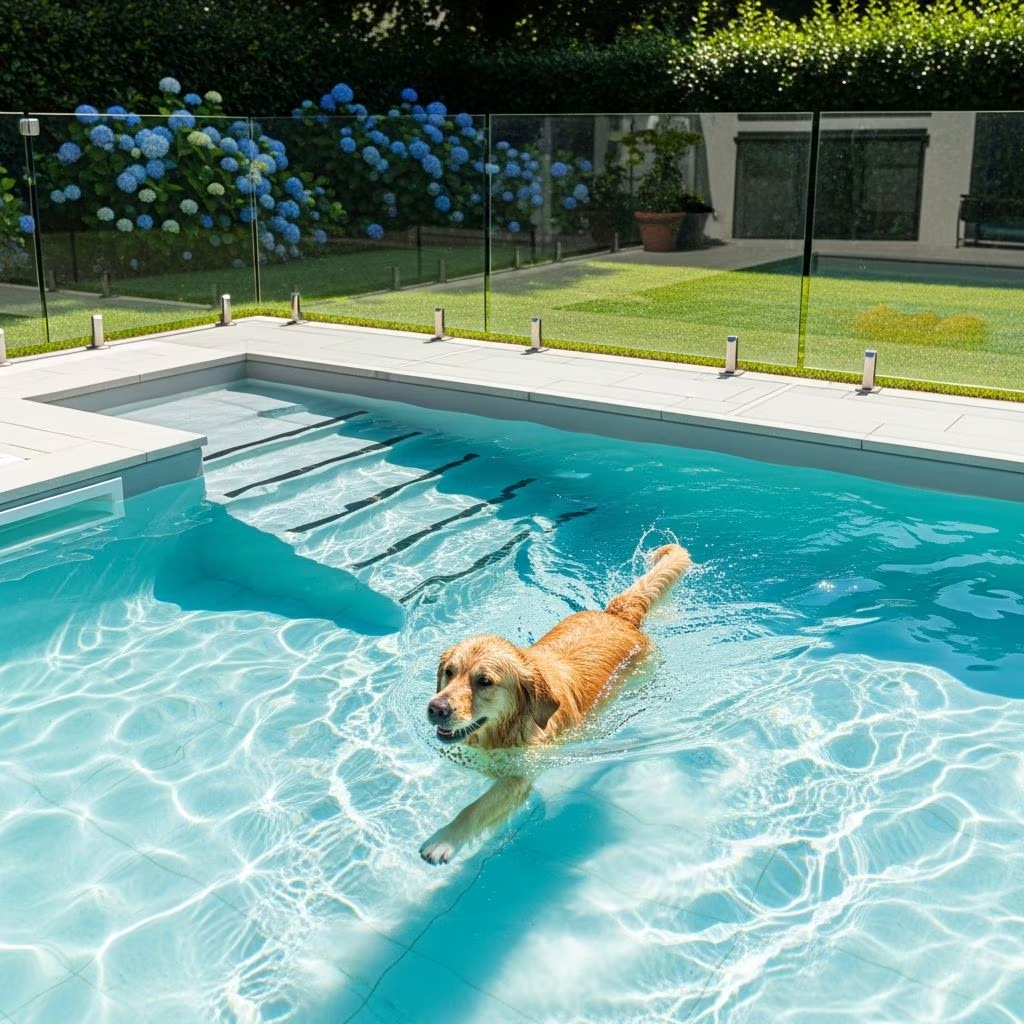
Dog Swimming Pool Safety: 8 Essential Tips for a Safe Summer
Swimming can be a wonderful activity for dogs on hot summer days, providing exercise, mental stimulation, and fun bonding time with their owners. However, not all dogs are natural swimmers, and pools present unique risks that pet owners must carefully manage. Whether your dog is a water enthusiast or cautiously curious, understanding proper pool safety measures is essential to prevent accidents and keep your furry friend healthy. This comprehensive guide covers eight critical safety tips that every dog owner with a pool should know and implement.
1. Use a Pool Fence
The first and most fundamental step in pool safety is installing a secure physical barrier around your pool area. A properly installed pool fence prevents your dog from accessing the pool without your supervision and can literally be lifesaving. According to veterinary professionals, a secure pool fence that prevents your dog from entering the pool area on their own should be one of your first investments if you own a dog and a pool.
If a complete fence installation isn’t possible for your situation, never leave your dog outside unattended near the pool area. For additional protection, consider installing a pool alarm system that detects unwanted access to the pool or pool area and alerts you immediately. You might also explore using a solid safety pool cover, though it’s important to distinguish between solid covers and soft covers—only solid covers provide adequate protection.
2. Introduce Your Dog to the Pool With Caution
First experiences with water are crucial in determining whether your dog will be comfortable swimming. Some dogs naturally gravitate toward water, while others may be nervous or completely disinterested. The key is to observe your dog’s reaction carefully during their initial introduction to the pool.
Watch for signs of hesitation, fear, or refusal to enter the water. If your dog refuses to go in or even near the pool, that’s a clear signal that swimming may not be for them, and you should respect that boundary. Never force a dog into the water or, worse, toss them in as a means of getting them comfortable. Such actions can cause physical injury, lead to water entering their airways, create psychological trauma around water, and potentially result in panic or drowning.
Instead, use a gradual approach. Start your dog on the pool steps or in a shallow kiddie pool first. Let them explore at their own pace with your encouragement and positive reinforcement. Once they show comfort in shallow water, you can gradually introduce them to deeper areas. This measured approach builds confidence and ensures a positive relationship with water.
3. Teach Your Dog to Get In and Out of the Pool
One of the most critical and often overlooked aspects of pool safety is teaching your dog how to safely exit the pool. Many dogs, even those who are comfortable swimmers, struggle to get out of a pool without assistance. This inability to exit can lead to panic, exhaustion, and tragically, drowning. A phenomenon known as the “doggie death grip” can occur when dogs enter a pool, cannot find the exit, become frightened, and swim frantically to the nearest edge without locating the proper exit point.
To prevent this dangerous situation, prioritize teaching your dog the location of pool stairs and how to use them. Stairs are considerably better than pool ladders, which are extremely difficult for dogs to navigate with their paws and body structure. Start by repeatedly walking your dog in and out of the pool at the steps while using a leash for control. Say a command like “steps” each time you practice, creating a verbal association with the exit. Keep these training sessions short—no more than ten minutes—and stay by the side of the pool initially.
As an alternative or supplement to steps, consider purchasing a dog pool ramp, which provides an inclined surface that dogs find easier to navigate than vertical ladders. Whether using steps or a ramp, gradually increase the distance from the exit and practice having your dog swim toward it from various positions in the pool. The goal is to ensure your dog can locate and use the exit regardless of where they are in the water.
4. Invest in a Dog Life Jacket
Dog-specific life jackets are not just fashion accessories—they’re important safety equipment that can save your dog’s life. Even if your dog is a strong swimmer, a life jacket provides additional buoyancy and peace of mind, especially during the learning phase or for dogs who are less confident swimmers.
A well-fitted canine life jacket helps dogs stay afloat more easily, reduces fatigue during swimming, and makes it easier for you to grab your dog if needed. Look for jackets specifically designed for dogs with properly fitted straps, buoyant material throughout, and an easy-to-use design. Ensure the jacket fits snugly without restricting movement, and always supervise your dog while they’re wearing it.
5. Supervise Your Dog While Swimming
Constant, attentive supervision is the most fundamental rule of dog pool safety. Even if your dog appears to be a capable swimmer, never leave them unattended in or around the pool. Strong swimmers can still become fatigued and drown, and dogs aren’t always reliable judges of their own physical limits and capabilities.
Watch for signs of distress such as excessive panting, difficulty staying afloat, disorientation, or panic. If your dog’s abdomen appears distended, they seem uncomfortable, or they attempt to vomit without producing anything, seek veterinary care immediately, as these can be signs of bloat, a serious and potentially life-threatening condition. Additionally, pay attention to signs of overheating, including excessive drooling, lethargy, or uncoordinated movements, especially on hot days.
Supervising also means limiting swimming sessions, especially for puppies and senior dogs who tire more quickly. Puppies are particularly vulnerable because their energy and clumsiness make them prone to falling in, and they exhaust rapidly. Flat-faced breeds like Bulldogs and Pugs require even more careful monitoring, as their body structure causes them to tire quickly and puts them at increased risk of sinking.
6. Prevent Your Dog From Drinking Pool Water
One often underestimated danger of pool exposure is the temptation for dogs to drink pool water. Chlorinated pool water, salt water from certain pools, and stagnant water can all cause significant health problems for your dog. Pool water contains chlorine and other chemical disinfectants that can cause gastrointestinal upset, vomiting, diarrhea, and potentially more severe digestive issues.
Additionally, natural water sources like lakes and rivers can contain bacteria, algae, parasites, and other contaminants that make dogs sick. To prevent your dog from drinking pool water, always provide fresh, clean drinking water in a bowl near the pool area. Encourage regular breaks from swimming so your dog can drink clean water and rest in the shade. Dehydration is a real concern when dogs are active in the sun and water, so proactive hydration is essential.
7. Rinse Your Dog After Swimming and Dry Their Ears
Post-swimming care is just as important as the precautions taken before and during swimming. After your dog exits the pool, give them a thorough rinse with fresh water to remove chlorine, salt, and other pool chemicals that can irritate their skin and coat. This simple step helps prevent skin irritation, maintains coat health, and removes any residual chemicals that might cause discomfort or allergic reactions.
Pay special attention to your dog’s ears, which are particularly susceptible to infection when exposed to pool water. Gently dry your dog’s ears with a soft towel after swimming, and consider consulting your veterinarian about ear cleaning solutions designed to prevent infections. Water trapped in the ear canal creates an ideal environment for bacterial and yeast growth, so thorough drying is crucial. If your dog swims frequently, your vet may recommend preventive ear treatments to reduce infection risk.
Additionally, monitor your dog’s skin during and after swimming, especially if they spend extended time in chlorinated water. Check their skin every hour during active swimming sessions for any signs of irritation or excessive dryness.
8. Maintain Your Pool
Pool maintenance becomes more critical when dogs have access to your swimming area. Dog hair, dirt, and debris can clog your filtration system, reducing its efficiency and potentially leading to water quality issues. Clean your pool filter more frequently than you would if only humans used it, and regularly check for and remove dog hair and toys that end up in the water.
Pay careful attention to chlorine levels, ensuring they remain within safe ranges for both human and canine swimmers. While chlorine is necessary for water sanitation, excessive levels can irritate your dog’s skin and eyes. Additionally, trim your dog’s nails regularly if your pool has a vinyl liner, as sharp nails can damage the lining material. Schedule more frequent maintenance checks during peak swimming season to keep your pool in optimal condition.
Important Breed Considerations
Not all dog breeds are equally suited for swimming. Flat-faced breeds, including Bulldogs, Pugs, Boxers, and French Bulldogs, have structural limitations that make swimming dangerous. Their flat faces and large chests cause them to tire quickly and are prone to sinking, requiring even more intensive supervision and possibly making swimming inadvisable for these breeds. If you own one of these breeds, consult your veterinarian before allowing pool access, and consider whether swimming is truly appropriate for your individual dog.
Additional Safety Measures
Learn Pet CPR: Taking a pet CPR and first aid course is an excellent investment in your dog’s safety. In case of emergency, knowing how to perform CPR on your dog could mean the difference between life and death.
Recognize Heat Stress: Dogs can overheat quickly, especially when playing in the sun near water. Watch for signs of heatstroke including excessive panting, drooling, lethargy, or lack of coordination. Provide shade, limit sun exposure during peak hours, and ensure constant access to fresh water.
Train Proper Pool Etiquette: Teach your dog to use designated entry and exit points like steps or ramps. This prevents pool damage, establishes clear boundaries, and ensures your dog knows how to exit safely.
Frequently Asked Questions (FAQs)
Q: Are all dogs natural swimmers?
A: No, not all dogs are natural swimmers. While many dogs have an instinctive ability to paddle, breeds with flat faces, heavy builds, or short legs often struggle in water. Always assess your individual dog’s swimming ability and never assume they can swim safely.
Q: What should I do if my dog refuses to enter the pool?
A: Respect your dog’s preference. If they refuse to go in or near the pool, forcing them can cause injury and psychological trauma. Swimming is not necessary for every dog, and some dogs are simply not comfortable in water. Focus on other forms of exercise and enrichment.
Q: How often can my dog swim?
A: Dogs can swim multiple times per week, but sessions should be limited to prevent exhaustion and overexposure to chlorine. Start with shorter sessions and gradually increase duration as your dog builds strength and endurance. Always allow adequate rest between swimming sessions.
Q: Should I use a life jacket for my experienced swimmer?
A: Even experienced swimmers benefit from life jackets, particularly during training or on days when your dog might be fatigued. Life jackets provide additional safety and peace of mind for owners.
Q: What are signs that my dog is in distress in the water?
A: Watch for excessive panting, difficulty staying afloat, disorientation, panic, lethargy, or any attempt to vomit. If you notice any of these signs, remove your dog from the water immediately and consult a veterinarian if symptoms persist.
Q: Can puppies swim in pools?
A: Puppies should be introduced to water gradually and with extreme caution. They tire very quickly and can easily fall into pools due to their clumsiness. Always use a life jacket for puppies and limit exposure until they develop strength and coordination.
References
- Dogs in Swimming Pools: 8 Safety Tips — Chewy. 2024. https://www.chewy.com/education/dog/health-and-wellness/dog-swimming-pool-safety-tips
- Dog Pool Safety Tips for This Summer — Camp Bow Wow. May 2024. https://www.campbowwow.com/blogs/2024/may/dog-pool-safety-tips-for-this-summer/
- Dogs, Swimming and Pool Safety — SCGR Rescue. https://scgrrescue.org/dogs-swimming-and-pool-safety/
- Dog Water Safety — VCA Animal Hospitals. https://vcahospitals.com/shop/home/articles/the-dos-and-don-ts-of-dog-water-safety
- Dog Water Safety | Protect Your Pet at the Beach, Lake, and Pool — Virginia Beach SPCA. https://vbspca.com/dog-water-safety/
- Water Safety Tips for Your Dog This Summer — Animal Humane Society. https://www.animalhumanesociety.org/resource/water-safety-tips-your-dog-summer



