

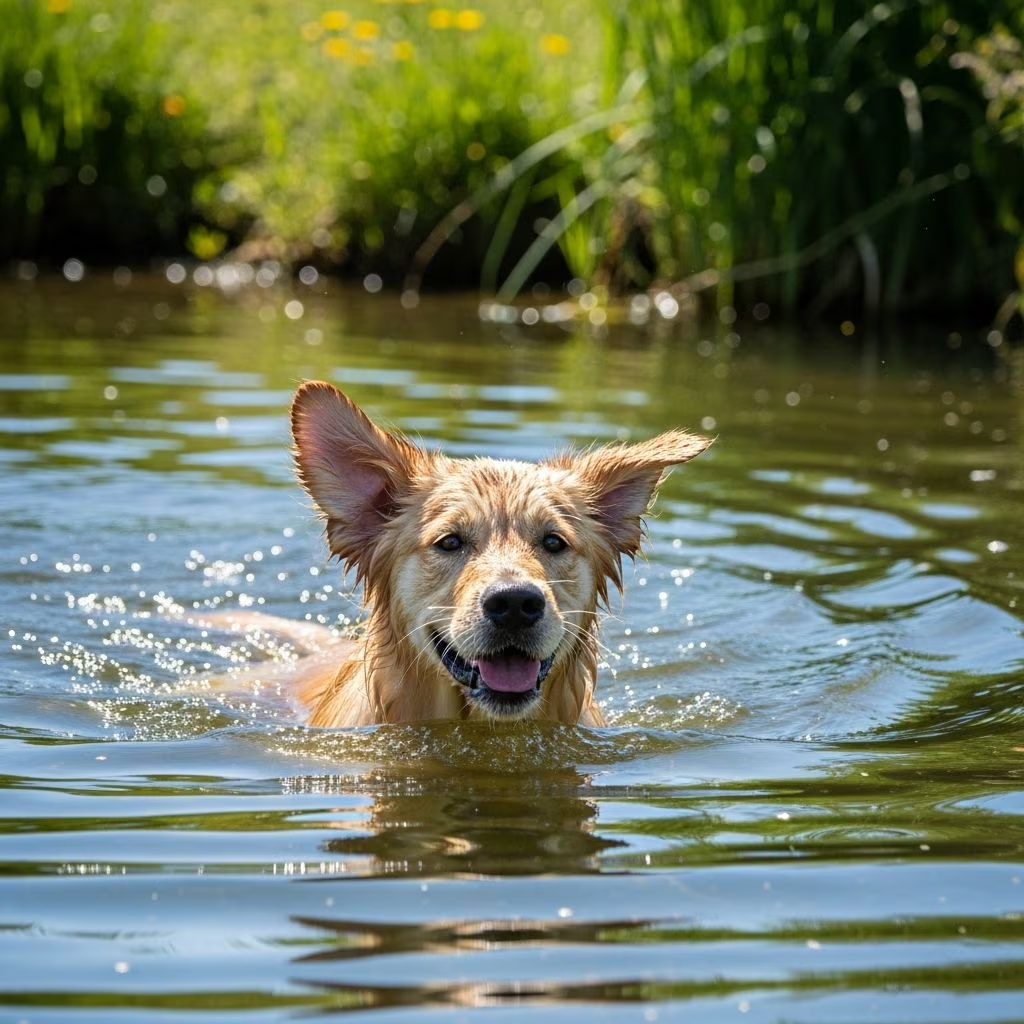
Dog Swimming 101: The Complete Guide to Water Safety and Training
Swimming can be an excellent form of exercise and recreation for dogs, offering physical fitness, mental stimulation, and bonding opportunities with their owners. However, not all dogs are natural swimmers, and water activities come with specific safety considerations that every dog owner should understand. This comprehensive guide covers everything you need to know about introducing your dog to water, teaching them to swim safely, and maintaining proper water safety protocols across different aquatic environments.
Understanding Your Dog’s Swimming Ability
One of the most important things to recognize is that not all dogs can swim naturally. Despite the common phrase “doggy paddle,” certain breeds have significant challenges when it comes to water activities. Dogs with short snouts and broad, compact bodies, such as American Bulldogs, Pugs, French Bulldogs, and other brachycephalic breeds, are not always natural swimmers and may require specialized swimming lessons or should avoid deep water entirely. These breeds tire more quickly while swimming and face an increased danger of sinking due to their physical structure.
Additionally, puppies require special attention around water. Puppies are clumsy and energetic, which makes it easy for them to accidentally fall into pools or other bodies of water. They also tire very quickly, sometimes faster than their bodies can physically handle, putting them at increased risk of exhaustion and drowning. Understanding your individual dog’s breed characteristics, age, and physical capabilities is the foundation of safe water activities.
Introducing Your Dog to Water
The key to successful dog swimming is proper introduction and gradual acclimatization. Never force your dog into the water, as this can create lasting fear and anxiety around water. Take a slow, patient approach that allows your dog to build confidence at their own pace.
Progressive Water Introduction
Start by tossing toys or treats into shallow water to encourage your dog to wade in gradually. Use a series of progressively more challenging steps: begin with ankle-deep water, then knee-deep, and eventually deeper areas. This method helps your dog feel comfortable and in control of their water exploration. When your dog starts paddling with their front paws, lift their hind end to help them understand proper floating technique and body position.
Keep Your Dog Close During Initial Training
When your pet first learns to swim, keep them on a leash so they cannot stray too far from you. This safety measure prevents panic situations and allows you to provide immediate support if needed. Additionally, teaching your dog the exit route is critical. Refresh your dog’s memory about the quickest way to exit, whether that’s stairs, a ramp, or shallow shore. In pools, there should be multiple exit points, and your dog should be familiar with finding them.
Essential Swimming Safety Equipment
Investing in proper equipment significantly improves swimming safety for your canine companion.
Life Jackets and Flotation Devices
A properly fitted dog life jacket with a handgrip is one of the most important safety investments you can make. Life vests serve multiple purposes: they keep your dog afloat while learning to swim, support them if they get tired, help you maintain control, and can be lifesaving in emergency situations. A quality life jacket should be appropriately sized for your dog’s weight and breed, and the handgrip allows you to quickly assist or retrieve your dog if needed.
Pool Accessories
For pool owners, installing pet-friendly pool ladders, ramps, or stairs is essential. Dogs may panic if they cannot find a way out of the pool, so these exit points should be clearly visible and accessible. Training your dog how to safely use these exit routes should be part of your swimming preparation process.
Pool-Specific Safety Considerations
Pools present unique safety challenges that require specific precautions beyond basic water safety.
Chemical Safety and Water Quality
Chlorine and other pool chemicals can be harmful to dogs. It is recommended NOT to let chlorine levels exceed 5.0 mg/l, as higher concentrations can adversely affect dogs. Additionally, maintain proper pH levels to ensure the water is safe for canine swimmers.
To prevent chemical toxicity:
- Provide plenty of fresh water away from the pool so your dog drinks water instead of pool water
- Supervise to ensure they are not drinking pool water
- Keep all pool chemicals in chew-proof containers in a locked and secure location
- Keep dogs secured and away from open chemical containers during pool maintenance
Water Intoxication Prevention
Dogs can develop water intoxication if they drink excessive amounts of pool water or fresh water during swimming. Frequent potty breaks are a good indicator of potential water intoxication and can help you recognize when your dog needs a break from swimming. If you suspect your dog has water intoxication, salt poisoning, or poisoning from pool chemicals, seek medical care immediately.
Post-Swimming Care
After each swimming session, rinse your dog off with fresh, cool water and rinse their eyes with a sterile saline eyewash. This removes chlorine and other chemicals that can irritate their skin and eyes. Consider applying a leave-in coat conditioner containing sunscreen before swimming to provide additional protection.
Beach and Saltwater Swimming Safety
Beach environments present different hazards than pools, requiring specific precautions.
Sand and Shore Hazards
Before allowing your dog to play on a beach, test the sand with your hand or foot. If the sand feels uncomfortably hot to you, it will likely burn your dog’s paws. Additionally, carefully scan the beach for potential hazards including broken shells, sharp glass, rocks, and fishing hooks that could injure your pet.
Saltwater Considerations
Salt water can irritate your dog’s skin and eyes. After beach swimming, rinse your dog thoroughly or give them a complete bath. This removes salt and sand that can cause skin irritation and discomfort. Be especially careful if your dog licks the salt water, as excessive salt ingestion can cause gastrointestinal upset.
Freshwater and Natural Water Bodies
Swimming in ponds, creeks, lakes, and rivers requires additional safety measures due to potential contamination and hazardous conditions.
Water Quality and Parasite Prevention
Do NOT let your dog drink from ponds or creeks, even though they might instinctively do this. Slow-moving or stagnant water provides an ideal breeding ground for parasites like Giardia and harmful bacteria that can cause serious gastrointestinal illness. Your dog should always have access to fresh drinking water during and after swimming sessions.
Vaccination and Disease Prevention
Make sure your dog’s leptospirosis vaccination is up to date before swimming in outdoor bodies of water. Leptospirosis is a potentially serious bacterial infection that can be contracted through contaminated water. Additionally, avoid letting dogs swim if they have cuts or abrasions on their skin, as this significantly increases the infection risk.
Current and Water Conditions
Before allowing your dog to swim in rivers or oceans, check the water temperature and assess the current conditions. Check the water temperature to ensure it isn’t too cold; if the water is too cold for you, it’s probably too cold for your pet. Pets can develop hypothermia just like humans. Always make sure your pup stays close to shore so you can react quickly if they get into trouble.
General Swimming Safety Guidelines
Constant Supervision
Always supervise your dog at all times when they are around water. Even strong swimmers can get tired, trapped, or disoriented. Strong currents or inability to find a way out of the water can turn a routine swim into an emergency situation. Supervise to ensure they are not drinking pool water or contaminated water sources.
Hydration During Swimming
Though your dog is surrounded by water during swimming, this activity can be surprisingly dehydrating, especially on hot summer days. Bring fresh water for your dog and offer them some water every 15 to 20 minutes. This helps prevent dehydration and overheating in dogs. Have fresh water available and encourage them to drink whenever possible, as dogs can still overheat when swimming.
Timing Relative to Meals
Don’t let your dog swim right after eating. Wait at least 1 hour after your dog’s last meal before allowing them to swim. Swimming on a full stomach can lead to bloating or discomfort in dogs and increases the risk of gastric dilatation-volvulus (bloat), a serious and potentially fatal condition.
Wound Management
Don’t let your dog swim if they have cuts or wounds. Any breaks in the skin are vulnerable to infection from bacteria in dog-friendly pools, beaches, and other bodies of water. Open cuts or wounds also put a dog at risk of contracting canine leptospirosis, especially in outdoor swimming areas. Let any cuts or abrasions fully heal completely before allowing swim time, and ask your veterinarian about leptospirosis vaccination for added protection.
Preventing and Managing Ear Infections
One of the most common post-swimming issues in dogs is ear infections. After swimming, be sure to dry your pup’s ears thoroughly and carefully with a cotton ball. Since most dogs have ear canals that point straight down, it is easy for water and bacteria to get trapped, causing painful ear infections.
Common symptoms of ear infections include:
- Excessive ear scratching or rubbing against floor or furniture
- Redness and swelling
- Odor or discharge coming from the ear canal
- Unbalanced movement
- Hearing loss
Proper ear drying after every swimming session is the best prevention strategy.
Pool Access and Prevention
Creating Physical Barriers
For pool owners, enclose your pool with a fence so your pet cannot fall in or jump in on their own. Just as you would keep unsupervised children a safe distance from water with a gate or fence, the same applies to your canine companion. Limit access to bodies of water and use physical barriers whenever possible.
Advanced Prevention Systems
Additional preventative measures include:
- Installing a pool alarm system that will alert you to unexpected motion in the pool
- Placing motion sensors around the pool area
- Installing a solid pool cover that can bear some weight in an emergency
Training Recall Commands
If a physical barrier isn’t possible, make sure your dog knows how to come when called in case they get too close to a body of water they shouldn’t be near. A reliable recall command can be lifesaving.
Emergency Response: Saving a Drowning Dog
Understanding how to respond to a drowning situation could save your dog’s life. If you find your dog unresponsive in water, stay calm and take immediate action.
Clear the Airway
For small dogs and puppies, hold them upside down so water can drain from the lungs. For large dogs, lay them on their side and elevate the body above the head so water can run out the mouth and nose. Clear any visible debris from the mouth and airway before attempting CPR.
Seek Immediate Veterinary Care
After performing emergency airway clearing, transport your dog to an emergency veterinary clinic immediately, even if they appear to be recovering. Secondary drowning and water aspiration complications can develop hours after the initial incident.
Special Considerations for Different Activities
Boating Safety
If you’re taking your dog boating, ensure they wear a life vest at all times during the day. At night, keep your canine companion securely in an inside room on the boat, as it may be too dark to locate them should they jump or fall overboard.
Avoiding Hazardous Conditions
Before allowing your dog to swim, look for any flags or postings related to potential swimming hazards. Check water conditions, current strength, and tide information before allowing your dog into the water.
Frequently Asked Questions
Q: At what age can puppies start swimming?
A: Puppies can begin water exposure around 8-12 weeks of age, starting with very shallow water and gradual acclimatization. Always use a life jacket and supervise closely, as puppies tire quickly and have limited swimming ability.
Q: What should I do if my dog is afraid of water?
A: Never force your dog into water if they’re hesitant or afraid. Take a very gradual approach with positive reinforcement, using treats and toys to build confidence. Some dogs may never feel comfortable in water, and that’s acceptable.
Q: How often should my dog swim?
A: Swimming frequency depends on your dog’s age, health, and conditioning. Most healthy adult dogs can swim 2-3 times per week. Always allow proper rest between sessions and monitor for signs of fatigue.
Q: Can all dog breeds swim?
A: No. Breeds with short snouts and compact bodies like Bulldogs and Pugs struggle with swimming and should be carefully monitored or use life jackets. Breeds with long bodies like Dachshunds may also have difficulty.
Q: What is water intoxication in dogs?
A: Water intoxication occurs when dogs drink excessive amounts of water, diluting electrolytes and causing sodium levels to drop dangerously. Symptoms include lethargy, vomiting, and seizures. Offer frequent potty breaks and fresh water away from swimming areas.
Q: Should I rinse my dog after swimming?
A: Yes, rinse your dog thoroughly after every swimming session with fresh water to remove chlorine, salt, and bacteria that can irritate skin and cause infections.
References
- Dog Swimming Safety Tips: Pools, Dog Beaches, & More — Sploot Vets. 2024. https://www.splootvets.com/post/dog-swimming-safety-tips-pools-dog-beaches-lakes-more
- Swimming Pool Safety for Dogs — Zoetis Petcare. 2024. https://www.zoetispetcare.com/blog/article/swimming-pool-safety-dogs
- 5 Tips for Dog Swimming Safety — Animal Rescue League of Boston. 2024. https://www.arlboston.org/dog-swimming-safety-5-tips/
- Pet Water Safety: Staying Safe at the Pool, Beach, or Lake — MedVet. 2024. https://www.medvet.com/pet-water-safety/
- Dog Water Safety: Protect Your Pet at the Beach, Lake, and Pool — Virginia Beach SPCA. 2024. https://vbspca.com/dog-water-safety/
- Water Safety Tips for Dogs — VCA Animal Hospitals. 2024. https://vcahospitals.com/shop/home/articles/the-dos-and-don-ts-of-dog-water-safety
- 7 Pool Safety Tips for Dogs — PetMD. 2024. https://www.petmd.com/dog/general-health/pool-safety-tips-for-dogs



