

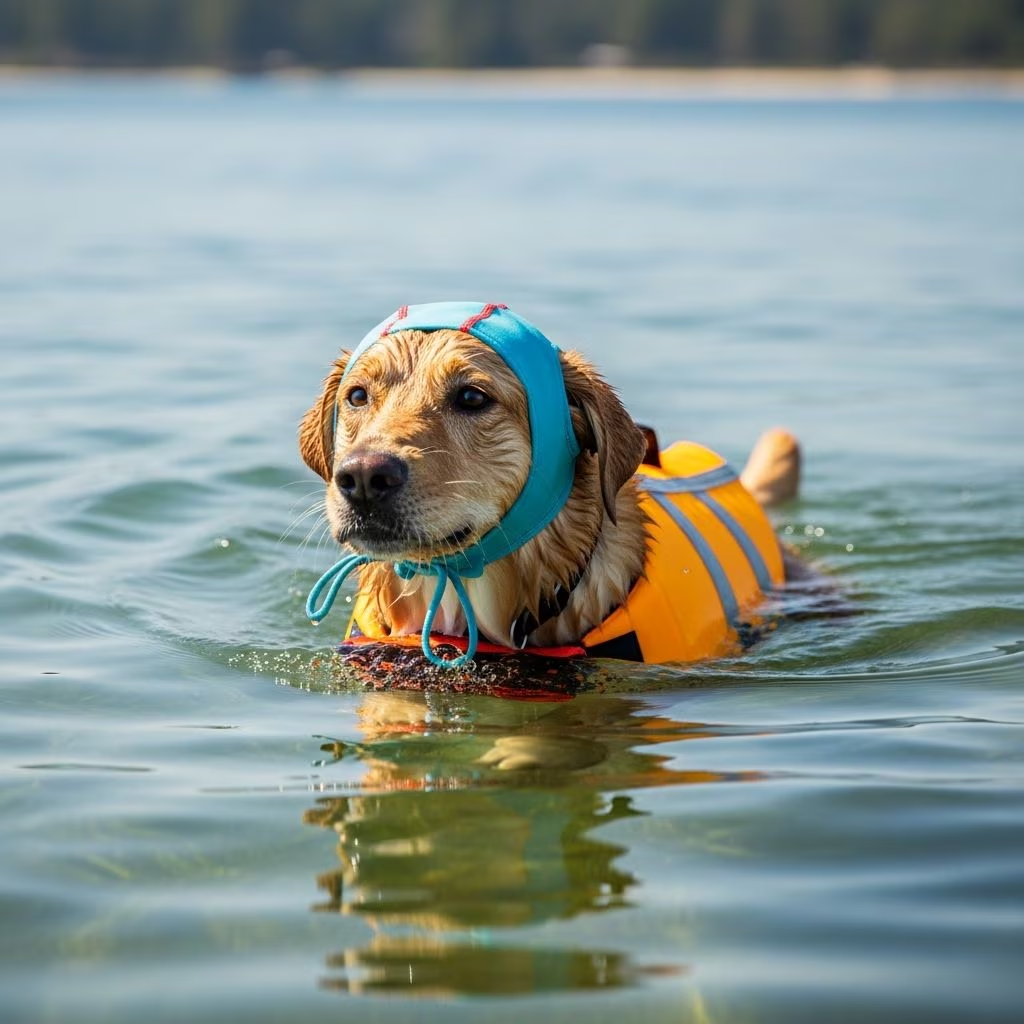
Dogs love splashing around in pools, lakes, and oceans, but water activities come with risks like ear infections, exhaustion, and drowning. Specialized gear such as swim caps offers targeted protection, especially for preventing water from entering sensitive ear canals during swims. Combining swim caps with life vests, ramps, and vigilant supervision creates a secure environment for aquatic play.
Why Dogs Need Specialized Water Protection
Not every dog is a natural swimmer. Breeds with short snouts, stocky builds, or heavy heads—like Bulldogs, Pugs, and Corgis—struggle to stay afloat and tire quickly, increasing drowning risks. Even strong swimmers can face hazards from currents, chemicals, or fatigue. Swim caps address a common post-swim issue: ear infections caused by trapped moisture and bacteria in downward-pointing ear canals. These infections lead to pain, scratching, odor, and balance problems if untreated.
Water safety extends beyond natural ability. Chlorinated pool water irritates skin and paws, while saltwater causes dehydration if ingested. Fresh water sources nearby prevent dogs from drinking contaminated pool or ocean water, which can upset stomachs or transmit diseases like leptospirosis. Always consult a vet before water activities, especially for puppies, seniors, or dogs with health concerns.
The Role of Canine Swim Caps in Ear Health
Swim caps for dogs are snug-fitting head covers made from waterproof silicone or neoprene, designed to seal ears while allowing comfortable wear. They prevent water ingress during vigorous paddling, reducing the moist environment where bacteria thrive. Unlike basic drying with cotton balls, caps provide proactive barrier protection, ideal for frequent swimmers.
- Material Durability: Silicone caps resist tearing and mold, with adjustable straps for a custom fit across breeds.
- Comfort Features: Soft linings prevent chafing, and ventilation holes maintain airflow without compromising seals.
- Size Variety: Available from extra-small for toy breeds to extra-large for giants, ensuring no slippage during play.
For dogs prone to ear issues, such as those with floppy ears or allergies, swim caps are a game-changer. Post-swim routines still matter: gently dry visible areas and monitor for redness or discharge. Vets recommend combining caps with ear-cleaning solutions for optimal hygiene.
Essential Gear Beyond Swim Caps
A complete water safety kit includes more than headgear. Life vests provide buoyancy for non-swimmers, puppies, and seniors, featuring multiple handles for easy rescue and bright colors for visibility. Pool ramps or steps with non-slip surfaces enable independent entry and exit, crucial for preventing slips or panic.
| Gear Type | Best For | Key Benefits |
|---|---|---|
| Swim Caps | Ear protection | Blocks water, prevents infections |
| Life Vests | Buoyancy support | Keeps head above water, easy rescue |
| Ramps/Steps | Access safety | Prevents exhaustion from climbing |
| Fence/Gates | Unsupervised prevention | Blocks unauthorized access |
Fencing pools with secure gates limits unsupervised access, mimicking childproofing. For open water, check currents, temperatures, and hazards like sharp shells or debris before entry.
Training Dogs for Safe Swimming Sessions
Introduce water gradually in controlled settings like shallow pool ends. Start with positive reinforcement: toys, treats, and short dips build confidence without force. Teach exit points repeatedly—use ramps consistently so dogs learn the path out instinctively.
- Begin in calm, shallow water where paws touch bottom.
- Use life vests from session one for security.
- Take frequent breaks to monitor fatigue; swimming tires dogs faster than walking.
- Practice recall commands near water for quick response.
Breeds like retrievers adapt quickly, but brachycephalic dogs may never enjoy swimming—respect their limits. Puppies and seniors need extra caution due to coordination and stamina issues.
Health Checks and Precautions Before Swimming
Pre-swim vet visits confirm fitness: update leptospirosis vaccines for contaminated water risks and assess joint health for older dogs. Avoid swimming in dangerously cold water, which causes hypothermia, or rough conditions with waves or riptides.
Post-swim care prevents issues: rinse off chlorine or salt to soothe skin, dry ears thoroughly (with or without caps), and provide fresh water. Watch paws for irritation from chemicals or rough surfaces—moisturizers help if dryness occurs.
Breed-Specific Water Safety Guidelines
Different breeds have unique needs:
- Brachycephalic Breeds (Pugs, Bulldogs): Mandatory life vests; limit swim time; avoid deep water.
- Water-Loving Breeds (Labs, Goldens): Swim caps for ear protection; ramps for heavy bodies.
- Small/Toy Breeds: Life vests essential; gentle introductions only.
- Seniors/Puppies: Short sessions, constant supervision, warm water preferred.
Boating adds layers: life vests always, nighttime confinement indoors to avoid falls.
Common Water Hazards and How to Mitigate Them
Beyond gear, environmental dangers lurk. Pool chemicals cause mild GI upset if drunk excessively, but prevention via fresh water works best. Saltwater ingestion leads to severe dehydration—carry portable bowls. Aquatic hazards like jellyfish, sharp rocks, or pollutants require site scouting.
Overheating persists in water; shaded breaks and hydration are vital. Fatigue sneaks up—even pros need rest. Signs include heavy panting, lagging, or disinterest—pull them out immediately.
FAQs: Dog Swimming Safety Essentials
Q: Are swim caps comfortable for all-day wear?
A: No, they’re for swim sessions only; remove post-swim to avoid overheating.
Q: Can all dogs learn to swim?
A: Many can with training, but some breeds aren’t suited—use vests regardless.
Q: How often should I clean a swim cap?
A: Rinse after each use; air dry and sanitize weekly with mild soap.
Q: What’s the best life vest for my active dog?
A: Choose adjustable, handle-equipped models rated for their size and activity level.
Q: Is pool water safe for dogs long-term?
A: Yes with rinsing and ear care; limit exposure to prevent dryness.
Creating a Year-Round Water Safety Routine
Incorporate gear checks into playtime: inspect vests for wear, fit caps properly, and test ramps seasonally. Seasonal shifts matter—summer heat demands hydration focus, while cooler months require warmer water checks. Track your dog’s reactions over sessions to refine approaches, ensuring water fun remains stress-free.
Community pools or dog beaches amplify joy but risks; follow posted rules and pack a safety kit: vest, cap, towel, fresh water, and first-aid for paws. Educate family on protocols for collective vigilance.
Ultimately, preparation turns potential pitfalls into pure enjoyment. With swim caps shielding ears, vests supporting bodies, and smart habits guiding play, dogs thrive in water worlds safely.
References
- The Dos and Don’ts of Dog Water Safety — VCA Animal Hospitals. Accessed 2026. https://vcahospitals.com/resources/lifestyle-dog/hazards-safety/the-dos-and-don-ts-of-dog-water-safety
- Splish Splash! Pool Safety Tips for Dogs — Gause Boulevard Veterinary Hospital. 2025-07-01. https://gauseblvdvet.com/2025/07/01/splish-splash-pool-safety-tips-for-dogs/
- Pool Safety Tips for Dogs — PetMD. Accessed 2026. https://www.petmd.com/dog/general-health/pool-safety-tips-for-dogs
- Dog Swimming Safety Tips — Coronado Veterinary Hospital (NadoVet). Accessed 2026. https://nadovet.com/blog/dog-swimming/
- 5 Tips for Dog Swimming Safety — Animal Rescue League of Boston. Accessed 2026. https://www.arlboston.org/dog-swimming-safety-5-tips/



