

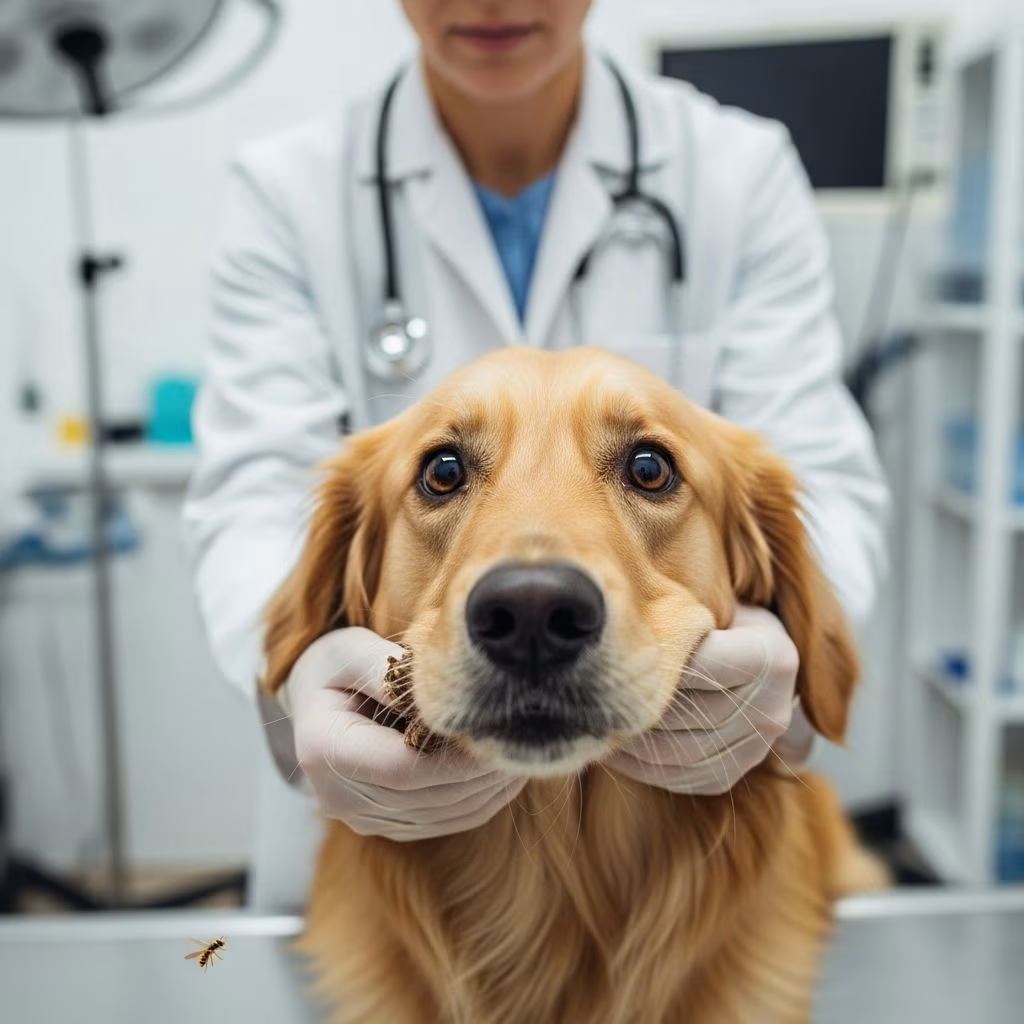
Discovering that your dog has eaten a wasp can trigger immediate concern. Unlike intentionally swatting at a flying insect, ingestion presents a different set of circumstances that warrant careful monitoring and understanding. The venom delivery system changes when a wasp is swallowed rather than stinging external skin, and knowing how to respond can make a significant difference in your pet’s wellbeing.
Understanding What Happens When Dogs Ingest Wasps
When a dog swallows a wasp, the insect may sting the mouth, throat, or tongue during the swallowing process. The venom from a wasp contains a complex mixture of toxins capable of causing tissue damage and triggering immune system responses in sensitive animals. Some dogs may not show immediate symptoms, while others could exhibit signs within minutes or even hours after the incident.
The specific area where the sting occurs influences the severity of potential complications. Stings inside the mouth or throat present greater concern than external skin stings because swelling in these sensitive areas can affect breathing or swallowing. However, it’s important to note that most dogs who consume wasps experience only mild reactions that resolve without veterinary intervention.
If your dog has swallowed the wasp without being stung, the risk of serious complications significantly decreases. The digestive system can typically process the insect without incident, though mild gastrointestinal upset may occasionally occur.
Recognizing Initial Signs and Behavioral Changes
Your dog may display distinctive behaviors immediately after swallowing a wasp. These behavioral cues often appear before other physical symptoms become evident. Recognizing these early indicators helps you determine the appropriate level of response.
Common behavioral responses include:
- Frantically pawing at the mouth or face
- Excessive drooling or lip smacking
- Shaking the head rapidly or repeatedly
- Whining, yelping, or vocalizing discomfort
- Retching or gagging motions
- Restlessness and agitation
- Reluctance to eat or drink
These responses typically occur when a wasp has stung your dog’s mouth as it was being swallowed. You may observe your dog attempting to remove the sensation from their mouth through repeated licking, chewing, or pawing. Some dogs become noticeably anxious or agitated due to the discomfort or unfamiliar sensation in their mouth.
Physical Symptoms and Their Progression
Beyond behavioral changes, physical symptoms provide clear indicators of your dog’s reaction to the wasp sting. Understanding the difference between mild, moderate, and severe reactions helps guide your decision about seeking professional help.
Mild Physical Reactions
Dogs experiencing mild reactions typically show localized symptoms that don’t significantly impact their overall health. These include slight swelling at the sting site, minor discomfort, and localized itching. Your dog may lick or chew at a paw if stung there, but maintains relatively normal behavior otherwise. These mild reactions often resolve within one to two days without intervention.
Moderate Physical Responses
Moderate reactions involve more noticeable swelling and discomfort but don’t constitute an emergency. These symptoms include facial swelling, particularly around the muzzle, lips, and ears, hives or lumpy skin texture appearing on various body areas, and increased itching across larger areas. Your dog may rub their face frantically against furniture, carpet, or their own body. They might shake their head repeatedly or obsessively lick and scratch at affected areas.
With moderate reactions, your dog typically remains conscious and alert, though noticeably uncomfortable. These symptoms warrant close monitoring and contact with your veterinarian for guidance, though they don’t necessarily require immediate emergency care.
Severe Allergic and Anaphylactic Responses
Severe reactions demand immediate veterinary attention. These include difficulty breathing or wheezing, swelling of the throat or neck, excessive drooling accompanied by vomiting, pale or white gums, collapse or loss of consciousness, disorientation or confusion, seizures, and extreme weakness or lethargy.
Anaphylactic shock, while rare in dogs, represents the most serious response to wasp venom. This severe allergic reaction can develop within 10 minutes to several hours of the sting and requires emergency treatment immediately. Dogs experiencing anaphylaxis often vomit violently, collapse suddenly, display rapid or labored breathing, and may lose consciousness.
Timing of Symptom Development
Understanding when symptoms typically appear helps you know what to expect during the monitoring period. Most severe reactions occur within 30 to 60 minutes of the sting, though some dogs may develop symptoms hours later. Allergic reactions can appear gradually or suddenly, and delayed reactions are common.
Monitor your dog closely for at least 24 hours following the incident, as this window captures the time period when most significant reactions develop. However, mild itching and hives can appear or worsen even after initial observation periods, so continued vigilance throughout the day is important.
Immediate First Aid Measures
If you observe your dog being stung by or swallowing a wasp, several first aid steps can help minimize discomfort and swelling. These measures are appropriate for dogs showing mild to moderate reactions without signs of anaphylaxis.
Cooling the Affected Area
Cold application reduces pain and swelling associated with wasp stings. Apply an ice pack, bag of frozen vegetables, or cloth soaked in cold water to the sting site for approximately 10 minutes. This helps constrict blood vessels and numbs the area, providing relief from discomfort. If your dog was stung in the mouth, you cannot apply cold directly, but offering ice chips or cold water for them to drink may provide some soothing effect.
Neutralizing Wasp Venom
Wasp venom is alkaline in nature, unlike bee venom which is acidic. Applying vinegar to external sting sites helps neutralize the alkaline venom, potentially reducing inflammation. For bites or stings in the mouth, you cannot safely apply vinegar, so skip this step and focus on other supportive measures.
Bathing for Multiple Stings
If your dog has sustained multiple stings or significant hive development, a soothing bath using cool water and optional oatmeal can help reduce overall itching and inflammation. Avoid hot water, which can exacerbate swelling and itching.
When to Contact Your Veterinarian
Knowing when professional guidance is necessary prevents both unnecessary veterinary visits and missed emergencies. Several scenarios warrant contacting your vet, even if your dog doesn’t appear to be in immediate danger.
Contact your veterinarian promptly if:
- The sting occurred in or around the mouth, throat, or facial area
- Your dog has sustained multiple stings
- Swelling is developing or worsening after initial observation
- Hives or rashes appear and spread across the body
- Your dog shows signs of allergic reaction such as itching, hives, or mild swelling
- Behavioral changes or discomfort persist beyond a few hours
- You’re uncertain about the severity of symptoms
Emergency Situations Requiring Immediate Care
Certain symptoms indicate anaphylaxis or severe reactions requiring immediate emergency veterinary care. Do not delay seeking help if your dog displays any of these signs:
- Difficulty breathing or rapid, labored breathing
- Collapse or loss of consciousness
- Pale or whitish gums
- Severe swelling of the face, throat, or neck
- Excessive vomiting or diarrhea
- Seizures
- Extreme weakness or inability to stand
- Loss of bladder or bowel control
In these situations, contact an emergency veterinary clinic immediately. Many areas have 24-hour emergency facilities equipped to handle severe allergic reactions with appropriate medications and supportive care.
Professional Veterinary Treatment Options
When your dog requires veterinary care, your vet has several treatment options depending on the severity of the reaction. For mild allergic responses, veterinarians typically recommend antihistamines tailored to your dog’s weight. These medications help reduce itching, hives, and mild swelling.
For moderate reactions, additional medications such as corticosteroids may be prescribed to reduce inflammation and swelling. For severe anaphylactic reactions, emergency treatment includes epinephrine (adrenaline) injection, steroids, oxygen support, and intravenous fluids. Dogs experiencing anaphylaxis may require hospitalization for several days with ongoing monitoring for secondary reactions and potential organ damage.
Your veterinarian will provide specific dosing instructions for any medications and establish a follow-up plan. Never give your dog medications without explicit veterinary instruction, as some human medications can be toxic to pets.
Understanding Allergic Predisposition in Dogs
Just as some humans have severe allergies to insect stings, individual dogs vary in their susceptibility to wasp venom reactions. Some dogs may have had previous wasp encounters without issue, while others develop allergic sensitivity over time or demonstrate immediate severe reactions to their first exposure.
If your dog has experienced a severe reaction to a wasp sting previously, inform your veterinarian immediately if another incident occurs. Dogs with documented allergies require more aggressive initial treatment and closer monitoring. Your vet may recommend keeping antihistamines on hand for future incidents or prescribe an epinephrine auto-injector for dogs with life-threatening allergies.
Prevention and Long-Term Considerations
While you cannot always prevent your dog from encountering wasps outdoors, certain precautions reduce the likelihood of incidents. Supervise outdoor time closely, particularly during late summer and early fall when wasp activity peaks. Avoid areas with visible wasp nests or known insect activity.
If your dog demonstrates a tendency to snap at or attempt to catch flying insects, training to redirect this behavior reduces wasp encounters. Keeping your yard free of food debris, fallen fruit, and standing water discourages wasps from establishing territories near areas where your dog spends time.
Dogs with documented severe allergies may require additional precautions and emergency preparedness, including immediate access to veterinary care and potentially prescribed emergency medications.
Recovery and Monitoring After an Incident
Following a wasp sting or ingestion incident, your dog should be allowed quiet rest time while you monitor symptoms. Most mild reactions resolve without intervention within 24 to 48 hours. During this period, watch for any changes in behavior, development of new symptoms, or worsening of existing ones.
Prevent your dog from licking or chewing excessively at affected areas, as this can introduce secondary infection or cause further irritation. If hives or swelling persist longer than expected or worsen, contact your veterinarian even if initial symptoms seemed manageable at home.
Frequently Asked Questions
Is it dangerous if my dog swallows a wasp without being stung?
Most dogs can safely digest a wasp that was swallowed without causing a sting. Mild gastrointestinal upset may occasionally occur, but serious complications are rare in this scenario.
How long should I monitor my dog after a wasp incident?
Monitor closely for at least 24 hours, as most severe reactions occur within 30 to 60 minutes. However, continued observation throughout the day is wise, as delayed allergic reactions can develop hours after the initial incident.
Can I give my dog antihistamines at home?
Only administer antihistamines if specifically instructed and dosed by your veterinarian. Human antihistamines can sometimes be used in dogs but require proper dosing based on your dog’s weight and health status.
What is the difference between bee and wasp stings in dogs?
Bee venom is acidic while wasp venom is alkaline. This affects treatment approach, with baking soda neutralizing bee stings and vinegar addressing wasp stings. Additionally, bees typically cannot sting multiple times as their stinger remains embedded, while wasps can sting repeatedly.
Could my dog’s throat swell shut after eating a wasp?
While throat swelling is possible with severe reactions, it is not common for dogs’ airways to close completely even with facial swelling. Nonetheless, any difficulty breathing requires immediate emergency care.
References
- What to do when your dog is stung by a bee or a wasp — Vets Now. 2024. https://www.vets-now.com/pet-care-advice/dog-bee-wasp-sting/
- Treatment & Symptoms for Bee and Wasp Stings in Dogs — Vets4Pets. 2024. https://www.vets4pets.com/pet-health-advice/dog-advice/bee-and-wasp-stings-in-dogs/
- First Aid for Insect Stings in Dogs — VCA Animal Hospitals. 2024. https://vcahospitals.com/know-your-pet/first-aid-for-insect-stings-in-dogs
- Bee and wasp stings in dogs: what to do if your dog is stung — Joii Pet Care. 2024. https://www.joiipetcare.com/blogs/advice/bee-and-wasp-stings-in-dogs-what-to-do-if-your-dog-is-stung
- My Dog Ate a Wasp: Our Vet Explains What to Do — Hepper. 2024. https://articles.hepper.com/my-dog-ate-a-wasp-vet-answer/
- My Dog Ate a Wasp: Our Vet Explains the Risks, Signs & Next Steps — Dogster. 2024. https://www.dogster.com/ask-the-vet/my-dog-ate-a-wasp



