

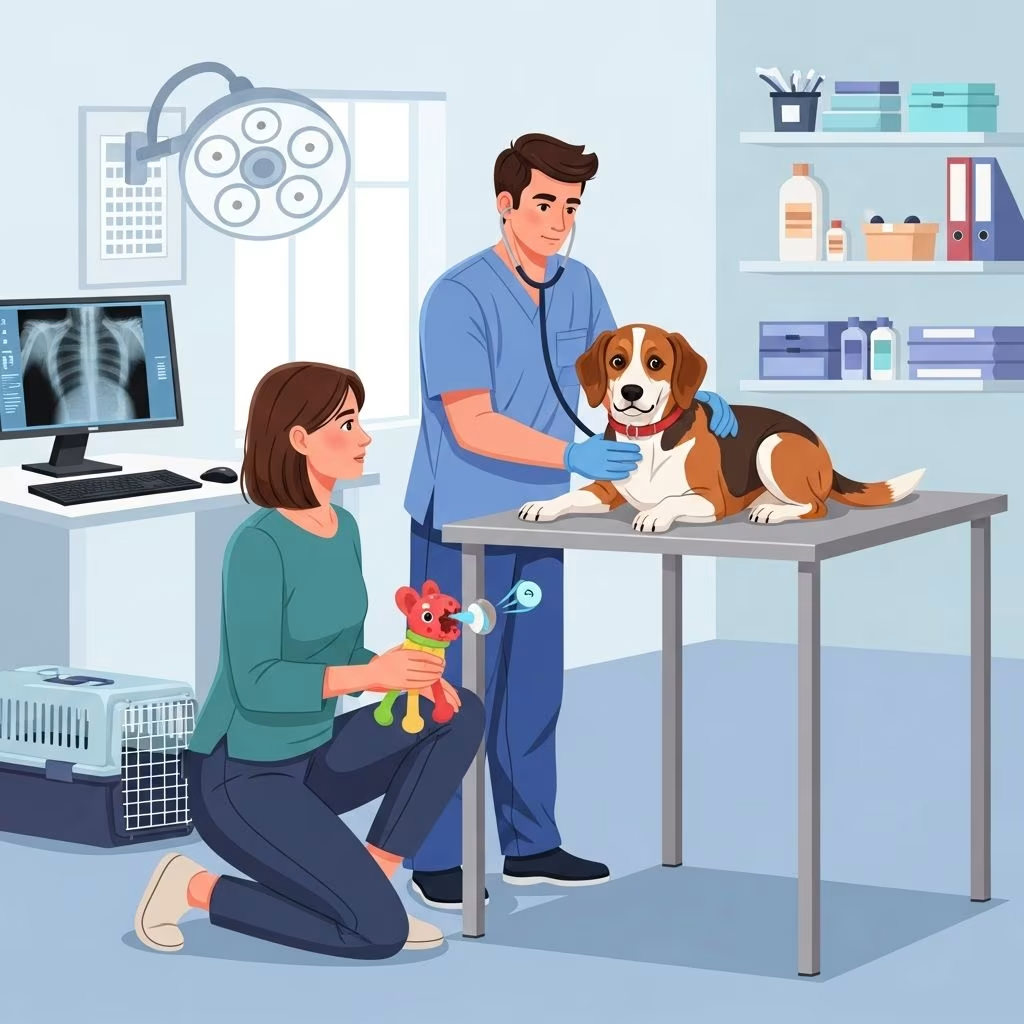
Ingestion of a squeaker from a dog toy poses immediate risks to your pet’s health, potentially leading to choking, digestive obstruction, or other complications that demand urgent veterinary intervention. Pet owners must act swiftly by assessing the situation and contacting professionals without delay to ensure the best outcome.
Understanding the Dangers of Squeaker Ingestion
Squeakers, typically made from durable rubber or plastic materials, resist breakdown by stomach acids and enzymes. As they travel through the gastrointestinal tract, these objects can lodge in narrow passages, especially in smaller breeds, halting normal digestion and causing backups of food and waste. This scenario escalates rapidly, turning a playful mishap into a critical emergency requiring professional care.
The material’s indigestibility means it doesn’t dissolve or fragment naturally, increasing the likelihood of impaction. Factors like the dog’s size relative to the squeaker dimensions play a pivotal role; larger canines might pass it uneventfully, but even they face risks if the shape causes twisting or adhesion within intestinal loops.
Immediate Signs Your Dog Needs Help
Recognizing symptoms early can save your dog’s life. Watch for these indicators that signal trouble after toy destruction:
- Excessive drooling or foaming at the mouth
- Repeated pawing or rubbing at the face
- Vomiting or retching without producing contents
- Lethargy or unusual tiredness
- Refusal to eat or drink
- Abdominal discomfort shown through whining, hunching, or stretching
- Constipation or unproductive straining
- Difficulty breathing or gasping sounds
These manifestations often appear hours after ingestion, coinciding with shredded toy pieces scattered around. Any combination warrants an immediate call to your veterinarian.
Step-by-Step Response Protocol
Step 1: Evaluate for Choking Hazards
Choking occurs when the squeaker lodges in the throat or airway. Key signs include panic, blue-tinted gums, collapse, or violent coughing. If breathing is labored, do not delay—transport to an emergency clinic while keeping the dog calm.
For visible obstructions near the mouth, gently open the jaws and attempt removal with fingers or tweezers only if safe and shallow. Avoid pushing deeper, as this worsens the issue. Canine Heimlich maneuvers, involving abdominal thrusts, should only be performed under veterinary guidance to prevent injury.
Step 2: Contact Veterinary Services Right Away
Phone your vet or the nearest 24-hour facility immediately, providing details like the dog’s breed, size, time of ingestion, and observed symptoms. Professionals will advise on next actions, potentially including bringing the pet in for evaluation. Never attempt home remedies without approval.
Step 3: Avoid Dangerous Home Interventions
Inducing vomiting at home is risky and contraindicated without expert direction. Substances like hydrogen peroxide can cause aspiration pneumonia or esophageal damage, especially if the object has edges. Sharp fragments might tear tissues on ascent, compounding harm.
Professional Treatment Pathways
Veterinarians tailor interventions based on diagnostics like X-rays or ultrasounds to pinpoint the squeaker’s location.
| Method | Description | Suitable Cases |
|---|---|---|
| Observation | Monitor stool for passage over 12-48 hours with hydration and light exercise encouraged | Large dogs, small/soft squeakers, no symptoms |
| Induced Emesis | Injectable drugs under supervision to expel from stomach | Recent ingestion (<2 hours), stable patient |
| Endoscopy | Camera-guided retrieval through mouth | Upper GI location, smaller objects |
| Surgery | Exploratory laparotomy for extraction | Intestinal blockage, failed non-invasive methods |
Post-procedure care involves fluids, pain management, and anti-nausea meds to support recovery. Hospitalization may be needed for severe cases.
Will the Squeaker Pass Naturally?
In optimal scenarios, particularly with diminutive or fragmented pieces, the object exits via feces within 24-72 hours. Check stools diligently during this window. However, reliance on passage alone is unwise—always consult vets first, as silent blockages develop stealthily. Promoting water intake and gentle activity aids motility without force.
Long-Term Health Monitoring After Ingestion
Even if resolved, observe for lingering effects like dehydration from vomiting or secondary infections. Schedule follow-ups for abdominal exams and imaging if symptoms persist. Nutritional support with bland diets accelerates healing.
Preventing Future Toy-Related Incidents
Proactive measures safeguard against repeats:
- Select durable, squeakerless toys designed for heavy chewers
- Supervise play sessions rigorously
- Rotate toys to maintain interest without overuse
- Train ‘leave it’ and ‘drop it’ commands early
- Opt for edible chews or puzzle feeders for mental stimulation
Regular vet checkups assess chewing tendencies, allowing breed-specific recommendations.
Frequently Asked Questions
What if my dog seems normal after swallowing a squeaker?
Appearances deceive—blockages manifest delayed. Contact your vet for monitoring protocols rather than waiting.
How long before a blockage shows symptoms?
Signs emerge 12-48 hours post-ingestion, though some cases prolong to days.
Can small breeds handle squeakers better?
No—smaller intestines heighten obstruction risks compared to larger dogs.
Is surgery common for squeaker removal?
Reserved for non-passing cases; less invasive options preferred first.
What toys are safest for aggressive chewers?
Kongs, nylon bones, and rubber variants without internal noisemakers.
Key Takeaways for Pet Owners
Swift veterinary consultation transforms potential tragedies into manageable events. Arm yourself with knowledge of risks and responses to protect your furry companion during energetic playtimes.
References
- What to Do If Your Dog Swallowed Something They Shouldn’t Have — PetMD. 2023-05-15. https://www.petmd.com/dog/emergency/common-emergencies/e_dg_swallowed_objects
- Foreign Body Ingestion in Dogs — Merck Veterinary Manual (via .edu access). 2024-01-10. https://www.merckvetmanual.com/dog-owners/digestive-disorders-of-dogs/foreign-bodies-in-the-stomach-and-intestine-in-dogs
- Canine Gastrointestinal Obstructions — American Veterinary Medical Association (AVMA). 2025-03-20. https://www.avma.org/resources-tools/pet-owners/petcare/gastrointestinal-obstructions-dogs
- Emergency Management of Foreign Object Ingestion — ASPCA Animal Poison Control Center. 2024-11-05. https://www.aspca.org/pet-care/animal-poison-control/toxic-and-non-toxic-plants/foreign-body-ingestion
- Diagnosis and Treatment of Intestinal Foreign Bodies in Small Animals — Journal of the American Veterinary Medical Association (DOI). 2023-07-12. https://doi.org/10.2460/javma.23.07.0123



