

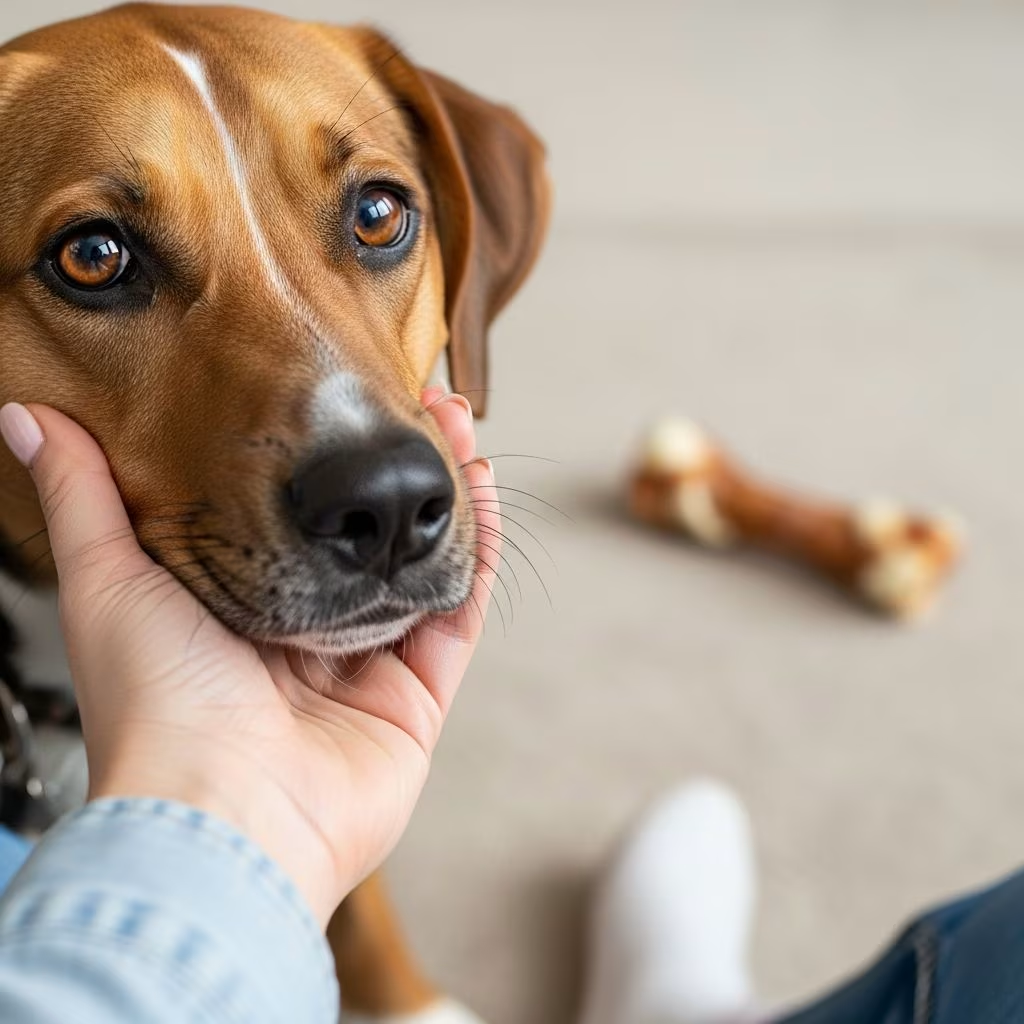
Rawhide chews are a common treat for dogs, but when a dog swallows rawhide—especially large pieces—it can lead to serious health complications like choking, intestinal obstructions, or digestive distress. Understanding the risks and knowing how to respond promptly can save your pet’s life. This article explores the dangers, signs to watch for, immediate actions, and long-term prevention strategies.
Understanding Rawhide and Its Appeal to Dogs
Rawhide products come from the inner layer of animal hides, typically cow or horse, processed into chews shaped like bones or twists. Dogs enjoy them for their tough texture that satisfies natural chewing instincts, potentially helping with dental hygiene by reducing plaque. However, the manufacturing process involves chemicals for cleaning and preservation, raising concerns about safety.
While rawhide seems digestible, it actually expands when wet in the stomach, complicating passage through the digestive tract. This property makes it risky, particularly for aggressive chewers who gulp chunks whole.
Immediate Dangers When a Dog Swallows Rawhide
The primary threats from swallowed rawhide include physical obstructions and biological hazards. Here’s a breakdown:
- Choking Risk: Large fragments can lodge in the throat or esophagus, blocking airflow. This is a medical emergency requiring immediate intervention.
- Intestinal Blockage: Undigested pieces swell in the intestines, causing obstructions that lead to pain, dehydration, rupture, or peritonitis (a severe infection).
- Dental Damage: Hard varieties may fracture teeth, especially in smaller or senior dogs.
- Bacterial Contamination: Processing can introduce Salmonella or E. coli, risking illness for dogs and handlers.
- Gastrointestinal Upset: Even small amounts irritate the stomach, causing vomiting, diarrhea, or pancreatitis in sensitive dogs.
These issues arise because rawhide doesn’t break down like regular food; it passes in chunks, potentially lingering for days or weeks.
Recognizing Symptoms of Rawhide Ingestion Problems
Not all cases show instant signs, but vigilance is key. Monitor your dog closely for 24-72 hours after ingestion. Common indicators include:
| Symptom | Description | Severity Level |
|---|---|---|
| Gagging or Regurgitation | Dog repeatedly tries to clear throat or brings up material | High – Possible choking |
| Vomiting | Frequent, possibly with blood; refusal to eat | Medium-High |
| Diarrhea | Loose stools, bloody, or persistent | Medium |
| Abdominal Pain | Whining, hunched posture, tenderness on belly | High – Blockage sign |
| Lethargy or Fever | Low energy, excessive sleeping, warm ears/nose | Medium |
| Straining to Defecate | Inability to poop or unproductive efforts | High – Obstruction |
These symptoms overlap with other conditions, so professional evaluation is essential. Early detection improves outcomes dramatically.
Step-by-Step Guide: What to Do If Your Dog Swallows Rawhide
- Assess the Situation: Note the size of the piece swallowed and your dog’s behavior. If choking (pawing at mouth, blue gums), perform pet Heimlich: hold from behind, press abdomen upward.
- Remove Remaining Chew: Take away any leftover rawhide to prevent more ingestion. Offer a trade with a safe toy if needed.
- Monitor Closely: Observe for 48 hours. Encourage water intake but withhold food briefly if vomiting occurs.
- Contact a Vet: Call immediately if symptoms appear or for large pieces (> thumb-sized for small dogs). Describe details for triage advice.
- Diagnostic Steps: Vets may use X-rays, ultrasound, or bloodwork to check for blockages. Treatment ranges from fluids and laxatives to surgery.
For minor cases, vets might recommend a high-fiber diet to aid passage. Never induce vomiting at home without guidance, as it risks aspiration.
Factors Influencing Risk Levels in Dogs
Not every dog faces equal danger. Consider these variables:
- Size and Breed: Small dogs (under 20 lbs) are prone to blockages from tiny pieces; breeds like Bulldogs with narrow throats risk choking more.
- Chewing Style: Gulpers swallow chunks; power chewers break off large bits.
- Age and Health: Puppies, seniors, or dogs with GI histories (e.g., IBD) are vulnerable. Avoid rawhide for them.
- Product Quality: Choose USA-made or certified chemical-free if using, but safer options exist.
Supervision halves risks—never leave dogs alone with chews.
Safer Alternatives to Rawhide Chews
Ditch rawhide for digestible, durable options that fulfill chewing needs without peril:
| Alternative | Benefits | Suitable For |
|---|---|---|
| Natural Bully Sticks | Digestible beef muscle; low odor | All sizes |
| Yak Cheese Chews | Hard, long-lasting; microwave for puff treat | Strong chewers |
| Rubber Kong Toys | Stuffable with treats; dishwasher-safe | Interactive play |
| Antlers or Hooves | Natural minerals; tooth-cleaning | Adults (supervise) |
| Frozen Carrots | Cheap, hydrating; gentle on teeth | Puppies/seniors |
Transition gradually, matching size to dog. These reduce plaque while minimizing health threats.
Preventing Future Rawhide Incidents
Proactive habits ensure safety:
- Select size-specific chews (wider than muzzle).
- Supervise all sessions; discard small remnants.
- Opt for digestible treats over rawhide.
- Train “leave it” and “drop it” commands.
- Schedule regular vet dental checks instead of relying on chews.
Educate family members on risks. Stock safer alternatives for peace of mind.
Veterinary Perspectives on Rawhide Use
Vets widely caution against routine rawhide due to emergency visits for blockages. While occasional supervised use might suit some dogs, the consensus favors alternatives. Recent data shows thousands of annual surgeries linked to chews, underscoring the need for caution.
Frequently Asked Questions (FAQs)
How long after swallowing rawhide should I worry?
Watch for 24-72 hours. Seek vet help for any symptoms or if the piece was large.
Can rawhide pass naturally?
Small, well-chewed bits might, but swelling increases blockage odds. Don’t assume safety.
Is all rawhide equally dangerous?
Processed types vary; compressed ones are harder and riskier for teeth.
What if my dog seems fine but ate rawhide yesterday?
Continue monitoring; blockages can develop slowly. Call your vet for reassurance.
Are there vet-approved rawhide brands?
Few; most recommend avoiding. Prioritize FDA-regulated, natural chews.
Rawhide’s popularity persists, but evidence points to higher risks than benefits for most dogs. By choosing wisely and staying alert, you protect your furry friend from preventable crises.
References
- The Dangerous Truth About Rawhide — Ruff Start Rescue. 2023-01-21. https://ruffstartrescue.org/2023/01/21/the-dangerous-truth-about-rawhide/
- Is Rawhide Safe for Dogs? Risks, Alternatives and Vet Advice — Vets Now. N/A. https://www.vets-now.com/pet-care-advice/rawhide-and-dogs/
- Rawhide Bones and Treats for Dogs: Risks and Benefits — WebMD. N/A. https://www.webmd.com/pets/dogs/rawhide-good-or-bad-for-your-dog
- Are Rawhide Chews Dangerous for Dogs? — American Kennel Club. N/A. https://www.akc.org/expert-advice/health/are-rawhide-chews-dangerous-for-dog/
- Rawhide for Dogs: What Is It & Is Rawhide Bad for Them? — Purina UK. N/A. https://www.purina.co.uk/articles/dogs/feeding/guides/rawhide-for-dogs



