

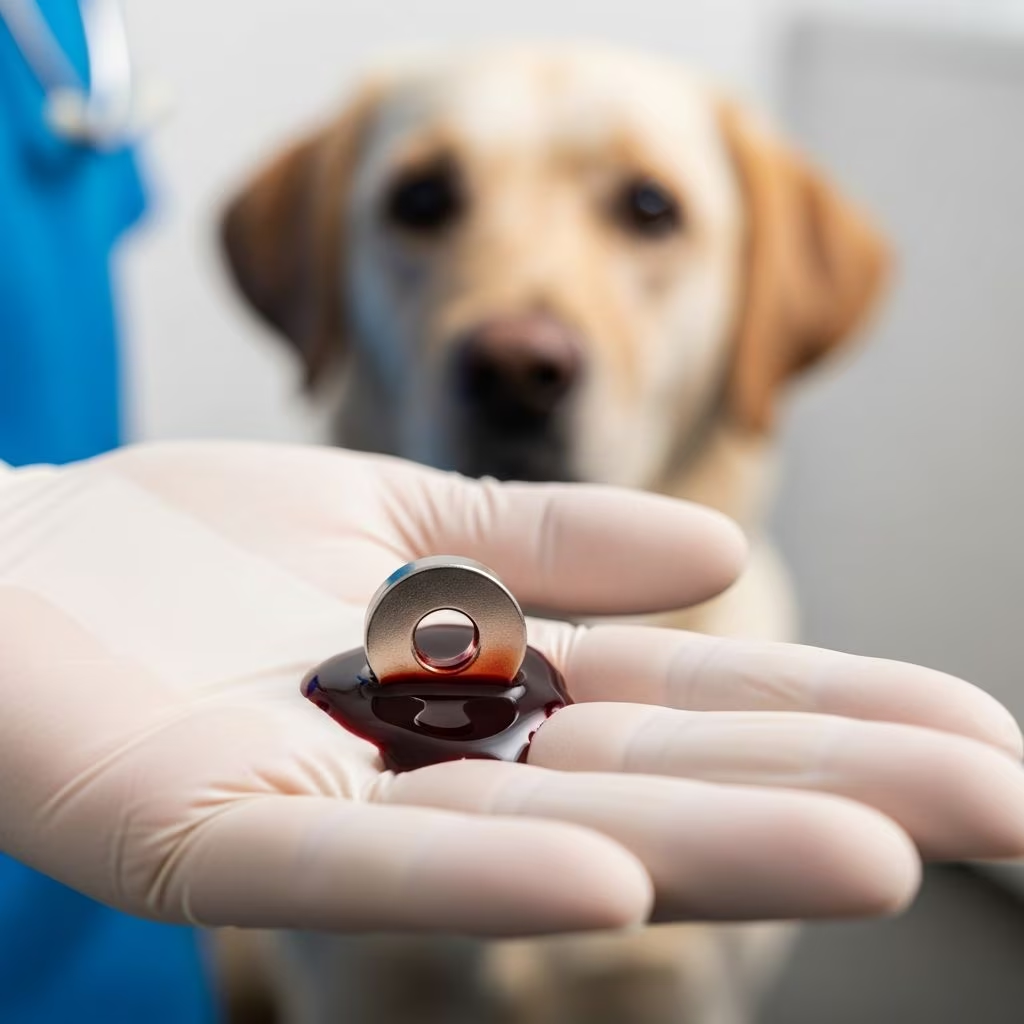
Discovering that your dog has swallowed a magnet can trigger immediate concern, and rightfully so. Magnets present a unique category of hazard in the pet world that differs significantly from many other common household items. While a single magnet might sound manageable, the reality of magnet ingestion in dogs is considerably more complex and potentially life-threatening, particularly when multiple magnets are involved.
Understanding Magnetic Hazards in Canine Digestion
The fundamental danger of magnet ingestion stems from how magnets interact within the dog’s digestive tract. Unlike most foreign objects that simply move through the system, magnets possess electromagnetic properties that create unprecedented risks. A single magnet passing through a dog’s gastrointestinal system may cause minimal problems, but the scenario changes dramatically when the situation becomes more complicated.
Magnetic fields can extend beyond the magnet itself, meaning they can attract other metallic objects and additional magnets through the intestinal walls. This capacity creates a chain reaction of complications that extends far beyond a simple blockage. When magnets attract each other or metallic items across different sections of the intestines, they create pressure points that compress and pinch the delicate intestinal tissue.
The Amplified Risk of Multiple Magnets
The severity of magnet ingestion escalates dramatically with each additional magnet swallowed. While veterinarians often classify single magnet ingestion as less immediately critical, the presence of two or more magnets constitutes a genuine veterinary emergency requiring urgent intervention.
- Multiple magnets can attract one another through intestinal walls, creating loops or chains
- These formations trap and compress sections of the digestive tract
- Magnetic force restricts blood flow to affected intestinal segments
- Tissue death and perforation become increasingly likely as time passes
The magnetic field’s strength becomes a factor as well. Modern magnets, particularly neodymium magnets found in popular toy sets and fidget gadgets, generate far more powerful electromagnetic fields than older traditional magnets. These rare earth magnets present heightened danger compared to conventional refrigerator magnets, as their force can overcome greater distances and create more severe internal injuries.
Recognizing Warning Symptoms
Pet owners must develop awareness of the clinical signs that indicate their dog has experienced complications from magnet ingestion. Symptoms often emerge gradually, though in severe cases they can develop rapidly. Understanding these warning indicators enables early intervention, which significantly improves outcomes.
| Symptom | Timeframe | Severity Level |
|---|---|---|
| Vomiting or retching | Can appear within hours | Moderate to Severe |
| Loss of appetite or refusal to eat | Usually within 24 hours | Moderate |
| Lethargy and reduced activity | Often develops over hours | Moderate |
| Abdominal pain or sensitivity | Can vary widely | Moderate to Severe |
| Bloody or dark stools | May take 12-48 hours | Severe |
| Depression or behavioral changes | Progressive over time | Moderate to Severe |
| Weakness or collapse | Late-stage indicator | Severe |
The absence of immediate symptoms should never provide false reassurance. Dogs can appear deceptively normal during the initial stages of magnet ingestion complications. Internal damage progresses silently, making veterinary assessment essential even when your dog seems fine.
Immediate Actions Following Suspected Ingestion
The moments following suspected magnet ingestion demand clear thinking and decisive action. Your response during this critical window significantly influences your dog’s prognosis and ultimate outcome.
Step One: Secure the Environment
Remove any remaining magnets, magnetic toys, or metallic objects from your dog’s immediate surroundings. If your dog managed to swallow one magnet from a multi-magnet toy set, additional magnets may still pose a choking or ingestion hazard. Prevent further contamination of the gastrointestinal tract by eliminating access to similar items.
Step Two: Contact Veterinary Professionals
Do not delay in reaching out to your veterinarian or an emergency veterinary clinic. Time represents your dog’s most valuable resource in this situation. Professional veterinary guidance can determine whether your specific circumstances warrant immediate physical examination or emergency intervention.
If you cannot immediately reach your regular veterinarian, contact an emergency veterinary clinic or veterinary poison control service. These specialists maintain 24/7 availability and employ board-certified veterinary toxicologists who can provide expert guidance. Services like Pet Poison Helpline offer immediate consultation to help determine the urgency level and appropriate next steps.
Step Three: Gather Information
Collect any evidence related to the ingestion event. Pieces of the magnetic toy, packaging materials, or other contextual information help veterinarians understand exactly what your dog consumed and in what quantity. This intelligence informs diagnostic and treatment decisions.
Diagnostic Procedures and Imaging
Veterinarians employ several diagnostic tools to confirm magnet ingestion and assess the extent of internal complications. Modern imaging techniques provide clear visualization of foreign bodies within the digestive tract.
X-ray Imaging
Radiographic imaging represents the primary diagnostic approach for suspected magnet ingestion. Magnets, particularly metal-rich variants, demonstrate excellent visibility on X-ray films. This imaging technique allows veterinarians to confirm the presence of magnets, determine their quantity, and identify their precise location within the digestive system. Multiple images from different angles provide comprehensive understanding of the situation.
Ultrasound Examination
Ultrasound imaging offers additional diagnostic perspectives, particularly for evaluating soft tissue damage and identifying signs of intestinal compromise. This technology can reveal fluid accumulation, inflammatory changes, or other indicators of internal injury that X-rays might not clearly demonstrate.
Endoscopic Evaluation
In some cases, veterinarians may recommend endoscopy, a procedure involving a flexible camera inserted into the digestive tract. This approach enables direct visualization of magnet location and potential tissue damage while sometimes allowing for minimally invasive removal through the mouth.
Treatment Options and Removal Strategies
The appropriate treatment approach depends on multiple factors including the number of magnets, their location, the time elapsed since ingestion, and the presence of existing complications.
Conservative Monitoring
Single magnet ingestion in a large-breed dog with no symptoms may warrant close observation rather than immediate surgical intervention. Veterinarians typically recommend frequent monitoring for symptom development, with clear instructions to return immediately if warning signs appear. This approach acknowledges that not all single magnets cause complications, while remaining vigilant for rapid deterioration.
Endoscopic Removal
When magnets are accessible in the stomach or upper digestive tract, endoscopic retrieval may be possible. This minimally invasive approach allows veterinarians to visualize the magnet and remove it using special instruments passed through the endoscope. This technique reduces trauma compared to surgical approaches and typically involves shorter recovery periods.
Surgical Intervention
Multiple magnets, magnets combined with metal objects, or magnets that have progressed into the small intestines typically require surgical removal. A laparotomy procedure involves opening the abdominal cavity to directly access and remove the foreign bodies. While more invasive than endoscopy, surgery becomes necessary when complications have developed or when magnet location makes endoscopic retrieval impossible.
Early surgical intervention, before severe tissue damage occurs, provides the best prognosis. Dogs treated promptly following magnet ingestion generally recover well with appropriate post-operative care.
Serious Complications Associated with Magnet Ingestion
The potential complications resulting from magnet ingestion represent the core reason veterinarians treat this situation with such urgency.
Gastrointestinal Obstruction
When magnets attract through intestinal walls, they create blockages preventing normal food and waste movement. The digestive tract cannot push material past these magnetic-formed barriers, leading to complete or partial obstruction. This condition causes rapid deterioration if not relieved.
Intestinal Perforation
Perhaps the most serious complication involves perforation or piercing of the intestinal wall. The tremendous pressure generated by magnets attracting each other can compromise the blood supply to affected tissue. As tissue dies from insufficient blood flow, holes develop in the intestinal wall. Contents spill into the abdominal cavity, causing peritonitis—a life-threatening abdominal infection.
Tissue Necrosis and Death
The compression caused by magnets pinching intestinal tissue cuts off blood supply more severely than simple obstruction. Tissue starved of oxygen begins dying within hours. This necrotic tissue cannot function and cannot heal, necessitating surgical removal of affected intestinal segments in some cases.
Sepsis and Systemic Infection
When intestinal contents escape through perforations into the abdominal cavity, bacterial contamination triggers sepsis—a severe, potentially fatal whole-body inflammatory response. This systemic infection can cause organ failure and death even with aggressive veterinary intervention.
Prevention Strategies and Responsible Pet Ownership
Understanding magnet dangers enables proactive prevention that protects your dog from ever facing this emergency. Responsible pet owners implement comprehensive strategies to minimize risk.
- Store magnetic toys, fidget toys, and magnetic building sets in secure locations inaccessible to dogs
- Supervise children’s use of magnetic toys and toys containing magnets
- Inspect your home for hidden sources of magnets in electronic devices, construction toys, and novelty items
- Choose pet toys from reputable manufacturers with rigorous safety testing
- Educate family members and visitors about magnet dangers for your specific dog
- Consider the size and chewing behavior of your dog when assessing magnet risks in your home
Understanding Prognosis and Recovery
The outlook for dogs recovering from magnet ingestion varies significantly based on how quickly treatment was initiated and the extent of internal damage.
Dogs treated promptly following magnet ingestion, before severe complications develop, typically enjoy good recovery outcomes. Early intervention through either endoscopic or surgical removal eliminates the ongoing magnetic hazard before tissue damage progresses beyond repair.
Dogs presenting with advanced complications—such as peritonitis, sepsis, or extensive tissue death—face significantly reduced survival chances despite aggressive treatment. The longer magnets remain in the digestive tract, the greater the damage accumulates.
Frequently Asked Questions
Q: Can a single magnet pass safely through a dog’s system?
A single magnet has a better chance of passing without causing serious complications compared to multiple magnets. However, veterinary guidance remains important even for single magnet ingestion. The magnet’s size, your dog’s size, and other factors influence the outcome.
Q: What should I do if I didn’t witness the ingestion but suspect my dog ate a magnet?
Contact your veterinarian with your suspicions. Describe any symptoms you’ve noticed and explain why you believe magnet ingestion occurred. Veterinary assessment can determine whether diagnostic imaging is warranted.
Q: Are neodymium magnets more dangerous than regular magnets?
Yes, significantly more dangerous. Neodymium magnets generate substantially more powerful electromagnetic fields than traditional magnets, making the attraction between multiple magnets more forceful and the resulting tissue damage more severe.
Q: How quickly can complications develop after magnet ingestion?
Complications can develop within hours of ingestion, though some situations progress more slowly. This unpredictability underscores the importance of immediate veterinary consultation rather than waiting to see if symptoms develop.
Q: Is magnet ingestion covered by pet insurance?
Most pet insurance policies cover magnet ingestion as an unexpected illness or injury. Check your specific policy details, but generally this situation qualifies for coverage.
References
- Magnets, Toys and Dangerous Objects — The Animal Medical Center. 2010. https://www.amcny.org/blog/2010/11/15/magnets-toys-and-dangerous-objects/
- My Dog Ate a Magnet: Here’s What to Do (Vet Answer) — Hepper. https://articles.hepper.com/my-dog-ate-a-magnet-what-to-do-vet-answer/
- Neodymium Magnets: Serious Danger for Dogs to Avoid — Pets4Homes. https://www.pets4homes.co.uk/pet-advice/neodymium-magnets-are-a-real-danger-to-dogs.html
- Dog Ate Small Magnet Toy Sick — Dial A Vet. https://www.dialavet.com/vet-answers/dog-ate-small-magnet-toy-sick-330863
- Button Battery, Penny, and Magnet Dangers in Dogs — Wag Walking. https://wagwalking.com/condition/button-battery-penny-and-magnet-dangers
- 24/7 Animal Poison Control Center — Pet Poison Helpline. https://www.petpoisonhelpline.com



