

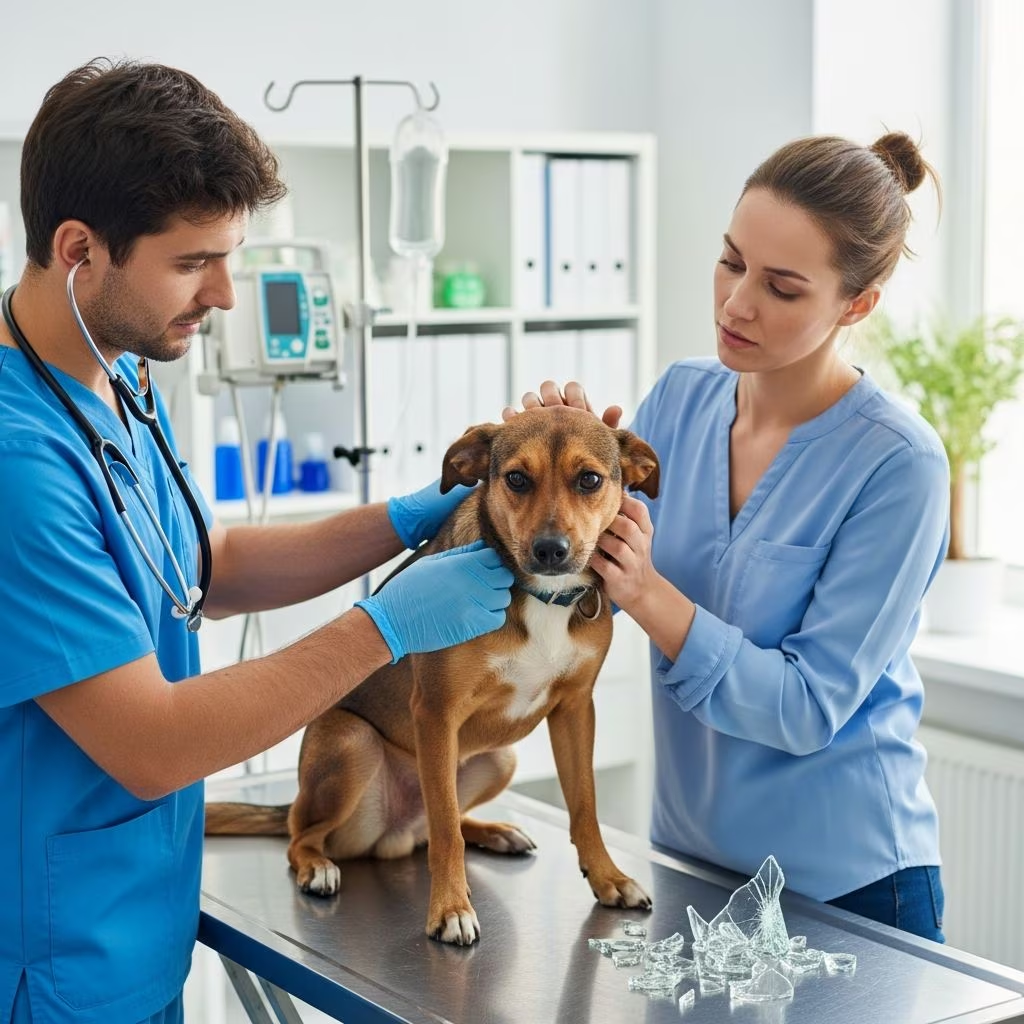
Glass ingestion by dogs poses a severe threat due to its sharp edges, capable of lacerating the mouth, throat, stomach, and intestines. Prompt veterinary intervention is essential to mitigate risks like perforation, infection, or obstruction, potentially turning a dire situation into a manageable one.
Understanding the Hidden Dangers of Glass to Canines
Ordinary glass items, such as shattered bottles, jars, or decorative pieces, can become hazardous temptations for curious dogs. Unlike softer materials, glass does not dissolve in the digestive system and retains its cutting potential throughout transit. Factors influencing severity include shard size, sharpness, and quantity. Small, smooth fragments might pass unnoticed, but larger or jagged ones heighten the chance of deep wounds.
The gastrointestinal tract’s lining is delicate, vulnerable to tears that lead to leakage of contents into the abdominal cavity, causing peritonitis—a painful, life-threatening inflammation. Blood vessels may rupture, resulting in internal hemorrhage, while blockages halt normal digestion, leading to bloating and toxicity buildup.
Recognizing Critical Warning Signs
Observant owners can detect issues early by monitoring behavior changes post-ingestion. Key indicators include:
- Excessive drooling or foaming at the mouth, signaling oral pain or irritation.
- Pawing at the face or reluctance to open the mouth fully.
- Gagging, coughing, or repeated swallowing attempts due to esophageal lodging.
- Vomiting containing blood, glass flecks, or unusual colors.
- Loss of appetite, refusal of water, or sudden pickiness with food.
- Abdominal tenderness, shown by whining when touched or a hunched posture.
- Lethargy, weakness, or pale gums indicating blood loss or shock.
- Dark, tarry stools or visible blood in feces, pointing to intestinal damage.
Symptoms may emerge immediately or delay up to 24-48 hours as shards progress. Continuous observation over several days is vital, even if initial signs are absent.
First Response: What to Do Right Away
Time is critical—contact a veterinarian or emergency clinic without delay. While awaiting professional advice:
- Maintain composure: Dogs sense anxiety, which exacerbates stress.
- Avoid inducing vomit: Upward movement of shards can inflict worse injuries to the esophagus or mouth.
- Inspect the mouth gently: Use a flashlight to check for embedded pieces on gums, tongue, or teeth. If visible and accessible, remove with tweezers wrapped in gauze—never bare hands.
- Provide protective padding: Offer a few slices of soft bread, plain canned pumpkin (not pie filling), or mashed potatoes to cushion shards during passage.
- Restrict activity: Confine to a quiet area to prevent further ingestion or injury from running/jumping.
- Hydrate carefully: Small amounts of water if no vomiting, but monitor closely.
Document details: type/amount of glass, time of incident, and symptom onset for the vet.
Professional Diagnosis and Care Options
Vets employ advanced tools for accurate assessment. Initial exams involve physical palpation and oral inspection. Diagnostic imaging follows:
| Method | Purpose | Benefits |
|---|---|---|
| X-rays | Locate radio-opaque glass in GI tract | Quick, non-invasive; reveals position and quantity |
| Ultrasound | Detect soft tissue damage or fluid | Real-time imaging; identifies perforations |
| Endoscopy | Visualize and retrieve upper GI objects | Minimally invasive; camera-guided removal |
Treatment escalates based on findings. Supportive care includes IV fluids for hydration, anti-nausea drugs, and pain management. If shards are reachable via endoscopy, retrieval avoids surgery. Surgical intervention becomes necessary for lower intestinal issues, blockages, or perforations—procedures like enterotomy remove objects and repair tissues.
Post-treatment, high-fiber diets expedite clearance, with serial X-rays tracking progress. One case involved a dog passing numerous glass pieces over a week without complications due to their blunt edges and proactive monitoring.
Potential Complications and Long-Term Monitoring
Untreated ingestion risks escalate rapidly:
- Perforation: Holes in intestines allow bacterial spread, triggering sepsis.
- Obstruction: Impeded flow causes vomiting, dehydration, and rupture.
- Infection: Cuts invite bacteria, leading to abscesses or peritonitis.
- Hemorrhage: Vessel cuts cause anemia, evident in rapid heartbeat and collapse.
Recovery timelines vary: minor cases resolve in days with stool monitoring; surgical recoveries span weeks with antibiotics and restricted diets. Follow-up visits ensure complete passage—collect and examine stools for fragments.
Preventing Future Incidents: Safeguard Your Home
Proactive measures reduce risks:
- Secure trash bins with locking lids to block access to broken items.
- Store glassware, vases, and decor out of reach, especially on low surfaces.
- Supervise during cleaning; sweep shards immediately into sealed bags.
- Train commands like “leave it” and use puzzle toys to curb boredom eating.
- Opt for pet-safe alternatives: plastic or shatterproof materials.
- Microchip and ID tags aid recovery if panic leads to escape.
Breeds like Labs or chew-prone puppies face higher risks—tailor prevention accordingly.
Cost Considerations and When to Expect Expenses
Emergency care varies by case severity:
| Treatment Level | Estimated Cost Range | Factors |
|---|---|---|
| Exam + Imaging | $200-$500 | Basic diagnostics |
| Endoscopy | $800-$2,000 | Anesthesia, equipment |
| Surgery | $2,000-$5,000+ | Complexity, hospitalization |
Pet insurance or emergency funds prepare owners. Many clinics offer payment plans.
Frequently Asked Questions
Will small glass pieces pass naturally?
Tiny, smooth fragments may exit in stool without harm, but veterinary evaluation rules out risks. Never assume safety.
How soon after ingestion do problems show?
Minutes for mouth/throat issues; hours to days for gut complications. Monitor 72 hours minimum.
Is bread or pumpkin truly helpful?
Yes, they encase shards, minimizing scratches during transit per vet recommendations.
What if no symptoms appear?
Seek imaging anyway—silent damage like slow bleeds can worsen suddenly.
Can all glass be detected on X-rays?
Most dense glass appears; thin or frosted types may need ultrasound or contrast studies.
Real-Life Recovery Stories
Cases like a labradoodle ingesting fireplace glass rocks highlight hope: full GI tract involvement cleared in a week via diet and monitoring, no injuries due to chunkiness. Such outcomes underscore early action’s value.
References
- Dog Ate Glass: What to Do and How to Help Your Pet — Dial A Vet. 2023. https://www.dialavet.com/blog/dog-ate-glass-what-to-do-and-how-to-help-your-pet
- My Dog Ate Glass: Our Vet Explains the Potential Risks, Signs — Dogster. 2023. https://www.dogster.com/ask-the-vet/my-dog-ate-glass
- My Dog Ate Glass – What Should I Do — YouTube (Veterinary Channel). 2022. https://www.youtube.com/watch?v=7utoaOzvnEE
- Dr. K’s Case of the Month: Glass Eater — The Drake Center. 2023. https://www.thedrakecenter.com/services/dogs/blog/dr-ks-case-month-glass-eater
- What to Do If Your Dog Swallowed Something They Shouldn’t Have — PetMD. 2024. https://www.petmd.com/dog/emergency/common-emergencies/e_dg_swallowed_objects



