

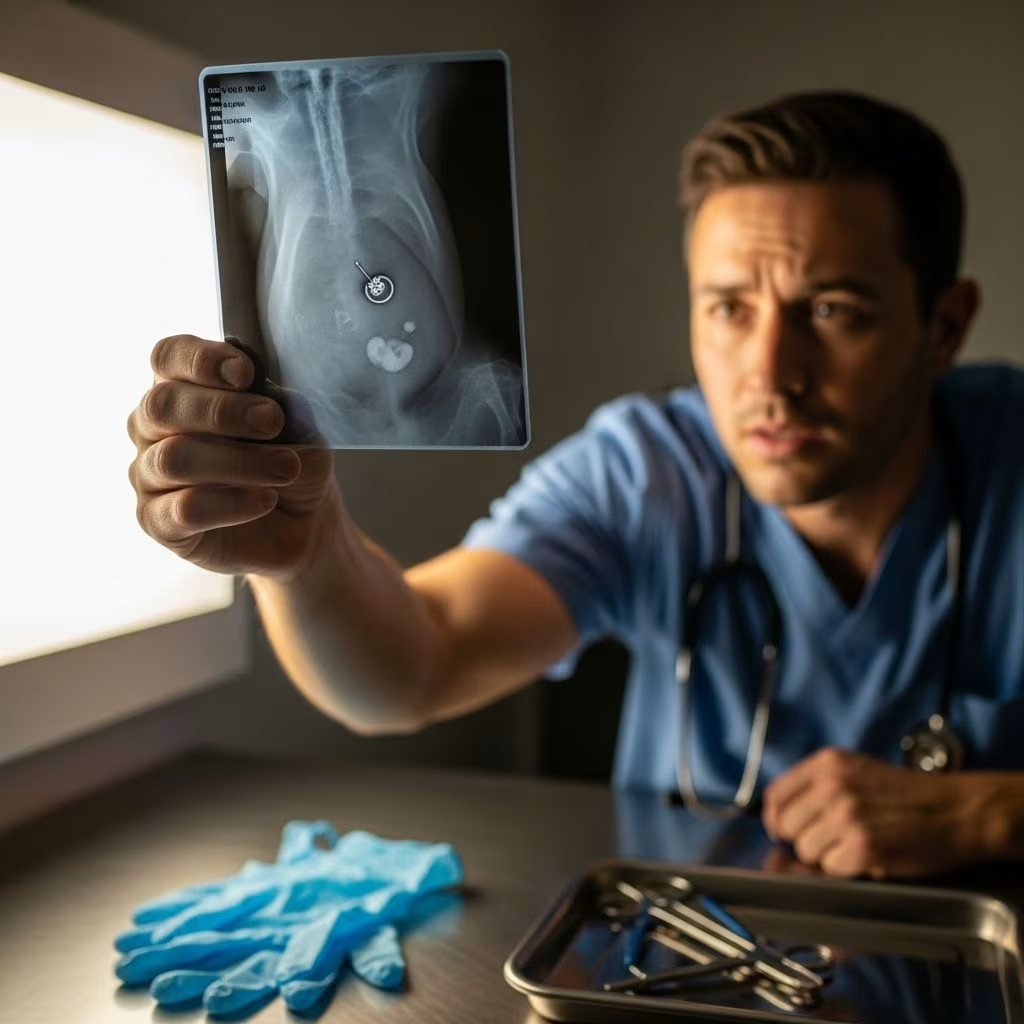
Discovering that your dog has swallowed an earring can trigger immediate panic. However, understanding the situation and knowing how to respond will help you make informed decisions about your pet’s care. The outcome depends on several factors, including the size of your dog, the type of earring, and how quickly you seek professional guidance.
Understanding the Initial Danger
When a dog ingests foreign objects like jewelry, the level of risk varies considerably. A large dog may safely pass a small, smooth earring, while the same object could cause serious complications in a small breed. The material composition of the earring also matters significantly. Non-toxic metals pose different risks than those containing harmful substances. Additionally, the design of the earring influences potential injury—smooth, rounded earrings are generally less problematic than those with sharp posts, backs, or pointed decorative elements.
The primary concern with any foreign object ingestion is that it may create a blockage in the digestive tract, preventing food and fluids from moving through the intestines normally. This blockage can be partial or complete, with complete blockages being considerably more serious. Another significant risk is that the earring’s rough edges might perforate the intestinal wall, causing leakage into the abdominal cavity—a condition requiring immediate surgical intervention.
Recognizing Warning Symptoms
Not all dogs show immediate symptoms after swallowing a foreign object. Some signs may develop gradually, while others indicate an urgent emergency. Familiarizing yourself with these indicators allows you to act quickly if your dog’s condition deteriorates.
- Excessive drooling or hypersalivation
- Gagging sensations or choking behaviors
- Pawing at the mouth or face
- Frequent lip licking
- Loss of appetite or refusal to eat
- Vomiting or dry heaving
- Constipation or inability to defecate
- Difficulty passing stool
- Abdominal pain or distension
- Restlessness or unusual lethargy
Any combination of these symptoms warrants immediate veterinary evaluation. Some dogs may appear normal for hours or even days before symptoms develop, so vigilance is essential even if your pet seems fine initially.
Your First Response: Practical Immediate Steps
The moments immediately following the incident require careful action. First, separate your dog from the area where the earring was ingested. Dogs often consume additional objects when they sense their owner’s alarm, so moving your pet to another room or kennel prevents further complications. This also allows you to search thoroughly for the earring without distraction.
Before assuming your dog swallowed the earring, conduct a complete search of your home. Check the floor, furniture, and any areas where the earring might have fallen. Look in your dog’s mouth—sometimes objects remain visible. Search your pet’s bedding, food bowls, and favorite spots. If you locate the earring, you can avoid unnecessary veterinary expenses and worry.
Document the time when you believe ingestion occurred, as this information helps veterinarians determine the best course of action. Note the earring’s characteristics: its size, material, whether it has a post or back attached, and any sharp components. This information is crucial for your vet’s assessment.
When and How to Seek Veterinary Care
Contact your veterinarian immediately if you know your dog swallowed an earring or suspect ingestion. Delaying professional evaluation can allow complications to develop. Your vet may recommend bringing your dog in for an examination, or they might suggest monitoring at home depending on the circumstances.
Veterinarians typically begin with diagnostic imaging to determine whether the earring is present and where it’s located in the digestive tract. X-rays are the standard diagnostic tool, though abdominal ultrasounds may provide additional clarity. Importantly, x-rays taken immediately after a meal may not clearly show the earring because it can be hidden among food particles. If you haven’t fed your dog recently, timing works in your favor for clear imaging.
Your veterinarian may recommend induced vomiting if the ingestion occurred recently and the earring hasn’t yet passed into the intestines. This procedure must be performed at a veterinary clinic under professional supervision. Medications administered by veterinarians can stimulate vomiting to remove the object before it causes problems. Never attempt to induce vomiting at home without explicit veterinary guidance, as improper techniques can cause harm.
Treatment Options and Decision-Making
After diagnosis, your veterinarian will discuss several management approaches. The chosen strategy depends on multiple factors: your dog’s size, the earring’s characteristics, how much time has passed, and whether symptoms are present.
| Treatment Option | Circumstances | Considerations |
|---|---|---|
| Watchful Monitoring | Small, smooth, non-toxic earring; large dog; no symptoms | Most affordable; requires careful observation and stool inspection |
| Induced Vomiting | Recent ingestion; earring not yet in intestines; small or valuable earring | Time-sensitive; must be done professionally; high success rate if timely |
| Endoscopic Removal | Earring in stomach; risk of complications; expensive earring | Non-surgical alternative; minimally invasive; requires anesthesia |
| Surgical Removal | Blockage confirmed; perforation risk; earring cannot be retrieved otherwise | Most invasive option; necessary for serious cases; highest cost |
Supporting Natural Passage
For many small to medium-sized earrings in larger dogs, natural passage through the digestive system is possible and often recommended. Your veterinarian may guide you through dietary modifications to facilitate this process.
Hydration is essential. Encourage your dog to drink plenty of water throughout the day, as adequate fluid intake prevents constipation and helps maintain soft, regular bowel movements. Soft stools are more likely to move objects through the digestive tract successfully.
Your vet may recommend feeding soft, high-fiber foods rather than typical kibble. Canned food formulations containing approximately 75% water can help lubricate the digestive tract and promote passage. Some veterinarians suggest high-fiber supplements specifically formulated for dogs, such as pumpkin puree or specialized prebiotics, to support regular bowel movements.
An unconventional but sometimes recommended approach is a petroleum jelly sandwich—a slice of bread spread with Vaseline. The petroleum jelly lubricates the stomach and gastrointestinal tract, while the bread provides bulk and can potentially embed the earring, protecting the tract’s lining from sharp edges.
Monitoring and Recovery
Most dogs pass small earrings within 24 to 48 hours of ingestion. Digestion speed varies based on age, underlying health conditions, size, and diet type. Once your veterinarian has confirmed that conservative management is appropriate, your responsibility involves careful monitoring.
Examine your dog’s stools for the next several bowel movements using disposable gloves. You should recover the earring during this monitoring period. If you don’t find it within three to four days, contact your veterinarian for follow-up evaluation. Sometimes imaging can confirm whether the earring remains in the intestinal tract or has been safely passed.
Continue observing for any symptom development. Even if you’ve passed the earring successfully, pay attention to changes in appetite, energy levels, or bowel habits. Delayed complications, while uncommon, are possible.
Special Risk Factors for Specific Earring Types
Different earring styles present varying levels of danger. Stud earrings with metal posts and backs can puncture the gastrointestinal tract due to their sharp components. Hoop earrings might tangle in intestinal tissue. Heavy or large earrings are more likely to cause blockages. Costume jewelry containing toxic metals presents poisoning risks beyond physical obstruction. Gold or platinum earrings pose fewer chemical concerns but may still create mechanical problems.
Zinc-containing metals are particularly problematic because dogs have a low tolerance threshold for zinc. Excessive zinc exposure can lead to zinc toxicity, causing serious health complications beyond simple obstruction.
Preventing Future Incidents
Once your dog has recovered, prevention becomes paramount. Store jewelry securely in closed drawers or boxes inaccessible to your pet. Avoid wearing jewelry around dogs inclined toward object consumption. Watch carefully when you remove earrings, as dogs often move quickly toward fallen objects. Provide appropriate chew toys and enrichment to redirect your dog’s natural desire to investigate and consume objects.
Training commands like “leave it” can provide additional protection, though they’re not foolproof. Be especially vigilant during moments when your attention is divided, as most incidents occur during these vulnerable times.
Cost and Insurance Considerations
The financial impact of foreign object ingestion varies dramatically. A basic veterinary exam and x-ray might cost $200–$500, while surgical removal can exceed $2,000–$4,000. Pet insurance that covers foreign object ingestion can significantly reduce out-of-pocket expenses. If you don’t have insurance, discuss payment options and plans with your veterinary clinic, as many offer financial assistance for emergencies.
Frequently Asked Questions
How long does it take for a dog to pass an earring?
Most dogs pass small objects within 24 to 48 hours. However, timing depends on individual factors including age, digestive health, and diet composition. Always follow your veterinarian’s specific guidance for your dog.
Can I treat this at home without veterinary care?
While some cases resolve without intervention, professional evaluation is strongly recommended. Your veterinarian can determine whether the earring poses significant risk and guide appropriate management.
Should I make my dog vomit?
Never induce vomiting without veterinary instruction. Improper techniques can cause serious harm. Your veterinarian will determine whether inducing vomiting is appropriate and will perform the procedure safely.
What if I can’t afford surgery?
Discuss all options with your veterinarian. Many cases resolve through conservative management. Veterinary clinics often offer payment plans for necessary procedures.
Is it normal for a dog to show no symptoms?
Yes. Some dogs remain asymptomatic even after swallowing foreign objects. Lack of symptoms doesn’t indicate the object has passed; vigilant monitoring remains essential.
References
- My Dog Ate My Earring! What Should I Do? — Sit Means Sit Frisco. 2024. https://sitmeanssit.com/dog-training-mu/frisco-dog-training/my-dog-ate-my-earring-what-should-i-do/
- Oh No! My Dog Just Swallowed My Earring, What Should I Do? — Greater Good. 2024. https://greatergood.com/blogs/news/dog-swallowed-earring
- My Dog Ate an Earring: Here’s What to Do (Vet Answer) — Hepper. 2024. https://articles.hepper.com/dog-ate-an-earring-vet-answer/
- Don’t Eat That! When Your Dog Swallows a Foreign Object — Oradell Veterinary Referral & Emergency Services. 2024. https://www.ovrs.com/blog/dog-swallows-a-foreign-object/
- Help, what should I do if my dog swallowed an earring yesterday? — Dial a Vet. 2024. https://www.dialavet.com/vet-answers/dog-swallowed-earring-what-to-do-272606



