

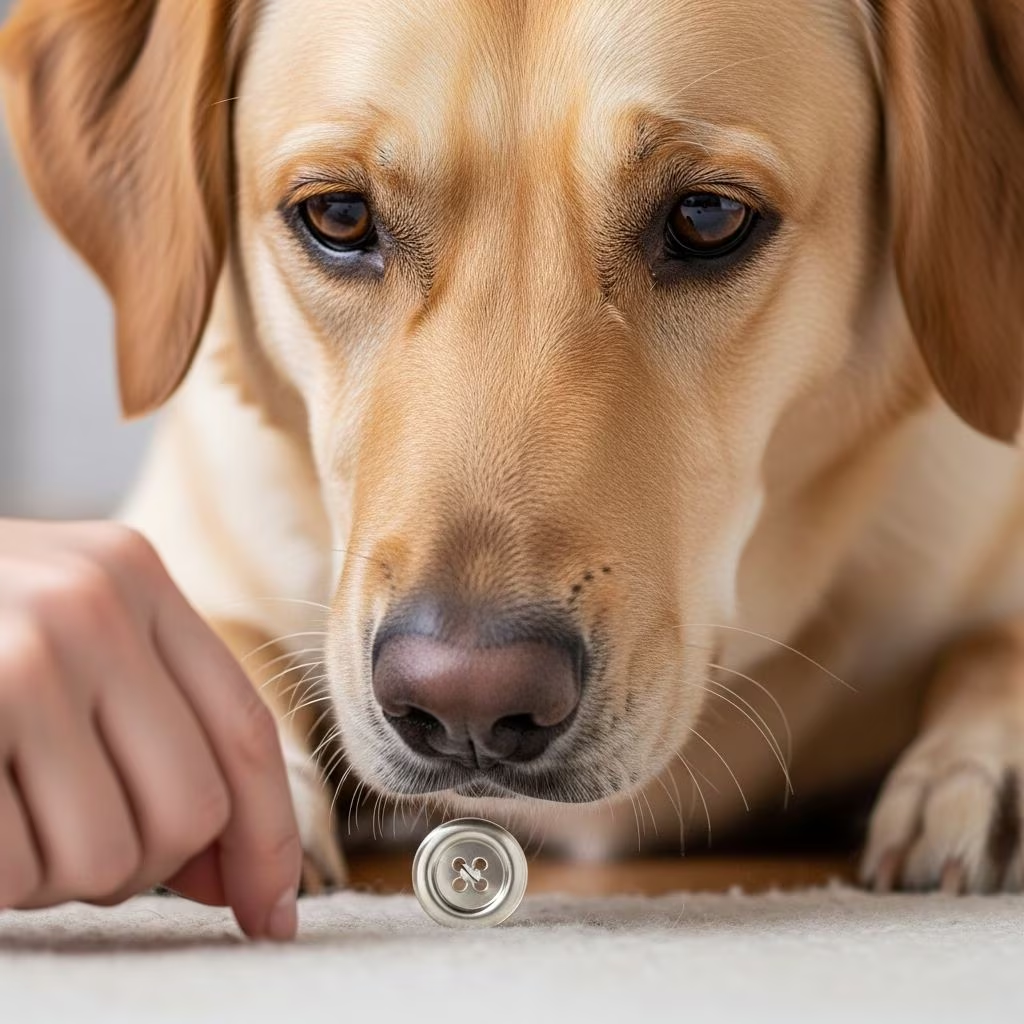
Buttons seem harmless, but when dogs swallow them, they can lead to serious health issues like choking or intestinal blockages. Understanding the risks and responding promptly can make all the difference in your pet’s recovery.
Immediate Dangers of Button Ingestion in Dogs
Dogs often chew on small household items out of curiosity or boredom, and buttons from clothing, remotes, or toys are common culprits. These objects pose two primary threats: airway obstruction causing choking, and gastrointestinal blockage further down the digestive tract. Small breeds face higher risks because their narrower passages make passage difficult.
The material matters too—plastic buttons might pass naturally, while metal ones could irritate tissues or get lodged. Even if no immediate distress appears, delayed complications like perforation can arise, emphasizing the need for vigilance.
Step-by-Step Response Guide
Stay composed to think clearly and act effectively. Here’s a structured approach:
- Check for choking signs: Look for gagging, excessive drooling, pawing at the mouth, blue gums, or labored breathing. If present, perform dog-specific Heimlich: stand behind, place fists under ribs, thrust upward sharply. If unsuccessful, rush to an emergency vet and start CPR if breathing stops.
- Secure the environment: Remove all accessible buttons or similar items to prevent further ingestion. Confine your dog to a safe area.
- Call your veterinarian right away: Provide details like button size, material, your dog’s breed/weight, time of ingestion, and any symptoms. They will guide on next steps, which may include monitoring or clinic visit.
- Avoid home remedies: Never induce vomiting without vet approval, as it could lodge the button in the throat or cause aspiration.
This protocol prioritizes safety and professional input, reducing unnecessary harm.
Assessing Risk Factors
Not all button swallowings end in crisis, but certain factors elevate danger:
| Factor | Low Risk | High Risk |
|---|---|---|
| Dog Size | Large breeds (>50 lbs) | Small/toy breeds (<20 lbs) |
| Button Size | <0.5 inch | >1 inch |
| Material | Soft plastic | Metal, hard plastic |
| Time Since Ingestion | <2 hours | >4 hours |
Larger dogs often pass small items uneventfully, but consult a vet regardless for tailored advice. Radiographs can confirm location without invasive steps.
Potential Health Complications
If a button progresses beyond the stomach, it may obstruct the intestines, halting digestion. Watch for these red flags, warranting immediate vet care:
- Persistent vomiting or retching
- Loss of appetite or refusal to drink
- Abdominal bloating or tenderness
- Lethargy or weakness
- Diarrhea, possibly bloody
- Straining without defecation
Untreated blockages can lead to dehydration, peritonitis (abdominal infection), or rupture, which are life-threatening. Early detection via X-rays or ultrasound improves outcomes dramatically.
Veterinary Diagnostic and Treatment Options
At the clinic, expect a thorough exam including oral inspection and imaging. Treatments vary by case severity:
- Induced emesis: Using drugs like apomorphine to expel the button if recent and safe.
- Endoscopy: A camera-guided tool retrieves items from stomach/esophagus non-surgically.
- Surgery: Gastrotomy for stomach removal or enterotomy for intestines; exploratory celiotomy if location unknown.
- Conservative management: High-fiber diet to aid passage, with serial exams and monitoring.
Post-treatment, dogs receive fluids, anti-nausea meds, and pain relief. Recovery typically spans 24-72 hours for mild cases, longer for surgical ones. Costs range from $200 for monitoring to $3,000+ for surgery, per recent veterinary reports.
Why Size and Breed Influence Outcomes
Toy breeds like Chihuahuas have petite digestive tracts, where even a shirt button (average 0.75 inches) can snag. Conversely, Labs might excrete it in stool within 48 hours. Age factors in too—puppies explore more aggressively, seniors have slower motility. Always err toward caution with brachycephalic breeds (e.g., Bulldogs) prone to regurgitation issues.
Long-Term Monitoring After Ingestion
Even if discharged, observe stool for 3-5 days. Strain feces over a colander if needed to spot the button. Feed bland meals (boiled chicken/rice) to ease transit. Schedule follow-up if symptoms persist or weight drops. Most dogs resume normalcy swiftly with proper care.
Proven Prevention Strategies
Proactive measures minimize recurrence:
- Train key commands: “Leave it” and “Drop it” using positive reinforcement—treats for compliance. Practice daily with toys mimicking hazards.
- Proof items: Apply pet-safe bitter sprays (e.g., apple-based) to clothing/remotes. Test on inconspicuous areas first.
- Supervise and puppy-proof: Use baby gates, store laundry baskets high, opt for buttonless pet toys.
- Enrich environment: Rotate puzzle feeders, chew bones (supervised), and walks to curb boredom chewing.
- Muzzle training: Basket muzzles allow panting/drinking while blocking swallows during high-risk times.
Consistent routines build habits, slashing ingestion risks by up to 70%, based on behavioral studies.
Common Myths Debunked
Myth: Small items always pass harmlessly. Reality: 15-20% cause blockages needing intervention.
Myth: Bread/oil helps passage. Reality: These delay diagnosis without aiding transit.
Myth: Wait 24 hours to see. Reality: Early vet contact prevents escalation.
Frequently Asked Questions (FAQs)
What if my dog ate a remote button?
Similar risks as clothing buttons—monitor closely and call vet, as they may contain conductive materials worsening irritation.
How long for a button to pass?
Typically 12-48 hours; track stools and seek imaging if absent by day 3.
Can I feed laxatives?
No—only vet-prescribed options; over-the-counter human laxatives harm dogs.
Is surgery common?
Rare for small buttons; endoscopy preferred when needed.
How to train “leave it” effectively?
Place treat on floor, cover with hand if approached, reward ignoring—progress to dropped items.
Nutritional Support During Recovery
Switch to digestible foods: pumpkin puree (plain, 1-2 tsp/10lbs daily) bulks stool for easier passage. Probiotics restore gut flora post-stress. Hydration via wet food or ice cubes prevents constipation. Gradually reintroduce kibble over 3 days.
In multi-pet homes, separate during recovery to avoid copycat behaviors. Annual checkups catch predispositions like pica (eating non-foods).
References
- Swallowed Objects in Dogs — PetMD. 2023. https://www.petmd.com/dog/emergency/common-emergencies/e_dg_swallowed_objects
- What to Do if My Dog Eats a Battery — Olympia Pet Emergency. 2023-09-30. https://www.olympiapetemergency.net/site/blog/2023/09/30/dog-eats-battery
- Dangers and Veterinary Treatments for Household Battery Ingestion — ASPCA Pro. N/A. https://www.aspcapro.org/resource/dangers-and-veterinary-treatments-household-battery-ingestion
- Batteries Pose Deadly Risk To Dogs & Cats — Vets Now. 2017-02. https://www.vets-now.com/2017/02/batteries-risk-pets/
- What To Do If Dog Eats A Battery — Animal Emergency SD. 2023-05-15. https://www.animalemergencysd.com/site/blog/2023/05/15/what-to-do-if-dog-eats-battery



