

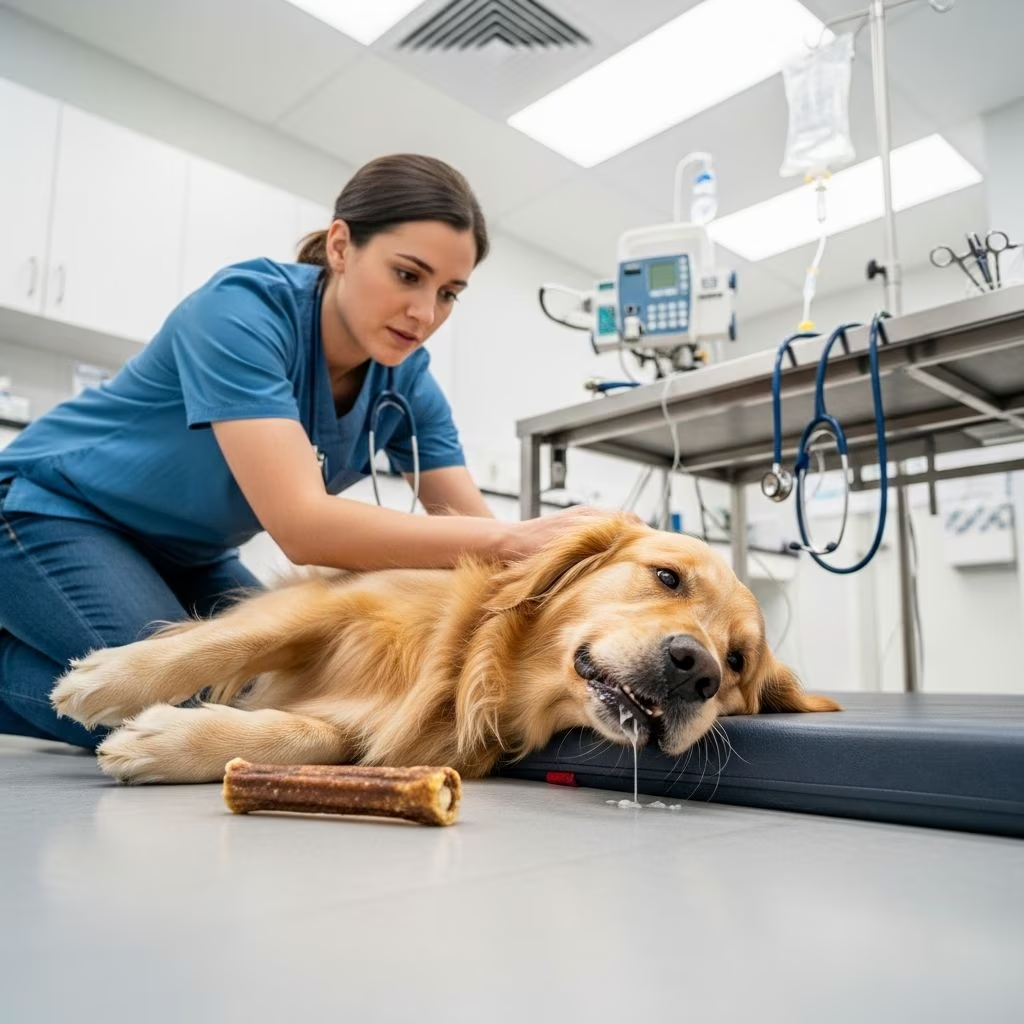
Bully sticks offer dogs a tasty, protein-packed chew, but swift consumption can lead to serious issues like choking or digestive obstructions. Owners must recognize warning signs and respond promptly to safeguard their pet’s well-being.
Why Bully Sticks Pose Swallowing Hazards
Derived from dried bovine pizzles, bully sticks provide long-lasting entertainment and dental benefits through chewing. Their tough texture encourages gnawing, yet enthusiastic dogs, particularly puppies or aggressive chewers, may gulp large portions whole. This behavior heightens risks because undigested chunks resist breakdown in the stomach, potentially lodging in the throat, esophagus, or intestines.
Smaller breeds face amplified dangers due to narrower airways and digestive tracts, making even modest pieces problematic. Factors like the stick’s thickness, your dog’s size, and chewing habits influence outcomes. While designed as digestible treats, rapid ingestion bypasses natural breakdown processes, transforming a healthy snack into a health threat.
Immediate Dangers of Swallowing
When a dog inhales a bully stick, the primary threats emerge quickly. Choking tops the list, blocking oxygen flow and demanding instant action. Beyond the airway, fragments can tear esophageal lining or perforate intestinal walls, sparking infections or peritonitis—a life-threatening abdominal inflammation.
Gastrointestinal blockages develop more gradually but prove equally perilous. Trapped material halts nutrient absorption, causes toxic buildup, and invites bacterial overgrowth. Without intervention, these complications escalate to sepsis or rupture, underscoring the need for vigilance post-incident.
Recognizing Choking Symptoms
Choking manifests dramatically, urging owners to identify cues swiftly:
- Frantic pawing at the mouth or throat
- Excessive drooling or foamy saliva
- Violent coughing, gagging, or retching
- Labored breathing with wheezing sounds
- Blue-tinted or pale gums signaling oxygen deprivation
- Signs of distress like pacing or collapse
These indicators demand immediate response, as delays heighten brain damage risks from hypoxia.
Signs of Gastrointestinal Blockage
Blockages reveal subtler yet persistent symptoms over hours or days:
- Repeated vomiting, possibly with undigested stick fragments
- Loss of appetite or refusal to eat
- Abdominal distension or tenderness when touched
- Diarrhea alternating with constipation
- Lethargy, weakness, or hunched posture
- Dry, sticky gums indicating dehydration
Monitor stool for stick remnants; absence alongside these signs warrants professional evaluation.
First Aid for Choking Episodes
Remain composed during a choking crisis to aid effectively. Initial steps include:
- Assess: Observe if the dog expels the object via coughing naturally.
- Examine mouth cautiously: Gently pry jaws open, avoiding blind probing to prevent deeper lodgment. Remove visible pieces with fingers or tools if safe.
- Employ gravity: For standing dogs, hoist hind legs upward like a wheelbarrow, tilting head downward to leverage physics.
If unsuccessful, perform a canine-adapted Heimlich maneuver:
- Position the dog standing or supported.
- Place fists behind the last rib, delivering sharp upward thrusts.
- For small dogs, use one hand to stabilize and the other for thrusts.
- Alternate with mouth checks for dislodged material.
Should efforts fail or breathing cease, rush to an emergency clinic without delay. Post-episode veterinary checkups remain essential, even if resolved.
Monitoring After Swallowing
Absent acute choking, observe closely for 24-48 hours. Withhold food for 12 hours, offering ice cubes or minimal water sips to curb nausea. Note behaviors in a log:
| Symptom Level | Observations | Action |
|---|---|---|
| Mild | One vomit, normal energy | Fast, then bland diet (rice, boiled chicken) |
| Moderate | 2-3 vomits, slight lethargy | Vet visit for fluids, anti-nausea meds |
| Severe | Ongoing vomit, pain, blood | Emergency care, imaging, possible surgery |
Reintroduce regular food gradually if improvement occurs. Persistent issues signal professional intervention.
Veterinary Interventions Explained
Vets tailor treatments to diagnostics like X-rays or ultrasounds revealing block locations.
- Endoscopy: A flexible scope retrieves upper tract obstructions non-invasively.
- Medications: Anti-emetics, antibiotics, or laxatives promote passage.
- Surgery: Laparotomy removes lower blockages or repairs perforations.
- Supportive Care: IV fluids combat dehydration; hospitalization monitors critical cases.
Prognosis excels with early detection; delays inflate complication rates.
Prevention Strategies for Safe Chewing
Avoid incidents through proactive measures:
- Supervise all chew sessions, confiscating dwindling ends.
- Select size-appropriate sticks: Thick for large dogs, thin for small.
- Opt for odor-free, high-quality products from reputable suppliers.
- Train ‘leave it’ and ‘drop it’ commands for control.
- Limit sessions to 10-15 minutes, storing leftovers securely.
These habits minimize risks while preserving bully sticks’ appeal.
Long-Term Digestive Health Tips
Bolster resilience with a fiber-rich diet, routine exercise, and probiotic supplements. Annual checkups catch predispositions like narrow intestines early. Educate family members on protocols to ensure consistent responses.
Frequently Asked Questions
Can small bully stick pieces pass naturally?
Tiny fragments often digest without issue, but monitor for distress. Consult vets for pieces over 2 inches.
How long before blockage symptoms appear?
Signs may emerge within hours or days, varying by piece size and dog physiology.
Should I induce vomiting at home?
Never; it risks aspiration or esophageal damage. Await veterinary guidance.
Are bully sticks safe for puppies?
Choose soft, small versions and supervise rigorously due to immature digestion.
What if my dog seems fine after swallowing?
Observe 48 hours; subtle blockages can worsen silently. Err toward caution with vet contact.
Choosing Quality Bully Sticks
Prioritize single-ingredient, USA-sourced sticks free of chemicals. Check for transparent sourcing and third-party testing. Avoid imports with preservatives linked to digestive upset.
References
- What to Do If Your Dog Threw Up a Bully Stick: Key Tips for Owners — Bully Sticks Direct. 2023-05-15. https://www.bullysticksdirect.com/blog/what-to-do-if-your-dog-threw-up-a-bully-stick-key-tips-for-owners/
- My Dog Swallowed a Bully Stick: Our Vet Explains What to Do — Hepper. 2024-02-10. https://articles.hepper.com/my-dog-swallowed-a-bully-stick-vet-answer/
- Dog Swallowed Bully Stick Blockage Concern — Dial A Vet. 2023-11-20. https://www.dialavet.com/vet-answers/dog-swallowed-bully-stick-blockage-concern-284152
- My Dog Swallowed a Bully Stick: Vet Answer — Dogster. 2024-01-05. https://www.dogster.com/ask-the-vet/my-dog-swallowed-a-bully-stick-vet-answer
- What to Do If Your Dog Swallowed Something They Shouldn’t Have — PetMD. 2023-08-12. https://www.petmd.com/dog/emergency/common-emergencies/e_dg_swallowed_objects
- When to Take a Bully Stick Away from Your Dog — Best Bully Sticks. 2023-09-18. https://www.bestbullysticks.com/blogs/bbs-blog/when-to-take-bully-stick-away



