

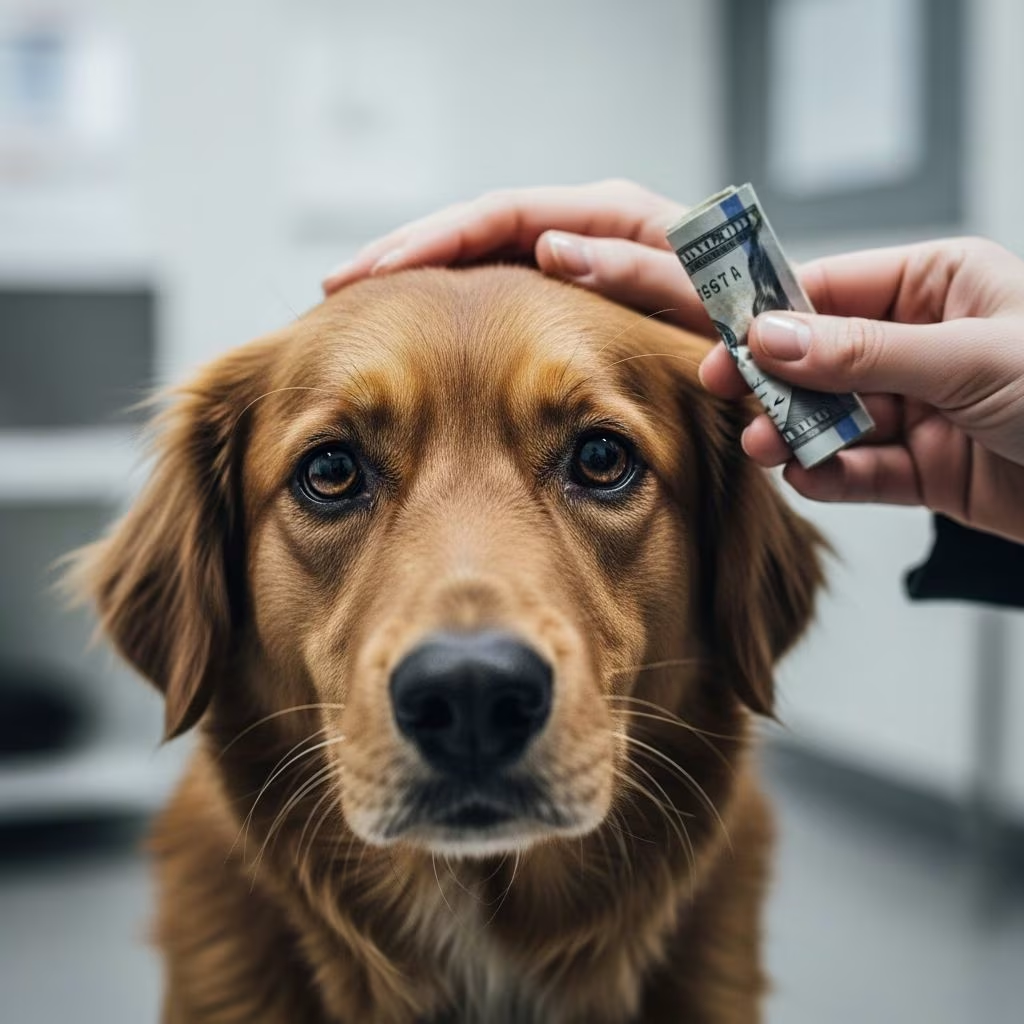
Many dog owners face tough decisions when life changes make keeping their pet impossible. Shelters often require fees for surrendering dogs to manage resources effectively and prioritize animal welfare. These charges, typically ranging from $30 to $75 per dog, help cover immediate care costs while discouraging impulsive surrenders.
Why Do Shelters Charge Surrender Fees for Dogs?
Shelters implement surrender fees to offset the high costs associated with intake, medical evaluations, vaccinations, and daily care for each incoming dog. Without these fees, facilities could quickly become overwhelmed, leading to overcrowding and potential euthanasia.
The fees ensure that owners are committed to the process and have exhausted other options. For instance, a $30 fee for dogs over six months old helps fund health screenings and behavior assessments that every surrendered pet undergoes. This financial barrier encourages responsible decision-making and supports sustainable shelter operations.
- Cost Recovery: Covers veterinary exams, spaying/neutering, and microchipping.
- Resource Management: Prevents hoarding or flipper behaviors where individuals surrender multiple pets frequently.
- Owner Accountability: Prompts owners to consider rehoming through personal networks first.
Typical Surrender Fees and What They Cover
Fees vary by location and organization but generally fall between $30 and $75. Public county shelters might charge less, while private humane societies often have higher rates due to limited space.
| Shelter/Location | Fee Amount | Applies To | Additional Notes |
|---|---|---|---|
| Maryland SPCA | $30 | Dogs over 6 months or per litter under 6 months | Cash/credit required at appointment |
| Humane Society of Charles County | $75 | Per pet | Application required before appointment |
| Fairfax County Animal Shelter | Varies (appointment-based) | County residents only | No upfront fee mentioned; focuses on profiles |
These fees directly contribute to the pet’s transition: intake paperwork transfers ownership, medical testing checks for illnesses, and behavior evaluations determine adoptability. Puppies and litters may have adjusted rates to account for group processing.
The Surrender Appointment Process Step-by-Step
Most shelters require appointments to manage intake flow and space limitations. Walk-ins are rare, especially post-pandemic when many facilities resumed surrenders with protocols.
- Complete a Profile/Application: Submit online forms detailing the dog’s age, health, behavior, and reason for surrender. This helps staff prepare.
- Provide Documentation: Bring photo ID, proof of ownership, medical records, and photos of the dog. Some require residency proof.
- Phone Consultation: Discuss retention options or alternatives before approving the appointment.
- Attend Appointment: Pay the fee, sign ownership transfer, and leave the dog for evaluation. Expect 30-60 minutes.
- Post-Surrender: The dog undergoes health checks and a one-day hold before behavior testing.
Owners must be the legal guardian; third parties need signed authorization. Shelters like Fairfax County emphasize finality—once signed, ownership transfers irrevocably.
Alternatives to Shelter Surrender: Smarter Rehoming Options
Before heading to a shelter, explore these alternatives to give your dog the best chance at a smooth transition without shelter stress.
- Return to Original Adopter: Contact the rescue or shelter where you adopted the dog—they often have return policies.
- Network Rehoming: Post on community boards, ask friends/family, or use breed-specific groups. Provide full disclosure about the dog’s history.
- Rescue Organizations: Partner with breed rescues or no-kill groups that may waive fees for good fits.
- Foster Programs: Temporary fostering through networks can bridge gaps during moves or hardships.
Prince George’s County recommends microchipping, leashing, and spaying/neutering to prevent surrenders altogether, resuming intakes only after capacity management.
Legal and Regulatory Framework for Animal Shelters
Maryland’s animal shelter standards mandate record-keeping for each intake, including species, age, entry date, and unique ID. Violations can lead to civil penalties and required remedial actions. These regulations ensure humane treatment and traceability, influencing why fees are standardized.
Shelters must evaluate every surrendered dog, maintaining minimum care standards like clean housing and veterinary oversight. This framework protects both animals and facilities from liability.
Preventing the Need for Surrender: Proactive Pet Ownership
Responsible ownership reduces surrender rates. Key strategies include:
- Secure Enclosures: Fences and gates prevent escapes.
- ID and Microchips: Increases return-to-owner chances dramatically.
- Training and Socialization: Addresses behavior issues early.
- Financial Planning: Pet insurance or emergency funds for vet bills.
- Spay/Neuter: Curbs overpopulation and roaming.
Life changes like moves, allergies, or job loss are common triggers. Early planning, such as adopter contracts requiring permission for rehoming, helps.
FAQs About Dog Surrender Fees and Processes
What if I can’t afford the surrender fee?
Some shelters offer waivers for hardships, but most require payment upfront. Exhaust alternatives first.
Can I surrender a dog that’s not mine?
No—proof of ownership is mandatory. The legal owner must attend or authorize.
How long does evaluation take after surrender?
Health tests immediately, behavior after at least one day.
Are puppies charged differently?
Often per litter under 6 months, same as adults otherwise.
What happens if the shelter is full?
Appointments may be rescheduled; some pause intakes temporarily.
Emotional Considerations for Owners Facing Surrender
Surrendering a dog is heartbreaking. Many owners experience guilt, but shelters view it as a compassionate choice over neglect. Post-surrender, consider grief counseling through pet loss hotlines. Focus on the dog’s future—shelters match based on evaluations for ideal homes.
Success stories abound: dogs thrive in new families after intake. Your fee contributes to that happy ending.
References
- Rehoming – Maryland SPCA — Maryland SPCA. Accessed 2026. https://mdspca.org/rehoming/
- Surrendering Your Pet | Animal Services – Fairfax County — Fairfax County Government. Accessed 2026. https://www.fairfaxcounty.gov/animalservices/surrenderingyourpet
- Surrendering Your Pet – Humane Society of Charles County — Humane Society of Charles County. Accessed 2026. https://humanesocietycc.org/services/surrendering-your-pet/surrendering-your-pet.html
- Animal Services and Adoption Center to Resume Owner Surrenders May 1 — Prince George’s County MD Government. 2024-05-01. https://www.princegeorgescountymd.gov/departments-offices/news-events/news/animal-services-and-adoption-center-resume-owner-surrenders-may-1
- Chapter 11 Animal Shelters — Minimum Standards of Care — Maryland Department of Agriculture. Accessed 2026. https://mda.maryland.gov/vetboard/documents/laws-regs/chapter%2011%20-%20animal%20shelter%20minimum%20standards.pdf



