

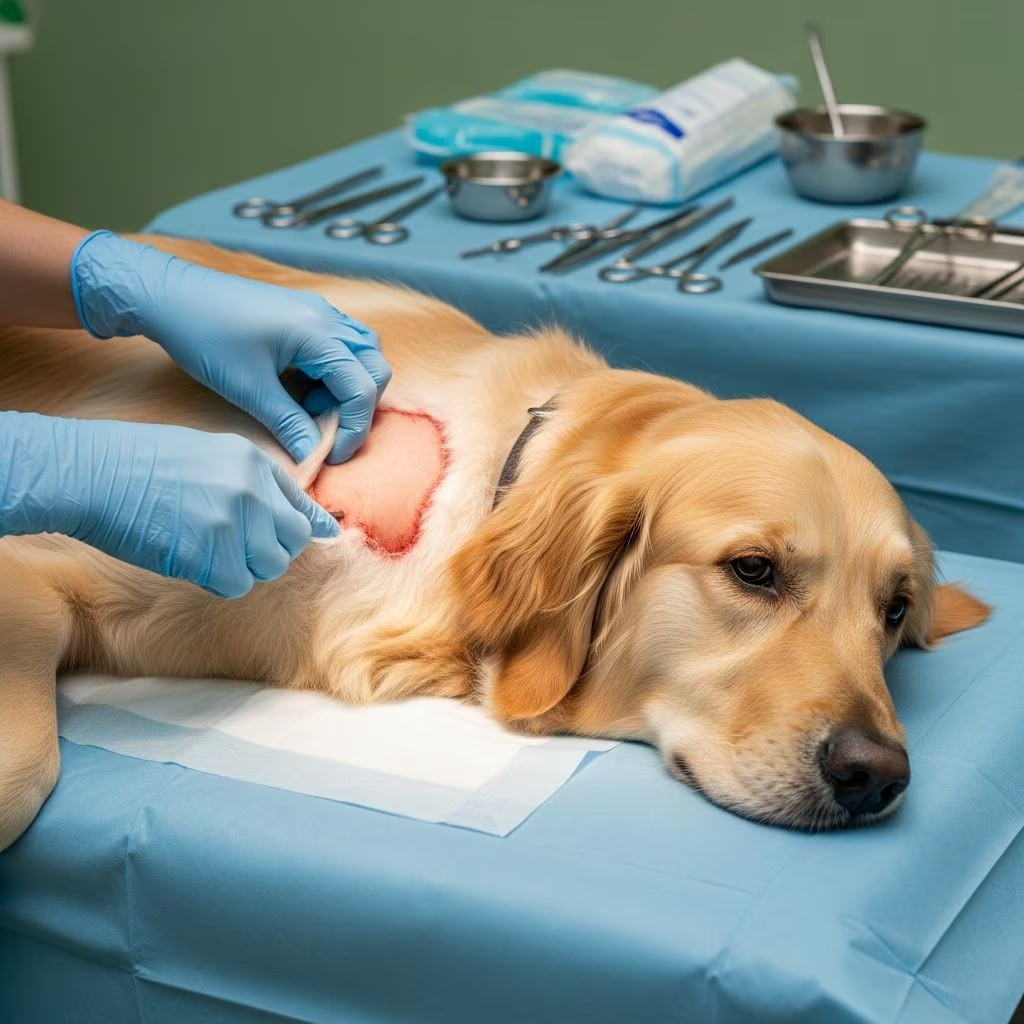
Surgical procedures represent a significant event in any dog’s life, requiring careful planning and preparation to ensure the best possible outcomes. Whether your dog requires orthopedic repair, dental extraction, tumor removal, or another surgical intervention, understanding how to properly ready your pet can substantially influence recovery speed and success rates. This guide walks you through the essential preparation steps that veterinary professionals recommend before your dog undergoes anesthesia and surgical treatment.
Understanding the Importance of Pre-Surgical Preparation
Preparation for canine surgery extends far beyond simply arriving at your veterinary clinic on the scheduled day. Research in veterinary medicine demonstrates that implementing comprehensive pre-operative protocols significantly reduces complications and accelerates healing. A well-prepared surgical candidate experiences fewer anesthetic complications, better pain management, and smoother recovery transitions. When owners invest time in understanding their dog’s specific pre-operative requirements, they actively participate in their pet’s medical care and foster optimal surgical conditions.
Initial Veterinary Consultation and Medical History
The foundation of successful surgical preparation begins with a thorough pre-operative consultation with your veterinarian. During this appointment, communicate your dog’s complete medical history, including any previous surgeries, anesthetic reactions, or health complications. Disclose all current medications, supplements, herbal products, and recent vaccinations. This conversation should address your specific questions about the procedure itself, expected recovery duration, pain management strategies, and discharge protocols.
Your veterinarian will inquire about your dog’s general health status. Dogs exhibiting signs of illness such as coughing, sneezing, runny eyes, nasal discharge, or gastrointestinal disturbances may require postponement of elective procedures. Addressing underlying infections or illnesses before surgery prevents complications and ensures your dog is in optimal condition for anesthesia.
Pre-Operative Medical Testing and Diagnostics
Before surgical intervention, veterinary professionals typically recommend comprehensive medical testing to establish baseline health parameters and identify potential complications. Pre-anesthetic bloodwork evaluates multiple critical health markers:
- Liver function through hepatic enzyme measurements
- Kidney function via blood urea nitrogen and creatinine levels
- Blood glucose concentrations, particularly important for diabetic dogs
- Red and white blood cell counts to detect infection or anemia
- Clotting ability to assess hemorrhage risk
Senior dogs and those with underlying medical conditions often benefit from additional diagnostic imaging such as chest radiographs or electrocardiograms (EKGs) to evaluate heart function. These tests allow your veterinary surgeon to customize anesthesia protocols based on your individual dog’s physiological needs, substantially improving safety during the procedure.
Vaccination Status and Health Certification
Ensure your dog’s vaccinations are current before the surgical date. Ideally, core vaccinations should be administered at least two weeks prior to the procedure. Current vaccination status strengthens your dog’s immune system and reduces infection risk during the perioperative period. This advance timing allows the immune system to generate adequate antibody responses without compromising surgical scheduling.
Medication Management Before Surgery
Inform your veterinary team about every medication your dog takes, including prescription drugs, over-the-counter supplements, and topical applications. Certain medications require discontinuation before surgery, while others may need dose adjustments or timing modifications. Nonsteroidal anti-inflammatory drugs (NSAIDs) and corticosteroids often need to be paused days or weeks before the procedure due to their effects on bleeding and immune function.
Your veterinarian will provide specific instructions about which medications to continue through the pre-operative period and which to withhold. Do not modify your dog’s medication regimen without explicit veterinary guidance, as sudden discontinuation of certain drugs can create health risks.
Fasting Protocols: Critical for Anesthetic Safety
One of the most important pre-operative instructions involves fasting your dog before surgery. Most dogs require food withholding for 8 to 12 hours prior to anesthesia administration. This fasting period is not arbitrary; it serves a critical safety function by preventing regurgitation and aspiration of stomach contents during anesthesia, which can cause life-threatening complications.
Water management requires careful attention. Your veterinarian will typically permit limited water intake until early morning on the surgery day, though specific instructions vary by clinic protocol and procedure type. Always follow your veterinary clinic’s explicit guidance regarding both food and water withholding times.
Age and medical status influence fasting requirements. Puppies under four months old may follow different fasting schedules to prevent hypoglycemia. Diabetic dogs require modified protocols to maintain blood glucose stability. When you check in for surgery, inform the veterinary staff of the exact time your dog last ate and consumed water, as this information affects anesthesia induction timing and depth.
Pre-Operative Grooming and Hygiene Preparation
Complete any necessary grooming one to two days before the surgical appointment. Bathing your dog reduces skin surface bacteria, lowering infection risk at the surgical site. However, bathing too close to surgery can cause skin irritation or compromise skin barrier integrity. Timing your dog’s final bath appropriately balances cleanliness with healing preparation.
Trim your dog’s nails before surgery to prevent post-operative self-trauma. During recovery, dogs often attempt to scratch or paw at incision sites, and overgrown nails increase injury risk. Additionally, remove any matted fur or debris from your dog’s coat, as the surgical team will extensively clip the surgical site, and pre-existing contamination can complicate this process.
Creating an Optimal Home Recovery Environment
Prepare your home’s recovery space well before surgery day rather than scrambling to arrange it afterward. Design a calm, quiet area that minimizes environmental stress and disturbance. This recovery zone should feature:
- Soft, comfortable bedding for pain relief and rest
- Low lighting to reduce sensory stimulation
- Minimal noise exposure
- Easy access to fresh water bowls
- Proximity to outdoor relief areas, if possible
- Restricted movement to prevent incision disruption
For active dogs prone to jumping on furniture, install baby gates or utilize crates to enforce movement restrictions during early recovery. Prepare designated areas where your dog can rest safely without accessing stairs or jumping surfaces that could compromise surgical sites.
Gather post-operative supplies before surgery day, including any prescribed medications, wound care materials, and specialized dietary foods your veterinarian recommends. Having these items readily available enables immediate post-operative care without requiring last-minute shopping trips that might delay pain management or medication administration.
Logistical Planning and Scheduling Preparation
Coordinate transportation logistics with reliable individuals who can transport your dog to and from the surgical facility. Confirm both drop-off and pick-up times with your veterinary clinic, noting whether same-day discharge or overnight observation is planned. Understanding these logistics prevents day-of complications and ensures someone is always available to care for your dog immediately after surgery.
Arrange to take time off work on surgery day and for at least 24 to 48 hours afterward if possible. Post-operative monitoring requires attentive care during the critical recovery period when complications are most likely to emerge. Your dedicated presence enables prompt recognition of concerning symptoms and immediate veterinary consultation if needed.
Keep your phone fully charged and accessible throughout the surgical day. The veterinary clinic may need to contact you with updates about your dog’s condition or surgical outcomes, and you should be immediately reachable without delay.
Mental and Emotional Preparation
Dogs are remarkably perceptive animals that detect their owners’ emotional states. If you approach surgery day anxious or stressed, your dog will sense this tension and experience heightened anxiety. Cultivate calm, composed energy in the days preceding surgery. Maintain normal routines as much as possible while providing extra affection, playtime, and reassurance. Your grounded emotional state directly contributes to your dog’s pre-operative comfort and post-operative recovery success.
Morning of Surgery: Final Steps
On surgery day, provide your dog with a good walk or bathroom break before arriving at the clinic. This activity allows your dog to empty the bladder and bowels, improving comfort during anesthesia and recovery. Arrive at your appointment on time or slightly early, allowing adequate time for check-in paperwork without rushing. Late arrivals may result in surgery postponement and rescheduling, disrupting your preparation timeline.
Remove your dog’s collar or harness before check-in, allowing the veterinary staff to apply their own restraint systems. Bring any pre-packed meals if your dog will be staying overnight at the surgical facility. Ensure all family members understand pre-operative fasting requirements to prevent accidental feeding that could compromise surgery safety.
What Occurs During the Surgical Process
Understanding what happens after your dog enters the operating room alleviates anxiety about the procedure. Upon arrival, the veterinary team performs a final physical examination and confirms consent documentation. They administer pre-operative sedatives, anti-nausea medications, and antibiotics. An intravenous catheter is placed to deliver fluids and emergency medications throughout the procedure.
The surgical site receives extensive clipping to minimize infection risk. Your dog is then induced under general anesthesia and intubated to maintain respiratory support during surgery. Throughout the procedure, trained monitoring staff continuously track heart rate, blood pressure, oxygen saturation, body temperature, and respiratory rate to ensure your dog’s safety.
Post-Operative Care Initiation
Recovery begins immediately after surgery concludes. Your veterinarian will provide detailed post-operative instructions addressing medication administration, activity restriction, wound care, dietary modifications, and follow-up appointment scheduling. These instructions represent critical components of your dog’s healing process and should be followed meticulously.
Most dogs experience some grogginess, disorientation, or nausea immediately following anesthesia. Keep your dog confined to a quiet recovery space for the first 24 to 48 hours, monitoring closely for signs of complications such as excessive bleeding, swelling, difficulty breathing, or behavioral changes. Contact your veterinarian immediately if any concerning symptoms develop.
Common Pre-Operative Questions Answered
Frequently Asked Questions About Dog Surgery Preparation
Q: Can my dog eat treats before surgery, even if I’m withholding food?
A: No. Your veterinarian’s fasting instructions include all food and treats, as even small amounts can increase aspiration risks. Follow the explicit guidelines provided.
Q: What if my dog seems anxious before surgery?
A: Maintain normal routines and provide extra affection. Your calm demeanor helps reassure your dog. If anxiety is severe, discuss anxiety medication options with your veterinarian.
Q: How long should I restrict my dog’s activity after surgery?
A: Activity restrictions vary by surgery type. Your veterinarian will provide specific duration recommendations. Orthopedic procedures typically require longer restriction than dental procedures.
Q: Will my dog experience pain after surgery?
A: Most surgical procedures involve post-operative pain. Your veterinarian prescribes pain management medications to keep your dog comfortable during healing. Never skip prescribed pain medication unless specifically instructed.
Q: When can my dog resume normal bathing?
A: Most dogs cannot bathe for several weeks following surgery while incisions heal and stitches remain in place. Your veterinarian will advise when bathing becomes safe.
Conclusion: Your Role in Surgical Success
Proper pre-operative preparation fundamentally influences your dog’s surgical experience and recovery trajectory. By following veterinary recommendations regarding fasting, medical testing, medication management, home preparation, and logistical coordination, you actively optimize your dog’s surgical safety and post-operative outcomes. Understanding what to expect before, during, and after surgery empowers you to provide informed, attentive care throughout this significant health event. Your investment in thorough preparation demonstrates deep commitment to your dog’s wellbeing and contributes meaningfully to a successful surgical experience.
References
- How to Prepare Your Dog or Cat for Surgery: Complete Checklist Every Owner Needs — Cainhoy Veterinary Medical Center. https://www.cainhoyvet.com/dog-cat-surgery-prep-checklist/
- Preparing Your Pet for Veterinary Surgery: A Step-by-Step Checklist — Amor Animal Hospital. https://www.amorhospital.com/preparing-pet-for-veterinary-surgery/
- Your Pre-Op Checklist For Your Pet’s Surgery — Browning Guthrie Veterinary Surgical Specialists. https://bgvss.com/blog/your-pre-op-checklist-for-your-pets-surgery/
- Step-by-Step: Pet Dental Surgery Pre-Op Checklist — Coral Way Animal Clinic. https://www.coralwayanimalclinic.us/stepbystep-pet-dental-surgery-preop-checklist
- Pet Surgery Checklist In Kirkwood, MO — Kirkwood Veterinary Clinic. https://kirkwoodvets.com/surgery-checklist-kirkwood-mo/
- Pre-Operative Instructions for Dogs — Dakin Humane Society. https://www.dakinhumane.org/pre-operative-instructions-for-dogs
- A Checklist for Safer Surgeries — DVM360. https://www.dvm360.com/view/checklist-safer-surgeries



