

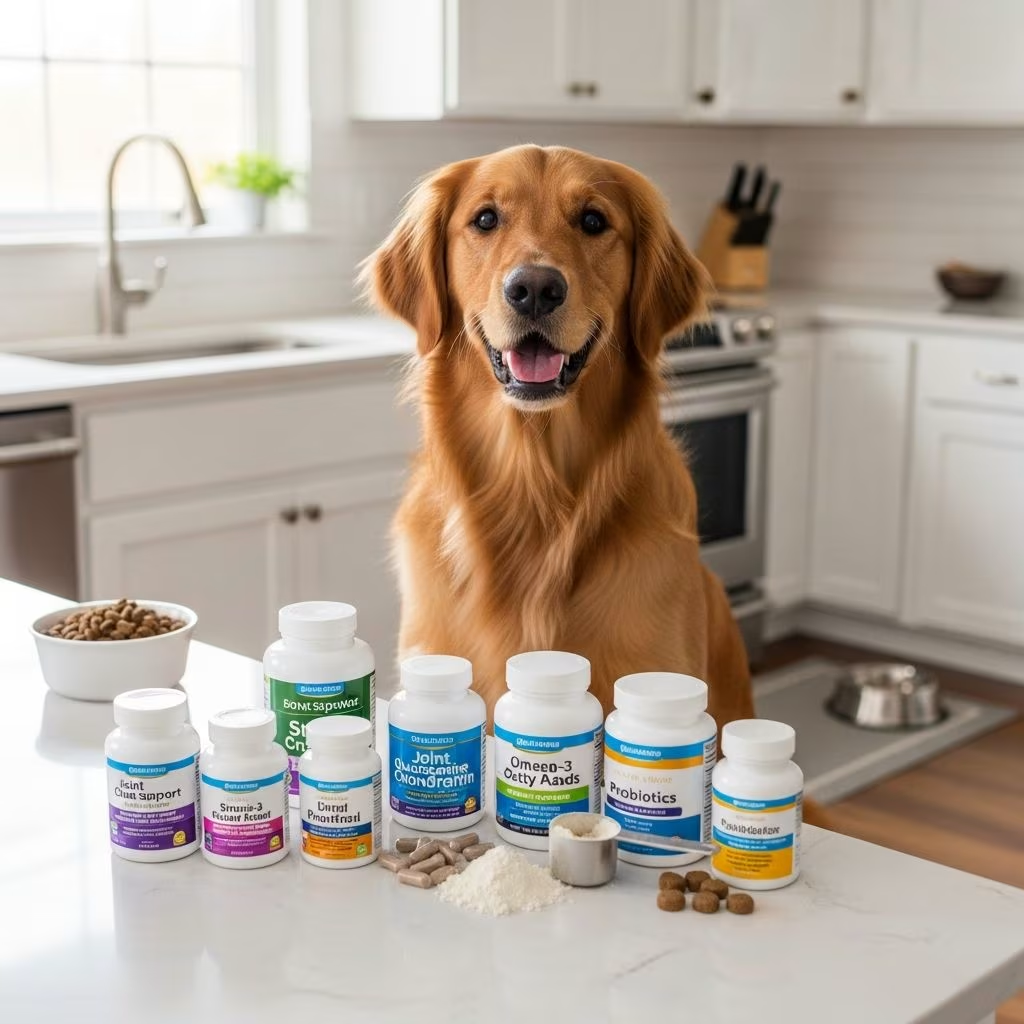
Supplements play a vital role in supporting dogs’ overall well-being, especially when diet alone falls short due to age, breed predispositions, or health challenges. From maintaining mobile joints to fostering a robust gut microbiome, these targeted additions can significantly elevate your dog’s quality of life. This guide delves into key supplement categories, their mechanisms, benefits, and practical usage tips drawn from veterinary expertise.
Why Consider Supplements for Your Dog?
Dogs, like humans, benefit from nutritional boosts tailored to specific needs. A balanced commercial diet provides core nutrients, but factors such as aging, stress, or medical conditions may create gaps. Supplements address these by delivering concentrated doses of beneficial compounds. For instance, senior dogs often require joint aids to combat arthritis, while puppies thrive on immune enhancers. Veterinary recommendations emphasize starting with a vet consultation to avoid over-supplementation, which could lead to imbalances.
Key advantages include improved mobility, shinier coats, better digestion, and stronger defenses against illness. Research highlights their role in managing chronic issues like osteoarthritis and skin allergies, promoting longevity and vitality.
Joint Support Supplements: Keeping Dogs Active
Joint health is paramount for active and aging dogs. Large breeds and seniors frequently face wear on cartilage, leading to stiffness and pain. Common ingredients like glucosamine and chondroitin work synergistically to maintain joint lubrication and structure. Glucosamine, an amino sugar, aids cartilage formation, while chondroitin inhibits enzymes that degrade it. MSM (methylsulfonylmethane) adds sulfur for tissue repair and reduces inflammation.
Studies show these compounds alleviate osteoarthritis symptoms, enhancing mobility after consistent use, often within 70 days. Ideal for breeds like Labradors or German Shepherds prone to hip dysplasia. Dosage typically ranges from 20-50 mg per pound of body weight daily, split into meals. Look for vet-formulated products to ensure bioavailability.
| Ingredient | Primary Benefit | Best For |
|---|---|---|
| Glucosamine | Cartilage building | Osteoarthritis |
| Chondroitin | Joint lubrication | Hip dysplasia |
| MSM | Anti-inflammatory | Joint pain relief |
Omega Fatty Acids: For Skin, Coat, and Beyond
Fish oil, rich in EPA and DHA omega-3s, stands out as a versatile supplement. These fatty acids reduce inflammation, benefiting skin conditions, allergies, heart function, and even cognitive health. They promote glossy coats by regulating sebum production and soothe itchy skin. In cardiac cases, omega-3s support muscle strength and lower triglycerides, crucial for breeds like Miniature Schnauzers.
Veterinarians often prescribe fish oil for its broad applications, including osteoarthritis relief. Aim for 20-55 mg of combined EPA/DHA per pound daily. Choose molecularly distilled sources to minimize contaminants like mercury. Plant-based alternatives like flaxseed offer ALA, though conversion to usable forms is less efficient in dogs.
- Enhances coat shine and reduces shedding.
- Supports brain development in puppies.
- Aids heart health in seniors.
Probiotics and Digestive Aids: Gut Health Essentials
A healthy gut microbiome underpins digestion, immunity, and nutrient uptake. Probiotics introduce beneficial bacteria like Lactobacillus and Bifidobacterium, restoring balance post-antibiotics or during diarrhea. They combat pathogens, improve stool quality, and enhance absorption of vitamins.
Enzymes in some formulas break down proteins, fats, and carbs for dogs with sensitivities. Benefits extend to fewer allergies and stronger immunity, as 70% of immune cells reside in the gut. Administer 1-10 billion CFUs daily, refrigerated for viability. Prebiotics like inulin feed these microbes for amplified effects.
Vitamins and Minerals: Filling Nutritional Gaps
While complete foods meet most needs, targeted vitamins address deficiencies. B-complex vitamins, including B12 (cobalamin), fuel energy metabolism, red blood cell production, and nerve health, preventing anemia. Vitamin C, an antioxidant, bolsters immunity and collagen synthesis, aiding seniors’ cognition. Fat-soluble vitamins D, E, and K regulate calcium for bones, protect cells, and ensure clotting.
- Vitamin D: Bone mineralization and insulin support.
- Vitamin E: Growth in pups, anti-aging in elders.
- Vitamin K: Blood clotting and bone development.
Multivitamins provide a safety net but avoid excess fat-solubles, which accumulate. Water-soluble ones like B and C excrete easily.
Antioxidants and Immune Boosters: Combating Aging
Free radicals accelerate aging, causing cognitive decline and inflammation. Antioxidants neutralize them: vitamins C and E shield cells, while CoQ10 converts food to energy and fights oxidative stress. These support heart health, memory, and vitality in seniors.
Organ blends from grass-fed sources offer natural antioxidants like selenium and zinc, enhancing immunity. Regular use reduces infection risk and promotes longevity.
Selecting Quality Supplements: What to Prioritize
Not all products are equal. Seek NASC (National Animal Supplement Council) seals for quality assurance. Check third-party testing for purity. Forms vary: chews for picky eaters, powders for mixing, liquids for precision. Tailor to life stage—puppies need growth aids, adults maintenance, seniors anti-aging.
Consult vets for interactions, especially with medications. Start low, monitor for 4-6 weeks.
| Life Stage | Recommended Supplements |
|---|---|
| Puppy | Omegas, probiotics, multivitamins |
| Adult | Joint support, fish oil |
| Senior | Glucosamine, antioxidants, CoQ10 |
Integration Tips and Potential Risks
Incorporate gradually to avoid tummy upset. Pair with exercise for joint benefits. Hydration aids absorption. Risks include overdosing fat-solubles or allergies—watch for vomiting or lethargy. Pregnant or nursing dogs need vet approval.
Frequently Asked Questions (FAQs)
Are dog supplements necessary if feeding premium food?
Premium kibble covers basics, but targeted supplements address individual needs like joint issues or allergies.
How long until I see results from joint supplements?
Typically 4-8 weeks; consistency is key for cartilage repair.
Can I give human supplements to my dog?
No—dosages and ingredients differ; use canine-specific formulas.
What’s the best fish oil brand for dogs?
Opt for high-EPA/DHA, purified products from reputable vets like those recommended by professionals.
Do probiotics help with dog anxiety?
Gut-brain axis links suggest yes; they reduce stress-related diarrhea.
References
- Essential Vitamins for Dogs — Hill’s Pet Nutrition. 2023. https://www.hillspet.com/dog-care/nutrition-feeding/vitamins-for-dogs
- What Are Dog Supplements and How Do They Work? — PetMD. 2024. https://www.petmd.com/dog/nutrition/what-are-dog-supplements-how-do-they-work
- Dog Supplements Guide From A Veterinarian — iHerb Wellness Hub. 2023. https://www.iherb.com/blog/dog-supplements/1968
- Pet Owner’s Guide to Choosing the Best Dog Supplements — Embark Vet. 2024. https://embarkvet.com/resources/best-dog-supplements-guide/
- What Are Dog Supplements and What Do They Do? — American Kennel Club (AKC). 2023. https://www.akc.org/expert-advice/nutrition/popular-dog-supplements/



