

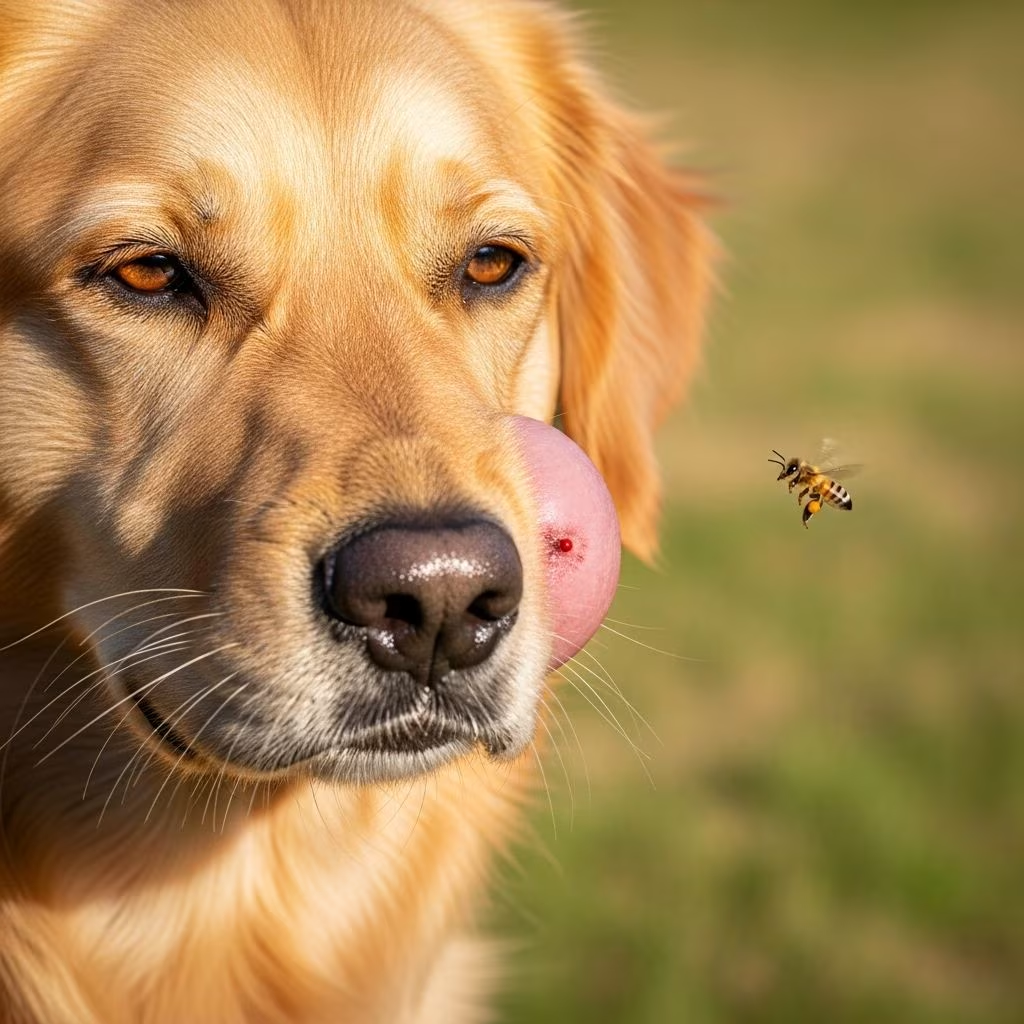
What to Do When Your Dog Gets Stung by a Bee
Bee stings are a common occurrence for dogs, especially during warm months when they spend more time outdoors exploring gardens, fields, and other natural areas. While many bee stings result in minor discomfort, some can trigger serious allergic reactions requiring immediate veterinary attention. Understanding how to recognize the signs of a bee sting, administer appropriate first aid, and know when professional help is needed can make a significant difference in your dog’s health and safety.
Recognizing Signs Your Dog Has Been Stung by a Bee
The symptoms of a bee sting in dogs can range from mild to severe, depending on the location of the sting, the number of stings, and your individual dog’s sensitivity to bee venom. Recognizing these signs early allows you to take prompt action and seek veterinary care if necessary.
Mild Reaction Symptoms
Most dogs experience mild reactions to bee stings, which are uncomfortable but not life-threatening. Watch for these common indicators:
– Sudden onset of yelping, whining, or limping- Licking, chewing, pawing, or scratching at the sting site- Visible redness and swelling at the bite location- Sensitivity to touch in the affected area- Visible stinger embedded in the skin- Development of hives or welts on the body- Mild to moderate swelling around the sting site- Excessive drooling, particularly if stung in or near the mouth
Severe Allergic Reaction Symptoms
While less common, severe allergic reactions to bee stings can develop rapidly and require emergency veterinary care. Anaphylactic reactions typically occur within 10 minutes of being stung, though delayed reactions can happen hours later. Be alert for these warning signs:
– Severe facial or body swelling that extends beyond the sting site- Vomiting or diarrhea- Pale or bluish gums and tongue- Dizziness, disorientation, or confusion- Difficulty breathing, wheezing, or rapid breathing- Complete collapse or loss of consciousness- Weakness or lethargy- Seizures
If you observe any of these severe symptoms, contact your veterinarian immediately or proceed to an emergency veterinary clinic without delay. Anaphylaxis is life-threatening and requires professional medical intervention.
First Aid Treatment for Bee Stings
If your dog has been stung by a bee and is showing only mild symptoms, you can implement several first aid measures at home while monitoring for any signs of worsening reactions.
Step 1: Remove the Stinger
If the stinger is still visible in your dog’s skin, carefully remove it as soon as possible. Use a flat-edged object such as a credit card, library card, or butter knife. Hold the card at a low angle against the skin and gently scrape the stinger away from the wound. Avoid pinching or squeezing the stinger, as this can release additional venom into your dog’s body. Once removed, the venom release will stop, minimizing further toxin injection.
Step 2: Clean the Area
After removing the stinger, wash the affected area thoroughly with mild soap and warm water. This helps prevent infection and removes any remaining venom residue. Gently pat the area dry with a clean cloth.
Step 3: Apply Cold Therapy
Cold therapy is one of the most effective ways to reduce pain and swelling from a bee sting. Apply an ice pack, a bag of frozen peas, or a cloth soaked in cold water to the sting site for 10 minutes at a time. You can repeat this process every few hours as needed. Always wrap the ice pack in a towel or cloth to prevent direct contact with your dog’s skin, which can cause ice burn. This is particularly important for sensitive areas like the nose, muzzle, and paw pads. Check the temperature of the wrapped ice pack on your own skin before applying it to your dog.
Step 4: Apply Topical Remedies
Several household products can help soothe the sting site and provide relief from itching and discomfort:
Baking Soda Paste
Mix baking soda with water in a 3:1 ratio to create a paste. Apply this mixture to the sting site and reapply every couple of hours until the swelling subsides. The alkaline nature of baking soda helps neutralize the acidic bee venom, reducing inflammation and itching. Be cautious about your dog ingesting baking soda, as it can cause stomach upset in large quantities.
Sodium Bicarbonate Solution
Bathing the affected area with a solution of sodium bicarbonate can also help neutralize bee venom and provide relief.
Oatmeal Bath
If your dog has multiple stings across their body, an oatmeal bath can provide soothing relief. Add one cup of plain oatmeal, ground into a fine powder, to a tub of lukewarm water. Allow your dog to soak for approximately 10 minutes, then rinse thoroughly with clean water. This treatment is particularly beneficial for dogs with widespread hives or multiple sting sites.
Step 5: Prevent Further Irritation
Prevent your dog from scratching, licking, or chewing at the sting site, as this can cause secondary infection and increase inflammation. If necessary, use an Elizabethan collar (cone) to protect the area. Restrict your dog’s activity and keep them calm, as excessive movement and excitement can increase blood flow to the sting site and worsen swelling.
When to Contact Your Veterinarian
Contact your veterinarian immediately if your dog experiences any of the following situations:
– Multiple bee stings- Stings located on or around the face, mouth, or throat- Any signs of allergic reaction, including facial swelling, difficulty breathing, or vomiting- Stings that result in swelling that progressively worsens rather than improves- Signs of infection developing at the sting site- Your dog swallowed a bee and is showing signs of vomiting- Symptoms that don’t improve within 24 hours
Veterinary Treatment Options
When you bring your dog to the veterinarian for bee sting treatment, your vet will conduct a thorough assessment to determine the appropriate course of action.
Treatment for Mild Reactions
For mild allergic reactions, your veterinarian may recommend or administer:
– Full clinical examination and assessment for signs of anaphylaxis- Antihistamines to reduce allergic response- Anti-inflammatory medications to decrease swelling and pain- Pain relief medication for comfort- Topical treatments or creams to soothe the sting site
Treatment for Severe Allergic Reactions
Dogs experiencing severe allergic reactions or anaphylaxis require intensive emergency treatment, which may include:
– Immediate administration of epinephrine (adrenaline)- Intravenous fluid therapy to maintain blood pressure and organ function- Oxygen therapy to ensure adequate oxygen supply- Corticosteroids or other emergency medications- Close monitoring in a hospital setting for several days- Additional medications as needed based on your dog’s response
Special Considerations for Specific Sting Locations
Stings Inside the Mouth or on the Muzzle
Stings occurring inside your dog’s mouth, on the lips, or in the muzzle area require special attention because swelling in these areas can potentially obstruct your dog’s airway. Monitor your dog closely for signs of breathing difficulties, including frequent coughing, gagging, wheezing, or excessive drooling. Even mild swelling in these areas warrants a call to your veterinarian for guidance. Contact your vet immediately if swelling increases dramatically or if you notice any signs of airway obstruction.
Stings on the Head or Face
Head and facial stings are concerning due to proximity to the eyes, nose, and airway. The primary concern is ensuring that any swelling does not interfere with breathing or vision. Monitor the affected area for several hours, and seek veterinary care if swelling increases significantly.
Multiple Stings
Multiple bee stings pose a greater risk than single stings due to the cumulative amount of venom introduced into your dog’s body. Dogs with multiple stings are more likely to experience severe allergic reactions. Seek veterinary attention promptly if your dog has been stung more than once.
Important Precautions and Follow-Up Care
After your dog has recovered from a bee sting, take steps to prevent future incidents. An important note to remember is not to let your dog straight back into the yard immediately after treatment. If your dog receives another bee sting shortly after the first incident, the reaction can be more severe and potentially more dangerous. Bee stings occurring close together have a greater chance of triggering a more severe and faster allergic reaction that is more likely to be fatal in susceptible dogs. Allow adequate time between exposures and monitor your dog closely during yard time.
Prevention Strategies
While you cannot completely eliminate the risk of bee stings, you can take measures to reduce the likelihood of your dog encountering bees:
– Avoid areas known to have bee activity, particularly during peak seasons- Discourage your dog from chasing or playing with flying insects- Keep your yard well-maintained and remove flowering plants that attract bees if your dog is highly reactive- Supervise outdoor time, especially in areas with known bee populations- Be extra cautious near flowering gardens, compost piles, or fruit trees- Consider keeping your dog indoors during peak bee activity times- Talk to your veterinarian about preventative antihistamines if your dog has a history of allergic reactions
Understanding the Timeline of Symptoms
Allergic reactions to bee stings typically develop within 10 to 30 minutes to one hour after being stung, though reactions can be delayed until several hours later. This is why continuous monitoring is essential, even if your dog appears fine immediately after the sting. Some dogs may show initial mild symptoms that gradually worsen, while others may experience sudden onset of severe symptoms. Keep a close eye on your dog throughout the day and evening following a bee sting incident.
When Your Dog Swallows a Bee
If your dog catches and swallows a bee, monitor for signs of vomiting, as this is the primary concern when bees are ingested. The gastrointestinal tract is generally effective at managing bee toxins due to stomach acid, and most dogs that swallow bees recover without complications. However, if vomiting occurs, contact your veterinarian. Your vet may recommend anti-nausea medication or antihistamines depending on the severity of symptoms. Watch for signs of throat or mouth swelling that could obstruct breathing.
Frequently Asked Questions About Dog Bee Stings
Q: How long does it take for bee sting swelling to go down in dogs?
A: Mild swelling typically decreases within 24 to 48 hours with proper treatment. However, some dogs may experience swelling for several days. Apply cold therapy and follow your veterinarian’s recommendations for antihistamines or anti-inflammatory medications to speed recovery.
Q: Can I give my dog antihistamines at home for a bee sting?
A: Only give antihistamines if your veterinarian specifically recommends them and provides dosing instructions. Never treat your dog with medications without first consulting your vet, as inappropriate dosing or drug interactions could cause harm.
Q: What is the difference between a bee sting and a wasp sting?
A: Bee venom is acidic, while wasp venom is alkaline. This affects treatment methods—baking soda helps neutralize acidic bee venom, while vinegar is better for alkaline wasp venom. Both can cause allergic reactions in dogs.
Q: Is my dog at higher risk for bee stings if they have a history of allergies?
A: Dogs with existing allergies may have more reactive immune systems and could be at higher risk for severe allergic reactions to bee stings. Discuss your dog’s allergy history with your veterinarian for personalized prevention and treatment strategies.
Q: How can I tell if my dog is having an anaphylactic reaction?
A: Signs of anaphylaxis include severe facial swelling, difficulty breathing, collapse, vomiting, diarrhea, pale gums, and loss of consciousness. These symptoms require immediate emergency veterinary care.
Q: Should I use ice or heat for a bee sting?
A: Use ice or cold therapy, not heat. Cold reduces blood flow to the area, minimizing swelling and providing pain relief. Heat would increase swelling and discomfort.
References
- First Aid for Insect Stings in Dogs — VCA Animal Hospitals. https://vcahospitals.com/know-your-pet/first-aid-for-insect-stings-in-dogs
- Treatment & Symptoms for Bee and Wasp Stings in Dogs — Vets4Pets. https://www.vets4pets.com/pet-health-advice/dog-advice/bee-and-wasp-stings-in-dogs/
- What to Do When Your Dog Has Been Stung By A Bee — Animal Emergency Service Australia. https://animalemergencyservice.com.au/blog/dog-stung-by-bee/
- Dog Stung by Bee: What to Do [First Aid & Treatment] — Splotch Vets. https://www.splootvets.com/post/dog-bee-sting-first-aid-treatment
- What to do if Your Dog Gets Stung by a Bee — Small Door Veterinary. https://www.smalldoorvet.com/learning-center/what-to-do/dog-stung-by-bee
- Dog Stung by a Bee? Here’s What to Do Next — Zoetis Petcare. https://www.zoetispetcare.com/blog/article/dog-stung-by-bee
- What to do if your dog is stung by bee or wasp — Blue Cross. https://www.bluecross.org.uk/advice/dog/health-and-injuries/what-to-do-if-your-dog-is-stung-by-a-bee-or-a-wasp



