
Dog Stung by Bee: Quick Action Guide
Learn essential steps to handle bee, wasp, or hornet stings in dogs, from spotting symptoms to emergency care for allergies.
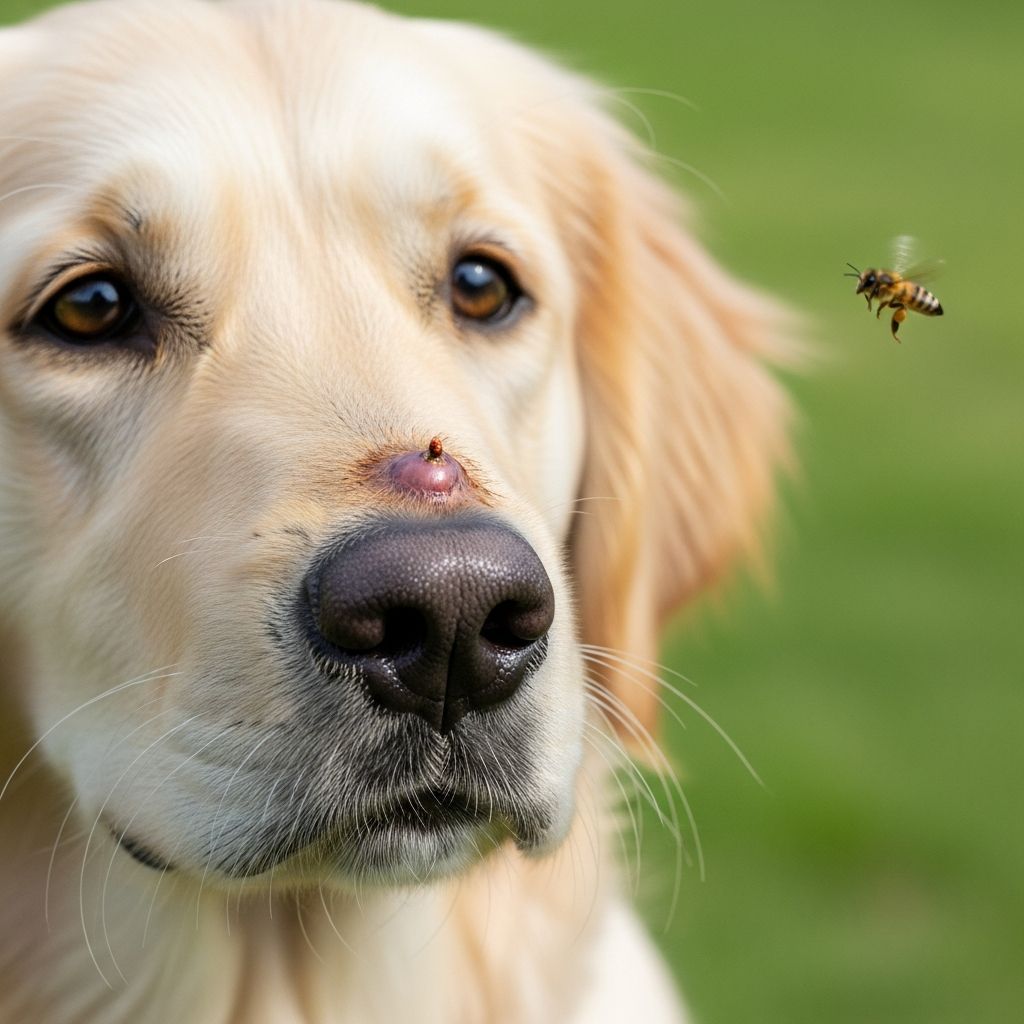
Insect stings from bees, wasps, or hornets are common outdoor mishaps for dogs, often occurring during play in gardens or parks. These incidents can range from minor irritations to life-threatening emergencies, so knowing how to respond promptly is crucial for your pet’s well-being.
Understanding Insect Stings in Dogs
Bees, wasps, and hornets deliver venom through stings that trigger local inflammation. Bees leave a barbed stinger with a venom sac, while wasps and hornets can sting repeatedly without losing it. Dogs frequently get stung on paws, faces, or mouths while investigating or chasing these insects.
The venom causes pain, redness, and swelling as the body’s immune response activates. Most cases resolve without intervention, but sensitive dogs or those stung multiple times face higher risks.
Recognizing Mild Reactions
Typical first signs appear quickly at the sting site. Watch for these behaviors indicating discomfort:
- Excessive pawing, licking, or chewing at the area
- Limping if the paw is affected
- Facial rubbing or head shaking
- Lip smacking, drooling, or whining
- Redness, swelling, or a visible stinger
These symptoms usually peak within minutes and subside over hours. Mild facial puffiness, even away from the sting, can occur but often stays localized.
Spotting Severe Allergic Responses
Anaphylaxis, a rapid systemic reaction, demands immediate action. Symptoms escalate within 10-60 minutes, sometimes delayed up to 12 hours. Key warning signs include:
- Progressive facial or neck swelling obstructing airways
- Vomiting, diarrhea, or retching
- Weakness, collapse, or disorientation
- Pale gums, rapid breathing, or wheezing
- Hives across the body or seizures
If multiple stings occur, risks amplify due to higher venom loads. Monitor closely, especially post-throat or mouth stings, as swelling can block breathing.
Immediate Home Care Steps
For mild cases, act swiftly to limit venom spread and ease pain:
- Locate and remove the stinger: Use a credit card edge to scrape it out flat against the skin, avoiding fingers or tweezers that squeeze more venom.
- Cool the area: Apply a wrapped ice pack or cold cloth for 10 minutes on/off to reduce swelling.
- Neutralize venom: Dab baking soda paste (3:1 with water) for bee stings or vinegar for wasps.
- Prevent irritation: Use an Elizabethan collar to stop licking.
Avoid human medications like ibuprofen; they harm dogs.
| Insect Type | Venom pH | Home Neutralizer |
|---|---|---|
| Bee | Acidic | Baking soda paste |
| Wasp/Hornet | Alkaline | Vinegar solution |
When to Rush to the Vet
Seek emergency care if severe symptoms appear or mild ones worsen after 1-2 hours. Mouth/throat stings require urgent checks for airway issues. Vets may provide:
- Antihistamines or steroids for inflammation
- Pain relief and anti-inflammatories
- Epinephrine, oxygen, or IV fluids for anaphylaxis
Hospitalization monitors organ function, as secondary reactions can occur. Post-treatment, restrict yard access to avoid repeat stings, which intensify responses.
Special Cases: Mouth and Swallowed Stings
Stings inside the mouth cause excessive drooling, gagging, or pawing at the face. Swelling risks airway closure, so inspect gums and offer ice chips if possible. If a bee is swallowed, stomach acids often neutralize it, but monitor for vomiting. Persistent issues need anti-nausea meds from a vet.
Prevention Strategies for Active Dogs
Proactive steps minimize encounters:
- Train “leave it” for buzzing insects.
- Avoid peak insect times (warm afternoons).
- Clear yards of attractants like fallen fruit or standing water.
- Use pet-safe repellents sparingly; focus on environmental control.
Breeds with short muzzles (e.g., Pugs) or allergy histories warrant extra caution.
Long-Term Management After a Sting
Even resolved stings sensitize dogs, heightening future reaction severity. Track incidents and consult vets on allergy testing or desensitization. Maintain a pet first-aid kit with cold packs, baking soda, and your clinic’s number.
Frequently Asked Questions
Can I give my dog Benadryl for a sting?
Only under vet guidance for correct dosing (typically 1mg/lb). Never self-medicate.
How long does swelling last?
Mild cases: 24-48 hours. Severe: Longer with treatment.
What if my dog has multiple stings?
Increased anaphylaxis risk; head to vet immediately.
Are some dogs more prone?
Yes, those with allergies or prior stings.
Is hornet venom worse?
Similar to wasps; multiple stings heighten danger.
References
References
- Treatment & Symptoms for Bee and Wasp Stings in Dogs — Vets4Pets. 2023. https://www.vets4pets.com/pet-health-advice/dog-advice/bee-and-wasp-stings-in-dogs/
- What to Do If Your Dog Has Been Stung by a Bee — Taste of the Wild Pet Food. 2023. https://www.tasteofthewildpetfood.com/articles/health/what-to-do-if-your-dog-has-been-stung-by-bee/
- Wasp & Bee Stings On Dogs — Greencross Vets. 2023. https://www.greencrossvets.com.au/pet-library/articles-of-interest/wasp-and-bee-stings/
- What To Do If Your Dog Is Stung By A Bee — PetMD. 2023-04-15. https://www.petmd.com/dog/general-health/dog-stung-by-bee
- What to do if Your Dog Gets Stung by a Bee — Small Door Veterinary. 2023. https://www.smalldoorvet.com/learning-center/what-to-do/dog-stung-by-bee
- What To Do When Your Dog Has Been Stung By A Bee — Animal Emergency Service. 2023. https://animalemergencyservice.com.au/blog/dog-stung-by-bee/
Similar Articles








Read full bio of Sneha Tete




