

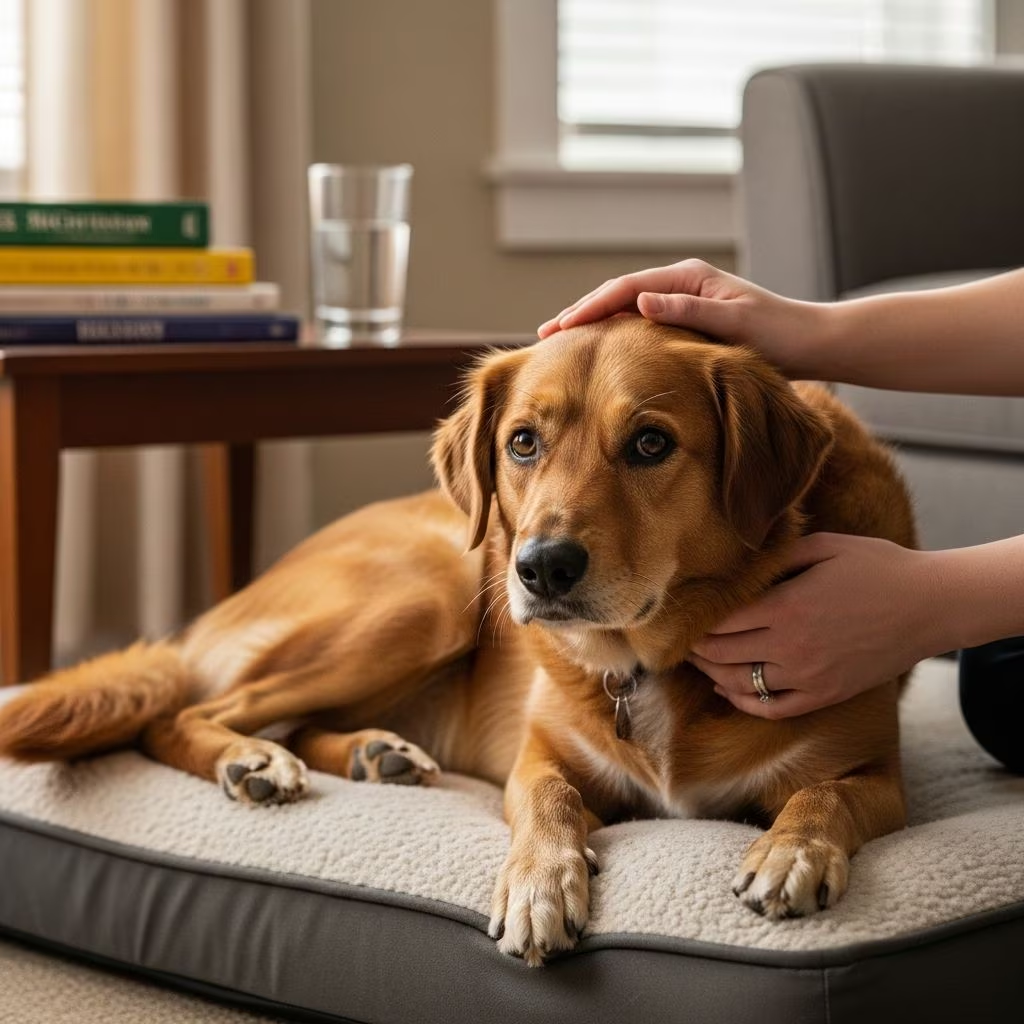
Recovering from a stroke enables many dogs to regain significant function and enjoy a good quality of life with proper care. Prompt intervention and ongoing support play crucial roles in this process.
Understanding Strokes in Canines
Canine strokes, known medically as cerebrovascular accidents (CVAs), disrupt blood flow to the brain, either through blockages (ischemic) or bleeds (hemorrhagic). Unlike humans, dogs often experience less severe long-term effects due to their brain’s plasticity and resilience.
Ischemic strokes, caused by clots, typically stabilize within 24 hours, while hemorrhagic ones from vessel ruptures may progress longer if untreated. Symptoms often peak early but can improve markedly within 72 hours, though full healing may take weeks or months.
Recognizing the Signs Early
Early detection is vital for better outcomes. Common indicators include:
- Sudden head tilt to one side
- Persistent circling in one direction
- Loss of balance or falling over
- Unusual eye movements, like nystagmus (rapid flicking)
- Weakness or paralysis on one side of the body
- Unequal pupil sizes or sudden blindness
- Abnormal gait or uncoordinated steps
- Changes in mental state, such as confusion or disorientation
These signs mimic vestibular disease, often called ‘old dog syndrome,’ but true strokes require distinct diagnosis.
Immediate Response and Veterinary Care
If you suspect a stroke, rush your dog to a vet without delay. Initial assessment involves stabilizing the pet, often with hospitalization for monitoring, IV fluids, and oxygen therapy to optimize brain circulation.
Vets may run blood tests, imaging like MRI or CT scans, and check for underlying issues such as high blood pressure, heart disease, hypothyroidism, or clotting disorders. Treatment targets these root causes alongside symptom relief.
| Stroke Type | Common Causes | Initial Treatment Focus |
|---|---|---|
| Ischemic | Blood clots, atherosclerosis | Anticoagulants, blood pressure control |
| Hemorrhagic | Vessel rupture, trauma, low platelets | Stop bleeding, reduce intracranial pressure |
Medications like anti-inflammatories, anti-seizure drugs, or clot-busters (though less common in vets) help manage acute phases.
Tailored Treatment Approaches
Treatment plans are customized based on severity and cause. Supportive measures include:
- Medication regimens: Blood thinners (e.g., clopidogrel), antihypertensives, or thyroid supplements if needed.
- Hospital support: Fluids, nutrition assistance, and seizure control.
- Diagnostic follow-up: To prevent recurrence by addressing conditions like hypertension or cardiac issues.
No single cure exists, but controlling underlying factors significantly boosts recovery odds.
Step-by-Step Rehabilitation at Home
Once stable, home rehabilitation becomes key. Start with vet-guided physical therapy to rebuild strength and coordination.
Passive Range-of-Motion Exercises
Gently flex and extend limbs daily for 10-15 minutes per session. This prevents muscle atrophy and promotes circulation without overexertion.
Balance and Mobility Training
Use non-slip surfaces, ramps, and harnesses for support. Begin with short, assisted walks, gradually increasing duration as tolerated.
Strength-Building Activities
Incorporate low-impact games like gentle fetch or swimming in shallow water, which reduces joint stress while building muscle.
Maintain a consistent daily routine for feeding, elimination, and rest to reduce stress and aid brain retraining.
Nutrition and Lifestyle Adjustments
A nutrient-rich diet supports neural repair. Focus on:
- High-quality protein for muscle maintenance
- Omega-3 fatty acids (from fish oil) for anti-inflammatory benefits
- Antioxidants (vitamins E and C) to combat oxidative stress
- Weight management to ease mobility
Ensure easy access to food, water, and elimination areas. Use elevated bowls if head tilt persists and slings for outdoor support.
Monitoring Progress and Red Flags
Track improvements daily in a journal: note gait, appetite, and behavior. The first 30 days are critical; surviving this period without clots signals strong recovery potential.
Watch for:
- Worsening symptoms or new seizures
- Lethargy or appetite loss
- Recurrent circling or imbalance
Contact your vet immediately for changes, as secondary strokes are possible.
Long-Term Management and Prevention
Prevent recurrence by managing risks:
- Regular vet check-ups for blood pressure and bloodwork
- Ongoing medications if prescribed
- Heartworm prevention and dental care, as infections can contribute
- Controlled exercise to maintain cardiovascular health
Some dogs retain mild deficits like subtle head tilts, but most resume normal activities. Behavioral changes may need specialist input.
Realistic Expectations for Recovery
Prognosis is generally positive: many dogs fully recover, especially from ischemic events, outperforming human counterparts due to better neuroplasticity.
Factors influencing outcomes:
| Factor | Impact on Recovery |
|---|---|
| Severity | Milder cases resolve faster |
| Treatment Speed | Early care improves chances |
| Underlying Health | Controlled conditions aid healing |
| Age/Rehab Compliance | Seniors benefit most from PT |
Patience is essential; full mobility may return in months, with some needing lifelong aids.
Frequently Asked Questions
Can my dog fully recover from a stroke?
Yes, many dogs achieve full or near-full recovery, particularly if treated promptly and underlying issues are managed.
How long does recovery take?
Initial improvements occur in days, but complete recovery can span weeks to months.
What home exercises help most?
Range-of-motion work, supported walks, and balance drills under vet guidance.
Is a second stroke common?
Possible, especially without addressing causes; monitor closely in the first month.
Do strokes shorten a dog’s life?
Not necessarily; dogs surviving 30 days post-stroke often live normally, though risks persist.
Emotional Support for Pet Owners
Witnessing a stroke is frightening, but your calm presence reassures your dog. Join support groups or consult behaviorists for coping strategies. Celebrate small wins to stay motivated during rehab.
References
- Strokes in Dogs: Signs, Treatment, and Prognosis — MedVet. 2023. https://www.medvet.com/strokes-in-dogs/
- Dog Stroke Symptoms, Causes, Treatment Options, and More — GoodRx Pet Health. 2024. https://www.goodrx.com/pet-health/dog/dog-stroke-symptoms
- Dog Stroke Symptoms & Treatments in Senior Dogs — ToeGrips. 2023. https://toegrips.com/dog-stroke-symptoms/
- Stroke in Dogs: What Are Strokes, and Are They an Emergency? — PetMD. 2024. https://www.petmd.com/dog/conditions/neurological/stroke-dogs-what-it-and-it-emergency
- Strokes in Dogs — VCA Animal Hospitals. 2023. https://vcahospitals.com/know-your-pet/strokes-in-dogs



