

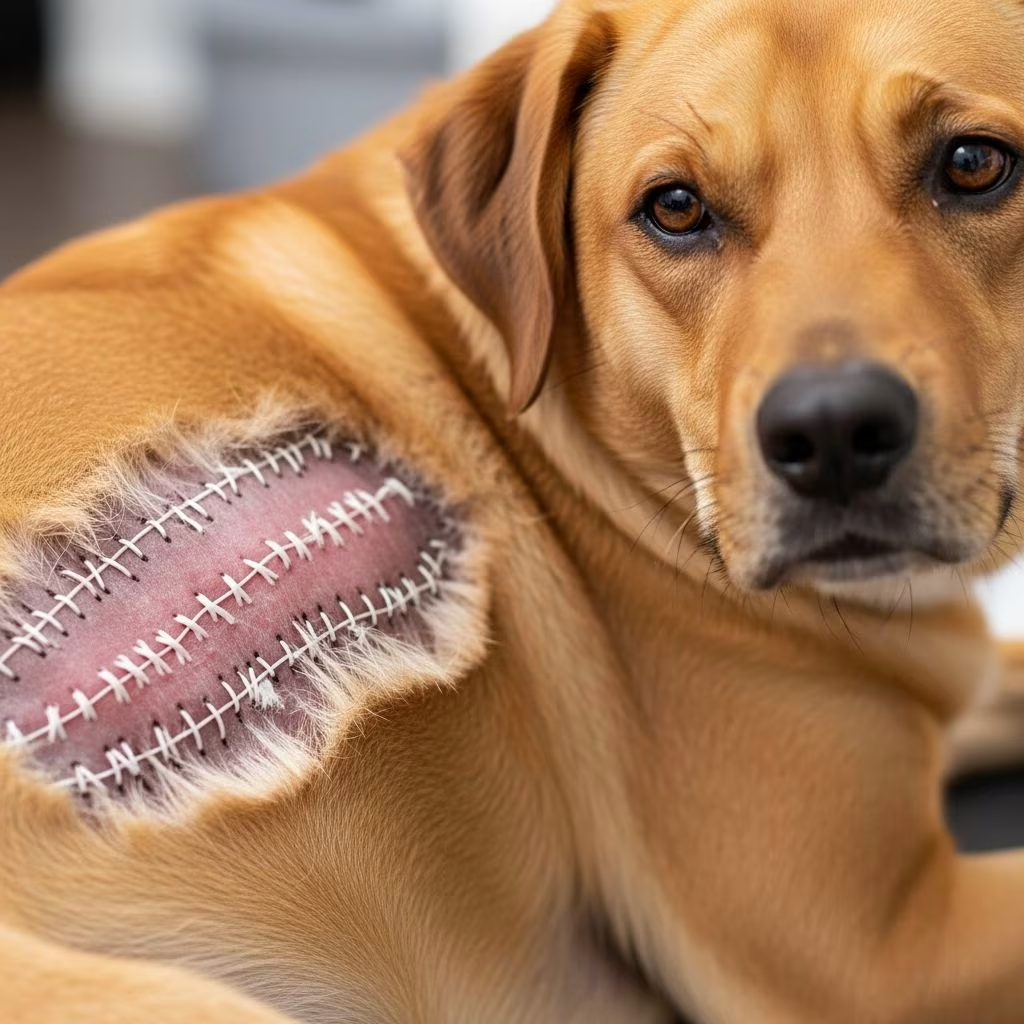
Your dog’s surgical recovery hinges on proper stitch management. Dissolvable stitches typically break down over 2-6 weeks depending on material and location, while non-dissolvable ones require removal after 10-14 days.Dissolving timelines vary by suture type, wound size, and your dog’s health.
Types of Sutures in Canine Surgery
Veterinarians select suture materials based on the procedure’s demands. Understanding these options helps pet owners anticipate healing durations.
- Absorbable Sutures: Made from materials like polyglycolic acid, these dissolve naturally via hydrolysis or enzymatic breakdown. Common for internal layers in spays or soft tissue repairs.
- Non-Absorbable Sutures: Nylon or polypropylene threads stay intact, needing manual removal. Used externally to minimize infection risk.
- Subcuticular Sutures: Buried under skin, often absorbable, promoting seamless healing without surface exposure.
Internal absorbable stitches in spay surgeries dissolve in about 4-5 weeks, influenced by the dog’s age and size. External non-dissolving types are removed at 10-14 days once skin heals sufficiently.
Complete Healing Timeline for Dog Incisions
Dog wounds progress through distinct phases, each critical for strength restoration. Full maturation can take weeks to months.
| Phase | Duration | Key Changes | Care Focus |
|---|---|---|---|
| Inflammation | 0-3 days | Swelling, redness, immune response activates | Rest, pain meds, monitor discharge |
| Debridement | 2-4 days | Dead tissue removal, clearing for repair | Keep dry, prevent licking |
| Repair | 3-21 days | New tissue forms, incision closes | Restricted activity, cone use |
| Maturation | 2+ weeks | Scar tissue strengthens, full skin regrowth | Gradual activity increase |
This progression aligns with studies on canine wound repair, where repair phase sees granulation tissue filling gaps. By day 10-14, external sites often appear closed, though internals remain vulnerable.
Daily Post-Surgery Care Essentials
Consistent routines prevent setbacks. Prioritize cleanliness without over-intervention.
- Examine the site twice daily for redness, swelling, or discharge. Mild bruising fades by day 3-7.
- Wipe gently with saline if soiled, but avoid soaps, hydrogen peroxide, or ointments unless vet-directed.
- Administer all prescribed antibiotics and pain relievers fully, typically 5-7 days.
- Enforce leash-only short walks for 10-14 days to avoid jumping or running.
Cones or recovery suits deter licking, a top complication cause. Remove only after vet approval, around 10-14 days.
Factors Affecting Stitch Dissolution Speed
Not all dogs heal identically. Several variables influence timelines.
- Age and Breed: Puppies recover faster than seniors; larger breeds may have slower internal healing.
- Wound Location: High-movement areas like legs take longer than torsos.
- Nutrition and Health: Protein-rich diets support collagen production; diabetics or obese dogs face delays.
- Surgery Type: Spays involve deeper layers, extending internal dissolution to 4-5 weeks.
Overall health dictates pace—healthy dogs hit maturation in 3 weeks, while compromised ones extend to 6+ weeks.
Recognizing Normal vs. Problematic Healing
Daily checks catch issues early. Know the benchmarks.
Healthy Progress:
- Days 1-3: Slight swelling, clear/pink ooze acceptable.
- Days 3-7: Edges knit, flattening occurs.
- Days 10-14: Dry, closed, minimal pinkness.
Red Flags—Contact Vet Immediately:
- Increasing swelling, heat, or pus after day 3.
- Odor, excessive bleeding, or stitch separation.
- Licking/chewing despite protection, or lethargy/fever.
Scar tissue forms thin initially, gaining strength over months; hair regrowth lags 3 months.
Activity Restrictions and Return to Normalcy
Overexertion risks dehiscence. Follow a phased reintroduction.
- Weeks 1-2: Crate rest, bathroom leashes only.
- Weeks 3-4: Short walks if vet-cleared post-check.
- After 4 weeks: Gradual play, no roughhousing until 6-8 weeks for internals.
Spay recoveries demand 14-day strict limits to protect vessels. Vet rechecks at 10-14 days confirm progress.
Cost Management for Stitch Care Supplies
Budget for essentials: cones ($10-30), e-collars, recovery suits ($20-50), plus meds.
Preventive measures cut emergency visits—proactive monitoring saves on revisions.
Common Myths About Dog Stitch Care
Misinformation abounds. Clarify facts:
- Myth: All stitches dissolve. Fact: Many external ones need removal.
- Myth: Clean with alcohol. Fact: Irritates tissues; saline suffices.
- Myth: Licking aids healing. Fact: Introduces bacteria, delays closure.
Frequently Asked Questions
How long until I remove the cone?
Typically 10-14 days or when incision is dry and closed, per vet check.
Can my dog go up stairs during recovery?
Avoid for 2 weeks to prevent abdominal strain, especially post-spay.
What if stitches fall out early?
Monitor for gaping; rush to vet if wider than 1/4 inch or bleeding.
Is bruising normal?
Yes, mild and fading by day 3-7; persistent needs evaluation.
When does full strength return?
Scar tissue toughens over 2-3 months; limit intense activity accordingly.
Long-Term Wound Strength and Scarring
Post-maturation, scars reach 80% original strength in 3 months, full in a year. Massage with vet-approved oil after 4 weeks reduces tightness. Monitor for hernias in abdominal sites.
Nutrition boosts outcomes: high-protein foods (30%+), omega-3s for inflammation. Supplements like glucosamine aid if arthritis coexists.
References
- Dog Stitches: How to Care, Heal, and Manage Costs — Petcube. 2023. https://petcube.com/blog/dog-stitches/
- Female Dog Spay Recovery: Healing Time & Vet Care Tips — Farmington Veterinary Hospital. 2025-11-07. https://www.farmingtonvethospital.com/female-dog-spay-recovery-guide/
- How to Check Your Pet’s Stitches After Surgery — PetMD. 2024. https://www.petmd.com/dog/general-health/how-to-check-pet-stitches-after-surgery
- What to Expect After Your Dog’s Soft Tissue Surgery — Sustainable Vet. 2024. https://www.sustainablevet.org/blog/what-to-expect-after-dog-soft-tissue-surgery
- Care of Surgical Incisions in Dogs — VCA Animal Hospitals. 2025. https://vcahospitals.com/know-your-pet/care-of-surgical-incisions-in-dogs



