

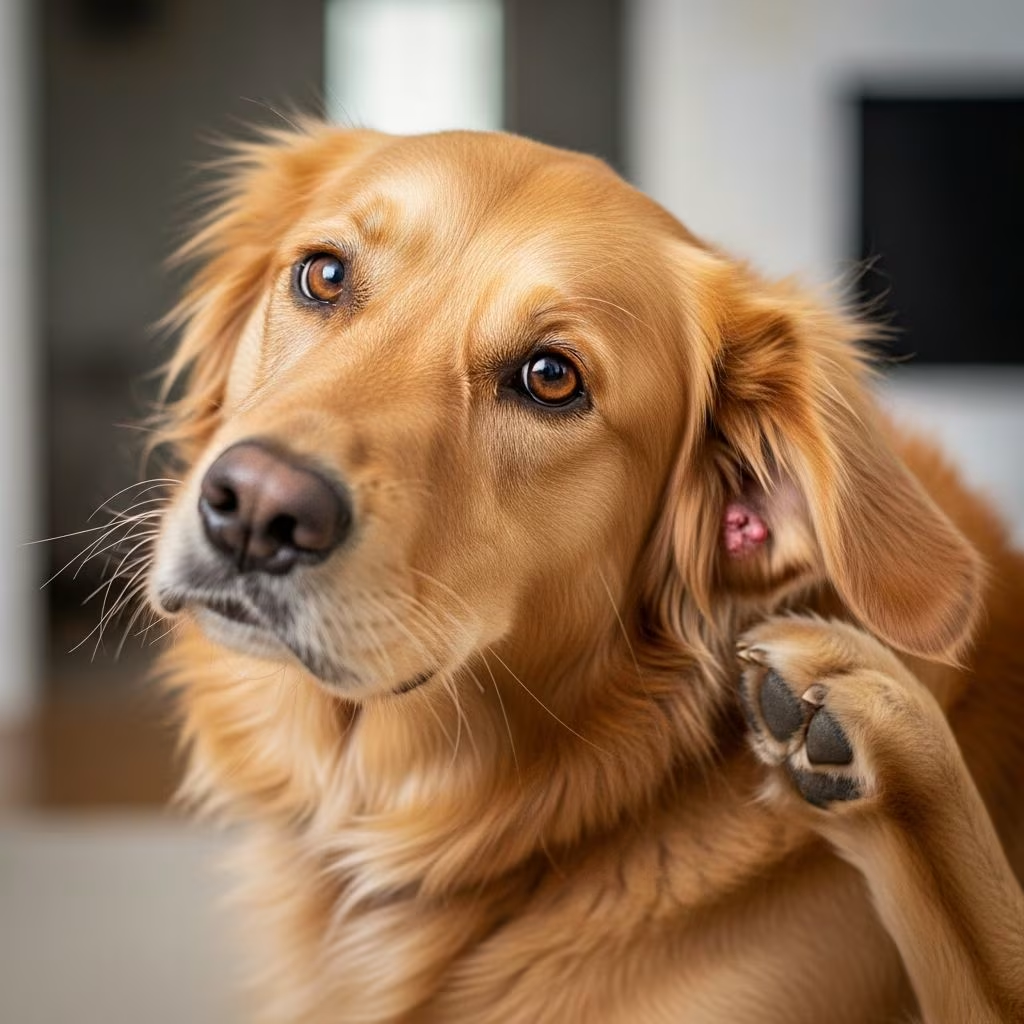
Persistent scratching in dogs after flea treatment often stems from flea allergy dermatitis (FAD), where the immune system reacts to flea saliva proteins, causing inflammation and itchiness that lingers for days or weeks even after fleas are eliminated. This reaction can occur from just one bite, highlighting why immediate relief isn’t always immediate.
Understanding the Persistent Itch Phenomenon
When you apply a flea treatment expecting quick relief, the reality of ongoing scratching can be frustrating. Flea control products like isoxazolines kill adult fleas rapidly, often within hours, but the skin’s response to prior saliva exposure persists. This delayed relief is common, with most dogs showing improvement in 3-7 days, though severe FAD cases may take up to two weeks or more.
The immune overreaction in FAD triggers histamine release, leading to intense pruritus (itching). Genetic predisposition plays a role; some dogs develop sensitivity at any age, even if previously tolerant. Young dogs under five years are particularly prone, but no breed is immune.
Primary Culprits Behind Ongoing Scratching
Several factors contribute to why itching doesn’t subside promptly. Here’s a breakdown:
- Flea Allergy Dermatitis (FAD): Hypersensitivity to flea saliva proteins causes widespread inflammation. Even minimal flea exposure suffices, with symptoms like hair loss, red skin, and hot spots appearing anywhere on the body.
- Residual Saliva Effects: Flea bites leave irritants that provoke ongoing immune responses, independent of live fleas.
- Treatment Reactions: Some dogs experience irritation from topical chemicals, leading to temporary restlessness or worsened itch.
How FAD Develops and Spreads
FAD isn’t just localized to bite sites. The allergic cascade affects the entire skin barrier, increasing vulnerability to secondary issues. Studies show dogs with chronic allergic dermatitis (cAD), often linked to FAD, exhibit behavioral changes like hyperactivity due to unrelenting discomfort. In one analysis of 343 dogs, itch severity correlated strongly with grooming excesses and anxiety.
Secondary Complications Amplifying the Itch
Unchecked scratching opens doors to infections. Bacteria like Staph or fungi like yeast thrive on compromised skin, especially in atopic dogs with barrier breakdowns.
| Complication | Symptoms | Treatment Needs |
|---|---|---|
| Staph/Yeast Infections | Redness, discharge, foul odor, ear issues | Antibiotics (e.g., cephalexin), antifungals, topicals |
| Hot Spots (Acute Moist Dermatitis) | Swollen, oozing patches from self-trauma | Clip fur, clean, medicated shampoos, oral meds |
| Flea Dirt Persistence | Black specks causing re-irritation | Thorough bathing, environmental clean |
If itching intensifies post-treatment, it signals these escalations. A Veterinary Dermatology study on fipronil-treated FAD dogs reported 84% itch reduction after three months, but early infections delayed progress in others.
Timeline of Expected Relief
Relief timelines vary by severity:
- Mild Cases: 2-5 days as saliva effects fade.
- FAD Moderate: 1-2 weeks with consistent prevention.
- Complicated (Infections): 2-4 weeks, requiring vet intervention.
Monitor closely; no improvement after 7-10 days warrants a vet visit to rule out flares from mites, food allergies, or seasonal pollen.
Environmental and Household Factors
Fleas don’t vanish from your dog alone—they infest homes. Eggs and larvae in carpets, bedding, and yards sustain re-infestation, pushing dogs over their “itch threshold”. Intermittent prevention heightens FAD risk. Vacuum daily, wash fabrics in hot water, and treat premises with approved insecticides.
Dogs with sensitive skin may react to harsh shampoos or dry environments post-bath, exacerbating dryness.
Proven Strategies for Fast Relief
Combine treatments for optimal results:
- Continue Flea Preventives: Use vet-recommended monthlies like oral isoxazolines or spot-ons. Reapply as directed—do not skip.
- Skin Soothers: Oatmeal or medicated baths cool inflammation. Antihistamines like diphenhydramine (Benadryl) provide mild relief; dose per vet (1mg/lb every 8-12 hours).
- Corticosteroids/Apoquel: For severe FAD, short-term steroids or JAK inhibitors like oclacitinib break the itch cycle.
- Topicals: Hydrocortisone sprays or antibiotic ointments for hotspots.
- Dietary Support: Omega-3 supplements (fish oil) bolster skin barriers long-term.
Always consult a vet before medicating to avoid overdosing or interactions.
Prevention: Stopping the Cycle Long-Term
Year-round flea control is key. Integrate:
- Monthly preventives for all pets.
- Weekly yard treatments in warm climates.
- Regular grooming to spot early signs.
- Hypoallergenic shampoos for sensitive pups.
Early FAD detection prevents anemia, lethargy, and chronic issues.
When to Seek Professional Help Urgently
Rush to the vet if you see:
- Worsening bald patches or open sores.
- Lethargy, pale gums (anemia risk).
- Non-stop scratching causing trauma.
- No relief after 10 days of treatment.
Diagnostics may include skin scrapes, cytology, or allergy tests.
Frequently Asked Questions (FAQs)
Is it normal for itching to last a week after flea treatment?
Yes, especially with FAD; saliva allergens persist up to two weeks.
Can flea shampoo cause more itching?
Possibly, if drying or irritating; switch to gentle formulas.
How do I know if it’s fleas or something else?
Check for flea dirt (pepper-like specks that redden with water); vet exam confirms.
Are natural remedies effective?
Limited; essential oils can toxify dogs. Stick to vet-approved options.
Will my dog outgrow FAD?
Unlikely; manage with consistent prevention.
Key Takeaways for Pet Parents
Persistent post-treatment itching signals FAD or complications—act swiftly with vet guidance. Comprehensive environmental control and supportive care yield the best outcomes, restoring your dog’s comfort swiftly.
References
- How Long Do Dogs Itch After Flea Treatment — Texas Pet Company. 2024. https://texaspetcompany.com/how-long-do-dogs-itch-after-flea-treatment/
- Flea Allergic Dermatitis in Dogs: Why Prompt Care Is Critical — GSVS. 2023. https://gsvs.org/blog/urgent-flea-allergic-dermatitis-dogs/
- Reasons Your Dog is Itching Despite Medication — Zoetis Petcare. 2024. https://www.zoetispetcare.com/blog/article/reasons-dog-itching
- Flea Allergy Dermatitis in Dogs: Everything a Pet Parent Needs to Know — PetMD. 2024. https://www.petmd.com/dog/conditions/skin/flea-allergy-dermatitis-dogs-everything-pet-parent-needs-know
- Why is my dog restless after flea treatment? — Pawsitive Care Animal Hospital. 2023. https://www.pawsitivecareanimalhospital.com/blog/why-is-my-dog-restless-after-flea-treatment



