

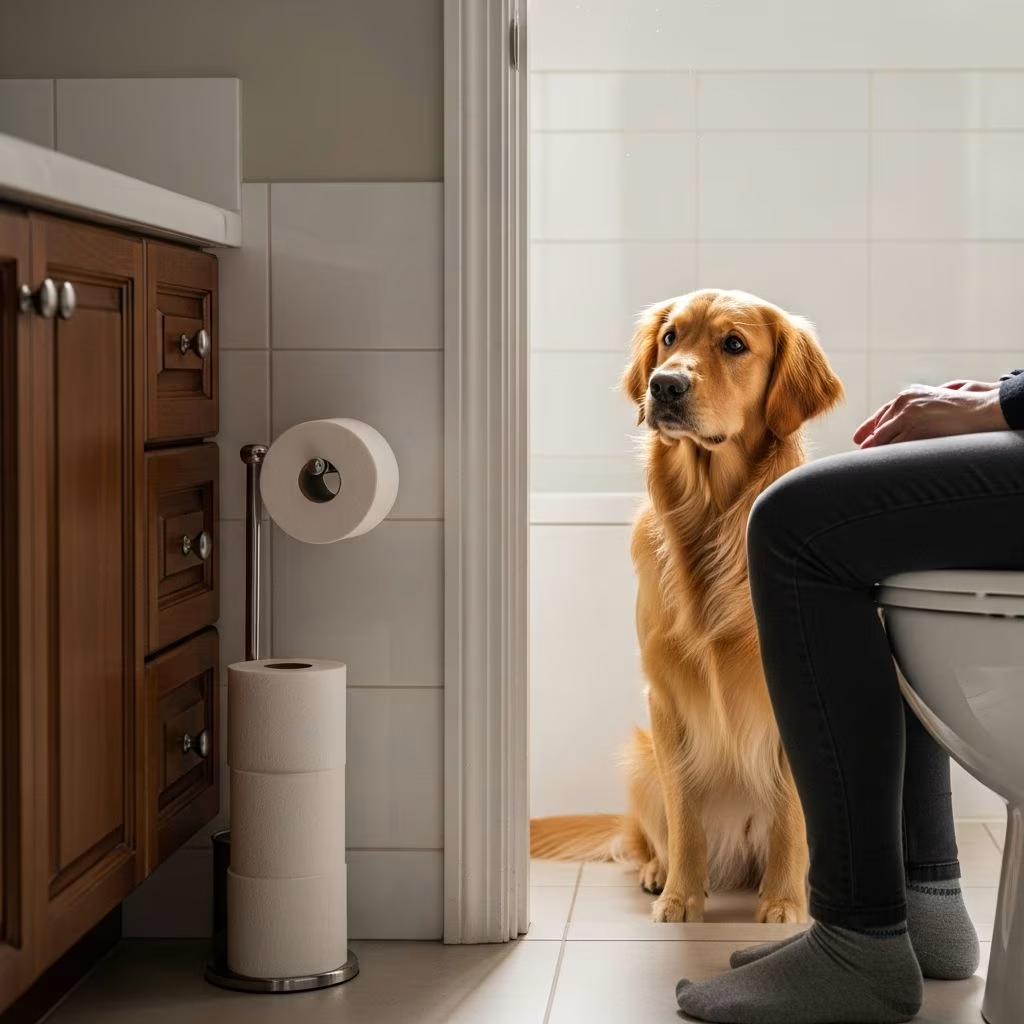
If you’ve ever taken your dog outside for a bathroom break and found yourself locked in an intense gaze with your furry companion, you’re not alone. This quirky behavior puzzles countless dog owners, yet it reveals something profound about your pet’s psychology and the bond you share. Rather than being random or meaningless, your dog’s tendency to make eye contact during their most vulnerable moments is rooted in evolutionary biology, emotional needs, and the deep trust they place in you.
The Vulnerability Factor: Why Bathroom Time Feels Risky to Dogs
When a dog assumes a pooping position, their body becomes temporarily defenseless. This physical constraint prevents them from reacting quickly to perceived threats or dangers. From an evolutionary standpoint, bathroom time represents one of the most dangerous moments in an animal’s day. In the wild, predators specifically target animals in this vulnerable state because they’re unable to flee or fight back effectively.
Dogs retain these ancestral instincts despite thousands of years of domestication. Your pet’s brain still recognizes that elimination creates a window of exposure. Even though your living room poses no actual predatory threat, your dog’s nervous system responds to the vulnerability of the moment. This explains why some dogs appear anxious during bathroom breaks or choose to go quickly. They’re not being dramatic—they’re responding to genuine survival-based concerns hardwired into their genetics.
The eye contact your dog maintains with you during these moments serves as an active security measure. By keeping you in their visual field, they can monitor whether you’re alert and aware of potential dangers. Your presence and attention provide reassurance that someone is “standing watch” while they’re in this compromised position.
Pack Mentality and the Role of Leadership
Dogs are fundamentally pack animals with complex social hierarchies and bonds. In their natural world, packs work together to ensure mutual survival, with specific members taking on protective roles during vulnerable moments. When your dog looks at you while pooping, they’re engaging in a behavior deeply connected to pack structure and dynamics.
In your dog’s mind, you serve as the pack leader—the individual responsible for safety and security. By maintaining eye contact, your dog is essentially checking in with you, confirming your presence and your commitment to the group’s wellbeing. This behavior strengthens the pack bond and reinforces the hierarchical relationship your dog understands and relies upon.
The connection goes deeper than simple observation. Your dog is communicating their dependency on you and their trust in your protective abilities. This is not submission or subservience in a negative sense; rather, it’s acknowledgment of a role you play in their safety and survival. Dogs that make eye contact during vulnerable moments are demonstrating that they recognize your importance to their security and wellbeing.
The Trust Dynamic: What This Gaze Really Means
Trust between dogs and humans develops through consistent care, predictability, and reliable protection. When your dog stares at you during bathroom breaks, they’re demonstrating an extraordinary level of trust. Think about how vulnerable you feel in your own bathroom—most people close the door and prefer privacy. Your dog, conversely, invites you into their vulnerable moment and maintains visual connection.
This behavior indicates your dog feels secure enough with you to lower their defenses during their most exposed moments. They’re not worried about judgment or embarrassment (emotions unique to humans). Instead, they’re making a calculated decision that you’re trustworthy enough to witness their vulnerability and, more importantly, to protect them during it.
Scientific research supports this interpretation. Studies demonstrate that mutual gazing between dogs and their owners increases oxytocin levels—the neurochemical associated with bonding and affection—in both species. When your dog locks eyes with you during bathroom time, they may be triggering this neurochemical reward system, further cementing the bond between you and strengthening feelings of attachment and security.
Seeking Reassurance and Approval
Beyond safety concerns, dogs may stare at you during bathroom breaks because they’re seeking reassurance and approval. Even though your dog may be years past potty training, the neural pathways associated with that training remain active. Dogs whose owners praised them enthusiastically during successful bathroom moments often develop an expectation of reward or approval for proper elimination.
This learned behavior creates a feedback loop: your dog eliminates in the appropriate place, seeks your acknowledgment with eye contact, and anticipates praise or treats. The pattern becomes habitual and enjoyable for your pet. They’re not consciously thinking about potty training from their puppyhood; rather, these associations are stored in their procedural memory and emerge automatically during the relevant behavior.
Additionally, dogs may use their bathroom stare to gauge your emotional state and seek confirmation that everything is acceptable. Your dog is essentially asking, “Is everything okay? Am I doing this right? Are you here with me?” This represents a form of checking-in behavior that strengthens the interactive bond between you and your pet.
Habitual Patterns and Routine Recognition
Dogs are creatures of habit and keen observers of daily patterns. Your dog likely has learned your bathroom schedule and may anticipate what comes next in the sequence of events. When they see you heading to the bathroom, they may follow out of anticipatory behavior, knowing that certain activities will follow or that you’ll soon be available for interaction.
Similarly, dogs that have experienced a consistent routine where their outdoor bathroom breaks are followed by playtime, treats, or walks may stare at you in anticipation of these rewarding events. The eye contact becomes a habit triggered by the context of bathroom time. Your dog isn’t necessarily deep in thought about vulnerability or pack dynamics; they may simply be following the pattern their brain has learned and expecting the customary sequence of events to unfold.
Social Intelligence and Emotional Awareness
Research in animal behavior increasingly recognizes that dogs possess sophisticated social intelligence and can read human emotional cues. When your dog stares at you during bathroom time, they may be responding to subtle signals you’re unconsciously sending—tension in your posture, changes in your breathing, or shifts in your attention.
Some dogs watch their owners in vulnerable moments as a compassionate response to perceived emotional distress. If you’re stressed, anxious, or unwell, your dog may position themselves where they can maintain visual contact, as if offering emotional support. Dogs with high social intelligence often develop the ability to recognize when their humans need comfort and adjust their behavior accordingly.
Additionally, some dogs monitor their owners during bathroom breaks due to separation sensitivity or attachment anxiety. Even brief separations can trigger mild stress responses in dogs with heightened attachment. By maintaining visual connection, your dog may be managing their own anxiety about temporary separation.
Comparing Theory Against Reality: Understanding Anthropomorphism
It’s easy to romanticize your dog’s bathroom stare as a profound moment of connection, but behavioral science suggests the reality is more nuanced. Sometimes, the simplest explanation is the correct one: you’re simply in your dog’s line of sight. Dogs don’t experience shame or embarrassment about elimination the way humans do. They’re not hiding or avoiding your gaze. Instead, they’re glancing around naturally as part of their environmental awareness and happen to look your direction.
Humans have a tendency to project their own emotions and values onto animal behavior—a phenomenon known as anthropomorphism. We assume that because we feel vulnerable during bathroom time, our dogs must feel the same way. We interpret their eye contact as meaningful communication when it might be accidental or contextual. This doesn’t diminish the significance of your relationship with your dog; it simply means we should view their behavior through their perspective rather than ours.
The most accurate understanding probably incorporates multiple explanations rather than relying on a single theory. Your dog’s stare during bathroom time is likely a combination of evolutionary instinct, learned behavior, social awareness, and sometimes simple coincidence.
Does Your Dog Feel Embarrassment?
Unlike humans, dogs don’t experience embarrassment about bodily functions. They don’t worry about dignity or how they appear while eliminating. What dogs do experience is awareness of their environment and their position within it. A hesitant or uneasy dog during bathroom breaks may be responding to environmental uncertainty rather than emotional shame. They might feel exposed because of unfamiliar surroundings, distractions, or perceived threats—not because they’re embarrassed.
If your dog appears reluctant or anxious during bathroom time, their stare might reflect a genuine request for reassurance rather than simple eye contact. In these situations, maintaining a calm presence and offering quiet reassurance can help your dog feel more secure completing their business.
How to Respond When Your Dog Stares
If you’re unsure how to respond to your dog’s bathroom stare, rest assured there’s no single correct answer. Here are practical approaches to consider:
- Maintain eye contact: If you’re comfortable with it, returning your dog’s gaze may provide the reassurance they seek. Mutual eye contact can strengthen your bond and may increase oxytocin in both of you.
- Look away strategically: If the intensity feels awkward, simply repositioning yourself so you’re behind rather than beside your dog may naturally reduce the eye contact without rejecting your pet.
- Remain calm and present: Regardless of where you look, your calm presence and focused attention communicate that you’re watching out for them, which is what your dog likely needs most.
- Avoid punishment: Never scold or laugh harshly at your dog during bathroom breaks. This can create anxiety and undermine the sense of safety your dog needs during vulnerable moments.
- Reward positive behavior: If your dog eliminates in the correct location, offering quiet praise or treats can reinforce the desired behavior and maintain the positive association with bathroom time.
Building Security Through Routine and Consistency
If your dog shows signs of anxiety during bathroom breaks, you can reduce their stress through deliberate routine-building. Dogs thrive on predictability, and a consistent bathroom schedule provides a sense of security. Taking your dog to the same location at the same times each day helps them feel more confident and in control of the situation.
Environmental familiarity also matters. A dog that’s comfortable with their bathroom location and confident in that space is less likely to experience anxiety. Similarly, maintaining a consistent, calm demeanor during these moments signals to your dog that everything is under control and safe.
The Bigger Picture: What This Behavior Reveals About Your Bond
Your dog’s tendency to maintain eye contact during bathroom breaks ultimately reflects the quality of your relationship. A dog that feels secure, trusted, and bonded with their owner will be more likely to relax during vulnerable moments. Conversely, a dog with anxiety or insecure attachment may avoid eye contact or show signs of distress.
By understanding this behavior’s roots in vulnerability, pack dynamics, trust, and learned association, you gain insight into your dog’s internal world. Your pet isn’t being silly or weird; they’re engaging in deeply meaningful communication rooted in their evolutionary history and their relationship with you. The next time your dog locks eyes with you during bathroom time, you’ll recognize it as a testament to the trust you’ve built together and the important role you play in your pet’s sense of security and wellbeing.
Frequently Asked Questions
- Why does my dog stare at me specifically and not other family members?
- Your dog may recognize one family member as their primary caregiver or pack leader. Dogs often direct this vulnerable-moment eye contact to the person they trust most for protection and security.
- Is it normal for my dog to appear anxious during bathroom breaks?
- Some anxiety is normal, especially in new environments. However, persistent anxiety might indicate your dog needs more environmental familiarity or confidence-building. Consistent routines and reassurance can help.
- Should I maintain eye contact back when my dog stares?
- There’s no requirement either way. If it feels natural and you’re comfortable, returning the gaze can reinforce bonding. If it feels awkward, simply being present and calm is sufficient.
- Can I train my dog to be less dependent on my presence during bathroom time?
- Gradually building your dog’s confidence with environmental exploration and positive reinforcement can help them feel more secure. However, some desire for your presence is normal and healthy.
- Does this behavior change as dogs age?
- Senior dogs may become more dependent on this reassurance as their confidence naturally decreases with age. Conversely, very young puppies might not exhibit this behavior until they’ve bonded more deeply with you.
References
- Why Does My Dog Stare At Me While Pooping? The Dog Brain — The Dog Brain. 2026-01-23. https://www.youtube.com/watch?v=_vTilshq_7w
- Why Do Dogs Look at You When They Poop? — PetMD. https://www.petmd.com/dog/behavior/why-do-dogs-look-at-you-when-they-poop
- The Curious Gaze: Why Do Dogs Look at You When They Poop? — Spark Paws. https://www.sparkpaws.com/blogs/community/why-do-dogs-look-at-you-when-they-poop
- Why Your Dog Locks Eyes During Bathroom Breaks — Oreate AI Blog. http://oreateai.com/blog/that-puzzling-poop-stare-why-your-dog-locks-eyes-during-bathroom-breaks/1d3b1ec8fd9ba49cca5eab2cb1f73beb



