

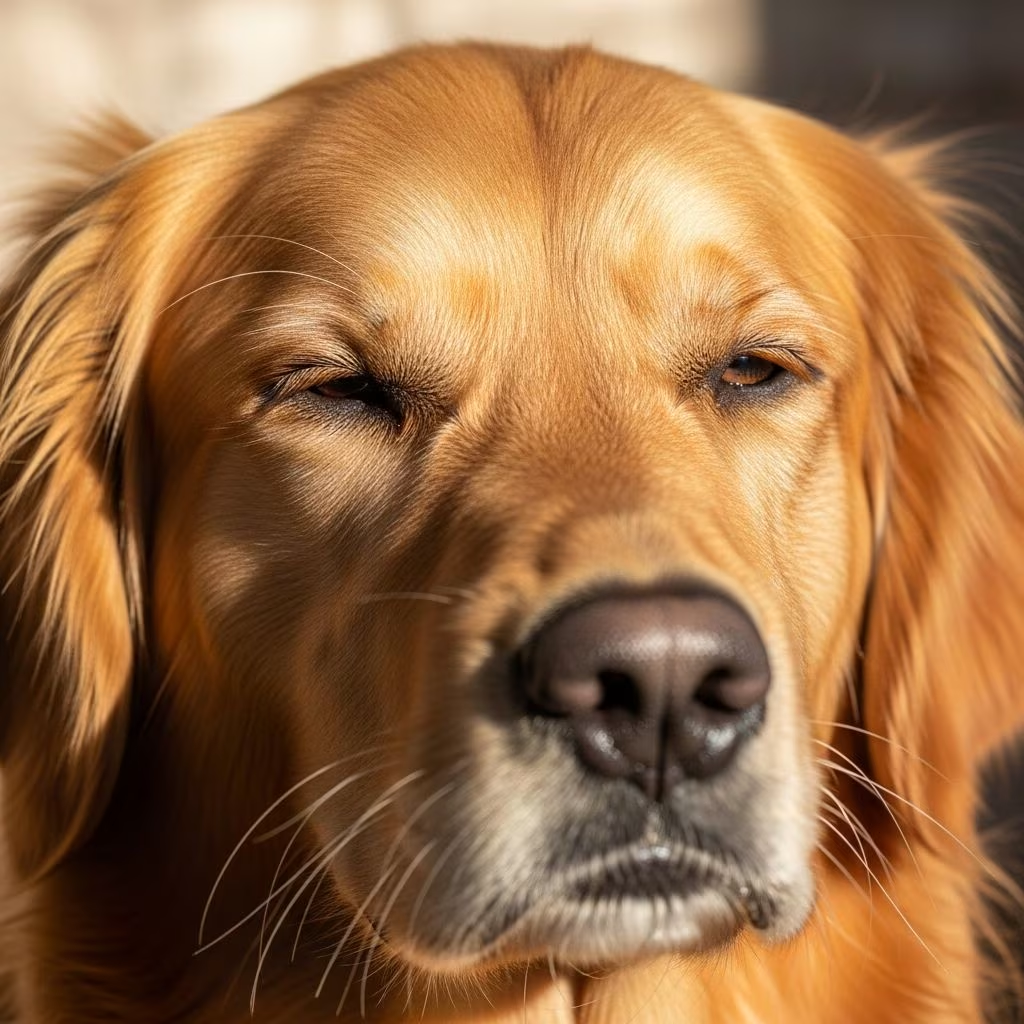
Your dog’s squinting can signal anything from a fleeting irritation to a pressing medical emergency. Recognizing the underlying issue promptly allows for effective intervention to safeguard vision and comfort.
Recognizing the Signs of Eye Discomfort in Dogs
Dogs communicate discomfort subtly, and squinting stands out as a primary indicator of eye trouble. This behavior often pairs with other observable changes, helping owners pinpoint potential problems early.
- Partial eye closure: The dog narrows one or both eyes to reduce light exposure or shield from pain.
- Excessive tearing: Clear fluid overflows as the eye attempts to flush irritants.
- Redness: Blood vessels in the whites of the eyes become prominent due to inflammation.
- Discharge: Thick, yellow, or green material suggests infection buildup.
- Pawing or rubbing: The dog scratches at the face, worsening potential damage.
These symptoms frequently appear suddenly, especially in one eye, urging immediate attention. Photophobia, where bright light worsens the squint, points to deeper issues like corneal damage.
Common Irritants Leading to Squinting
Not every squint demands a vet visit, but everyday triggers deserve monitoring. Dust, pollen, or stray eyelashes can provoke temporary closure as the eye defends itself.
| Irritant Type | Description | Typical Duration |
|---|---|---|
| Dust or Pollen | Fine particles settle on the eye surface, causing itchiness. | Hours, resolves with flushing. |
| Eyelash or Debris | Internal foreign bodies scratch the cornea mildly. | Minutes to hours if self-cleared. |
| Smoke or Chemicals | Environmental exposures inflame conjunctiva. | Variable, seek clean air. |
While these often self-resolve, persistent cases beyond a few hours warrant professional evaluation to rule out escalation.
Trauma and Surface Injuries Causing Pain
Physical injuries rank among the top reasons for acute squinting. Scratches from claws, branches, or play accidents erode the cornea, the eye’s protective layer, triggering intense pain.
Corneal ulcers develop when epithelial cells slough off, exposing sensitive nerves. Superficial wounds hurt more than deeper ones due to dense pain fibers near the surface. Signs include cloudiness over the eye and reluctance to open the mouth from referred pain.
- Cat scratches during rough play.
- Foreign objects like grass seeds embedding.
- Repeated rubbing aggravating minor abrasions.
Without treatment, ulcers risk infection or rupture. Atropine drops counter iris spasms that constrict pupils painfully.
Infections and Inflammatory Conditions
Bacterial, viral, or fungal invasions inflame eye tissues, prompting squints. Conjunctivitis, akin to pink eye, produces discharge and redness, often bilateral from allergens or pathogens.
Dry eye syndrome (keratoconjunctivitis sicca) reduces tear production, leaving surfaces gritty and ulcer-prone. Owners notice thick mucus and constant wiping.
Systemic infections, including tick-borne diseases, extend to eyes via bloodstream, demanding blood tests for diagnosis.
Serious Diseases Behind Persistent Squinting
Glaucoma emerges as a critical concern, where fluid buildup elevates intraocular pressure, squeezing nerves and vessels. Sudden onset causes severe pain, cloudy corneas, and dilated pupils.
Anterior uveitis inflames the iris and front chamber, often from immune responses or trauma. Hyphema, or blood in the eye, accompanies bleeding disorders.
Lens luxation displaces the lens, spiking pressure and mimicking glaucoma. Breeds like Terriers face higher risks from genetic predispositions.
When Squinting Signals Non-Eye Issues
Occasionally, squinting stems from neck stiffness or dental pain radiating to the face. Lethargy, appetite loss, or hiding accompany these systemic signs.
Hypertension in older dogs dilates vessels, contributing to retinal detachment. Blood pressure checks reveal this link.
Diagnostic Approaches for Accurate Identification
Veterinarians start with a full ophthalmic exam, using fluorescein dye to highlight ulcers under blue light. Tonometry measures pressure for glaucoma.
- Schirmer tear test for dry eye.
- Gonioscopy to inspect drainage angles.
- Imaging like CT or MRI for orbital abscesses or fractures.
Bloodwork screens for infections or hypertension, guiding targeted therapies.
Home Care Tips While Awaiting Vet Visit
Avoid home remedies like human drops, which can worsen damage. Gently flush with sterile saline if debris is visible, but prioritize professional care.
- Prevent rubbing with an Elizabethan collar.
- Dim lights to ease photophobia.
- Monitor for worsening: swelling, vision loss, or behavior changes.
Veterinary Treatments Tailored to Causes
Antibiotics treat ulcers and infections, paired with pain relievers. Surgery corrects entropion or removes ectopic cilia.
Glaucoma demands pressure-lowering drops; advanced cases require laser or enucleation to halt suffering.
Ongoing dry eye management involves cyclosporine ointments to boost tears.
Preventive Strategies for Healthy Canine Eyes
Regular checkups catch breed predispositions early. Protective goggles during high-risk activities shield from debris.
Maintain hygiene: trim facial hair, clean folds in breeds like Pugs. Allergy management includes hypoallergenic environments.
FAQs on Dog Squinting
Is squinting always an emergency?
No, mild irritants may pass, but persistence over hours, one-eyed focus, or added symptoms like discharge demand urgent vet care.
Can allergies cause squinting in dogs?
Yes, pollen or dust triggers bilateral redness and clear discharge alongside squinting.
How do I know if it’s a corneal ulcer?
Look for cloudiness, intense pain, and tearing; dye tests confirm at the clinic.
What breeds are prone to glaucoma?
Basset Hounds, Cocker Spaniels, and others with shallow eye sockets face elevated risks.
Does squinting mean blindness is imminent?
Not necessarily; early glaucoma or ulcers respond well, preserving vision.
Addressing squinting swiftly protects your dog’s sight and quality of life. Consult a vet for tailored advice.
References
- Ocular (Eye) Pain and Squinting in Dogs — PetPlace.com. Accessed 2026. https://www.petplace.com/article/dogs/pet-health/ocular-eye-pain-and-squinting-in-dogs
- Is Your Dog Squinting? It May Have a Serious Eye Condition — Hollymead Veterinary Hospital. 2019-05-06. https://hollymeadvet.com/dogs/dog-squinting-eye-corneal-ulcer/
- Squinting Pets Can Be Cause for Concern — Country Care Animal Clinic. 2019-05-06. https://countrycareac.com/2019/05/06/squinting-pets/
- Understanding Pet Squinting: Expert Insights — Veterinary Vision Center. Accessed 2026. https://veterinaryvisioncenter.com/understanding-pet-squinting-expert-insights-from-veterinary-vision-center/
- Why Your Cat or Dog is Squinting — Fetch Vets. Accessed 2026. https://fetchvets.com/blog/why-is-my-pet-squinting/
- Is Your Pet Squinting or Bumping into Things? — Port City Veterinary. Accessed 2026. https://www.portcityvet.com/blog/is-your-pet-squinting-or-bumping-into-things-signs-of-vision-trouble-you-shouldn-t-ignore



