

What to Do If Your Dog Was Sprayed by a Skunk
Encountering a skunk can turn into an unpleasant experience for any dog owner. Skunks are known for their powerful defense mechanism—a foul-smelling spray that can travel up to 15 feet away. If your dog has had the misfortune of meeting a skunk, don’t panic. While the smell is undoubtedly unpleasant, there are effective steps you can take to remedy the situation and restore your furry friend to their normal, sweet-smelling self.
Understanding what to do immediately after a skunk spray incident is crucial for your dog’s well-being and comfort. This comprehensive guide will walk you through the necessary steps, from initial assessment to complete odor removal, ensuring both you and your pet recover quickly from this smelly encounter.
Understanding Skunk Spray
Before diving into treatment methods, it’s helpful to understand what you’re dealing with. Skunks produce their spray in anal glands as a defense mechanism against predators. The spray contains sulfurous compounds called thiols, which are responsible for the distinctive, overpowering odor that lingers on your dog’s fur and skin. These oily compounds are not easily removed with water or regular shampoo alone, which is why specialized treatment is necessary.
The spray is typically not toxic to dogs in small amounts, but direct hits to sensitive areas like the eyes or mouth require immediate veterinary attention. Understanding the composition of skunk spray helps explain why traditional remedies like tomato juice have proven largely ineffective—you need a solution that can break down and neutralize the sulfurous oils, not simply mask or partially reduce the odor.
Immediate Steps After Skunk Spray
Step 1: Keep Your Dog Outside
Your first priority should be keeping your dog outside while you prepare treatment materials. This prevents the skunk odor from permeating your home, furniture, and other belongings. The oily spray will easily transfer to any indoor surfaces your dog contacts, making cleanup significantly more difficult. If you must move your dog indoors temporarily, designate a space like a garage or bathroom that can be easily ventilated.
Step 2: Check for Eye and Mouth Irritation
Immediately examine your dog’s eyes, nose, and mouth for signs of irritation. If your dog was sprayed directly in the face, their eyes may appear red, swollen, or teary. If you notice extreme drooling, vomiting, or obvious signs of distress around the eyes or mouth, contact your veterinarian immediately. These symptoms indicate a direct hit to sensitive mucous membranes and may require professional medical evaluation and treatment.
If the eyes appear irritated but not severely, you can rinse them with cool water or a dog-safe veterinary eyewash product for approximately 20 minutes. Many pet owners in skunk-prone areas keep eyewash products on hand for emergencies. Gently flush the eyes from the inner corner outward to help remove any spray residue.
Step 3: Pat Dry Your Dog’s Coat
Before applying any treatment solution, gently pat your dog’s coat dry with paper towels. This is important: do not rub your dog’s fur, as this will push the oily spray deeper into their skin and coat. Pat gently to remove excess oil from the surface, which helps the treatment solution work more effectively.
The Most Effective Treatment Method
The Hydrogen Peroxide, Baking Soda, and Dish Soap Solution
The most effective home remedy for removing skunk odor involves a simple mixture of three common household ingredients. This formula has been tested and recommended by veterinary professionals and animal welfare organizations and works significantly better than tomato juice or other traditional remedies.
Required Ingredients
Gather the following materials before beginning treatment:
- 1 quart (4 cups) of 3% hydrogen peroxide solution
- 1/4 cup of baking soda
- 1-2 teaspoons of liquid dishwashing soap (such as blue Dawn)
- Rubber gloves
- Towels or paper towels
- A bathtub, outdoor shower, or hose
Step-by-Step Application
Mix the solution immediately before use. In a bowl, combine the hydrogen peroxide, baking soda, and dish soap. The mixture will begin to bubble and foam—this is normal and indicates the chemical reaction that helps break down the skunk oil compounds. Never prepare this mixture in advance or store it in a closed container, as the pressure from the chemical reaction can cause the container to explode.
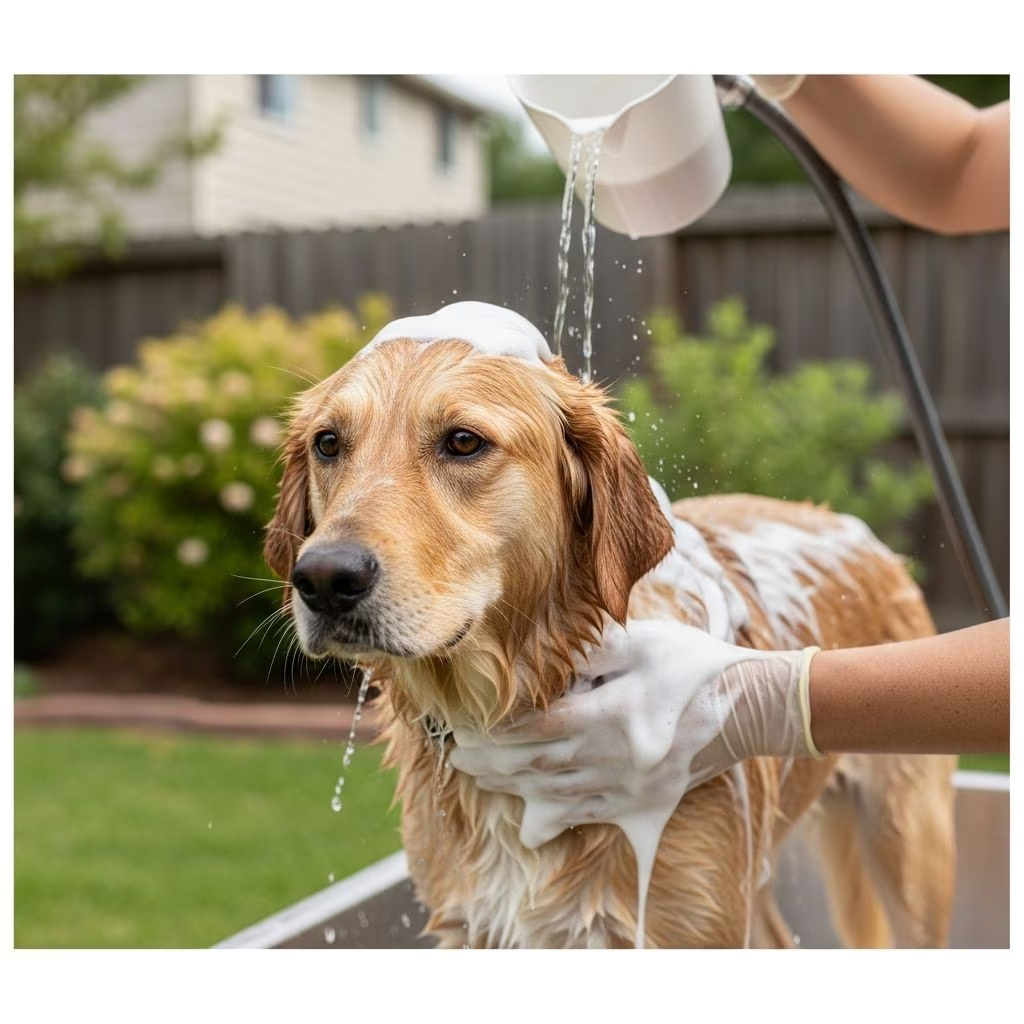
Wearing rubber gloves, work the foaming mixture thoroughly into your dog’s coat, starting from the head and working downward. Massage it into all areas where the spray made contact, paying special attention to the face, ears, neck, and legs. Be extremely careful not to get the solution in your dog’s eyes, nose, or mouth. If you’re concerned about eye contact, you can place a washcloth gently over your dog’s eyes while treating the face area.
Allow the solution to sit for approximately 5 minutes while it continues to work on breaking down the oily compounds. The bubbling action is actively neutralizing the sulfur compounds in the skunk spray. Don’t leave the solution on too long, however, as the hydrogen peroxide can potentially bleach your dog’s fur, especially if your dog has darker coloring.
Rinse thoroughly with copious amounts of water. Use warm water and rinse until all traces of the solution are removed from your dog’s coat. Take your time with this step—residual baking soda or peroxide can cause skin irritation if left on your dog’s skin. You may need to rinse multiple times to ensure complete removal.
Repeat if necessary. If significant odor remains after the first treatment, you can repeat the entire process. Some dogs, particularly those sprayed directly in the face or with dense coats, may require two applications to completely eliminate the odor.
Follow-Up Care
Use Regular Dog Shampoo
After the hydrogen peroxide treatment and thorough rinsing, wash your dog with regular dog shampoo to remove any residual solution and leave their coat feeling clean and fresh. Use lukewarm water and rinse thoroughly until no shampoo remains. This step helps restore your dog’s coat to its normal condition and eliminates any remaining chemical smell from the treatment process.
Dry Your Dog Thoroughly
Pat your dog dry with clean towels and place them in a warm, sunny location for the next couple of hours if possible. Keeping your dog warm and dry prevents them from becoming chilled, which is particularly important if you’ve bathed them outdoors in cool weather. A warm environment also helps dry their coat more completely.
Important Warnings and Precautions
Never Store the Mixture
The hydrogen peroxide and baking soda mixture must be used immediately after mixing. Do not store it in any container, particularly not in closed bottles or jars. The ongoing chemical reaction creates pressure that can cause sealed containers to explode, potentially causing injury or property damage. Always prepare a fresh batch each time your dog needs treatment.
Hydrogen Peroxide Strength Matters
Always use 3% hydrogen peroxide, which is the standard strength found in drugstores and supermarkets. Never use a stronger concentration, as higher percentages can irritate or damage your dog’s skin. The 3% solution is safe and effective when used as directed.
Avoid Bleaching
The hydrogen peroxide in the solution may cause temporary bleaching of your dog’s fur, especially in dogs with darker coats. Don’t leave the mixture on longer than recommended, and rinse thoroughly. This bleaching is temporary and is not toxic to your dog’s skin, but it’s still preferable to minimize this effect when possible.
Alternative Options
Commercial De-Skunking Products
If you don’t have the necessary ingredients on hand, several commercial products specifically designed to remove skunk odor are available. Products like Nature’s Miracle Skunk Odor Remover are available at pet stores and online retailers. These products are convenient and effective, though they may be more expensive than the homemade solution. If you live in an area where skunks are common, keeping a commercial de-skunking product on hand is a practical approach.
Vinegar Solution
If you lack hydrogen peroxide, baking soda, and dish soap, white vinegar diluted with water can provide temporary relief. While not as effective as the hydrogen peroxide solution, it may help reduce some skunk odor. Mix one part white vinegar with one part water, apply to your dog’s coat, and rinse thoroughly. Follow with regular dog shampoo.
Treating Your Home
Beyond treating your dog, you may need to address skunk odor in your home and outdoor spaces. Open windows and use fans to ventilate affected areas thoroughly. Place bowls of white vinegar or activated charcoal around your home—these natural deodorizers absorb odors effectively. You can also try boiling a pot of vinegar on the stove to help neutralize airborne skunk odors.
For items your dog contacted, wash bedding, blankets, and other washable items in hot water. Items that cannot be washed may benefit from exposure to sunlight and fresh air for several days.
When to Seek Veterinary Care
While most skunk spray incidents can be handled at home, certain situations require professional veterinary attention. Seek immediate veterinary care if:
- Your dog was sprayed directly in the eyes or mouth
- Your dog shows signs of severe distress, extreme drooling, vomiting, or difficulty breathing
- Your dog develops symptoms like lethargy, weakness, pale or brown gums, or changes in urine color
- Your dog shows signs of an allergic reaction to the spray
- Your dog has open wounds or severe skin irritation where the spray made contact
In rare cases, skunk spray can cause damage to a dog’s red blood cells, potentially leading to anemia. If you notice your dog acting unusually lethargic or showing concerning symptoms within hours or days of being sprayed, contact your veterinarian promptly.
Prevention Tips
While you cannot completely prevent your dog from encountering a skunk, certain precautions can help reduce the likelihood:
- Supervise your dog outdoors, especially during dawn and dusk when skunks are most active
- Keep your yard free of attractants like pet food, garbage, and grubs
- Use motion-activated lights and sprinklers to discourage skunks from entering your yard
- Keep your dog’s vaccinations current, including rabies protection
- Consider keeping de-skunking supplies on hand if you live in a skunk-prone area
Frequently Asked Questions
Q: How long does skunk smell typically last on a dog?
A: Without treatment, skunk odor can persist for several weeks or even months, as the oily compounds cling to your dog’s fur. However, proper treatment with the hydrogen peroxide solution typically eliminates most of the odor within one or two applications, significantly reducing the timeline.
Q: Can skunk spray harm my dog?
A: Skunk spray is generally not lethal to dogs and causes no permanent damage in most cases. However, it can cause temporary irritation, nausea, and temporary blindness if sprayed in the eyes or mouth. In rare cases, dogs may have allergic reactions or, in extreme situations, the compounds can cause damage to red blood cells leading to anemia.
Q: Is tomato juice effective for removing skunk odor?
A: No, tomato juice is largely ineffective at removing skunk odor. This is an old home remedy that has been proven not to work well. The hydrogen peroxide, baking soda, and dish soap solution is far more effective and is recommended by veterinary professionals.
Q: What should I do if I don’t have all the ingredients for the treatment solution?
A: If you lack all three ingredients, vinegar diluted with water can provide temporary relief, though it’s less effective. Commercial de-skunking products are also available. However, the hydrogen peroxide solution is so effective and uses common household items that it’s worth obtaining the ingredients as soon as possible.
Q: Can the hydrogen peroxide solution damage my dog’s skin?
A: When used as directed with 3% hydrogen peroxide, the solution is safe for dogs’ skin. It may temporarily bleach the fur but is not toxic. Always use the correct concentration and avoid leaving the solution on too long to minimize any risk of irritation.
Q: Should I take my dog to the vet after a skunk spray incident?
A: A routine vet visit is not necessary if your dog shows no signs of distress or concerning symptoms. However, if your dog was sprayed in the face, shows signs of eye or mouth irritation, or develops concerning symptoms within hours or days, contact your veterinarian for professional evaluation.
References
- What to Do If Your Dog Gets Sprayed by a Skunk — American Society for the Prevention of Cruelty to Animals (ASPCA). 2024. https://www.aspca.org/news/what-do-if-your-dog-gets-sprayed-skunk
- How to Get Skunk Smell Off Your Dog — American Kennel Club (AKC). 2024. https://www.akc.org/expert-advice/health/dog-sprayed-by-skunk/
- What to do when a skunk sprays your dog — Humane Society International. 2024. https://www.humaneworld.org/en/resources/de-skunking-your-dog
- What to do if your dog gets skunked — VCA Animal Hospitals. 2024. https://vcahospitals.com/shop/articles/what-to-do-if-your-dog-gets-skunked



