

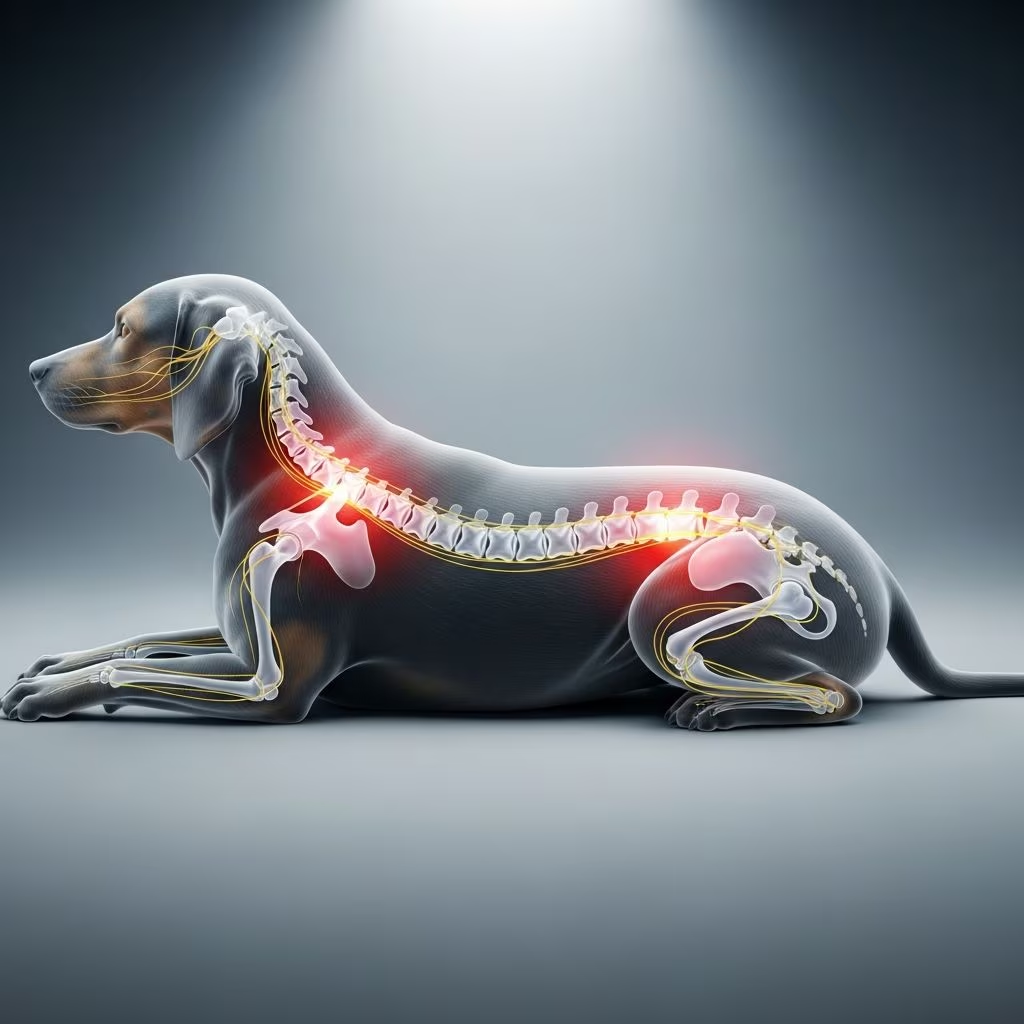
The spine serves as the backbone of a dog’s mobility, housing critical nerves that control movement, sensation, and coordination. When problems arise in this vital structure, they can drastically alter a dog’s quality of life, leading to pain, weakness, or even paralysis. Common conditions such as intervertebral disc disease (IVDD), lumbosacral syndrome, and degenerative myelopathy affect dogs of all ages and breeds, though certain groups like large working breeds or those with long backs face higher risks. Recognizing early indicators is crucial for timely intervention, which can prevent progression and restore function.
Understanding the Canine Spine and Its Vulnerabilities
A dog’s spinal column consists of vertebrae, intervertebral discs, and the spinal cord encased within. Discs act as shock absorbers, while the cord transmits signals from the brain to muscles and organs. Over time, degeneration, trauma, or genetic factors can compromise this system. For instance, IVDD occurs when disc material herniates, pressing on the spinal cord, particularly in breeds like Dachshunds or Beagles with elongated torsos. Lumbosacral disease targets the junction between the last lumbar vertebra and sacrum, common in German Shepherds due to their conformation. Degenerative myelopathy (DM) progressively destroys nerve sheaths, starting in the hindquarters. These issues often stem from aging, repetitive stress, or inherited traits, emphasizing the need for vigilant monitoring.
Early Behavioral Changes Signaling Trouble
Dogs in discomfort often communicate through subtle shifts in habits before physical symptoms intensify. Watch for reluctance to engage in routine activities, such as jumping onto furniture or chasing toys, even when tempted by treats. A once-energetic pet may prefer lying down, showing disinterest in walks or play. Shivering or trembling, particularly alongside lethargy, can indicate chronic pain rather than cold. Vocalizations like whining or yelping during petting, especially along the back, serve as red flags. Owners might notice their dog avoiding bends to reach food bowls, opting instead to stand and lap awkwardly, hinting at neck or lower spine stiffness. These behavioral cues warrant immediate attention to halt escalation.
Visible Posture and Movement Abnormalities
Postural deviations provide clear visual evidence of spinal distress. A hunched or arched back, with the head held low, suggests muscle guarding against pain. The tail may hang limp, a sign of nerve involvement in the lower spine. Gait changes are telling: limping in hind legs, a wobbly ‘drunken’ rear end, or dragging paws indicate coordination loss. In advanced cases, dogs knuckle over on their feet or cross hind legs while walking, struggling to bear weight. Unsteadiness affects all four limbs in some scenarios, with collapse during exertion. These signs demand urgent veterinary evaluation to assess nerve function.
- Hunched posture or lowered head: Protects inflamed areas.
- Limp tail (limber tail): Linked to lumbosacral nerve compression.
- Hind leg dragging or knuckling: Early proprioception failure.
- Arched back with tense abdomen: Muscle spasms from disc herniation.
Mobility and Strength Decline Indicators
Progressive weakness manifests as hesitation on stairs, slips on smooth floors, or inability to rise without assistance. Hindquarter weakness leads to frequent sitting or scooting, while front-end involvement causes overall unsteadiness. Incontinence—urinary or fecal leaks—signals severe nerve damage, as sphincters lose control. Paralysis stages show complete rear limb failure, with the dog unable to stand or feel extremities. Early detection via withdrawal reflex tests, where pinching toes elicits incomplete flexion, can pinpoint neuropathy before paralysis sets in. Tracking these declines helps gauge severity.
Diagnostic Approaches for Accurate Identification
Veterinarians start with a full physical and neurological exam, ruling out hip or joint issues first. Specific tests like the tail jack maneuver—lifting the tail to provoke pain responses—screen for lumbosacral issues. Palpation at the L7-S1 junction checks for guarding or sensitivity. Neurological grading from mild (intermittent pain, normal reflexes) to severe (constant agony, no hock flexion) guides urgency. Imaging is pivotal: X-rays reveal disc narrowing, sclerosis, or step lesions. Advanced MRI or CT scans visualize cord compression, nerve roots, and soft tissues precisely. Bloodwork excludes infections, ensuring comprehensive assessment.
| Diagnostic Tool | Purpose | Key Findings |
|---|---|---|
| X-rays | Bone structure evaluation | Disc space narrowing, osteophytes |
| MRI/CT | Soft tissue and nerve imaging | Herniations, inflammation, tumors |
| Neurological Tests | Function assessment | Reflex delays, pain responses |
Treatment Strategies Tailored to Condition Severity
Management varies by diagnosis and grade. Conservative care for mild cases includes strict crate rest (4-6 weeks), anti-inflammatories, and pain meds to reduce swelling. Physical therapy with controlled exercises rebuilds strength post-rest. Severe compression or paralysis often requires surgery, like fenestration or hemilaminectomy, to remove disc material. Lumbosacral fusion stabilizes the junction in chronic cases. DM lacks a cure but benefits from supportive care like slings for mobility and adapted environments. Prognosis improves with swift action; many dogs regain near-normal function.
Preventive Measures and Lifestyle Adjustments
Breed-specific risks necessitate proactive steps. Maintain ideal weight to lessen spinal load, using joint supplements like glucosamine. Avoid high-impact activities like repetitive jumping in at-risk breeds. Regular vet check-ups with gait analysis catch issues early. Home ramps and orthopedic beds ease daily strains. For DM-susceptible breeds, genetic testing informs breeding and monitoring. Neutering timing may influence disc health in some lines. These habits extend spinal longevity.
FAQs on Canine Spinal Health
What breeds are prone to spinal problems?
Long-backed breeds like Dachshunds face IVDD risks, while German Shepherds contend with lumbosacral disease. Larger breeds over 8 years old are vulnerable to DM.
How quickly does spinal degeneration progress?
IVDD can onset suddenly post-trauma, but DM advances slowly over months. Early signs like subtle limps precede severe weakness.
Can spinal issues resolve without surgery?
Yes, 80-90% of mild IVDD cases respond to rest and meds, avoiding operation.
Is shivering always a spinal pain sign?
Not solely; paired with inactivity or yelps, it strongly suggests back discomfort.
What home tests indicate spinal trouble?
Gently lift the tail or pinch toes; pain cries or poor reflex signal issues, but consult a vet promptly.
When to Seek Emergency Care
Rush to a 24/7 clinic for paralysis, incontinence, or unrelenting cries—these predict poor recovery if delayed. Even mild signs persisting over 24 hours merit a visit. Acting fast preserves nerve function and averts chronic pain.
References
- Dog Back Pain Diagnosis: Recognizing Lumbosacral Disease — Pulse Vet, Zomedica. 2023. https://pulsevet.zomedica.com/dog-back-pain-diagnosis-lumbosacral-disease/
- 8 Signs Your Dog Has a Spinal Injury — The PARC Vet. 2023. https://theparcvet.com/blog/8-signs-your-dog-has-spinal-injury
- Lumbosacral Disease in Dogs: Symptoms, Diagnosis & Treatment — Southeast Veterinary Neurology (YouTube). 2023. https://www.youtube.com/watch?v=6kLtyGkrkuM
- Spinal problems in dogs — The Royal Kennel Club. 2024-10-01. https://www.royalkennelclub.com/health-and-dog-care/health-dog-care/health/health-and-care/a-z-of-health-and-care-issues/spinal-problems-in-dogs/
- Symptoms of Intervertebral Disc Disease (IVDD) in Dogs — Carolina Veterinary Specialists. 2020-08-14. https://www.matthews.carolinavet.com/site/pet-health-blog/2020/08/14/ivdd-intervertebral-disc-disease-in-dogs
- Degenerative Myelopathy in Dogs: Signs, Stages, Treatment — Best Friends Animal Society. 2023. https://bestfriends.org/pet-care-resources/degenerative-myelopathy-dogs-signs-stages-treatment
- Intervertebral disc disease — Cornell University College of Veterinary Medicine. 2024. https://www.vet.cornell.edu/departments-centers-and-institutes/riney-canine-health-center/canine-health-topics/intervertebral-disc-disease



