Dog Spay Surgery: What It Is and What To Expect
Complete guide to dog spay surgery, recovery, costs, and health benefits for pet owners.
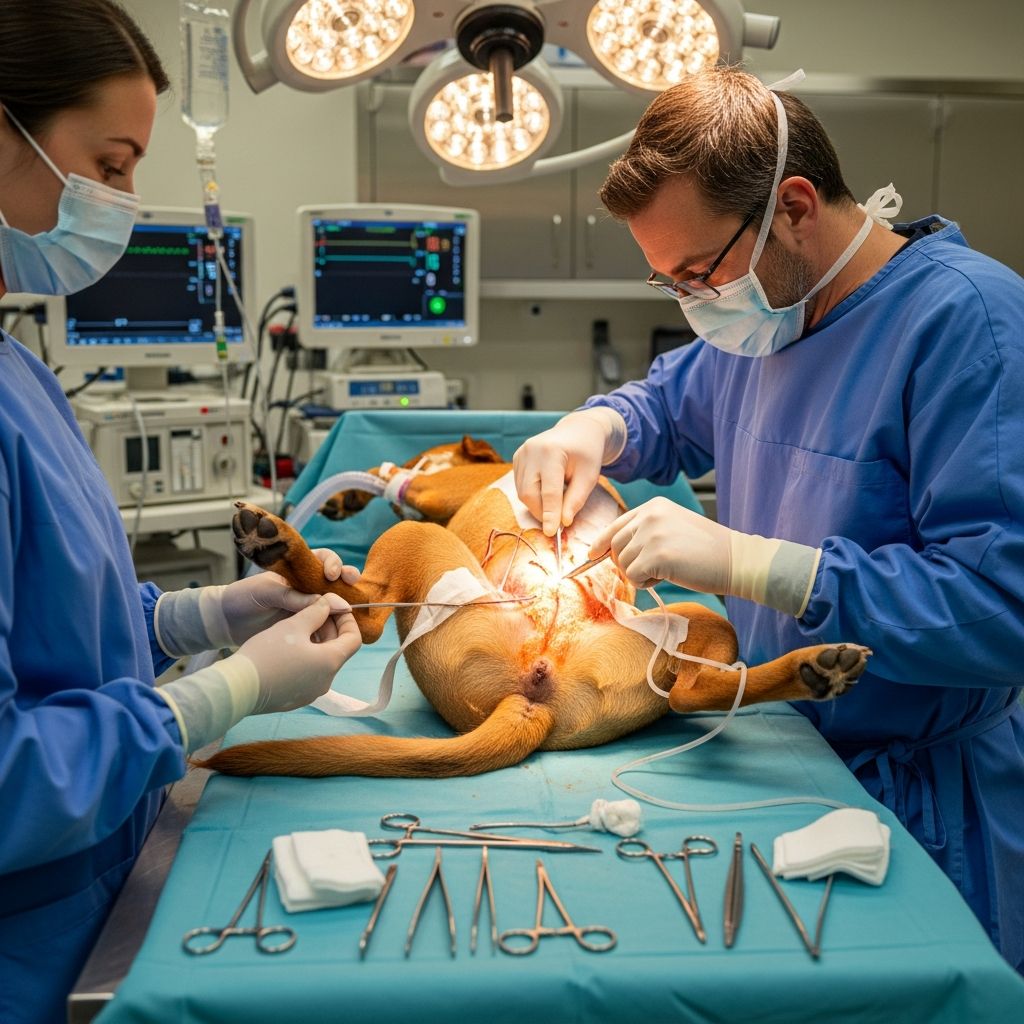
Dog spay surgery is one of the most common veterinary surgeries performed on female dogs today. Also known as ovariohysterectomy, this procedure involves the surgical removal of the female reproductive organs, including the ovaries, uterine tubes, and uterus. These organs produce hormones related to the heat cycle and influence various behaviors in dogs. By removing these reproductive structures, spaying prevents pregnancy and offers numerous health benefits for your canine companion.
While spaying is a routine procedure, it remains a major surgical intervention that requires general anesthesia and proper post-operative care. Understanding what the procedure entails, the recovery process, and potential risks can help you make an informed decision about your dog’s health and prepare for what to expect before, during, and after surgery.
What Is Dog Spay Surgery?
Dog spay surgery, medically termed ovariohysterectomy, is the surgical removal of a female dog’s reproductive organs. Some veterinarians may perform an ovariectomy instead, which involves removing only the ovaries while leaving the uterus in place. However, both procedures achieve the same goal: eliminating the heat cycle and preventing pregnancy.
The female dog’s reproductive system consists of the vulva (external opening), vagina, cervix, uterus, uterine tubes, and ovaries. During a complete spay surgery, all of these reproductive structures are carefully removed through a surgical incision in the abdomen. Even though spaying is a common procedure performed thousands of times daily by veterinarians, it carries surgical and anesthetic risks that require careful pre-operative evaluation and post-operative care throughout the typical 14-day recovery period.
Health Benefits of Spaying Your Dog
Spaying your dog provides significant health advantages that can contribute to a longer, healthier life. The procedure prevents pregnancy and eliminates several serious health conditions:
- Prevents mammary cancer: Spaying greatly reduces the risk of breast cancer, which is malignant or cancerous in approximately 50 percent of dogs
- Eliminates reproductive cancers: Erases the risk of uterine cancer and ovarian cancer entirely
- Prevents pyometra: A life-threatening uterine infection that can develop in intact female dogs
- Reduces behavioral issues: Eliminates or significantly reduces unwanted behaviors such as roaming, urine marking, restlessness, aggression toward other dogs, and excessive humping
- Increases life expectancy: Spayed dogs often live longer, healthier lives free from reproductive system diseases
When Should You Spay Your Dog?
The ideal age to spay your dog depends on several factors, including her size, breed, and overall health. Veterinarians traditionally recommend spaying at around six months of age. However, the decision may vary based on individual circumstances.
A primary concern when spaying very young dogs is anesthesia safety. Very small pets can present challenges with temperature regulation and anesthetic management, though modern advanced anesthetic protocols allow veterinarians to safely anesthetize even tiny pediatric patients. In shelter environments where highly trained staff perform thousands of pediatric spays annually, procedures are sometimes performed on puppies as young as two to three months old.
For large breed dogs or those with increased risk of hip dysplasia, certain cancers, or very hooded vulvas, your veterinarian may recommend waiting longer before spaying. Some experts suggest delaying the procedure until after the first heat cycle or until the dog reaches full maturity at 1.5 to 2 years of age, as recent studies show this timing can reduce the risk of developing certain joint disorders and bone cancers in large-breed dogs.
Can a Dog Be Spayed While in Heat?
While it is technically possible to spay a dog during her heat cycle, it is generally safer to wait until the heat cycle is complete before scheduling surgery. Dogs in heat have enlarged blood vessels and more vessels going to their reproductive tract. This physiological change increases the risk of post-operative bleeding and oozing complications. When your dog is not in heat, the surgical field presents less vascular tissue, making the procedure easier to perform with reduced bleeding complications.
The Dog Spay Surgery Procedure
Understanding what happens during your dog’s spay surgery can help alleviate concerns and prepare you for what to expect on surgery day. The procedure follows a carefully planned sequence of steps designed to ensure your dog’s safety and comfort.
Pre-Operative Preparation
Before your dog arrives for surgery, complete all necessary paperwork with your veterinary clinic. Upon arrival, your dog will be hospitalized for the day, blood will be drawn, and an IV catheter will be placed in her leg. The veterinarian will perform a thorough physical examination, review your dog’s medical records, and examine blood work results to create a customized anesthetic plan that is appropriate for your individual dog.
The veterinary team will administer pain medication and sedatives to help reduce anxiety and prepare your dog for general anesthesia. An endotracheal tube will be placed in the trachea to allow oxygen and gas anesthetic to be delivered directly to the lungs, which ensures proper breathing is maintained throughout the procedure. Your dog’s abdomen will be shaved extensively and surgically prepped using sterile techniques to minimize infection risk.
The Surgical Procedure
Once your dog is fully anesthetized and prepped, the surgeon makes an incision in the middle of the abdominal skin, typically positioned between the mammary glands. This incision extends through the subcutaneous fat layer and into the abdomen. The size of the incision depends on your dog’s age and size.
The surgeon uses a specialized tool called a spay hook to locate the uterus and carefully brings it up and out of the abdomen. After visualizing the ovaries, the surgeon clamps them off using surgical instruments. Each ovary is then ligated (tied off) with sutures and removed using a scalpel or laser. Depending on the surgical technique used, the surgeon may also clamp off and remove the uterus.
The surgeon carefully inspects all attachments for bleeding to ensure complete hemostasis before replacing the uterine and ovarian attachments back into the abdomen. The abdomen is then closed in reverse order using three layers of sutures or staples. Typically, the sutures are placed under the skin and dissolve over time, eliminating the need for suture removal and reducing the likelihood that your dog will disturb the incision site.
Post-Operative Care
Most dogs go home the same day as their surgery on an outpatient basis. Some veterinarians may tattoo all spayed or neutered pets during the procedure as a permanent identification mark. Before leaving the veterinary clinic, you will receive detailed post-operative instructions regarding activity restrictions, medication administration, wound care, and signs of complications to monitor.
Recovery Timeline and Care
Dog spay surgery recovery typically takes approximately 14 days. During this critical period, your dog requires restricted activity, proper medication administration, and careful incision monitoring to ensure proper healing and prevent complications.
Throughout the recovery period, you should limit your dog’s activity significantly. Avoid strenuous exercise, running, jumping, and play that could stress the healing incision. Keep your dog calm and confined to a small area when unsupervised. Administer all prescribed medications exactly as directed by your veterinarian, which typically include pain relievers and antibiotics.
Monitor the incision site daily for signs of problems such as excessive redness, swelling, discharge, or opening of the stitches. Keep the area clean and dry, and prevent your dog from licking or biting at the incision. An Elizabethan collar (cone) may be necessary to prevent self-trauma to the surgical site.
Risks and Complications of Dog Spay Surgery
Although dog spay surgery is one of the most commonly performed veterinary procedures with a low death rate, complications can occur in approximately 20 percent of dogs undergoing the procedure. Understanding potential risks allows you to monitor for warning signs and seek immediate veterinary care if necessary.
Common Complications
The most common complication following dog spay surgery is hemorrhage or bleeding. Fortunately, bleeding problems are usually managed during the procedure itself without causing long-term complications. However, post-operative bleeding can occasionally occur and may require additional treatment.
Other potential complications include:
- Infection and wound dehiscence: Breaking of stitches and opening of the surgical incision
- Seroma: A fluid-filled swelling that develops at the incision site
- Foreign objects: Rarely, surgical instruments or other foreign objects may be inadvertently left inside the body (gossypiboma)
- Ovarian remnant syndrome: Remaining ovarian tissue continues to produce hormones, and the dog continues to cycle
- Stump pyometra: Infection develops in remaining uterine tissue
- Uterovaginal fistula: An abnormal connection forms between the uterus and vagina, potentially causing incontinence
- Accidental ureter ligation: The tube carrying urine from the kidneys may be accidentally tied off during surgery
- Anesthetic-related complications: Adverse reactions to anesthetic drugs or gas
Reducing Surgical Risk
Pre-operative blood work and a complete physical examination are critical safety procedures that should always be performed before administering general anesthesia. These tests help identify any underlying health conditions that could increase anesthetic risk. If your dog is overweight, your veterinarian may recommend weight loss before surgery to reduce the chance of complications, as obesity can complicate both the surgical procedure and recovery.
Cost of Dog Spay Surgery
The cost of dog spay surgery varies considerably depending on several factors. Most veterinary practices charge anywhere from $250 to $600 or more, with pricing influenced by the size and age of your dog. Additional fees may apply if your dog is overweight or in heat at the time of surgery, as these factors increase surgical complexity, risks, and time required for the procedure.
Fortunately, financial assistance is available through various organizations. The Humane Society and other community organizations often offer free vouchers or significantly discounted fees for spaying dogs, making the procedure more accessible to pet owners facing financial constraints. Contact local animal welfare organizations to inquire about available assistance programs in your area.
Preparing Your Home for Recovery
Adequate preparation of your home environment is essential for supporting your dog’s successful recovery. Create a comfortable, quiet space where your dog can rest undisturbed. Provide soft bedding that is easy to clean in case of accidents. Set up food and water bowls in an easily accessible location without requiring stairs or jumping.
Consider investing in a recovery kit that includes items to support healing, such as pain medication administration aids, an Elizabethan collar to prevent licking, cleaning supplies for the incision site, and comfortable blankets. Having these items on hand before surgery ensures you are fully prepared to provide the best possible care during your dog’s recovery period.
Frequently Asked Questions About Dog Spay Surgery
Q: Is spaying safe for my dog?
A: Yes, spaying is considered a safe procedure when performed by a qualified veterinarian. While any surgical procedure carries some risk, spay surgery has a low complication and death rate. Pre-operative blood work and physical examination help identify any concerns before surgery.
Q: How long is the recovery period after spay surgery?
A: The typical recovery period is approximately 14 days. During this time, your dog requires restricted activity, prescribed medications, and careful monitoring of the incision site to ensure proper healing.
Q: Will my dog’s personality change after being spayed?
A: Spaying eliminates heat cycles and heat-related behaviors such as roaming, urine marking, restlessness, and aggression. However, your dog’s core personality remains unchanged. Some dogs may experience a slight decrease in energy levels, which is normal.
Q: Can I bathe my dog during recovery?
A: You should avoid bathing your dog for at least 10-14 days after surgery while the incision is healing. Water exposure can compromise the incision and increase infection risk. Consult your veterinarian before bathing.
Q: What should I do if my dog’s incision opens or shows signs of infection?
A: Contact your veterinarian immediately. Signs of infection include excessive redness, swelling, discharge, warmth around the incision, or opening of stitches. Prompt treatment is essential to prevent serious complications.
Q: Is there an alternative to surgical spaying?
A: Currently, there is no reliable alternative to surgical spaying. While some non-surgical options have been explored, surgical spaying remains the gold standard for preventing pregnancy and eliminating reproductive health risks.
Q: When can my dog resume normal activity after spay surgery?
A: You should restrict your dog’s activity for the full 14-day recovery period. Gradually return to normal activity levels only after your veterinarian confirms the incision has healed properly at the post-operative check-up.
References
- Dog Spay Surgery: What It Is and What To Expect — PetMD. 2024. https://www.petmd.com/dog/procedure/dog-spay-surgery
- Spaying Your Dog: Dog Spay Surgery from Start to Finish — Chewy Education. 2024. https://www.chewy.com/education/dog/health-and-wellness/dog-spay-surgery-from-start-to-finish
- Spaying in Dogs — VCA Animal Hospitals. 2024. https://vcahospitals.com/know-your-pet/spaying-in-dogs
- Spay/Neuter Your Pet — ASPCA. 2024. https://www.aspca.org/pet-care/general-pet-care/spayneuter-your-pet
- What Age Should You Spay Your Dog? — PetMD. 2024. https://www.petmd.com/dog/general-health/what-age-should-you-spay-your-dog
- 6 Must-Have Items for Your Dog’s Spay or Neuter Recovery — PetMD. 2024. https://www.petmd.com/dog/care/create-your-home-kit-neuter-and-spay-recovery-dogs
Similar Articles




Read full bio of medha deb