

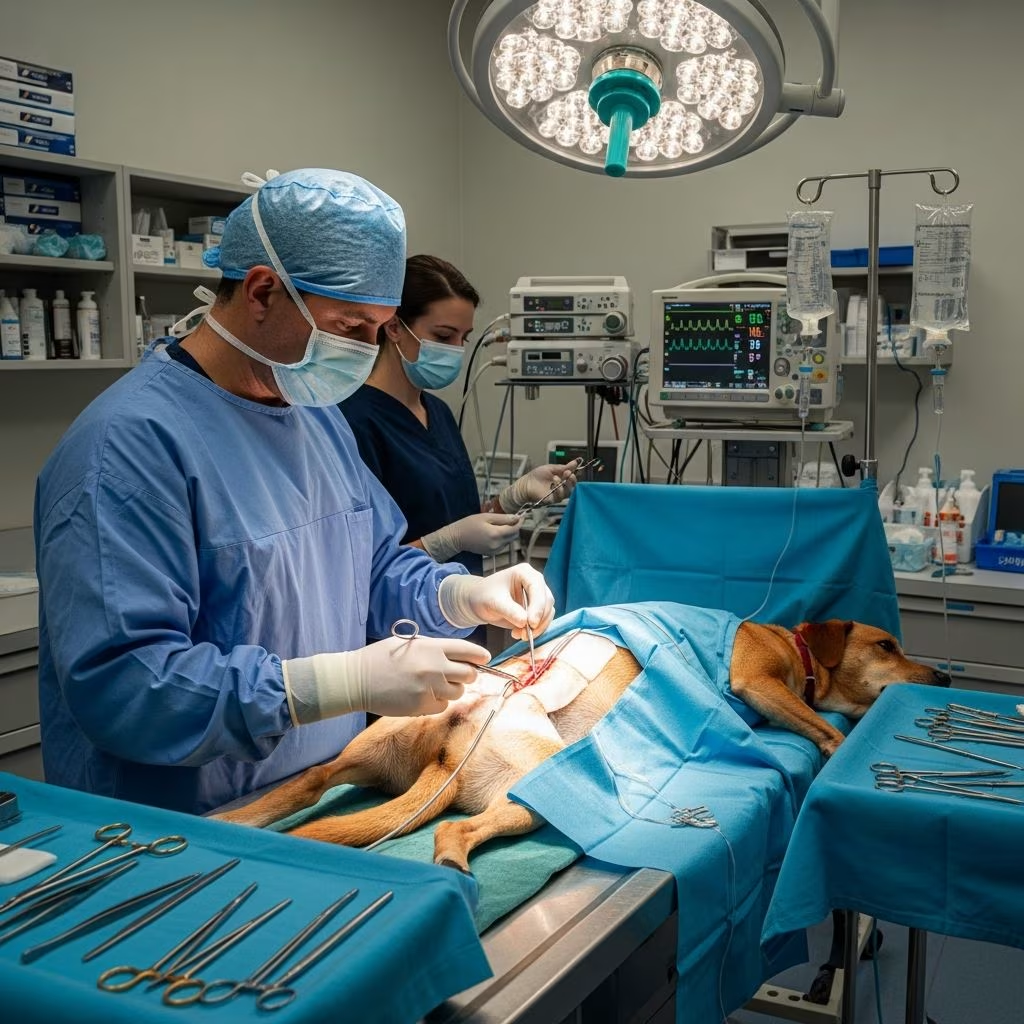
Dog Spay Surgery: From Start to Finish
Spaying is one of the most common surgical procedures performed on female dogs, and understanding what the process entails can help pet owners feel more confident and informed as they prepare their beloved companion for this important veterinary procedure. Whether you’re considering spaying your dog for the first time or simply want to know more about what happens during the surgery, this comprehensive guide will walk you through every stage of the process, from initial preparation to recovery and aftercare.
What Is Dog Spay Surgery?
Dog spay surgery, medically known as an ovariohysterectomy, is a surgical procedure in which a veterinarian removes a female dog’s ovaries and uterus to prevent pregnancy and eliminate the ability to reproduce. The procedure is performed under general anesthesia and typically takes between 30 and 90 minutes, depending on the individual dog’s anatomy and the surgical technique used by the veterinarian. This elective surgery is one of the most routine procedures in veterinary medicine and is recommended by veterinarians for numerous health and behavioral benefits.
The primary goal of spaying is to sterilize the female dog completely, preventing unwanted litters and reducing the risk of serious health conditions such as mammary cancer and uterine infections known as pyometra. Additionally, spaying eliminates the heat cycle, which can reduce unwanted behaviors and eliminate the stress associated with hormonal fluctuations.
Understanding the Female Dog’s Reproductive System
Before diving into the surgical procedure itself, it’s helpful to understand the basic anatomy of a female dog’s reproductive system. A female dog’s reproductive system consists of the vulva, which is the external opening, connected to the vagina, which in turn connects to the uterus via the cervix. The uterus branches into two uterine horns, and each horn connects to an ovary. During spay surgery, all of these reproductive organs—the ovaries, uterine tubes, and uterus—are removed completely.
Pre-Operative Preparation and Bloodwork
Before your dog undergoes spay surgery, thorough preparation is essential to ensure her safety during the procedure. The veterinary team will conduct several important steps to prepare your dog for surgery:
Bloodwork and Health Assessment
The veterinary team will run your dog’s bloodwork before surgery—either the same day or earlier—to make sure your dog is safe for anesthesia. This pre-operative blood panel checks kidney and liver function, blood cell counts, and other important parameters to identify any potential complications. If her bloodwork is normal and your veterinarian gives the green light, your dog can proceed with the scheduled surgery.
Pre-Surgical Instructions
Most veterinary clinics will provide you with specific fasting instructions, typically requiring your dog not to eat the night before the procedure. This fasting period is crucial because it prevents complications during anesthesia. You should follow these instructions carefully, as food in the stomach can pose serious risks during general anesthesia. Additionally, your veterinarian may ask you to keep your pet calm and comfortable before the appointment.
IV Catheter Placement
On the day of surgery, if your dog’s bloodwork is normal, the veterinary team will inject your dog with a sedative to reduce her anxiety and pain. An intravenous catheter will be placed in her leg, which serves as a route for administering anesthesia and providing fluid therapy during the procedure. You may notice an area of clipped fur on one of your dog’s legs after surgery, which is a normal part of IV catheter placement and will grow back over time.
The Spay Surgery Process: Step-by-Step
Anesthesia and Preparation
Once your dog is sedated and the IV catheter is in place, she will be placed under general anesthesia to ensure she feels no pain during the procedure. A breathing tube, called an endotracheal tube, will be placed in her trachea to allow the delivery of oxygen and gas anesthetic directly into the lungs. This ensures proper oxygenation throughout the surgery. Your dog will then be shaved and sterilely prepped. Don’t be alarmed if she has a lot of hair removed—this is a necessary part of surgical preparation to maintain a sterile field and prevent infection.
Creating the Surgical Incision
The first major step in the spay procedure involves making a surgical incision. The incision is typically made in the middle of the abdominal skin, either between the mammary glands or just below the belly button (umbilicus), depending on the surgeon’s preference and technique. The incision is then extended through the subcutaneous fat layer and through the abdomen wall to allow access to the reproductive organs.
Locating and Exteriorizing the Uterus
Once the abdomen is open, the surgeon uses a specialized tool called a spay hook to find the uterus and bring it up and out of the abdomen. The spay hook is carefully inserted into the abdomen and directed to locate and catch the uterine horn or broad ligament. This step requires careful technique to avoid damaging other abdominal organs and structures.
Removing the Ovaries
After the uterus is located and partially exteriorized, the surgeon follows the uterine horn cranially to locate the ovary. Once the ovaries are visualized, the surgeon will clamp off the ovaries with surgical tools. A window is created in the broad ligament, and the surgeon carefully identifies and cuts the suspensory ligament. The ovarian pedicle is then clamped with a hemostat, and using a scalpel or laser, the surgeon removes the ovary. Using sutures made of synthetic monofilament absorbable material, the surgeon ties off each ovary with a simple ligature to prevent bleeding.
Handling the Uterus
After both ovaries are secured and removed, the surgeon addresses the uterus itself. The broad ligament is broken down to release tension, allowing the surgeon to follow the uterine horn to the uterine body and then to the second ovary. Some surgical techniques involve leaving the uterus in the body, while others involve clamping off and removing the uterus as well, depending on the specific procedure the surgeon is using. When the uterus is to be removed, the surgeon applies a surgical clamp to the uterine body and ties it off with sutures using a modified Miller’s knot technique with absorbable suture material.
Final Checks and Closure
Before closing the abdomen, the surgeon carefully checks all attachments for any signs of bleeding. The surgeon inspects the pedicles and ligatures to ensure they are secure and that no blood is leaking. If everything looks good, the surgeon carefully places the uterine and ovarian attachments back inside the abdomen. The abdomen is then closed in reverse order, typically using three layers of sutures or staples. The sutures are usually placed under the skin and are made of absorbable material that dissolves over time, eliminating the need for suture removal and reducing the likelihood that your dog will bother the incision site.
Post-Operative Recovery and Monitoring
After the surgical procedure is complete, your dog will be monitored as she wakes up from anesthesia. During this recovery period, the veterinary staff will watch for proper breathing, heart rate, and temperature regulation. Most pets go home the same day, though some veterinary clinics may recommend keeping your dog overnight for observation if there were any complications during surgery or if your dog is particularly anxious about recovery.
Your veterinarian will provide you with detailed post-operative instructions to follow at home. The healing process is usually smooth, but your pet will need some extra care in the days following surgery. This typically includes restricting your dog’s activity, keeping the incision clean and dry, and monitoring for any signs of infection or complications.
Post-Operative Care and Recovery Instructions
Activity Restrictions
One of the most important aspects of post-operative care is limiting your dog’s activity during the recovery period. Your dog should avoid running, jumping, swimming, or engaging in rough play for at least 10-14 days following surgery. Excessive activity can put strain on the incision site and delay healing. Instead, provide short, controlled walks on a leash and encourage quiet rest.
Incision Care
Keep the surgical incision clean and dry at all times. Avoid bathing your dog or allowing the incision to get wet until your veterinarian gives the all-clear. Check the incision daily for signs of infection, including redness, swelling, discharge, or foul odor. If you notice any concerning changes, contact your veterinarian immediately.
Pain Management
Your veterinarian will likely prescribe pain medication to keep your dog comfortable during the recovery period. Administer these medications exactly as directed, typically for 7-10 days following surgery. Proper pain management helps reduce stress and promotes faster healing.
E-collar Use
Your veterinarian may recommend using an Elizabethan collar (E-collar) to prevent your dog from licking or chewing at the incision site. This protective device is essential for preventing self-inflicted wounds that could lead to infection or reopening of the incision.
Potential Complications and When to Seek Help
While spay surgery is routine and generally safe, it’s important to be aware of potential complications. Contact your veterinarian immediately if you notice any of the following signs:
- Excessive bleeding or discharge from the incision
- Redness, swelling, or warmth around the incision site
- Foul odor coming from the incision
- Lethargy or depression lasting more than 24 hours
- Loss of appetite for more than 24 hours
- Vomiting or diarrhea
- Difficulty urinating or defecating
- Excessive panting or difficulty breathing
Optional Surgical Procedures
During the spay surgery, your veterinarian may offer additional procedures. Some veterinarians tattoo all neutered or spayed pets during surgery, so your furry companion may have this done. A small tattoo inside the ear or on the inner lip serves as permanent identification that your dog has been spayed, which can be helpful if your dog ever gets lost and is found by an animal shelter or rescue organization.
Benefits of Spaying Your Dog
Spaying provides numerous health and behavioral benefits for your female dog. The procedure eliminates the risk of unwanted pregnancy, prevents the heat cycle, and significantly reduces the risk of serious health conditions such as mammary cancer and pyometra (uterine infection). Additionally, spaying can help reduce certain unwanted behaviors associated with the heat cycle, such as excessive vocalization, marking behavior, and restlessness.
Frequently Asked Questions About Dog Spay Surgery
Q: At what age should I have my dog spayed?
A: Most veterinarians recommend spaying dogs between 5-15 months of age, though the best age depends on your individual dog’s breed, size, and health status. Consult with your veterinarian to determine the optimal timing for your pet.
Q: How long does a dog spay surgery take?
A: Dog spay surgery typically takes between 30 and 90 minutes, depending on the individual dog’s anatomy, the surgical technique used, and whether any complications arise during the procedure.
Q: Will my dog have visible scars after spaying?
A: Most dogs have minimal scarring after spay surgery, especially if the incision is properly cared for during recovery. As the incision heals, the scar typically becomes less visible over time.
Q: How much does dog spay surgery cost?
A: The cost of spay surgery varies depending on your location, the veterinary clinic, and your dog’s size and health status. On average, spay surgery can cost between $200-$500, though some clinics and animal shelters offer lower-cost options.
Q: Can I bathe my dog after spay surgery?
A: You should avoid bathing your dog or allowing the incision to get wet for at least 10-14 days after surgery, or until your veterinarian gives approval. Getting the incision wet can lead to infection or complications.
Q: What should I do if my dog’s incision becomes infected?
A: If you notice signs of infection, such as redness, swelling, discharge, or foul odor, contact your veterinarian immediately. Infections can be treated with antibiotics if caught early.
Q: Will my dog’s personality change after being spayed?
A: Spaying should not significantly change your dog’s personality. Most dogs behave the same after surgery, though they may be calmer due to the elimination of hormonal fluctuations associated with the heat cycle.
Q: How long until my dog can return to normal activity?
A: Most dogs can gradually return to normal activity after 10-14 days, though full recovery may take 2-3 weeks. Always follow your veterinarian’s specific post-operative instructions.
References
- Dog Spay Surgery — PetMD. 2024. https://www.petmd.com/dog/procedure/dog-spay-surgery
- What Happens During My Pet’s Spay? — Aspen Animal Wellness. 2024. https://aspenanimalwellness.com/what-happens-during-my-pets-spay/
- A Step-by-Step Guide to Spaying and Neutering Your Pet — Penn Vet Care. 2024. https://www.pennvetcare.com/blog/1293847-a-step-by-step-guide-to-spaying-and-neutering-your-pet
- Spaying in Dogs — VCA Animal Hospitals. 2024. https://vcahospitals.com/know-your-pet/spaying-in-dogs
- What to Expect When Your Pet is Getting Spayed or Neutered — Virginia Tech College of Veterinary Medicine. 2024. https://vth.vetmed.vt.edu/animal-care-tips/pet-spay-neuter.html
- Canine Ovariohysterectomy Procedure — Veterinary Surgery Online. 2024. https://www.vetsurgeryonline.com/canine-ovariohysterectomy-procedure/



