Dog Spay Surgery Duration and Recovery Timeline
Understanding the timeline for your dog's spay procedure and post-operative care
Understanding Dog Spay Surgery: Duration, Process, and Recovery
Spaying your female dog is one of the most common and important veterinary procedures pet owners undertake. Beyond preventing unwanted pregnancies, spaying provides significant health benefits, including substantially reducing the risk of mammary cancer when performed before the first heat cycle. However, many dog owners wonder about the practical aspects of the procedure—specifically, how long it takes and what happens during recovery. Understanding the timeline for spay surgery and the recovery process can help you prepare your pet and home for a smooth healing experience.
The Duration of Canine Spay Surgery: What Affects Timing
The actual surgical procedure for spaying a dog typically lasts between 20 to 90 minutes, though this timeframe can vary considerably based on several factors. The wide range reflects the reality that no two dogs are identical, and veterinarians must account for individual differences when planning surgical time. Understanding what influences the duration of surgery helps pet owners have realistic expectations about their appointment and their dog’s overall hospital visit.
Key Factors That Influence Surgical Duration
- Dog Size and Breed Characteristics: Larger dogs naturally require more surgical time because veterinarians must work through greater volumes of abdominal tissue and fat to locate and remove the reproductive organs. A small breed dog might complete surgery in 30 minutes, while a large breed could take 60-90 minutes or longer. The density of abdominal tissue also varies, which can affect how quickly a surgeon can access and remove the ovaries and uterus.
- Age and Overall Health Status: Older dogs or those carrying excess weight may require extended surgical time due to additional tissue layers or potential complications. Dogs with pre-existing health conditions might need more careful anesthetic management and surgical technique, adding to the overall procedure duration. Puppies and young adult dogs typically undergo faster procedures than geriatric patients.
- Surgeon Experience and Expertise: Veterinarians with extensive experience in spay procedures often work more efficiently, potentially reducing surgical time without compromising safety or precision. However, the primary focus should always be on proper surgical technique and ensuring complete removal of reproductive tissue rather than rushing through the procedure.
- Surgical Approach Selection: Veterinarians may choose between traditional open surgery using a scalpel or minimally invasive laparoscopic techniques using surgical lasers. Laparoscopic methods may require additional setup time but can result in smaller incisions and potentially faster overall recovery for some patients.
- Unexpected Complications: If a veterinarian encounters adhesions, excessive bleeding, or other complications during surgery, the procedure time will extend accordingly. This is why veterinarians perform comprehensive pre-operative examinations and bloodwork to identify potential risks beforehand.
What Happens During Your Hospital Visit
While the actual surgery takes 20-90 minutes, pet owners should expect their dog to spend several hours at the veterinary facility on the day of the procedure. This extended timeframe encompasses several critical phases that ensure your dog’s safety and comfort throughout the experience.
Pre-Surgery Preparation Phase
Upon arrival at the veterinary clinic, you’ll begin with check-in and paperwork completion. The veterinary team will then conduct a thorough physical examination to assess your dog’s current health status. Bloodwork will be drawn to evaluate organ function and ensure your dog is healthy enough to safely undergo anesthesia. An intravenous catheter will be placed, which serves as access for administering fluids and medications during surgery. This pre-operative preparation typically takes 1-2 hours.
Anesthesia Administration
Before surgery begins, your veterinarian will develop a customized anesthetic plan tailored to your dog’s specific needs, age, and health status. Your dog will receive pain medication and sedatives to facilitate the transition into general anesthesia. Once your dog is unconscious, the surgical area—typically the abdomen—will be shaved and thoroughly disinfected with sterile surgical solutions to minimize infection risk.
The Surgical Procedure Itself
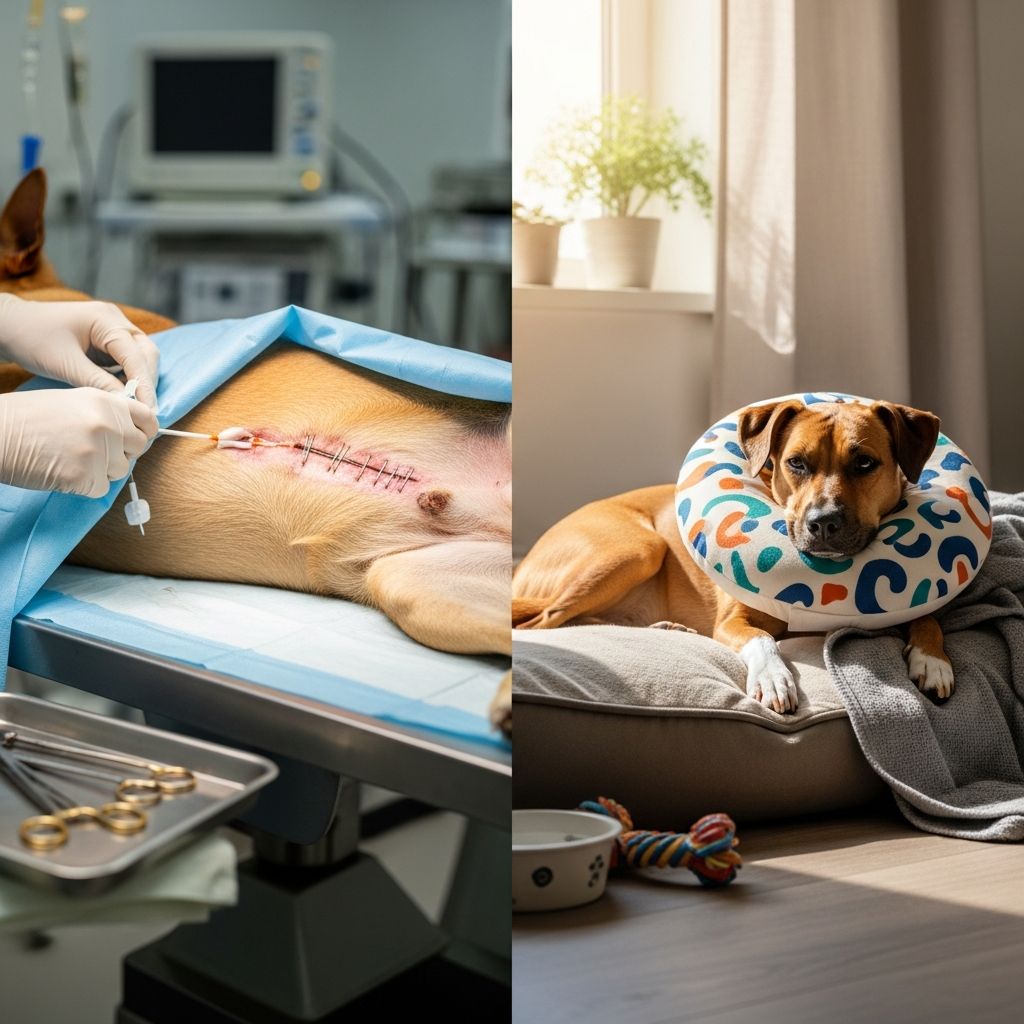
The veterinarian makes an incision in the abdominal wall, typically near the umbilicus (belly button). Through this opening, the surgeon locates the ovaries and uterus, carefully ligates (ties off) the blood vessels, and removes these reproductive organs. The surgeon then closes the abdominal incision using surgical glue, sutures, or staples, depending on their preference and your dog’s specific situation. Throughout surgery, veterinary staff continuously monitor your dog’s vital signs, including heart rate, blood pressure, breathing, oxygen levels, and body temperature.
Immediate Post-Operative Recovery
After surgery concludes, your dog remains at the veterinary facility during the recovery from anesthesia. The medical team carefully observes your dog as she regains consciousness, ensuring she’s comfortable and monitoring for any immediate complications. Pain medication continues to be managed, and staff members assess whether your dog is ready for discharge to home care. This recovery period at the clinic typically lasts 1-2 hours.
Understanding the Complete Recovery Timeline
The recovery period after spay surgery extends well beyond the day of the procedure. Understanding the expected timeline helps you provide appropriate care and recognize any signs of complications that might require veterinary attention.
Days 1-2: Initial Recovery Phase
Most dogs begin feeling noticeably better within 24-48 hours after surgery. During these first two days, your dog may be drowsy or lethargic due to residual anesthesia effects. Some mild swelling and redness around the incision is completely normal. Your dog may have little appetite on the first day but should start eating normally by the second day. Continue providing pain medication exactly as prescribed by your veterinarian.
Days 3-7: Transitional Healing Phase
By the end of the first week, most dogs show substantial improvement in energy levels and comfort. The incision should begin appearing less red and swollen. This is when many owners feel tempted to allow their dogs more activity, but restraint remains crucial. Restrict exercise and prevent jumping, as excessive activity can compromise the incision and require additional veterinary intervention. Inspect the incision daily for any concerning changes.
Days 8-14: Final Healing Phase
The incision continues healing throughout the second week. If your veterinarian used sutures or staples rather than surgical glue, these typically require removal around day 10-14. Your veterinarian will provide specific instructions about when to return for suture removal. Even as visible healing progresses, continue limiting your dog’s activity and avoid allowing her to jump or run intensely.
Complete Recovery (14+ Days)
Full recovery from spay surgery generally takes approximately 10-14 days. However, complete internal healing continues beyond the visible stages. Some dogs may benefit from extended periods of restricted activity, particularly large breed dogs or those with slow healing histories. Your veterinarian will provide guidance about when your dog can return to normal activity levels.
Essential Post-Operative Care Instructions
Proper home care during recovery significantly influences your dog’s healing and reduces complication risks. Follow these guidelines carefully:
| Care Category | Recommendations |
|---|---|
| Activity Level | Limit to short, leashed walks; prevent jumping, running, and rough play; consider crate rest for extended periods |
| Incision Monitoring | Check daily for redness, discharge, swelling, or foul odor; contact veterinarian if concerning signs appear |
| Medication Management | Administer pain medication and antibiotics exactly as prescribed; do not skip doses |
| Bathing and Water | Avoid bathing or swimming until sutures are removed; keep incision dry |
| Diet and Nutrition | Offer normal diet once appetite returns; maintain consistent feeding schedule |
| Incision Protection | Prevent licking with an Elizabethan collar if needed; excessive licking can cause infection |
Signs of Complications Requiring Veterinary Attention
While complications are relatively uncommon, knowing warning signs ensures you seek help promptly if problems develop:
- Excessive bleeding or hemorrhaging at the incision site
- Significant swelling, warmth, or hardness around the incision
- Discharge with foul odor or discolored appearance suggesting infection
- Incision opening or separation (dehiscence)
- Persistent vomiting or inability to eat beyond 24 hours
- Extreme lethargy or unresponsiveness lasting beyond 48 hours
- Signs of pain that worsen rather than improve
- Difficulty urinating or defecating
- Allergic reactions to medications including facial swelling or difficulty breathing
Optimizing Your Dog’s Recovery Environment
Creating an appropriate recovery space at home facilitates healing and prevents complications. Set up a quiet area away from other pets and family commotion where your dog can rest undisturbed. Use a comfortable bed or blanket in a location that’s easy to supervise. Keep the space temperature-controlled and free from stairs if possible. Position food, water, and elimination areas nearby to minimize necessary movement. Having everything your dog needs close at hand encourages rest and reduces stress on the healing incision.
Medication Management During Recovery
Your veterinarian will likely prescribe pain medication and possibly antibiotics to support recovery. Never alter the prescribed dosing schedule without veterinary guidance. Pain management is crucial not only for your dog’s comfort but also because pain can delay healing and cause behavioral changes. Set phone reminders to administer medications on schedule, especially if multiple medications require administration at different times. Keep medications stored properly and safely away from other household members or pets.
Frequently Asked Questions About Spay Surgery Duration and Recovery
Can my dog eat or drink before surgery?
No. Your veterinarian will provide specific fasting instructions, typically requiring no food for 6-8 hours and sometimes no water for 2-4 hours before surgery. Fasting reduces the risk of vomiting and aspiration during anesthesia, which can be life-threatening.
Why does the surgery take different amounts of time for different dogs?
Multiple factors contribute to duration variations, including dog size, breed, age, health status, body composition, and whether complications arise during surgery. Larger or older dogs with more abdominal tissue typically require more surgical time than small, young dogs.
Is laparoscopic spay faster than traditional surgery?
Laparoscopic procedures may have different timing profiles compared to traditional open surgery. While the actual surgical time might be similar, laparoscopic techniques typically result in smaller incisions and potentially faster overall recovery periods, though setup time may be longer.
What should I do if the incision bleeds after going home?
A small amount of blood is normal immediately after surgery. However, excessive or continuous bleeding warrants immediate veterinary attention. Contact your veterinarian or emergency clinic if bleeding concerns you.
When can my dog return to normal exercise and play?
Most dogs need approximately 10-14 days of restricted activity before returning to normal levels. Your veterinarian will provide specific guidance based on your dog’s individual healing progress and health status. Even after 14 days, gradually increase activity rather than immediately returning to vigorous exercise.
Is it normal for my dog to be sleepy after surgery?
Yes, absolutely. Anesthesia effects can persist for 24-48 hours after surgery, causing drowsiness and lethargy. This gradually improves as the anesthesia leaves your dog’s system. However, contact your veterinarian if lethargy persists beyond 48 hours.
Conclusion: Preparing for Your Dog’s Spay Procedure
Understanding the timeline and expectations for spay surgery helps you approach the procedure with confidence and prepare appropriately for your dog’s recovery. While the actual surgery typically lasts 20-90 minutes, the entire hospital experience usually involves several hours of preparation, surgery, and post-operative monitoring. Recovery at home requires committed care for 10-14 days, with most dogs showing significant improvement within the first 48 hours. By following your veterinarian’s instructions carefully, monitoring the incision, maintaining activity restrictions, and administering medications properly, you support optimal healing and help your dog return to normal life quickly. If you have any concerns about your dog’s recovery or notice warning signs of complications, don’t hesitate to contact your veterinarian—they’re your best resource for ensuring your dog’s health and safety throughout the entire process.
References
- How Long Does Spaying Take? | Spay & Neuter Procedures in Tracy — Tracy Veterinary Services. 2022-06-15. https://www.tracyvets.com/site/blog/2022/06/15/how-long-does-spaying-take
- How Long Does It Take to Spay a Dog? — Laurel Veterinary Clinic. https://laurelpets.com/blog/how-long-does-it-take-to-spay-a-dog/
- Dog Spay Surgery — PetMD. https://www.petmd.com/dog/procedure/dog-spay-surgery
- What to expect when your pet is getting spayed or neutered — Virginia-Maryland Regional College of Veterinary Medicine. https://vth.vetmed.vt.edu/animal-care-tips/pet-spay-neuter.html
- Essential Guide to Pet Recovery After Spaying or Neutering — Watsons Friends. https://www.watsonsfriends.com/what-to-expect-after-spaying-or-neutering/
- Spay/neuter post-surgical care and recovery instructions — Animal Humane Society. https://www.animalhumanesociety.org/resource/spayneuter-post-surgical-care-and-recovery-instructions
- Spay Recovery Timeline for Dogs: Day-by-Day Guide — Dwight Veterinary Clinic. https://www.dwightvet.com/spay-recovery-timeline-for-dogs/
Similar Articles





Read full bio of Sneha Tete