
How Long Does It Take a Dog to Recover from Being Spayed
Complete guide to dog spay recovery: Timeline, care tips, and what to expect.
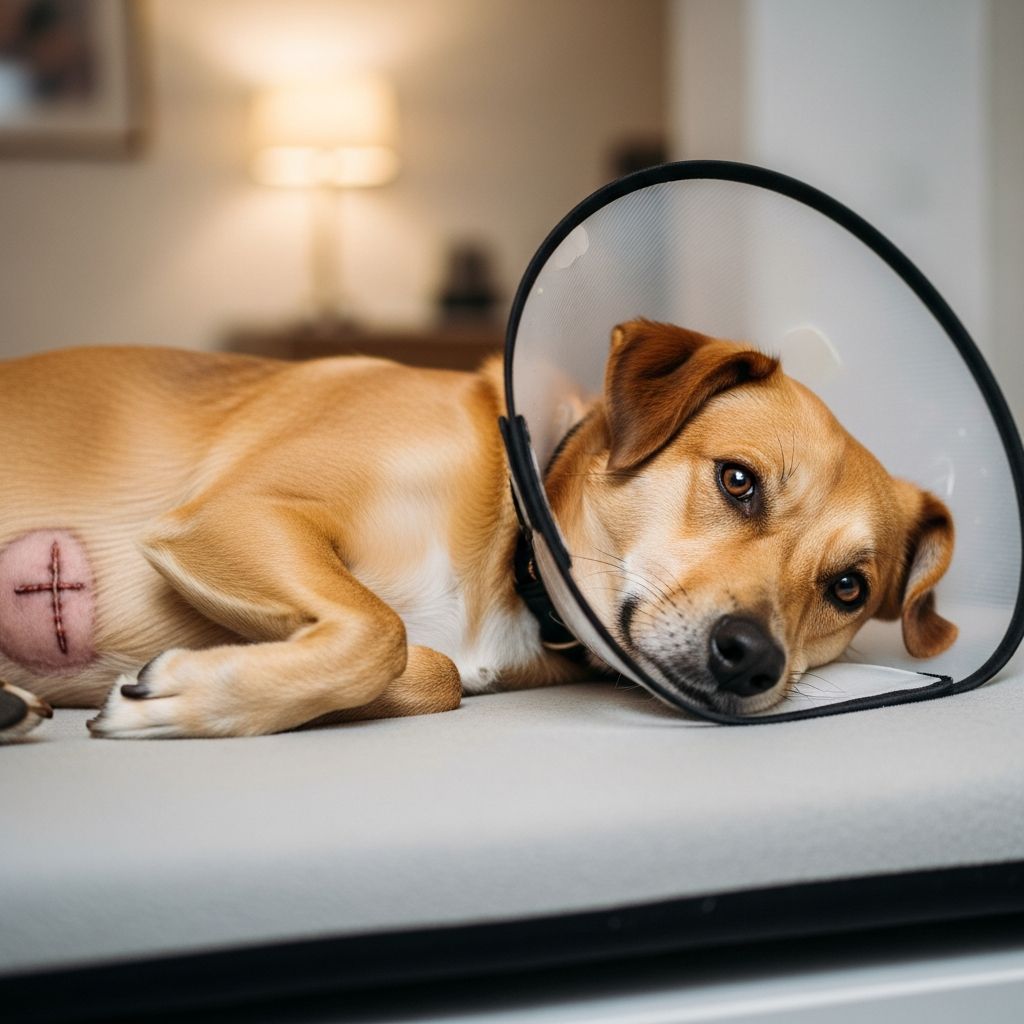
How Long Does It Take a Dog to Recover from Being Spayed?
Spaying is one of the most common surgical procedures performed on female dogs, and understanding the recovery process is crucial for pet owners. While the procedure itself is routine, the recovery period requires careful attention and patience. Most female dogs recover from spay surgery within 10 to 14 days, though complete internal healing can take up to six weeks. Knowing what to expect during each phase of recovery can help you provide the best care for your dog and recognize any potential complications early.
Understanding the Spay Surgery and Recovery Timeline
Spaying, or ovariohysterectomy, is a surgical procedure in which a veterinarian removes a dog’s ovaries and uterus. The surgery typically takes 30 to 60 minutes, depending on your dog’s age, size, and health status. After surgery, your dog will spend several hours at the veterinary clinic recovering from anesthesia before you can take her home. Understanding the typical recovery timeline helps pet owners prepare mentally and physically for the weeks ahead.
The recovery period is divided into distinct phases, each with specific care requirements and expectations. The most critical phase occurs during the first 48 to 72 hours after surgery, when your dog’s body is still processing the anesthesia and beginning the healing process. Even though your dog may appear to be recovering well after a few days, the incision site and internal sutures still require significant time to heal completely.
Immediately After Surgery: The First 24 Hours
Your dog will likely remain at the veterinary clinic for a few hours following surgery to be monitored as she recovers from anesthesia. During this time, veterinary staff will keep a close eye on her vital signs and ensure she’s comfortable and stable. Pain medication will be administered, and your veterinarian may provide you with a prescription for pain management at home.
What to Expect in the First 24 Hours
When you bring your dog home, she will likely be quite groggy and disoriented from the anesthesia. This drowsiness is completely normal and may last for several hours. Your dog may also shiver or shake as she comes out of anesthesia, and veterinarians typically provide blankets and heating pads for comfort during this period.
During the first 24 hours, your primary goals should be keeping your dog comfortable, limiting activity, and monitoring the incision site. Keep your dog in a quiet, confined area where she can rest without disturbance. Take her outside only on a leash for brief bathroom breaks, and watch carefully for any problems with urination, which could indicate complications.
You may notice some minor discharge or slight bleeding from the incision site during this time, which is normal. However, excessive bleeding or discharge should be reported to your veterinarian immediately. Some dogs may also have a reduced appetite in the first 24 hours, but this typically normalizes within a day or two.
Days 2-3: The Critical Recovery Phase
The first 48 to 72 hours after surgery are the most critical for recovery. During this phase, rest is essential, and activity must be kept to an absolute minimum. Your dog may still show signs of discomfort, mild nausea, or sleepiness, all of which are completely normal responses to surgery and anesthesia.
Important Care Guidelines for Days 2-3
Continue limiting your dog’s movement to short, necessary leash walks for bathroom breaks only. Do not allow her to run, jump, or play during this period, as excessive activity can disrupt the incision site and lead to complications. An e-collar or recovery suit should be used to prevent your dog from licking or biting at the incision, which could introduce infection or cause the incision to open.
Monitor your dog’s appetite and water intake closely. While some dogs may not be very interested in food immediately after surgery, she should gradually return to eating normally. If your dog refuses to eat for more than 24 hours or shows persistent vomiting, contact your veterinarian.
Keep your dog’s routine as calm and predictable as possible. Avoid exciting or stressful situations, loud noises, or interactions with other animals. This calm environment supports the healing process and helps prevent complications.
Days 4-10: Progressive Healing and Gradual Improvement
As your dog moves into the second week of recovery, you should begin to notice signs of improvement. Her appetite should return to normal, and she may show increased interest in her surroundings and more energy. These positive signs indicate that healing is progressing well, but it’s crucial not to allow her to overdo physical activity.
Recovery Milestones for Days 4-10
By day 4 or 5, your dog should be significantly more alert and engaged. You may notice her tail wagging more frequently and increased curiosity about household activities. However, even though your dog may seem like her usual self, her body is still healing internally, and the incision site remains vulnerable.
Continue restricting activity to short, gentle leash walks only. Avoid allowing your dog to jump on or off furniture, play with other pets, or engage in any rough play. These activities can cause the internal incision to open or bleed, resulting in serious complications that may require additional treatment.
Your dog’s sutures or staples may need to be removed around day 10 to 14, depending on your veterinarian’s recommendation and the type of closure method used. Your veterinarian will schedule a follow-up appointment to examine the incision and determine if removal is appropriate. Avoid bathing your dog during the first 14 days after surgery, as moisture can interfere with incision healing and put the area at risk for infection.
Weeks 2-4: Continued Healing and Gradual Activity Return
By the end of week 2, your dog’s external incision should be mostly healed, and the visible wound should look significantly better. However, internal healing continues for several more weeks. During weeks 3-4, your dog should be allowed to gradually return to more normal activities, but this transition should happen slowly and under veterinary guidance.
Continue checking the surgery site regularly to ensure no abnormalities develop over time. Watch for any unusual swelling, discharge, redness, or changes to the skin around the incision area. Your veterinarian will advise you on when it’s appropriate to resume normal exercise routines and activities. Complete internal healing can take up to six weeks, so patience during this extended recovery period is important.
Factors That Influence Dog Spay Recovery Time
While the general recovery timeline is approximately two weeks, individual dogs may recover at different rates. Several factors can influence how long your dog’s spay recovery takes and how smoothly the process progresses.
Age and Size Considerations
Younger dogs typically recover faster than senior dogs, whose bodies may need additional time to heal. Larger breed dogs may require slightly longer recovery periods compared to smaller breeds due to the larger surgical area and the time required for internal structures to heal. Additionally, dogs with underlying health conditions or those who are overweight may experience extended recovery times.
Surgical Method and Pre-Surgery Health
The surgical method used can affect recovery time. Traditional spay procedures involving a larger incision may have slightly different recovery timelines compared to laparoscopic spays, which use smaller incisions. Dogs with pre-existing health conditions should be monitored more carefully during recovery, and your veterinarian may recommend extended restriction periods.
Post-Operative Care Compliance
Following your veterinarian’s post-operative instructions closely is one of the most significant factors influencing recovery success. Dogs whose owners strictly adhere to activity restrictions and care guidelines typically recover more smoothly and with fewer complications than those who do not.
Normal Signs of Healing
Recognizing normal healing signs helps you distinguish between expected recovery symptoms and warning signs that require veterinary attention. A normal recovery includes several predictable indicators that your dog is healing properly.
Positive Recovery Indicators
– Steady return of appetite and interest in food within 24-48 hours
– Gradual increase in energy and alertness
– Normal bathroom habits returning by day 3-4
– Mild swelling or slight redness at the incision site that gradually improves
– Increased interest in surroundings and interaction with family members
– Improved mobility and willingness to walk normally
– Incision site becoming progressively cleaner and drier
Even if your dog looks and feels better, continue following recovery guidelines until your veterinarian confirms she’s fully healed. Skipping steps in the recovery process or allowing premature activity can cause setbacks and complications that extend the overall healing time.
Warning Signs That Require Veterinary Attention
While most dogs recover without complications, pet owners should remain vigilant for warning signs that indicate problems requiring immediate veterinary care. Recognizing these signs early can prevent minor issues from becoming serious complications.
Signs Indicating Possible Complications
– Persistent vomiting or diarrhea lasting more than a few hours
– Complete refusal to eat for more than 24 hours after the initial post-op period
– Significant swelling, bleeding, or discharge from the incision site
– Foul odor coming from the incision
– Lethargy or lack of energy beyond the first 48 hours
– Signs of pain including whining, shaking, or difficulty walking
– Excessive licking or chewing at the incision site despite the e-collar
– Difficulty urinating or defecating
– Fever or signs of infection
If you notice any of these warning signs, contact your veterinarian immediately. Timely professional intervention can prevent complications from becoming serious conditions requiring additional surgery or hospitalization.
Caring for Your Dog During Recovery
Proper post-operative care is essential for a smooth and successful recovery. Understanding specific care requirements helps you support your dog’s healing process effectively.
Activity Restriction Guidelines
Activity restriction is one of the most critical aspects of post-operative care. During the recovery period, your dog should avoid strenuous exercise, running, jumping, and rough play. Only short, gentle leash walks are recommended during the first two weeks. These brief walks allow your dog to eliminate and get minimal movement without risking incision complications.
Incision Site Management
Keep the incision dry and clean throughout the recovery period. Avoid baths for at least the first 14 days, or until your veterinarian confirms the incision is fully healed. Check the incision twice daily, looking for signs of infection, swelling, or discharge. Gently pat the area dry if it gets wet, and never apply any ointments or medications unless specifically directed by your veterinarian.
Pain Management and Comfort
Your veterinarian will provide pain medication to keep your dog comfortable during recovery. Administer pain medication according to the prescribed schedule, even if your dog appears to be feeling better. Proper pain management supports healing and allows your dog to rest comfortably. Provide a comfortable, quiet resting area with soft bedding and minimal disturbance.
Creating an Optimal Recovery Environment
The environment in which your dog recovers significantly influences her healing progress. Creating a calm, comfortable space supports better recovery outcomes.
Designate a quiet area of your home as your dog’s recovery space, away from other pets, children, and household activity. Keep this area temperature-controlled and comfortable. Provide fresh water at all times and place food and water bowls close to her resting area so she doesn’t need to travel far. Minimize stress and excitement by maintaining a calm household routine during the recovery period.
Long-Term Recovery Considerations
While most visible healing occurs within 14 days, internal healing continues for several weeks. Complete internal healing from spay surgery can take up to six weeks. During this extended period, continue following your veterinarian’s guidelines regarding activity restrictions and monitoring.
Even after the initial two-week recovery period, avoid allowing your dog to engage in intense exercise or activities that put strain on the abdominal area. Gradually increase activity levels only under your veterinarian’s guidance and approval. Most dogs can return to normal activity levels after four to six weeks, depending on individual healing progress and your veterinarian’s recommendations.
Frequently Asked Questions
Q: How long exactly does dog spay recovery take?
A: Most dogs recover from spay surgery within 10 to 14 days, though complete internal healing can take up to six weeks. The timeline varies based on individual factors including age, size, health status, and post-operative care compliance.
Q: Can my dog go for walks during recovery?
A: Yes, but only short, gentle leash walks for bathroom breaks. Walks should be brief and controlled, without running, jumping, or rough play. Gradually increasing walk duration can occur only after your veterinarian confirms healing is progressing well.
Q: When should sutures or staples be removed?
A: Sutures or staples are typically removed 10 to 14 days after surgery. Your veterinarian will determine the optimal timing based on your individual dog’s healing progress and will schedule a follow-up appointment for removal.
Q: What should I do if the incision starts bleeding?
A: Minor bleeding or oozing is sometimes normal in the immediate post-operative period. However, excessive bleeding or bleeding that continues beyond the first 24 hours requires immediate veterinary attention. Contact your veterinarian right away if you’re concerned about bleeding.
Q: Can my dog interact with other pets during recovery?
A: It’s best to limit interactions with other pets during the recovery period to prevent rough play or excitement that could disrupt the incision. Keep your dog separated from other animals when possible, and supervise any interactions closely.
Q: When can my dog resume normal bathing?
A: Avoid bathing your dog for at least the first 14 days after surgery, or until your veterinarian confirms the incision is completely healed. Water can interfere with incision healing and increase infection risk.
Q: Is my dog in pain after spay surgery?
A: Yes, post-operative pain is normal. Your veterinarian will provide pain medication to keep your dog comfortable. Administer pain medication according to the prescribed schedule to support healing and maintain comfort throughout recovery.
Q: What if my dog won’t eat after surgery?
A: Reduced appetite is normal immediately after surgery but should improve within 24-48 hours. Offer small amounts of food and water frequently. If your dog refuses to eat for more than 24 hours or shows persistent vomiting, contact your veterinarian.
Q: How do I prevent my dog from licking the incision?
A: Use an e-collar (cone) or recovery suit continuously during the first two weeks. These devices prevent your dog from accessing the incision site, which reduces infection risk and allows proper healing. Leave the e-collar on even during rest periods.
Q: When is it safe to resume normal exercise?
A: Your veterinarian will advise when it’s appropriate to resume normal exercise, typically after four to six weeks. Gradual activity increases should be guided by your veterinarian’s recommendations based on your individual dog’s healing progress.
References
- Spaying in Dogs — VCA Animal Hospitals. Accessed February 7, 2024. https://vcacanada.com/know-your-pet/spaying-in-dogs
- Spay/Neuter Post-Surgical Care and Recovery Instructions — Animal Humane Society. https://www.animalhumanesociety.org/resource/spayneuter-post-surgical-care-and-recovery-instructions
- Dog Spay Surgery: What It Is and What To Expect — PetMD. https://www.petmd.com/dog/procedure/dog-spay-surgery
- After Surgery Instructions — ASPCA Spay/Neuter Alliance. https://www.aspca.org/aspca-spay-neuter-alliance/after-surgery-instructions
- How Long for a Female Dog to Heal After Spaying — Aspen Animal Wellness. https://aspenanimalwellness.com/female-dog-spay-recovery-guide/
Similar Articles








Read full bio of Sneha Tete


