

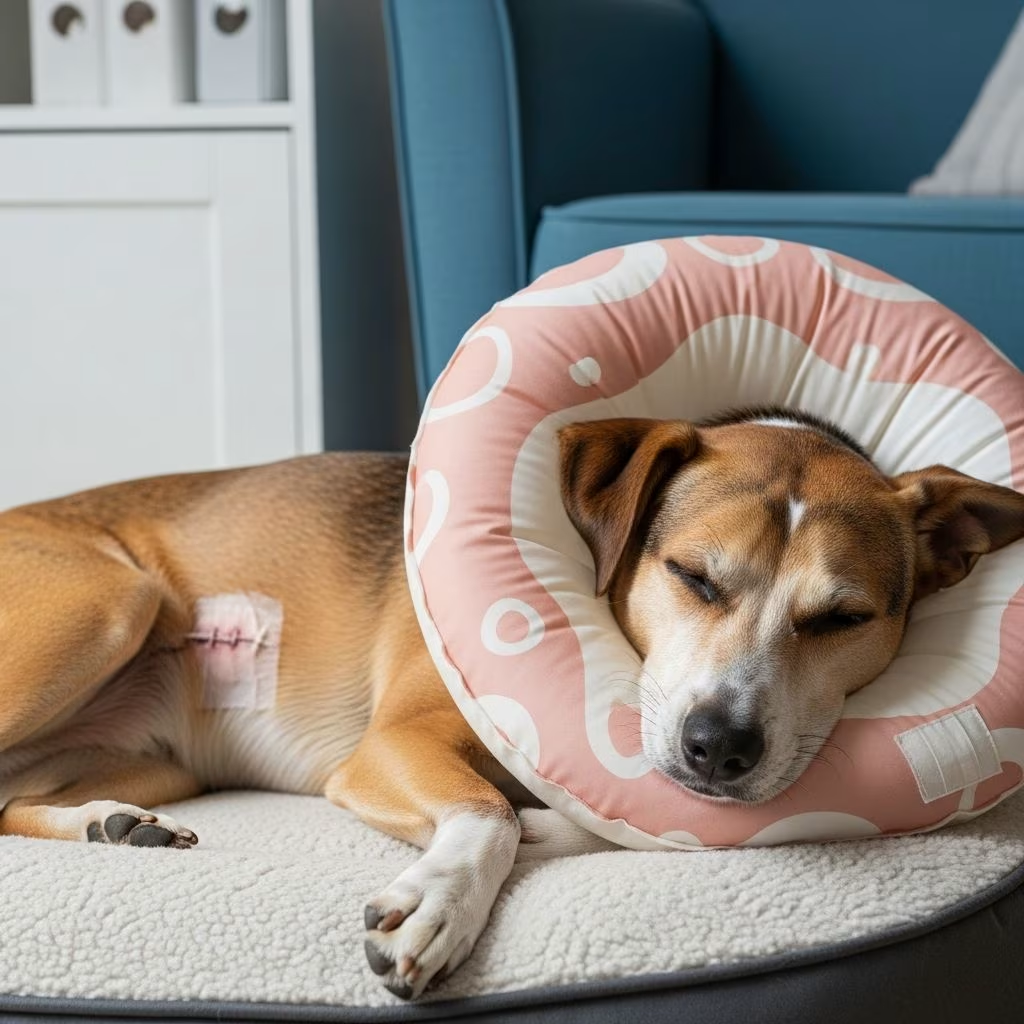
Spaying females or neutering males ranks among the most common surgeries for dogs, offering health benefits like preventing unwanted litters and reducing cancer risks. Proper post-operative management ensures these procedures lead to quick, uneventful healing, typically within 10-14 days.
Understanding the Procedures and Their Benefits
Spaying removes the ovaries and uterus from female dogs, eliminating heat cycles and risks of pyometra or mammary tumors. Neutering involves removing the testicles from males, curbing aggression and prostate issues. Both extend lifespan and curb overpopulation.
While surgeries are routine, recovery demands vigilance to avoid issues like infection or dehiscence from overactivity.
Immediate Post-Surgery: First 24-48 Hours
Your dog will emerge groggy from anesthesia, showing lethargy, reduced appetite, or mild nausea. Dysphoria—restlessness or whining—often mimics pain but resolves as drugs clear.
- Monitor for excessive vomiting, refusal to drink, or prolonged disorientation; contact your vet if these persist beyond a day.
- Provide a quiet, warm space with soft bedding and constant water access.
- Separate from other pets and children to prevent jostling.
Small, bland meals help if appetite lags. Pain meds prescribed by your vet ease discomfort.
Creating an Optimal Recovery Environment
A dedicated healing area minimizes stress and protects the site. Use crates or pens for confinement, especially for energetic dogs.
| Element | Recommendations |
|---|---|
| Space | Quiet room or crate; easy water/bed access |
| Separation | Away from kids/animals for 24+ hours |
| Bedding | Clean, soft; change if soiled |
| Monitoring | Visual checks without disturbance |
For puppies, extra oversight prevents rough play. Sedatives may aid hyper pets.
Daily Recovery Timeline
Healing progresses predictably; adhere to restrictions for best outcomes.
| Days Post-Op | Expected Symptoms | Care Actions |
|---|---|---|
| 1 | Groggy, low appetite, minor swelling | Rest, cone/e-collar, small meals |
| 2-3 | Energy returns, incision dries | Leash-only potty breaks, lick prevention |
| 4-7 | Sutures tighten, less redness | Daily checks 2x, strict confinement |
| 8-10 | Healing advances, possible scab | Vet recheck if needed, no play |
| 11-14 | Near full recovery | Gradual activity if vet approves |
Full return to normalcy awaits vet clearance, often at 14 days.
Incision Care and Protection Strategies
The surgical site demands daily inspection for redness, swelling, pus, or odor. Females show minimal discharge; males may have slight drainage initially.
- Prevent licking/chewing with e-collars, onesies, or vests—crucial as saliva causes infection.
- Clean gently with vet-approved solutions if soiled; no baths/swimming for 10-14 days.
- Bruising or bumps should fade; monitor size reduction.
Males’ scrotum swelling is normal and subsides gradually.
Activity Restrictions and Exercise Guidelines
Overexertion tops complication causes. Limit to short, leashed potty walks—no stairs, jumps, or play for 7-14 days.
- Cats/dogs: Indoor confinement; no chasing toys.
- Puppies: Closer watch due to boundless energy.
- Post-recovery: Gradual reintroduction to avoid reinjury.
Managing Pain, Medications, and Appetite
Vets provide analgesics; administer precisely. Never use human drugs—toxic to dogs.
Appetite rebounds by day 2-3; reduce portions long-term to combat weight gain risk post-alteration.
- Monitor intake/water; note prolonged refusal.
- Probiotics aid gut recovery if vomiting occurs.
Preventing Unwanted Interactions
Fertility lingers: Neutered males can impregnate for 30 days; spayed females attract males up to 7 days or through heat.
- Separate sexes rigorously.
- Scent changes may spark fights—keep pets apart initially.
Recognizing Complications and When to Seek Help
Act fast on red flags for timely intervention.
- Urgent: Excessive bleeding, gaping incision, foul discharge, pale gums, labored breathing.
- Call vet: Persistent swelling >3 days, vomiting/diarrhea >24h, no urination/defecation, deep lethargy.
- Normal: Mild redness/swelling resolving quickly.
Complications like infection affect few if care is diligent.
Long-Term Health Adjustments After Recovery
Altered dogs face higher obesity risk; cut calories 25-30%, boost exercise post-healing.
Regular vet checkups track weight and screen for issues like incontinence in spayed females.
Frequently Asked Questions
How long until my dog is fully recovered?
10-14 days for most, varying by age/breed; vet approval needed for normal activity.
Can my dog go outside during recovery?
Leashed bathroom breaks only—no running or off-leash time.
What if my dog removes the cone?
Alternatives like suits or recovery suits; constant supervision if possible.
Is weight gain inevitable post-surgery?
Not if diet/exercise adjusted; monitor closely.
When do sutures come out?
Many dissolve; external ones at 10-14 day recheck.
Final Tips for Success
Consistency and patience yield the smoothest recovery. Document changes daily and partner with your vet. Your proactive care safeguards your dog’s future health.
References
- Aftercare for Spayed/Neutered Dogs and Cats – The Post-Surgery Recovery Guide — Spay Neuter Vets. 2023. https://www.spayneutervets.com/blog/post-surgery-recovery-guide
- Dog Spay/Neuter Post-Op Care Tips | Smooth Recovery Guide — Bliss Animal Hospital. 2024. https://blissanimalhospital.com/blog/post-op-care-for-dogs-after-spay-or-neuter-surgery/
- Dog Spay Surgery — PetMD. 2025-01-15. https://www.petmd.com/dog/procedure/dog-spay-surgery
- After Surgery: How to Care for Your Pet — ASPCA. 2024. https://www.aspca.org/aspca-spay-neuter-alliance/after-surgery-instructions
- Spay Recovery Timeline for Dogs: Day-by-Day Guide — Dwight Vet. 2023. https://www.dwightvet.com/spay-recovery-timeline-for-dogs/



