

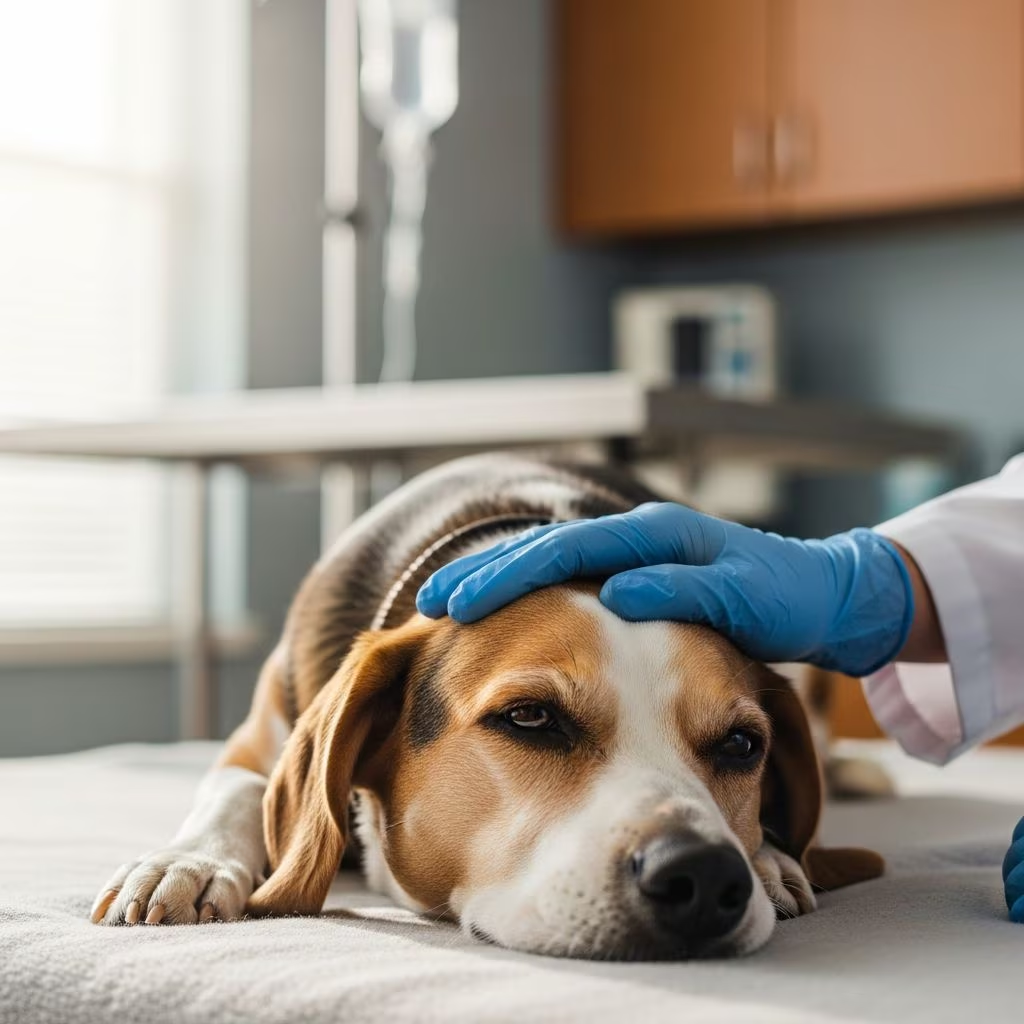
Understanding Spaying and Neutering for Dogs
Spaying and neutering are among the most common surgical procedures performed on dogs worldwide. These procedures involve the removal of reproductive organs—ovaries and uterus in females (spaying) and testicles in males (neutering). For decades, veterinarians and animal associations have promoted the benefits of these procedures to prevent unwanted litters and improve overall health. Every year, hundreds of thousands of unwanted dogs are euthanized in shelters, making spaying and neutering critical components of responsible pet ownership. However, modern research has revealed that the decision to spay or neuter is more nuanced than previously thought, with both significant benefits and potential risks depending on timing, breed, and individual health factors.
Primary Health Benefits of Spaying and Neutering
Prevention of Reproductive Cancers
One of the most compelling reasons to spay or neuter your dog involves cancer prevention. Spaying significantly reduces the risk of mammary (breast) cancer, which is fatal in approximately 50% of dogs. The earlier a female dog is spayed, the greater the protective benefit. Dogs spayed before their first heat cycle have only a 0.5% chance of developing mammary tumors, compared to 8% if spayed after the first heat and 26% if spayed after the second heat. Neutering male dogs eliminates the risk of testicular cancer and reduces the risk of prostate problems, including enlargement and infections.
Prevention of Serious Infections
Spaying eliminates the possibility of pyometra, a severe and potentially life-threatening uterine infection that commonly affects unspayed females. This condition requires emergency veterinary treatment and can result in sepsis or death if left untreated. Additionally, spaying removes the risk of cervical and ovarian infections, providing long-term protection against serious reproductive health complications.
Extended Lifespan
Studies demonstrate that spayed and neutered pets generally live longer lives compared to their intact counterparts. This increased longevity is partly attributed to decreased risk of certain cancers and infections, as well as reduced behavioral risks associated with breeding instincts that might lead to injury or disease exposure.
Behavioral Benefits of Spay and Neuter
Reduced Roaming and Escaping
Removing the testes from male dogs significantly reduces the breeding instinct, making them less inclined to roam and more content to stay at home. This behavioral change substantially decreases the risk of your dog getting lost, hit by a vehicle, or exposed to diseases through contact with unfamiliar animals.
Elimination of Heat Cycles
Spaying removes a female dog’s heat cycles, eliminating the accompanying behavioral changes and physical symptoms. During heat cycles, female dogs often experience increased vocalization, restlessness, and inappropriate elimination, sometimes urinating throughout the house in an attempt to advertise for mates. This behavioral control is particularly valuable for indoor dogs and helps reduce owner frustration.
Decreased Aggression and Marking
Neutering can help reduce unwanted behaviors such as urine marking, territorial aggression, and mounting behaviors. Early neutering is most effective in preventing these hormone-driven behaviors. Dogs neutered before sexual maturity tend to show the most significant behavioral improvements, though it’s important to note that neutering does not change a dog’s core personality, intelligence, or affection toward their owners.
Health Risks and Considerations
Increased Cancer Risks
Recent research has revealed that spaying and neutering can have some negative health impacts. Dogs sterilized before one year of age show a significantly increased risk of osteosarcoma (bone cancer), a serious condition with poor prognosis that is more common in medium and large breeds. Additionally, spayed and neutered dogs face increased risks of hemangiosarcoma (a cancer of blood vessels), lymphoma, and mast cell tumors in certain breeds.
Metabolic and Weight Management Issues
Neutering triples the risk of obesity in male dogs, while spaying increases the risk in females by a factor of 1.6 to 2. Obesity is a significant health concern in dogs, associated with diabetes, joint problems, heart disease, and shortened lifespan. The hormonal changes from spay/neuter procedures alter metabolism and appetite regulation, requiring careful dietary management and increased exercise.
Urinary and Orthopedic Issues
Spaying causes urinary incontinence in 4-20% of female dogs and increases the risk of urinary tract infections by a factor of 3-4. Additionally, both procedures increase the risk of orthopedic disorders, including hip dysplasia, elbow dysplasia, and cranial cruciate ligament tears, particularly when performed before growth plates have fully closed.
Other Health Complications
Neutering triples the risk of hypothyroidism and increases the risk of progressive geriatric cognitive impairment in older dogs. Spayed and neutered dogs also show a 27-30% higher likelihood of adverse reactions to vaccinations compared to intact dogs. Furthermore, both procedures increase the risk of urinary tract cancers and can lead to recessed vulva, vaginal dermatitis, and vaginitis in females spayed before puberty.
Timing Considerations: When to Spay or Neuter
The age at which you spay or neuter your dog is a critical factor in determining both benefits and risks. Recent research suggests that the traditional recommendation to spay or neuter dogs before puberty may not be optimal for all breeds and situations. Early sterilization (before one year of age) significantly increases the risk of osteosarcoma and orthopedic disorders because these procedures remove sex hormones that play crucial roles in bone growth plate closure and skeletal development.
Conversely, delaying spay/neuter procedures allows sex hormones to facilitate proper skeletal development and reduces cancer risks associated with early sterilization. However, waiting too long increases the risk of reproductive cancers and infections. Many veterinarians now recommend individualized approaches based on breed size, health history, and specific risk factors. Large and giant breed dogs may benefit from delayed spay/neuter to minimize orthopedic complications, while small breeds may have different optimal timing.
The Surgical Procedure: What to Expect
Pre-Operative Preparation
Before the procedure, your veterinarian will conduct a thorough physical examination and may recommend blood work to ensure your dog is healthy enough for anesthesia. You’ll typically be instructed to withhold food and water for 6-12 hours before surgery to prevent complications with anesthesia. Your veterinarian will discuss anesthesia options and may recommend specific protocols based on your dog’s age and health status.
The Surgery
Spaying involves making one or two small incisions in the abdomen to access and remove the ovaries and uterus. Neutering requires a small incision over the scrotum or in the midline of the abdomen to remove the testicles. Both procedures are performed under general anesthesia with appropriate pain management. The surgical time typically ranges from 20 to 60 minutes, depending on the procedure and individual factors.
Short-Term Risks
While complications are uncommon, common short-term risks include surgical site infection, mild bleeding or swelling, reactions to anesthesia, and suture complications, particularly if the dog licks the incision. The death rate due to complications from spay/neuter is low, at approximately 0.1%. Most complications are treatable, especially when the procedure is performed by an experienced veterinarian using appropriate surgical techniques and post-operative care.
Post-Operative Care and Recovery
Pain Management
Pain management is crucial during the recovery period. Your veterinarian will prescribe appropriate pain medication to keep your dog comfortable while healing. It’s important to follow dosing instructions carefully and monitor your dog for any signs of inadequate pain control.
Activity Restriction
Limiting your dog’s activity during the first two weeks after surgery is essential to prevent complications. Avoid running, jumping, and vigorous play. Keep your dog calm and confined to a small area when you cannot supervise. Restrict exercise to short, controlled walks on a leash until your veterinarian approves normal activity.
Incision Care
Keep the surgical incision clean and dry. Check it daily for signs of infection, including excessive redness, swelling, discharge, or odor. Prevent your dog from licking or chewing the incision by using an Elizabethan collar (cone) if necessary. Follow your veterinarian’s instructions regarding bathing and water exposure.
Follow-Up Appointments
Attend all scheduled follow-up appointments to ensure proper healing. Your veterinarian will examine the incision, remove sutures if needed, and address any concerns. Most dogs recover completely within 7-14 days, though full healing of internal tissues takes several weeks.
Common Myths and Misconceptions
Myth: Female Dogs Should Have One Litter Before Being Spayed
This is false. There is no medical benefit to allowing a dog to have a litter before spaying. In fact, early spaying provides the most protection against mammary tumors and eliminates the risks associated with pregnancy and childbirth.
Myth: Neutering Will Change Your Dog’s Personality
This is mostly false. Your dog’s core personality, intelligence, affection, and playfulness remain unchanged after neutering. What often changes are hormone-driven behaviors such as marking and roaming, not fundamental character traits.
Myth: Spay/Neuter Surgery Is Extremely Risky
While all surgery carries some risk, spay/neuter procedures are routine and safe when performed by experienced veterinarians. The death rate from complications is only about 0.1%, making these among the safest surgical procedures in veterinary medicine.
Breed-Specific Considerations
Different dog breeds may have varying optimal timing for spay/neuter procedures based on their growth patterns, size, and predisposition to certain health conditions. Large and giant breed dogs, which grow for a longer period and have higher risks of orthopedic diseases, may benefit from delayed spay/neuter to allow for proper skeletal development. Smaller breeds have different growth patterns and may have different optimal timing. Additionally, certain breeds show higher predisposition to specific cancers or health conditions, which should factor into spay/neuter decisions. Consulting with your veterinarian about breed-specific recommendations is essential for making the best decision for your individual dog.
Frequently Asked Questions
Q: At what age should I spay or neuter my dog?
A: While traditionally recommended before puberty, current research suggests individualized timing based on breed size, health factors, and risk assessment. Small breeds may benefit from earlier procedures, while large and giant breeds may benefit from delayed spay/neuter. Consult your veterinarian for breed-specific recommendations.
Q: Will my dog gain weight after spaying or neutering?
A: Weight gain is a common concern, as spay/neuter increases obesity risk by 1.6-3 times. However, careful diet management and regular exercise can minimize this risk. Your veterinarian may recommend dietary adjustments and increased activity levels post-procedure.
Q: How long is recovery after spay/neuter surgery?
A: Most dogs show visible recovery within 7-14 days, but complete internal healing takes several weeks. Follow your veterinarian’s activity restrictions during this period to prevent complications.
Q: What are the signs of surgical complications?
A: Watch for excessive redness, swelling, discharge, or odor at the incision site, fever, lethargy, loss of appetite, or signs of pain. Contact your veterinarian immediately if you notice any concerning symptoms.
Q: Can spay/neuter prevent all reproductive cancers?
A: While spay/neuter significantly reduces reproductive cancer risk, it cannot prevent all cancers. Timing, breed, and other factors influence cancer prevention effectiveness. Early spaying provides the best protection against mammary cancer.
Q: Is there an alternative to surgical spay/neuter?
A: Some alternatives exist, including hormone-altering medications and non-surgical sterilization methods, though these are less common and may have different risk-benefit profiles. Discuss options with your veterinarian.
References
- The benefits and risks of neutering pets — Understanding Animal Research. 2024. https://www.understandinganimalresearch.org.uk/news/neutering-and-cancer-the-good-the-bad-and-the-ugly
- Long-Term Health Risks and Benefits Associated with Spay/Neuter in Dogs — NAIA (National Association for Information About Alternatives). https://www.naiaonline.org
- Spay & Neuter Benefits — Mendocino County Animal Care Services. 2024. https://www.mendocinocounty.gov/government/animal-care-services/spay-neuter-benefits
- The Role of Spaying and Neutering in Preventing Health Issues — Alvin Animal Clinic. 2024. https://alvinanimalclinic.com/blog/the-role-of-spaying-and-neutering-in-preventing-health-issues
- When Should You Neuter or Spay Your Dog — UC Davis Health. 2024. https://www.ucdavis.edu/health/news/when-should-you-neuter-or-spay-your-dog
- Is Spaying or Neutering Safe for My Dog? Risks vs. Benefits Explained — Bliss Animal Hospital. 2024. https://blissanimalhospital.com/blog/is-spaying-or-neutering-safe-for-my-dog-risks-benefits-explained/
- Spay/Neuter Your Pet — ASPCA. 2024. https://www.aspca.org/pet-care/general-pet-care/spayneuter-your-pet



