

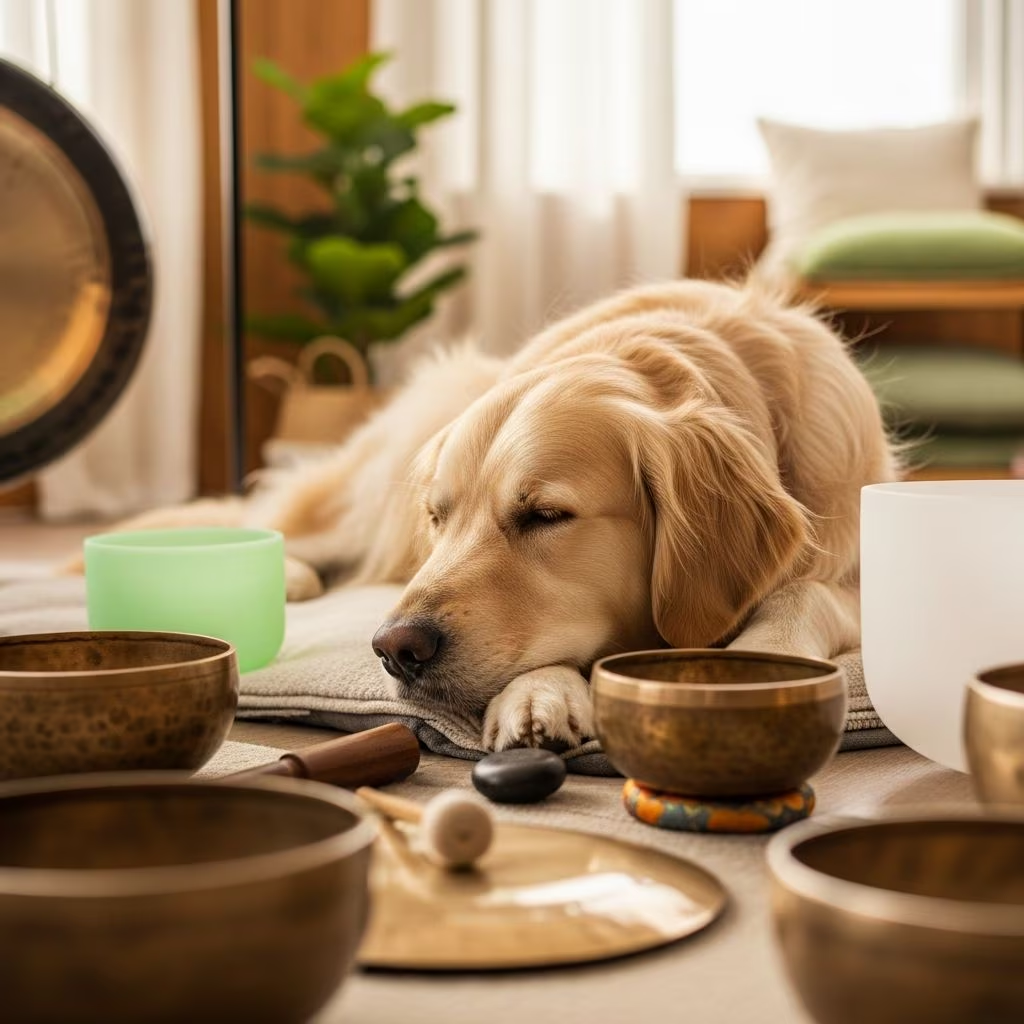
Dog Sound Baths: A Holistic Approach to Canine Wellness
In recent years, pet parents have discovered an unexpected tool for helping anxious and stressed dogs find peace: sound baths. What sounds like a luxury spa treatment for humans has evolved into a genuine therapeutic practice for our four-legged companions. Sound baths, also known as sound healing or sound meditation, involve the use of instruments that emit deep, low, reverberating tones to facilitate relaxation and emotional healing. This holistic approach has transformed the lives of countless dogs and their families, offering a gentle yet effective alternative to traditional stress management methods.
What Are Dog Sound Baths?
Sound baths are immersive therapeutic experiences where instruments such as gongs, singing bowls, tuning forks, and drums create frequencies designed to shift brainwave activity. During a sound bath session, these instruments emit vibrations that guide listeners—both human and canine—out of their fight-or-flight mode and into a more relaxed, meditative state. The concept is based on the principle that specific frequencies can influence brain activity and promote healing and relaxation.
A typical sound bath session for humans lasts 60 to 90 minutes and features a full lineup of instruments. However, when adapted for dogs, practitioners adjust the experience to avoid sound triggers that might stress rather than soothe. For example, most dogs respond negatively to rain sticks, so skilled sound healers customize their approach based on the individual dog’s temperament and sensitivities.
The Science Behind Sound Healing for Dogs
The theory underlying sound healing suggests that the unique frequencies of instruments like gongs, singing bowls, and tuning forks can guide both humans and animals into deeper states of relaxation. While comprehensive research on sound healing remains limited, preliminary studies have shown promising results. One study found that adults reported feeling significantly more relaxed after sound bath experiences, suggesting that the practice has measurable physiological and psychological effects.
Dogs are highly attuned to their environment and the energy of those around them. Their capacity to respond to subtle vibrations and frequencies makes them ideal candidates for sound therapy. When exposed to calming frequencies, dogs often display observable signs of relaxation: their ears fall, their bodies relax, and many curl up and fall asleep despite ambient distractions.
A Real-World Success Story: Zen’s Transformation
Letizia Silvestri’s experience with her rescue terrier, Zen, illustrates the transformative power of sound baths for dogs with behavioral challenges. When Silvestri adopted the then-6-month-old Zen, the shelter warned her that he had significant aggression issues. The dog was jumping, scratching, biting, and was completely out of control. He was so fearful that he would urinate on himself if anyone brought their hands near his face.
Desperate for a solution, Silvestri drew inspiration from practices that had helped her manage her own stress. She decided to try using a singing bowl—a fixture of sound healing practices—with Zen. The results were remarkable. Within minutes of playing the singing bowl, Zen began licking her, relaxing visibly, and eventually sleeping during the day. Through these early sessions, Silvestri and Zen began building the trust that had been absent before.
Inspired by the results, Silvestri took classes to understand the science behind what was happening in Zen’s nervous system. She learned how sound frequencies could help shift brainwave activity and calm an overactive nervous system. Today, Zen has become a different dog—still possessing the spirited energy characteristic of terriers, but fundamentally more relaxed and well-adjusted. Silvestri now facilitates sound healing sessions for other dogs, helping anxious pets find the same peace that transformed her beloved companion.
How Dog Sound Bath Sessions Work
When Silvestri facilitates sound healing sessions for dogs, she adapts the traditional format to suit their unique needs and sensitivities. In private sessions or small group environments, dogs typically respond with initial curiosity to the instruments—they may perk up at the whir of a bowl or the ding of a tuning fork. However, within minutes, their bodies begin to visibly relax.
Observable signs of relaxation during a dog sound bath include:
- Ears falling and body posture becoming loose and relaxed
- Eyes becoming heavy and eyelids drooping
- Curling up into a ball or comfortable resting position
- Falling asleep despite ambient sounds and distractions
- Snoring or deep, even breathing patterns
Pet parents report that after sound bath sessions, their dogs remain noticeably more relaxed and less on edge for hours or even days afterward. It’s as though the serene frequencies continue reverberating through the dog’s body and mind long after the session ends, creating a lasting sense of calm.
Holistic Ways to Help Your Dog Chill
While professional sound bath sessions offer the most potent vibrational experience, there are several accessible practices that pet parents can implement at home to promote relaxation and reduce anxiety in their dogs.
Sit in Meditation Together
One of the most accessible practices is meditation alongside your dog. While your dog may not maintain perfect stillness throughout your entire loving-kindness meditation, there is genuine value in sharing the same space while you meditate. Dogs are deeply connected to their human companions and tend to absorb the emotional energy of their surroundings. When you take time to find peace and quiet, you’re essentially giving your dog permission to do the same. This shared practice creates a mutual invitation toward calm.
Play Them a Singing Bowl
Learning to play a singing bowl doesn’t require years of training or musical expertise. The basics are straightforward and can be picked up relatively quickly. Numerous YouTube tutorials and online resources provide guidance on how to use a singing bowl effectively. Silvestri used a singing bowl as the first instrument to help Zen during the early pandemic period, and this simple practice became a cornerstone of his behavioral transformation. Even 5 to 10 minutes of singing bowl practice can have a measurable impact on your dog’s relaxation levels.
Turn On Healing Recordings
For those who cannot access live sound bath sessions or don’t have access to physical instruments, online sound bath recordings offer a practical alternative. While the vibrations from live sessions are unmatched, high-quality recordings can serve as an effective substitute when needed. Silvestri now plays Zen 5 to 10 minutes of recorded healing sounds every morning after they meditate together. This consistent practice has become integral to maintaining Zen’s calm demeanor throughout the day.
Incorporate Breathwork and Presence
Beyond sound-specific practices, breathwork and shared presence create powerful calming effects. Practicing slow, mindful breathing in your dog’s presence teaches them to associate peace with your presence. This practice, called co-regulation, allows dogs to synchronize their nervous system with yours, naturally shifting into calmer states. When you breathe deeply and deliberately around your dog, you’re communicating relaxation through your body language, breathing pattern, and energy.
The Deeper Connection: Sound Healing and Relationship
Sound baths and related holistic practices offer benefits that extend beyond simple stress relief. They strengthen the bond between dogs and their humans by creating shared moments of peace and presence. Pet parents who engage in sound healing experiences for their dogs often report unexpected personal benefits as well. Many return weeks later noting that their relationships with their dogs have become deeper and more bonded, with increased eye contact and decreased screen time distraction.
This reciprocal healing effect suggests that when we facilitate our dogs’ relaxation through sound and presence, we simultaneously facilitate our own. The act of helping our pets find peace becomes a meditation in itself, benefiting both parties involved.
Alternative Therapies Complementing Sound Baths
Sound baths work most effectively as part of a comprehensive holistic wellness approach. Complementary practices that enhance the benefits of sound healing include:
- Acupuncture: Traditional Chinese medicine practice that promotes healing and balance
- Reiki: Energy healing practice that facilitates emotional and physical relaxation
- Massage therapy: Hands-on practice that releases tension and promotes circulation
- Yoga and movement: Physical practices that reduce stress and increase body awareness
- Hypnosis: Guided practice that facilitates deep relaxation and behavioral change
Practitioners often combine these modalities within a single session or recommend them as complementary practices. The synergistic effect of multiple holistic approaches often produces more significant results than any single practice alone.
The Future of Sound Healing for Dogs
As practitioners like Silvestri continue to refine and expand sound healing practices, plans are underway to bring these services to broader populations. One ambitious initiative involves rolling out calming sound bath services in animal shelters to help anxious rescue dogs during their transition into new homes. By reducing stress and anxiety in shelter environments, sound baths could improve dogs’ overall well-being and increase their likelihood of successful adoptions.
Additionally, practitioners are developing group sound bath experiences that bring dogs and their humans together, facilitating healing on both sides of the leash. These expanded offerings represent a growing recognition of the power of sound and presence in promoting holistic wellness for our animal companions.
Frequently Asked Questions
Q: What is a sound bath for dogs?
A: A sound bath is a therapeutic experience where instruments like singing bowls, gongs, and tuning forks emit calming frequencies designed to shift your dog’s brainwave activity and promote relaxation and emotional healing.
Q: How long does a typical dog sound bath session last?
A: While human sound baths typically last 60 to 90 minutes, sessions for dogs are often adapted to suit their attention spans and sensitivities, usually lasting 30 to 60 minutes depending on the individual dog’s needs.
Q: Can I do sound baths for my dog at home?
A: Yes, you can learn to play a singing bowl or use online sound bath recordings at home. While live sessions with trained practitioners offer more potent vibrational experiences, home practices can be effective for ongoing relaxation and stress management.
Q: Are there dogs that shouldn’t have sound baths?
A: Most dogs benefit from sound baths, but practitioners customize sessions to avoid sound triggers that might stress individual dogs. For example, rain sticks are often avoided in canine sound baths. Consult with a sound healing practitioner about your dog’s specific sensitivities.
Q: How often should I do sound baths with my dog?
A: Frequency depends on your dog’s individual needs. Some dogs benefit from daily 5 to 10 minute sessions, while others may only need weekly professional sessions. Work with your dog to find the rhythm that works best.
Q: Can sound baths help with dog anxiety and aggression?
A: Yes, sound baths can be effective for dogs with anxiety and behavioral challenges. As demonstrated by Zen’s transformation, consistent sound healing combined with other training methods can significantly improve a dog’s emotional state and behavior.
Q: What instruments are used in dog sound baths?
A: Common instruments include singing bowls, gongs, tuning forks, and drums. Practitioners select instruments based on the frequencies they produce and the individual dog’s response to different sounds.
Q: Is there scientific evidence supporting sound baths for dogs?
A: While comprehensive research remains limited, preliminary studies show that sound healing promotes relaxation in both humans and animals. Practitioners continue to document observable behavioral changes in dogs undergoing sound bath therapy.
References
- Doggie Sound Baths Are Obviously a Thing in 2023 — Kinship. 2023. https://www.kinship.com/dog-health/dog-sound-baths
- Why You Should Do Breathwork With Your Dog—Really — Kinship. https://www.kinship.com/dog-behavior/breathwork-dogs
- Alternative Therapies Can Zen Out Your Pet, Too — Kinship. https://www.kinship.com/dog-health/alternative-pet-therapy
- I took my golden retriever for a doggy sound bath — The Independent. https://www.the-independent.com/voices/dog-sound-bath-canine-therapy-golden-retriever-b2705728.html



