

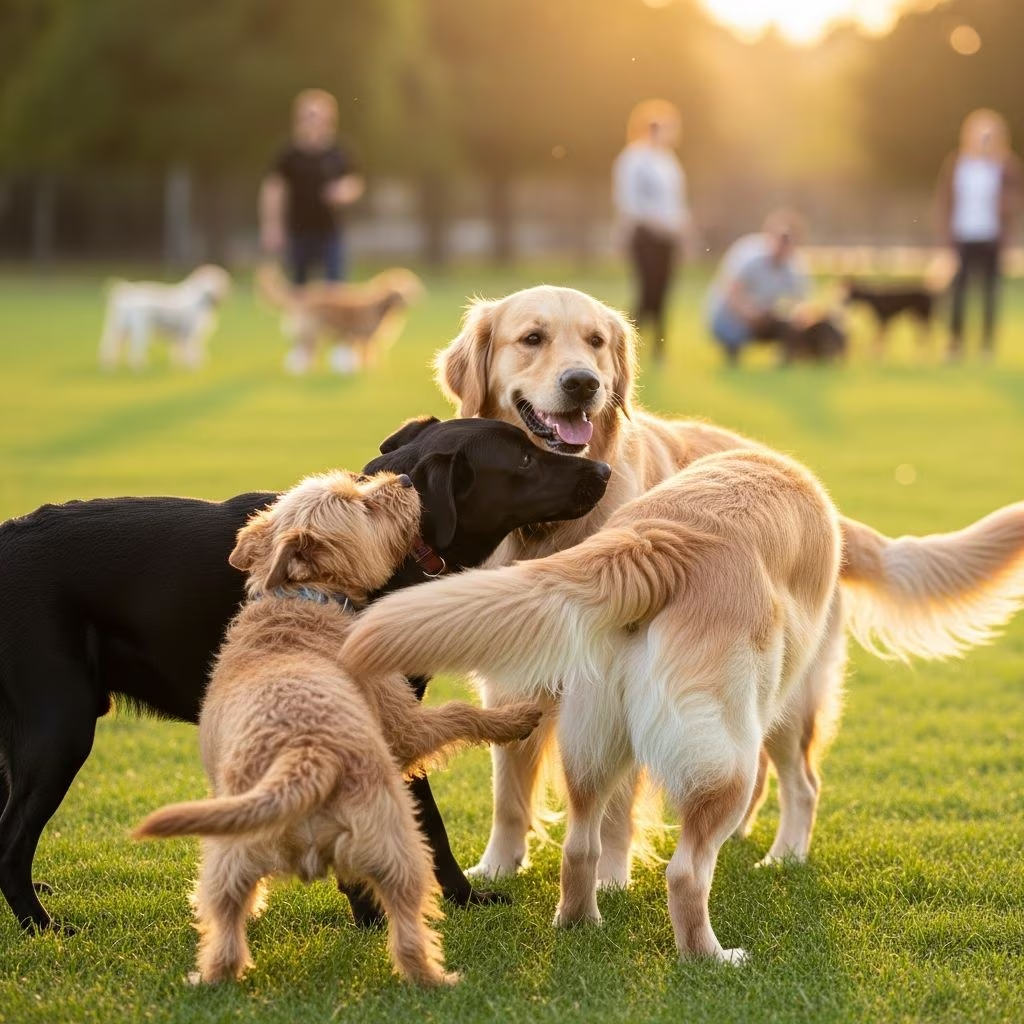
Research reveals that dogs with robust social networks—both human and canine—experience significant health improvements and potentially longer lifespans. A groundbreaking study from Arizona State University analyzed over 80 variables and found social support to be the top predictor of canine health, outranking even household income by a factor of five.
This isn’t just about playtime; socialization shapes a dog’s emotional resilience, physical vitality, and overall quality of life. Well-socialized dogs exhibit lower stress levels, stronger immune responses, and greater adaptability to new environments. For pet parents, understanding these benefits underscores the importance of intentional socialization from puppyhood through senior years.
Do dogs cheer up if they have friends?
Dogs, like humans, thrive on social connections. Isolation can lead to anxiety, depression-like behaviors, and weakened health, while friendships provide emotional uplift. Dr. Noah Snyder-Mackler, lead researcher on the ASU study, notes that “social connectedness—the quality and quantity of our friendships—is one of the components of our social environment that can have a strong impact on our health and well-being. And this link extends to many social animals,” including dogs.
Positive interactions trigger oxytocin release, the ‘bonding hormone,’ enhancing mood and motivation for further affiliation. A PNAS study demonstrated that oxytocin administration in dogs increased their desire to approach and interact with both conspecifics (other dogs) and humans, fostering stable social bonds beyond mere reproduction or kinship. Endogenous oxytocin rises during socio-positive exchanges, creating a positive feedback loop that reinforces friendships and combats loneliness.
For lonely dogs, buddies act as a natural antidepressant. Observations show social dogs display more tail wags, playful bows, and relaxed postures, indicators of joy and reduced cortisol (stress hormone) levels.
A dog with buddies is a healthy dog
Social support emerged as the dominant factor in canine health outcomes. In the ASU study, dogs with more companions—human adults or other dogs—scored highest on health metrics, including longevity proxies like vitality and disease resistance. Companionship’s impact was five times greater than socioeconomic factors, a finding co-author Brianah McCoy described as “surprising and encouraging”.
Dogs in multi-adult households fared best, particularly younger ones, suggesting adult human interactions provide calm, enriching stimulation without the chaos of children. The study noted a negative correlation between household children and dog health, possibly due to unpredictable energy levels disrupting rest.
Beyond the ASU data, broader research links socialization to tangible health gains:
- Stronger immunity: Social dogs show robust responses to vaccines and fewer infections, per veterinary records analyzed in social health studies.
- Cardiovascular benefits: Playful interactions promote exercise, lowering obesity risks and supporting heart health.
- Mental resilience: Exposed to diverse stimuli, social dogs handle stress better, reducing chronic inflammation.
- Longevity boost: Well-adjusted dogs often outlive isolates by years, mirroring human social longevity patterns.
Oxytocin-mediated bonding further amplifies these effects, as affiliative behaviors sustain proximity and mutual grooming, which regulate stress hormones.
How to socialize your dog
Effective socialization requires gradual, positive exposure from 3-16 weeks (critical puppy window), continuing lifelong. Follow these evidence-based steps:
- Start slow: Introduce new people, dogs, sounds, and surfaces one at a time. Reward calm behavior with treats and praise to build positive associations.
- Puppy classes: Enroll in AKC-approved programs where supervised play teaches bite inhibition and dog manners.
- Diverse experiences: Expose to urban noises, car rides, vets, and kids. Variety prevents fear responses.
- Daily walks: Routine routes foster ‘anchored relationships’ with neighborhood dogs and owners, enhancing community ties.
- Playdates: Match energy levels; supervise to prevent overstimulation.
- Senior socialization: Gentle interactions maintain cognitive health; avoid high-energy groups.
Avoid overwhelming puppies—short, frequent sessions yield better results than marathon exposures. Monitor body language: relaxed ears, soft eyes signal success; stiff posture means back off.
Socialization timeline: When to start and milestones
| Age | Focus Areas | Milestones |
|---|---|---|
| 3-12 weeks | Household sounds, gentle handling, 2-3 dog types | Relaxed in new settings, approaches strangers |
| 3-6 months | Public spaces, children, traffic | Plays appropriately, ignores distractions |
| 6-12 months | Group classes, grooming, vets | Confident greetings, short separations |
| 1+ years | Advanced agility, travel, multi-dog homes | Handles isolation, forms quick bonds |
| Senior (7+) | Calm walks, therapy visits | Maintains engagement, low stress |
This timeline, adapted from AKC guidelines, ensures comprehensive development. Delays past 16 weeks increase fear risks, but adults can improve with consistent effort.
Signs your dog needs more socialization
Watch for these red flags indicating insufficient exposure:
- Fear aggression: Barking, lunging at leashes or strangers.
- Shyness: Cowering, tail tucking in novel situations.
- Reactivity: Excessive arousal to joggers, bikes, or dogs.
- Lethargy: Withdrawal from play or family.
- Health dips: Frequent illnesses or digestive issues from stress.
Early intervention via professional trainers prevents escalation. Tools like desensitization protocols rebuild confidence.
Dog socialization benefits for humans too
Social dogs enrich owners’ lives. Walking routines spark neighbor chats and anchored relationships, boosting community sense per Japanese research. Dog owners report more incidental interactions and trust, fostering belonging.
Children gain empathy and social skills from dog bonds, per Tufts University. Adults experience oxytocin boosts, mirroring canine effects. Even mental health improves: dogs as social lubricants increase human openness and laughter.
FAQs
What is the #1 factor for dog health?
Social support from humans and dogs tops all predictors, surpassing income and demographics.
Can older dogs be socialized?
Yes, though slower, consistent positive exposures work. Focus on gentle, rewarding interactions.
Is puppy socialization a myth?
No—3-16 weeks is critical for neural wiring, reducing lifelong fears.
Do kids harm dog health?
Studies show negative associations due to unpredictability; adult households benefit dogs more.
How many friends does a dog need?
Quality over quantity: regular companions suffice for health gains.
References
- Dog Parents Have Better Relationships With Their Neighbors — Kinship. 2023. https://www.kinship.com/news/dogs-owners-more-connected-to-neighbors
- The Healthiest Thing You Can Do Is Get a Dog — Kinship. 2023. https://www.kinship.com/dog-lifestyle/health-benefits-of-having-a-dog
- Research Finds Dogs With More Buddies Live Longer — Kinship (ASU Study). 2023. https://www.kinship.com/dog-health/dog-socialization-benefits
- Why Having a Dog is Great for Your Social Life — AKC. 2023. https://www.akc.org/expert-advice/news/dog-actually-great-social-life-mental-health/
- Oxytocin promotes social bonding in dogs — PNAS. 2014-04-14. https://www.pnas.org/doi/10.1073/pnas.1322868111



