

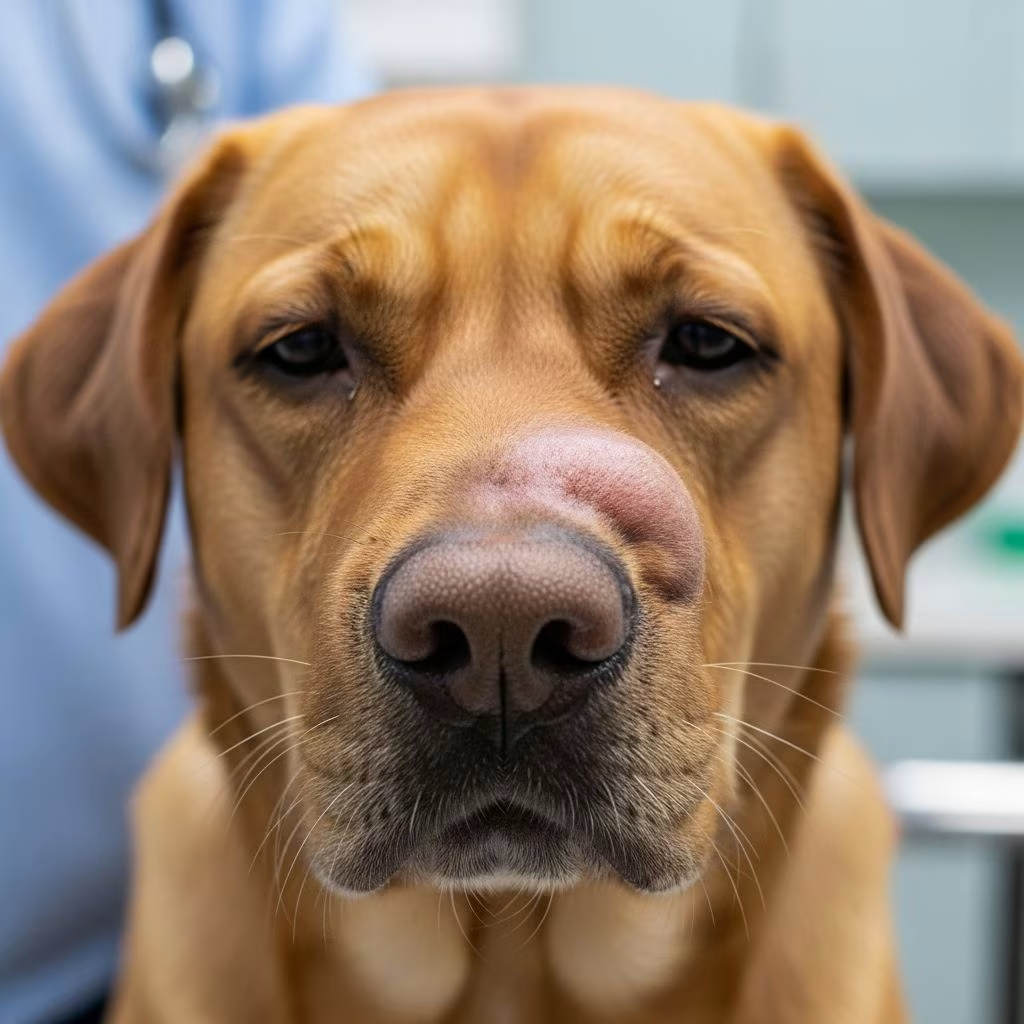
When a dog’s snout becomes swollen, it can be concerning for pet owners. The muzzle and nasal area are sensitive regions, and any visible enlargement warrants attention. Facial swelling in dogs occurs when fluid accumulates within the soft tissues, and understanding the underlying causes is essential for proper care and timely intervention.
Understanding Snout Swelling in Canines
The snout region includes the muzzle, nose, lips, and surrounding facial structures. When this area becomes inflamed or enlarged, it may indicate a variety of health conditions ranging from minor to serious. Swelling happens as the body’s response to inflammation, infection, or trauma, and the severity can range from barely noticeable puffiness to dramatic enlargement that affects the dog’s ability to eat or breathe.
The facial area is particularly prone to swelling because it contains numerous blood vessels and loose skin tissue. When inflammation occurs, fluid shifts from blood vessels into the surrounding tissues, creating visible swelling. Different causes produce different patterns of swelling—some affect only one side of the face, while others create generalized puffiness across the entire snout region.
Allergic Reactions as Primary Culprits
Allergic reactions represent the most common cause of snout and facial swelling in dogs. When a dog’s immune system encounters a substance it perceives as threatening, it triggers an inflammatory cascade that often manifests as facial puffiness. This type of swelling can develop rapidly, sometimes within minutes of exposure to an allergen.
Common Allergens Affecting Dogs
- Insect bites and stings, particularly from bees and wasps
- Environmental factors such as pollen, dust, and molds
- Certain medications or vaccine ingredients
- Specific food components or additives
- Contact with irritating substances or toxins
- Spider bites and snake bites
When exposed to an allergen, the dog’s body releases histamines and other inflammatory mediators. These chemicals cause blood vessels to become more permeable, allowing fluid to escape into surrounding tissues. Mild allergic reactions typically resolve with minimal intervention, while severe reactions constitute a veterinary emergency.
Signs of Allergic Swelling
Allergic reactions often produce accompanying symptoms beyond snout swelling. Pet owners may observe:
- Raised, bumpy skin areas called wheals or hives
- Itching and scratching at the affected area
- Sneezing and nasal discharge
- Red, watery eyes
- Excessive drooling
In severe allergic reactions, dogs may experience difficulty breathing, coughing, weakness, or even seizures. These life-threatening symptoms require immediate emergency veterinary attention.
Dental Disease and Tooth-Related Swelling
Dental problems rank among the most common causes of snout and facial swelling in dogs. The connection between oral health and facial swelling occurs because tooth infections can spread to surrounding bone and soft tissue structures.
How Dental Infections Develop
Tooth abscesses form when bacteria invade the inner portions of a tooth, either through fractures, decay, or periodontal disease. Once infection establishes itself, a pus-filled pocket develops around the tooth root. This localized infection can cause firm, painful swelling in the quadrant of the face where the infected tooth is located.
A dog with an upper tooth infection typically shows swelling on the corresponding side of the face, while lower tooth infections cause jaw swelling. The infection may even create a draining tract—an opening through which pus can escape. These draining tracts commonly appear under the eye or beneath the lower jaw.
Periodontal Disease Complications
Gum disease and periodontal disease can progress silently in dogs, causing significant damage before swelling becomes visible. Gingivitis and advanced periodontal disease damage the structures supporting the teeth, leading to bacterial overgrowth and potential abscess formation.
Dogs with dental problems may show additional signs including:
- Difficulty opening the mouth or chewing
- Bad breath or oral odor
- Pawing at the mouth or face
- Reluctance to eat hard foods
- Excessive drooling
Infections and Abscess Formation
Beyond dental origins, various types of infections can cause snout swelling through abscess formation. An abscess develops when bacteria accumulate in a localized area, triggering the body’s inflammatory response.
Non-Dental Infection Sources
Facial abscesses may develop from puncture wounds, bites from other animals, or foreign objects embedded in the skin. When bacteria enter the tissue through such wounds, they multiply and cause localized infection. The body attempts to wall off the infection, creating a pocket of pus that produces visible swelling.
Symptoms of infection-related swelling include:
- Localized warmth in the swollen area
- Pain or tenderness when touched
- Fever and lethargy
- Redness surrounding the swelling
Bacterial and fungal infections require prompt veterinary treatment. A veterinarian may need to drain the abscess and prescribe antibiotics to eliminate the infection.
Trauma and Physical Injury
Physical trauma to the snout region can cause rapid swelling as the body responds to tissue damage. Dogs’ curious and energetic nature sometimes leads to injuries affecting the facial area.
Common Traumatic Causes
Facial trauma may result from:
- Impacts from falls or collisions
- Fights with other animals
- Blunt force injuries from accidents
- Burns or chemical exposure
When trauma occurs, blood vessels rupture, allowing fluid and blood to accumulate in surrounding tissues. The snout region has abundant blood supply, so traumatic injuries often produce significant swelling. Most traumatic swelling peaks within a few hours and gradually improves over several days, though severe trauma may cause lasting complications.
Salivary Gland Disorders
Occasionally, snout swelling originates from the salivary glands rather than infection or trauma. Sialocele, a condition involving swelling of salivary glands, creates noticeable enlargement in the jaw and neck region. This condition occurs most frequently in German Shepherds and miniature Poodles, typically affecting dogs between 2 and 4 years of age.
When a salivary gland malfunctions, saliva accumulates rather than draining properly into the mouth. This creates a fluid-filled swelling that may feel squishy compared to the firm swelling of an abscess. Veterinary diagnosis involves aspirating the swelling with a needle to confirm the presence of stringy saliva. Treatment typically requires surgical removal of the affected salivary gland.
Tumors and Abnormal Growths
While less common than other causes, tumors can produce snout swelling in dogs. Both benign and malignant growths can alter the shape and size of facial structures. Mast cell tumors represent a frequent type of skin cancer affecting dogs, and oral cancers can cause noticeable facial enlargement.
Tumors typically develop gradually, with swelling that increases over weeks or months rather than appearing suddenly. The location and type of tumor determine the pattern of swelling. Some growths remain localized to one side of the snout, while others affect broader facial areas. Veterinary examination and possibly biopsy are necessary to diagnose tumors and determine appropriate treatment.
Systemic and Metabolic Causes
Generalized facial swelling, sometimes called angioedema, can indicate systemic health issues rather than localized problems. Severe protein deficiency can cause facial swelling when blood protein levels drop significantly. This occurs in cases of severe parasite infestations, kidney disease, liver disease, intestinal disease, or severe skin conditions causing massive protein loss.
In angioedema cases, the swelling affects the entire face, with particularly dramatic puffiness around the eyes and lips. Dogs often don’t appear uncomfortable with this type of swelling, which distinguishes it from painful conditions like abscesses or trauma.
When to Seek Immediate Veterinary Care
Some situations involving snout swelling require emergency veterinary attention. Pet owners should seek immediate care when:
- The dog experiences difficulty breathing or wheezing
- Swelling appears rapidly and worsens quickly
- The dog shows weakness, pale gums, or collapse
- The swelling affects the airway or mouth opening
- Fever, lethargy, or loss of appetite accompanies the swelling
- The dog experiences seizures or loss of consciousness
These symptoms suggest severe allergic reactions, serious infections, or other emergencies requiring professional intervention.
Diagnostic Approaches for Snout Swelling
Veterinarians employ various diagnostic methods to identify the cause of snout swelling. The diagnostic approach typically begins with a thorough physical examination and medical history. The veterinarian will assess:
- Whether swelling affects one side or both sides of the snout
- The consistency of swelling (firm versus soft and fluid-filled)
- Presence of discharge, draining tracts, or skin changes
- Overall body temperature and general health status
- Recent exposures or injuries the owner has observed
Depending on findings, additional diagnostics may include oral examination (to evaluate teeth and gums), radiographs (to assess bone and dental structures), bacterial culture (to identify specific infections), or aspiration (to evaluate fluid or tissue composition).
Treatment Considerations by Cause
Treatment varies significantly depending on the underlying cause:
| Cause | Primary Treatment | Additional Care |
|---|---|---|
| Allergic Reaction | Antihistamines, steroids for severe cases | Identify and avoid allergen; monitor for worsening |
| Dental Abscess | Tooth extraction or root canal; antibiotics | Prevent future dental disease through oral care |
| Bacterial Infection | Abscess drainage; antibiotic therapy | Pain management; wound care during healing |
| Trauma | Pain relief; ice application initially | Monitoring for infection; supportive care |
| Sialocele | Surgical removal of affected salivary gland | Post-operative care and monitoring |
| Tumor | Surgical removal or oncologic treatment | Staging and follow-up care as needed |
Home Care and Management Strategies
While professional veterinary care is often necessary, supportive care at home can help manage discomfort. For mild allergic swelling, pet owners might apply cool compresses to reduce inflammation. Soft foods ease eating difficulties caused by snout swelling, while maintaining adequate hydration supports the healing process.
Pain management becomes important when infection or trauma is involved. Veterinarians typically prescribe pain relievers to ensure the dog remains comfortable during treatment. Preventing secondary infection through proper wound care and preventing the dog from licking or chewing at swollen areas also aids recovery.
Prevention Strategies
While not all causes of snout swelling are preventable, several measures reduce risk:
- Dental care: Regular tooth brushing and professional cleanings prevent dental disease
- Insect protection: Minimize exposure to stinging insects and maintain yard safety
- Allergen avoidance: Identify known allergens and limit exposure when possible
- Vaccination: Keep vaccinations current as directed by a veterinarian
- Parasite control: Regular parasite prevention reduces infection risk
- Supervision: Monitor outdoor activities to reduce injury and fight risk
Frequently Asked Questions
How quickly does snout swelling develop?
Allergic reactions and trauma-related swelling can appear within minutes to hours. Infection-related swelling typically develops over hours to days as the infection progresses. Tumors generally enlarge gradually over weeks or months.
Can snout swelling resolve on its own?
Mild allergic swelling may improve without treatment, though veterinary evaluation is recommended. Infection-related swelling generally requires professional treatment. Trauma-related swelling typically improves naturally but may need pain management.
Is snout swelling always painful?
Not always. Allergic swelling (angioedema) may cause no discomfort, while infection and trauma typically cause pain. The dog’s behavior provides clues—painful conditions cause reluctance to eat and pawing at the face.
How can I tell if the swelling is serious?
Breathing difficulties, rapid worsening, fever, or lethargy indicate serious conditions requiring immediate care. Localized swelling without systemic symptoms may be less urgent but still warrants veterinary evaluation.
What should I do if my dog’s snout suddenly swells?
Contact a veterinarian promptly. If breathing is affected, difficulty eating is severe, or the dog appears ill, seek emergency care immediately. Avoid giving food or water if airway involvement is suspected.
References
- Why Does My Dog Have a Swollen Face? — PetMD. Accessed February 2026. https://www.petmd.com/dog/symptoms/why-does-my-dog-have-swollen-face
- What to Do if Your Dog’s Face is Swollen — Monroe Veterinary Clinic. June 15, 2024. https://www.monroeveterinaryclinic.com/site/blog/2024/06/15/dogs-face-swollen
- Facial Swelling in Dogs: Symptoms & Treatment — Michigan Animal Hospital. July 24, 2024. https://www.michigananimalhospital.com/site/blog/2024/07/24/facial-swelling-dogs
- Why Is My Dog’s Face Swollen on One Side? — Little Silver Animal Hospital. Accessed February 2026. https://littlesilveranimalhospital.com/blog/why-is-my-dogs-face-swollen-on-one-side/
- Facial Swelling in Dogs: What to Know — Animal Dental Care. Accessed February 2026. https://www.wellpets.com/blog/171-dog-swollen-mouth-causes/
- Facial Swelling in Dogs — Western Veterinary Hospital. March 31, 2024. https://www.westernveterinaryhospitalpllc.com/site/blog/2024/03/31/facial-swelling-dogs
- Dog’s Swollen Face: Emergency Allergy Signs & Immediate Steps — Golden State Veterinary School. Accessed February 2026. https://gsvs.org/blog/dog-swollen-face-emergency-anaphylaxis/



