

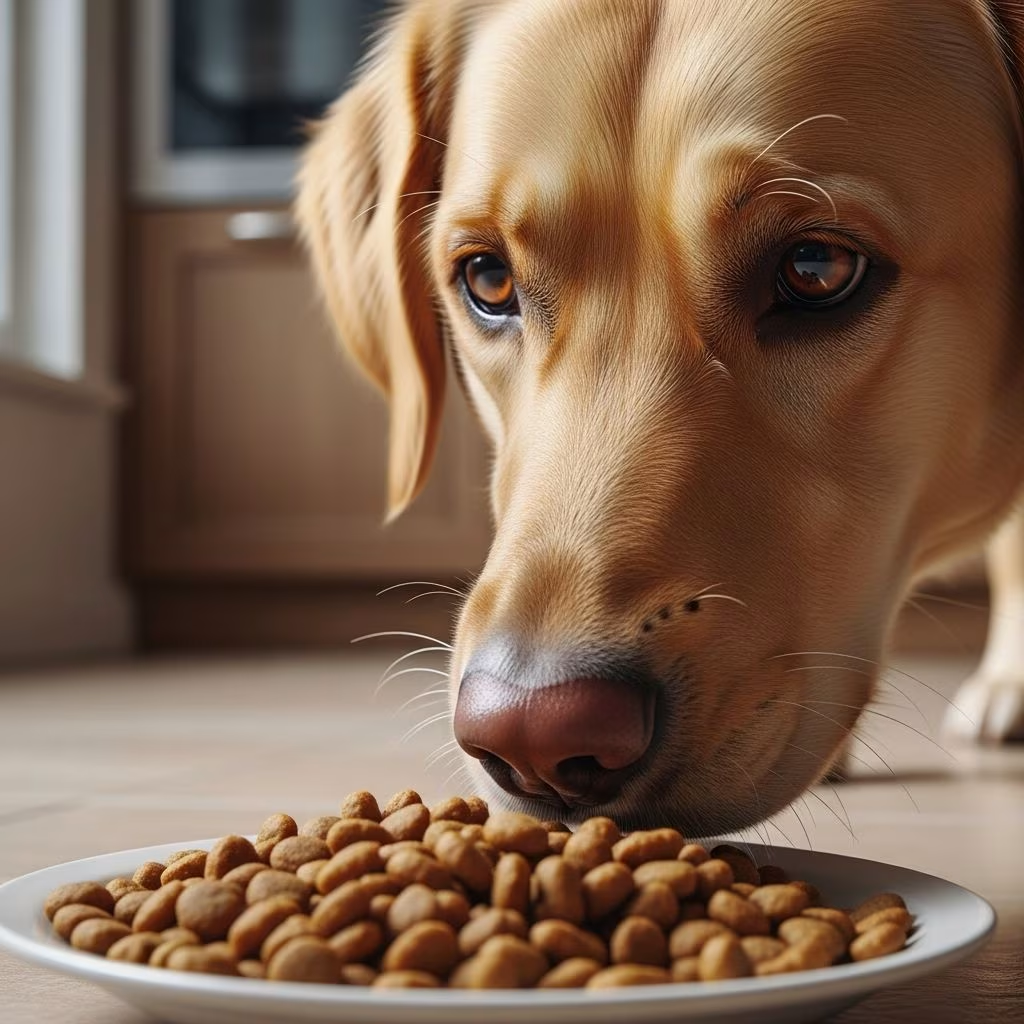
When your dog approaches their food bowl, sniffs the contents, and walks away without eating, it can be puzzling and concerning. This behavior disrupts your routine and raises questions about your pet’s wellbeing. Dogs typically exhibit enthusiasm around mealtime, so a sudden change in eating habits deserves investigation. Understanding the underlying causes—whether behavioral, environmental, or medical—enables you to address the issue effectively and restore your dog’s normal appetite patterns.
Behavioral and Preference-Related Factors
Dogs, much like humans, develop distinct food preferences and can exhibit selective eating habits. A dog’s reluctance to eat isn’t always indicative of illness; sometimes it reflects learned behaviors or personality traits that influence their dining choices.
Selective Eating Patterns
Some dogs are naturally fastidious eaters who have developed strong preferences for particular food types, textures, and presentations. A dog accustomed to wet food may find dry kibble unappealing, or vice versa. Similarly, flavor variations can influence consumption—a dog may prefer poultry-based formulas over beef varieties. Even subtle manufacturing changes in the same brand can trigger a dog’s rejection response, as their sensitive palates detect differences imperceptible to humans.
If your dog has consistently demonstrated selective eating habits throughout their life and maintains good overall health, appropriate weight, and a healthy coat, this behavior rarely warrants serious concern. However, when a previously enthusiastic eater suddenly becomes disinterested, investigating potential causes becomes important.
The “Waiting for Better” Strategy
Intelligent dogs often learn that refusing their meal may prompt their owners to offer more desirable alternatives. This learned behavior develops when owners inadvertently reward food rejection by providing table scraps or premium treats in response to the dog’s refusal. Dogs quickly recognize this pattern and may hold out indefinitely, waiting for the “good stuff” rather than accepting their regular meals.
Consistency becomes crucial in managing this behavior. Owners should establish a firm policy: offer the meal, wait a reasonable time, then remove the bowl without substituting alternatives. Over multiple repetitions, dogs learn that refusing food doesn’t result in better options.
Multi-Pet Food Guarding
In households with multiple pets, a dog may sniff their food repeatedly to assess safety before eating. Resource guarding—a protective instinct over valued items like food—can cause dogs to delay consumption until they’re confident no other pet will steal their meal. Some dogs prefer eating during quiet times, minimizing the risk of competition. This behavior reflects natural canine instincts rather than illness.
Addressing resource guarding involves creating separate feeding spaces, establishing predictable routines, and potentially consulting with a professional trainer. Feeding dogs in quiet, isolated areas reduces anxiety and often resolves hesitation around mealtime.
Environmental Influences on Appetite
A dog’s willingness to eat depends significantly on their surrounding environment. Physical setting, atmospheric conditions, and sensory input all influence eating behavior in meaningful ways.
Sensory Overload from Odors
Dogs possess olfactory capabilities vastly superior to humans, detecting scents at concentrations imperceptible to people. Cleaning products, air fresheners, lingering human food aromas, or other strong odors near the food bowl can overwhelm a dog’s sensitive nose, causing food aversion. What seems like a pleasant fragrance to an owner might assault a dog’s heightened senses, making the dining area uncomfortable.
Evaluating the feeding location for nearby odor sources is worthwhile. Moving the bowl away from areas where cleaning supplies are stored, reducing air freshener usage, or choosing unscented cleaning products can eliminate this interference.
Distraction and Noise Sensitivity
Dogs generally prefer eating in peaceful, undisturbed environments. High-traffic areas, loud household noises, active play, or unfamiliar sounds can distract dogs from their meals. A dog’s attention may be drawn to external stimuli—sounds from other dogs, activity outside, or household commotion—rather than their bowl. Even relocation to a new home, introduction of new pets, or significant changes in the household environment can disrupt eating confidence.
Establishing a consistent, quiet feeding location allows dogs to eat without distraction. Creating a calm mealtime routine—perhaps in a less trafficked room or during quieter periods—often resolves environmentally-driven food refusal.
Bowl Placement and Consistency
Dogs appreciate predictability in their environment. Relocating the food bowl, placing it near objects the dog dislikes, or introducing unusual bowl types can trigger hesitation. Dogs often establish mental associations between specific locations and eating, so consistency reinforces comfort and confidence during meals.
Maintaining the bowl’s location, using the same dish, and establishing regular feeding times creates environmental predictability that supports healthy eating habits.
Medical Conditions and Health Concerns
When environmental and behavioral factors have been ruled out, underlying medical conditions require serious consideration. Several health issues manifest as reduced appetite or food refusal.
Oral and Dental Disease
Dental problems represent one of the most common medical causes of appetite loss in dogs. Tooth decay, gum disease, loose teeth, or oral infections create discomfort during chewing, discouraging normal eating. A dog may sniff food, recognize their meal, but withdraw when anticipating pain associated with eating. Conditions below the gum line—such as tooth root abscesses—aren’t visible to owners but cause significant discomfort.
Additional signs of dental disease include bad breath, drooling, inability to consume hard food, facial swelling, or bleeding from the mouth. Regular veterinary dental examinations help identify and address these issues before they significantly impact nutrition.
Gastrointestinal Disturbances
Stomach upset, inflammation, or intestinal issues suppress appetite just as they do in humans. Viral infections, bacterial overgrowth, inflammatory bowel disease, stomach ulcers, or constipation all contribute to reduced food interest. Dogs experiencing digestive discomfort often sniff their food as normal but lack the motivation to consume it. Scavenging behavior—eating non-food items on walks—commonly triggers gastrointestinal upset.
Sudden dietary changes also precipitate digestive upset. Gradual transitions between food types, spanning 7-10 days, minimize digestive disruption when changing brands or formulations.
Structural and Orthopedic Pain
Older dogs or those with joint conditions may experience discomfort when lowering their head to ground-level bowls. Arthritis, hip dysplasia, or other musculoskeletal issues make the physical act of eating difficult rather than unappetizing. These dogs don’t refuse food due to preference but avoid the pain associated with bending.
Elevated food bowls that reduce the distance dogs must lower their head often resolve this type of food refusal. Consulting a veterinarian about pain management and appropriate bowl height adjustments supports comfort and nutritional intake.
Systemic Illness and Organ Dysfunction
Serious health conditions—kidney failure, liver disease, pancreatitis, diabetes complications, or heart disease—frequently manifest as appetite loss. Infections, viral illnesses, and generalized malaise produce similar effects. Dogs experiencing these systemic issues feel generally unwell, much as humans do, and lose interest in food despite nutritional need.
Accompanying symptoms like weight loss, vomiting, lethargy, increased thirst, or respiratory changes warrant immediate veterinary evaluation. These signs suggest medical intervention is necessary.
Medication Side Effects
Prescription and over-the-counter medications can suppress appetite as a side effect. If food refusal coincides with starting new medications, discussing this with your veterinarian may reveal alternatives or timing adjustments that minimize appetite suppression.
Stress-Related Appetite Loss
Anxiety and stress fundamentally alter appetite regulation. When dogs experience separation anxiety or fear, their nervous system enters a heightened state that inhibits hunger signals and slows digestion. A stressed dog’s brain prioritizes threat response over feeding, regardless of food quality or palatability. Dogs reunited with their owners often demonstrate normalized appetite, confirming stress as the causative factor.
Anxious dogs require reassurance, consistent routines, and potentially behavioral modification training to restore confidence and normal eating patterns. Anxiety medications prescribed by veterinarians sometimes support the transition to healthier emotional states.
Practical Solutions and Management Strategies
| Issue Category | Recommended Actions |
|---|---|
| Selective Eating | Try different food brands, textures, or flavors; slightly warm food to enhance aroma; use different bowl styles |
| Learned Behavior | Avoid offering treats or table scraps when food is refused; maintain consistent mealtime routines; remove uneaten food after 15-20 minutes |
| Environmental Factors | Maintain consistent bowl location; minimize nearby odors; establish quiet feeding times; reduce household disturbances during meals |
| Dental Issues | Schedule veterinary dental examination; consider softer food options; address pain management |
| Stress and Anxiety | Provide reassurance and security; maintain predictable routines; consult with veterinary behaviorist; consider anxiety management options |
| Orthopedic Pain | Use elevated food bowls; manage underlying pain conditions; provide comfortable feeding environment |
When to Seek Veterinary Care
Determining whether food refusal requires professional evaluation depends on duration, severity, and accompanying symptoms. A dog who skips one meal occasionally but maintains normal behavior and appetite patterns typically requires no intervention. However, prolonged food refusal demands veterinary assessment.
Consult a veterinarian if your dog refuses food for more than 24 hours, particularly if this represents a departure from normal eating habits. Additionally, seek immediate professional evaluation if food refusal accompanies:
- Vomiting or diarrhea
- Lethargy or unusual inactivity
- Weight loss
- Excessive drooling or oral swelling
- Difficulty swallowing
- Coughing or respiratory difficulty
- Behavioral changes or aggression
- Increased thirst and urination
These symptoms suggest medical conditions requiring prompt diagnosis and treatment. Early intervention often prevents complications and supports faster recovery.
Frequently Asked Questions
What’s the difference between a picky eater and a dog with a medical problem?
Picky eaters typically maintain stable weight, demonstrate enthusiasm around mealtimes occasionally, and exhibit selective preferences consistently over time. Dogs with medical problems usually show sudden appetite changes, weight loss, energy decline, or accompanying symptoms. Duration matters: occasional food refusal from pickiness versus persistent, progressive refusal suggests medical causes.
Can I use warm food to increase my dog’s appetite?
Yes, warming food slightly (not hot) enhances aroma, making meals more appealing to dogs with reduced interest. This simple adjustment often encourages reluctant eaters to consume their meals. Ensure food remains at a safe temperature before offering it to your dog.
How long should I leave food out before removing it?
Remove uneaten food after 15-20 minutes. Leaving food available indefinitely encourages snacking, disrupts appetite regulation, and allows food to spoil. Consistent meal presentation and removal reinforces healthy eating routines.
Could my dog’s refusal indicate food spoilage?
Absolutely. Check expiration dates, storage conditions, and signs of spoilage before assuming behavioral or medical causes. Dogs often detect spoilage imperceptible to humans through smell. Verify food freshness and proper storage conditions before investigating other factors.
When does resource guarding require professional intervention?
Mild resource guarding—delayed eating around other pets—often resolves through separate feeding spaces and routine establishment. However, aggressive responses, snapping, or escalating territorial behavior warrant professional trainer or veterinary behaviorist consultation to prevent injury and modify problematic patterns.
Conclusion: Supporting Your Dog’s Nutritional Needs
A dog’s refusal to eat despite sniffing their food deserves investigation to identify the underlying cause. Distinguishing between benign behavioral factors and serious medical conditions ensures appropriate response. While some cases resolve through environmental adjustments or behavioral management, persistent food refusal requires professional evaluation. By systematically evaluating behavioral, environmental, and medical possibilities, you can restore your dog’s healthy appetite and maintain their nutritional wellbeing.
References
- Why does my dog sniff his food and walk away? — MrFluffyFriend. Retrieved March 2026. https://mrfluffyfriend.co.uk/blogs/mrfluffyfriend-family-blog/dog-sniffs-food-walks-off
- My dog keeps sniffing his food but won’t eat — Dial A Vet. Retrieved March 2026. https://www.dialavet.com/vet-answers/dog-sniffing-food-wont-eat-159005
- 7 Reasons Why Your Dog Is Not Eating (and How to Help) — GoodRx. Retrieved March 2026. https://www.goodrx.com/pet-health/dog/not-eating
- Reasons why my dog won’t eat their food — The Royal Kennel Club. Retrieved March 2026. https://www.royalkennelclub.com/health-and-dog-care/health-dog-care/health/health-and-care/a-z-of-health-and-care-issues/reasons-why-my-dog-won-t-eat-their-food/
- Why Is My Dog Not Eating? Causes and What To Do — PetMD. Retrieved March 2026. https://www.petmd.com/dog/symptoms/why-my-dog-not-eating
- Dog Not Eating? Possible Causes and Appetite Solutions — WebMD Pets. Retrieved March 2026. https://www.webmd.com/pets/dogs/dog-not-eating-possible-causes-and-appetite-solutions



