

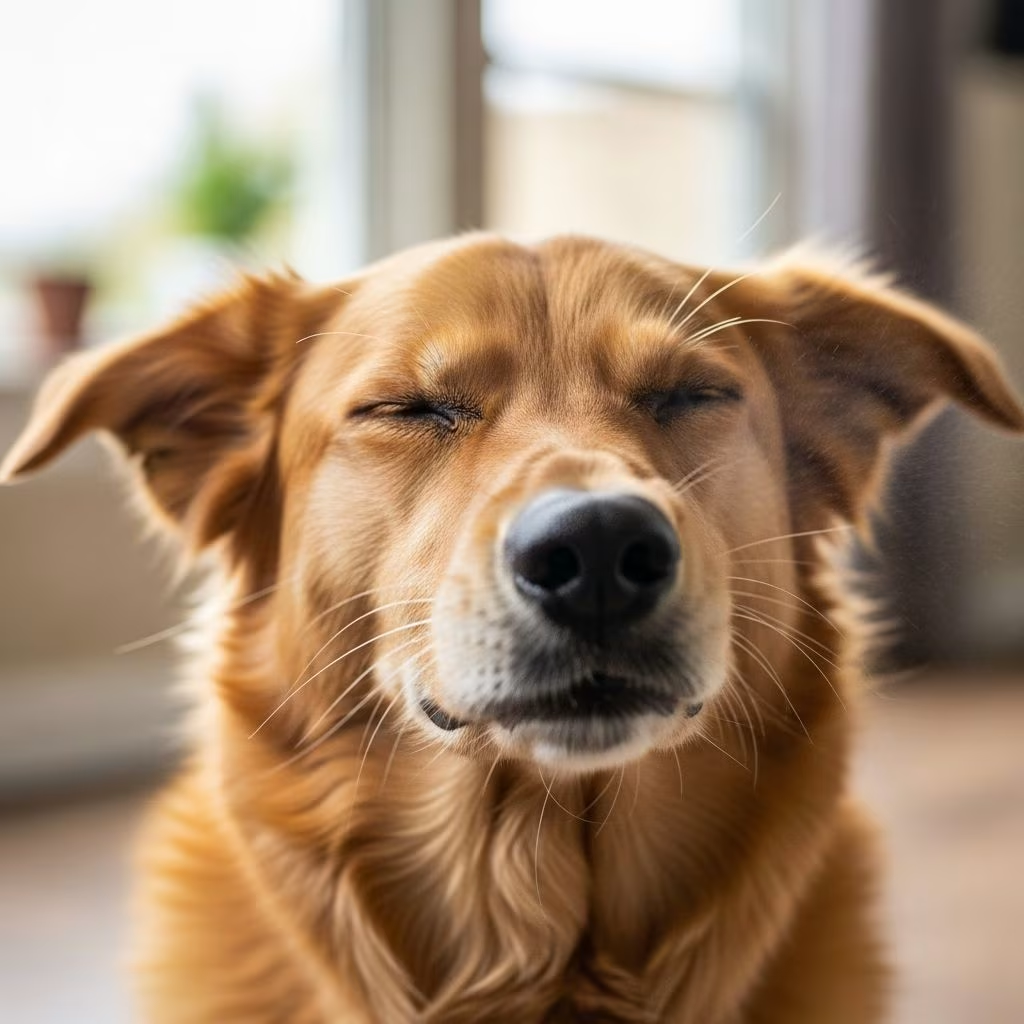
Observing your dog sneeze repeatedly can spark concern, as it signals something irritating their nasal passages. While occasional sneezes often stem from benign sources, persistent episodes may indicate underlying health problems requiring attention. This guide delves into the various triggers, symptoms to monitor, diagnostic approaches, and management strategies to help you support your furry companion effectively.
Common Triggers for Canine Sneezing
Dogs sneeze to expel irritants from their sensitive noses, much like humans. Understanding these triggers helps distinguish normal behavior from potential issues.
Environmental Irritants and Allergies
Airborne particles frequently provoke sneezing in dogs. Dust, pollen, smoke, perfumes, and cleaning agents can inflame nasal linings, leading to reflexive sneezes. Dogs with allergies may exhibit seasonal patterns, worsening during high-pollen periods like spring or fall. Food sensitivities can also contribute, manifesting as sneezing alongside skin irritations or gastrointestinal upset.
- Dust and mold accumulation in homes
- Pollen from outdoor grasses and trees
- Household chemicals and scented products
- Smoke from cigarettes or fireplaces
Playful and Excitement-Induced Sneezes
During enthusiastic play, dogs often sneeze as a social cue, signaling fun rather than threat. This “play sneeze” is typically brief, bilateral, and accompanied by wagging tails and relaxed body language. It’s common in interactive sessions with owners or other dogs and resolves quickly without intervention.
Foreign Objects in the Nasal Passages
Dogs explore with their noses, sometimes inhaling grass seeds, foxtails, dirt, or small debris. These lodgments cause intense, one-sided sneezing, often with pawing at the face or rubbing on surfaces. Brachycephalic breeds like Pugs face higher risks due to their anatomy.
Serious Medical Causes of Frequent Sneezing
Beyond everyday irritants, certain conditions demand veterinary evaluation to prevent complications.
Respiratory Infections
Viral, bacterial, fungal, or parasitic invasions of the upper respiratory tract provoke sneezing alongside nasal discharge, coughing, and lethargy. Bacterial cases often produce yellow-green mucus, while viral ones like kennel cough spread easily in social settings. Fungal infections thrive in damp environments.
Dental and Oral Health Problems
Tooth root abscesses or oral-nasal fistulas link mouth infections to nasal irritation, causing sneezing with foul breath, drooling, or eating difficulties. The proximity of roots to sinuses allows pus drainage into nasal areas.
Parasitic Infestations: Nasal Mites
Pneumonyssoides caninum mites burrow into nasal tissues, triggering chronic sneezing, nosebleeds, and dark discharge. These parasites are detectable via rhinoscopy and treatable with antiparasitics.
Brachycephalic Airway Issues and Tumors
Short-nosed breeds experience reverse sneezing—rapid inhalations mimicking choking—due to narrowed passages. Rarely, nasal tumors cause persistent, bloody sneezing, more common in older dogs.
Recognizing When Sneezing Signals a Problem
Not all sneezing warrants alarm, but accompanying signs elevate urgency.
| Symptom | Possible Cause | Action Needed |
|---|---|---|
| Clear discharge, occasional sneezes | Allergies or irritants | Monitor, reduce exposure |
| Yellow/green or bloody discharge | Infection or foreign body | Vet visit promptly |
| Sneezing with coughing, fever | Respiratory infection | Immediate vet care |
| Facial pawing, one-sided sneezes | Foreign object | Seek extraction if persistent |
| Bad breath, appetite loss | Dental issue | Dental exam required |
| Lethargy, weight loss | Tumor or chronic illness | Urgent diagnostics |
Persistent sneezing lasting days, worsening intensity, or paired with breathing difficulties, eye issues, or behavioral changes necessitates professional assessment.
Veterinary Diagnostic Process
Vets employ systematic methods to pinpoint sneezing origins.
- History and Physical Exam: Reviewing onset, environment, diet, and exposures while inspecting nose, mouth, teeth, and lungs for abnormalities.
- Imaging Techniques: X-rays, CT scans, or rhinoscopy visualize blockages, tumors, or structural issues.
- Laboratory Tests: Blood panels, nasal swabs for cytology/culture, and discharge analysis identify infections or parasites.
- Advanced Procedures: Biopsies or endoscopy for suspicious growths.
Treatment Options Tailored to the Cause
Therapy targets root problems for optimal recovery.
- Allergies: Antihistamines, environmental controls like air purifiers, hypoallergenic diets, or immunotherapy.
- Infections: Antibiotics, antifungals, antivirals, or immune boosters; supportive care with humidifiers and saline rinses.
- Foreign Bodies: Sedation for manual removal or flushing.
- Dental Issues: Extractions, antibiotics, dental cleanings.
- Parasites: Ivermectin-based dewormers.
- Tumors: Surgery, radiation, or chemotherapy depending on stage.
Home remedies like steam from showers or gentle nose wiping aid symptom relief but never replace vet care.
Preventive Strategies for a Sneeze-Free Life
Proactive steps minimize risks.
- Vaccinate against respiratory viruses.
- Maintain dental hygiene with brushing and chews.
- Use air filters and hypoallergenic bedding.
- Supervise outdoor play to avoid foxtails.
- Schedule regular wellness exams.
Brachycephalic owners should monitor for reverse sneezing triggers like excitement or pulling leashes.
Frequently Asked Questions
Is occasional dog sneezing normal?
Yes, especially during play or exposure to mild irritants. Worry if it persists or includes other symptoms.
What is reverse sneezing in dogs?
A spasm causing rapid snorting inhalations; common in small breeds, often self-resolves but can be calmed by gentle massage.
Can diet cause sneezing?
Food allergies trigger nasal responses; trial hypoallergenic foods under vet guidance.
How long before seeing a vet for sneezing?
If unresolved in 24-48 hours or with discharge/illness signs, seek care promptly.
Are nasal mites common?
Infrequent but possible; diagnosed via scope, treatable effectively.
References
- Sneezing in dogs – Joii Pet Care — Joii Pet Care. 2023. https://www.joiipetcare.com/blogs/health-symptoms/sneezing-in-dogs
- Why is My Dog Sneezing a Lot? – Veteris — Veteris. 2023. https://veteris.co.uk/petcare-advice/why-is-my-dog-sneezing-a-lot
- Causes of Excessive Sneezing in Pets – Fetch Vets — Fetch Vets. 2023. https://fetchvets.com/blog/excessive-sneezing-in-pets/
- What Causes Dogs to Sneeze in Limerick, PA? — Limerick Vet. 2023. https://www.limerickvet.com/blog/dog-sneezing/
- Coughing and Sneezing in Pets: When to Worry — St. Charles Vet Hospital. 2023. https://www.stcharlesvethospital.com/blog/coughing-and-sneezing-in-pets-when-to-worry
- Dog Sneezing: When to Worry and What to Do — Animal Family Veterinary Care. 2023. https://animalfamilyveterinarycare.com/blog/dog-sneezing/



