

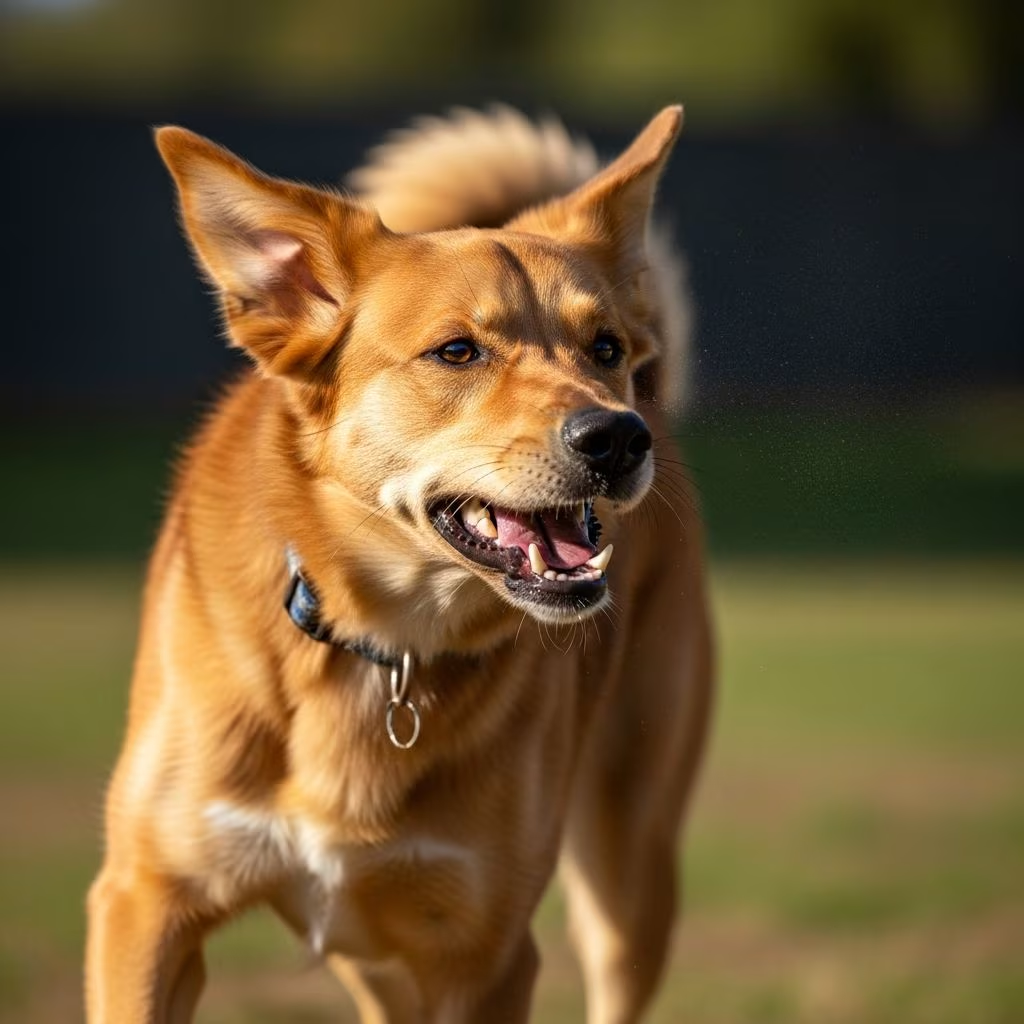
Why Dogs Sneeze During Play: A Complete Guide
If you’ve noticed your dog sneezing frequently during playtime, you may wonder whether this behavior is normal or a sign of concern. The good news is that sneezing during play is completely normal for dogs and typically indicates excitement, communication, or a physical response to their environment. Understanding the reasons behind these sneezes can help you determine when playful sneezing is harmless fun and when it might warrant a veterinary visit.
What Is a Play Sneeze?
Play sneezes are distinctly different from regular sneezes caused by nasal irritation or illness. A play sneeze is often a mix of a sneeze and a snort, sometimes referred to as “sneering”. These vocalizations are gentler than typical sneezes and originate from the front of your dog’s face rather than deeper in the nasal cavity. Unlike a regular sneeze designed to clear irritants from the nose, play sneezes are primarily a form of expression and communication.
Play sneezes typically have the following characteristics:
- Soft and short in duration
- Occur during excitement or interactive play
- Accompanied by relaxed body language, wagging tail, or playful barks
- Little to no nasal discharge
- Minimal head movement or wrinkling of the muzzle
In contrast, a physiologic sneeze caused by nasal irritation tends to be forceful, may include nasal discharge, and involves jerking of the head. Understanding this distinction helps pet owners recognize when their dog’s sneezing is simply part of normal play behavior.
Why Do Dogs Sneeze When Playing?
Researchers and veterinary behaviorists have identified several reasons why dogs sneeze during playtime. While no hard evidence conclusively explains the behavior, animal behavioral experts have proposed multiple theories based on observation and canine communication patterns.
Excitement and Energy Release
One of the most common reasons dogs sneeze during play is to release pent-up excitement. When dogs become overly stimulated during play, sneezing serves as a physical outlet for excess energy. This is particularly true during high-intensity activities like running, wrestling, or chase games. If your dog exhibits excessive excitement during play, providing enrichment toys can help channel that energy in healthy ways.
Communication and Social Signaling
Dogs use sneezing as a sophisticated form of social communication with other dogs and humans. When engaging in play-fighting or rough play, a sneeze essentially signals “This isn’t a real fight!” to other dogs, establishing that the interaction is friendly and non-threatening. This communication helps keep playtime safe and prevents misunderstandings that could escalate into actual aggression. Some experts believe play sneezes are also a way for dogs to say hello to their companions.
Physical Irritants and Environmental Factors
Beyond emotional communication, play sneezing has clear physiological triggers. When dogs engage in vigorous movement—such as rolling, digging, or pouncing—they often kick up dust, dirt, or pollen that irritates their nasal passages. Additionally, rapid breathing during intense play can cause vibrations in the soft palate, triggering a sneeze reflex. Contact with other dogs’ fur, paws, or mouths may also tickle a dog’s snout and provoke sneezing.
Rapid Breathing and Nasal Stimulation
During active play, dogs breathe more quickly and heavily, which can cause them to inhale irritants such as grass seeds, dust, or small particles. When these irritants reach the nasal passages, the body responds with a reflex sneeze to clear the airways. This physiological response is completely normal and helps protect the respiratory system.
Play Sneezes vs. Regular Sneezes: What’s the Difference?
Distinguishing between play sneezes and regular sneezes is important for determining whether your dog needs veterinary care. The following table outlines the key differences:
| Play Sneezes | Regular Sneezes |
|---|---|
| Happen during playtime or high excitement | Can happen anytime, often outside of play |
| Many light sneezes throughout playtime | Usually just one or two at a time |
| Less forceful (shorter and lighter) | Forceful and longer-lasting (wrinkled muzzles) |
| May be accompanied by discharge | Typically leak clear discharge or no discharge |
| Associated with happy body language | May interrupt activities or suggest discomfort |
Like human sneezes, canine sneezes are involuntary reflexes designed to expel pollen, dust, and other irritants from the nasal cavity. Understanding these distinctions helps pet owners recognize normal play behavior versus symptoms that require veterinary attention.
When Should You Worry About Your Dog’s Sneezing?
While most play sneezing is harmless, certain sneezing patterns warrant veterinary evaluation. You should be concerned if sneezing persists outside of playtime or if it’s accompanied by other symptoms.
Warning Signs That Require Veterinary Care
Contact your veterinarian if your dog exhibits any of the following:
- Sneezing while at rest or during non-playful activities
- Persistent sneezing that continues well after playtime ends
- Nasal discharge that is yellow, green, or bloody in color
- Pawing at the nose or facial pain indicators
- Accompanying cough or changes in breathing patterns
- Signs of overstimulation or stress alongside sneezing
These symptoms could indicate upper airway infections, which may require antibiotics or other veterinary treatments. Allergies can also cause persistent sneezing, even during play, and your dog may benefit from allergy relief products or medical interventions.
Overstimulation and Stress-Related Sneezing
While sneezing usually signals fun, it can occasionally indicate mild anxiety or overstimulation. If your dog sneezes alongside signs of stress—such as yawning, lip licking, or attempting to retreat from play—they may need a break. In multi-dog settings, sneezing might be a subtle way for a dog to de-escalate when play becomes too rough. Observing your dog’s overall body language helps determine whether sneezing reflects happiness or stress.
Supporting Your Dog During Active Play
Understanding your dog’s play behavior allows you to provide appropriate support and supervision. Here are some ways to ensure safe, healthy playtime:
- Monitor play sessions for signs of excessive excitement or fatigue
- Provide enrichment toys like the KONG Classic or fetch sticks to channel energy appropriately
- Clean play areas regularly to minimize dust and pollen irritation
- Watch for signs of stress or overstimulation in multi-dog play situations
- Offer water breaks during intense play sessions
- Use allergy-support products if your dog has known sensitivities
Pet owners can also use cleansing wipes that are safe around the nose and face to help minimize irritants after outdoor play.
Understanding Breed Differences in Play Sneezing
Interestingly, play sneezing is more frequent in certain types of dogs, particularly active and toy breeds. Smaller breeds may be more prone to play sneezing due to their higher activity levels and more sensitive nasal passages. Dogs engaged in play-fighting—where they frequently bare their teeth—may naturally produce more sneeze-like responses due to the physical positioning of their facial muscles.
Frequently Asked Questions About Dog Sneezing During Play
Q: Is it normal for dogs to sneeze a lot when playing?
A: Yes, dogs sneezing while playing is completely normal behavior. It’s often a form of communication, letting other dogs and humans know that their guard is down and they are eager to play. Sneezing can also result from breathing in particles and irritants, such as dust and dirt, during active movement.
Q: Why does my dog sneeze in my face when we play?
A: When your dog sneezes directly in your face during play, it’s simply because you’re in their “sneeze zone.” They aren’t aiming at you on purpose—it’s simply where the sneeze lands while they’re bouncing around and having fun. This is harmless and part of normal interactive play.
Q: How can I tell if my dog’s sneezing is a sign of illness?
A: Play sneezes are soft, brief, and occur during excitement without nasal discharge. If your dog sneezes at rest, has colored nasal discharge, paws at their nose, or displays other symptoms outside of play, consult your veterinarian. These signs may indicate allergies, infections, or other health issues.
Q: Can sneezing mean my dog wants to stop playing?
A: In some cases, sneezing might indicate your dog needs a break, especially if accompanied by signs of stress like yawning or attempting to retreat. However, most play sneezes are simply expressions of excitement and communication, not signals to stop. Watch your dog’s overall body language to determine their comfort level.
Q: Should I be concerned if my dog sneezes every time we play?
A: No, frequent sneezing during consistent play sessions is normal and not cause for concern. However, if the pattern changes, sneezing persists after play ends, or other symptoms develop, contact your veterinarian to rule out underlying health issues.
Conclusion: Understanding Normal Play Behavior
Dog sneezing during play is a normal, healthy behavior that reflects excitement, communication, and physical responses to their environment. Most play sneezes are harmless expressions of joy and social signaling rather than signs of illness. By understanding the difference between play sneezes and concerning symptoms, pet owners can confidently enjoy interactive playtime with their dogs while remaining alert to any changes that might warrant veterinary attention. When in doubt, consulting with your veterinarian provides peace of mind and ensures your dog’s continued health and happiness.
References
- Why Do Dogs Sneeze When Playing? Is This Normal? — Chewy Education. 2025. https://www.chewy.com/education/dog/training-and-behavior/why-do-dogs-sneeze-when-playing
- Why Do Dogs Sneeze When They Play? A Guide — Marleybones. 2025. https://marleybones.com/blogs/news/why-do-dogs-sneeze-when-playing
- Why Does My Dog Sneeze When They’re Playing? — Sit Means Sit Detroit. 2025. https://sitmeanssit.com/dog-training-mu/metro-detroit-dog-training/why-does-my-dog-sneeze-when-theyre-playing/
- Why Does My Dog Sneeze During Play? — Rover.com. 2025. https://www.rover.com/blog/dogs-sneeze-play/
- Why Dogs Sneeze When They Play — Whole Dog Journal. 2025. https://www.whole-dog-journal.com/behavior/why-dogs-sneeze-when-they-play/



