

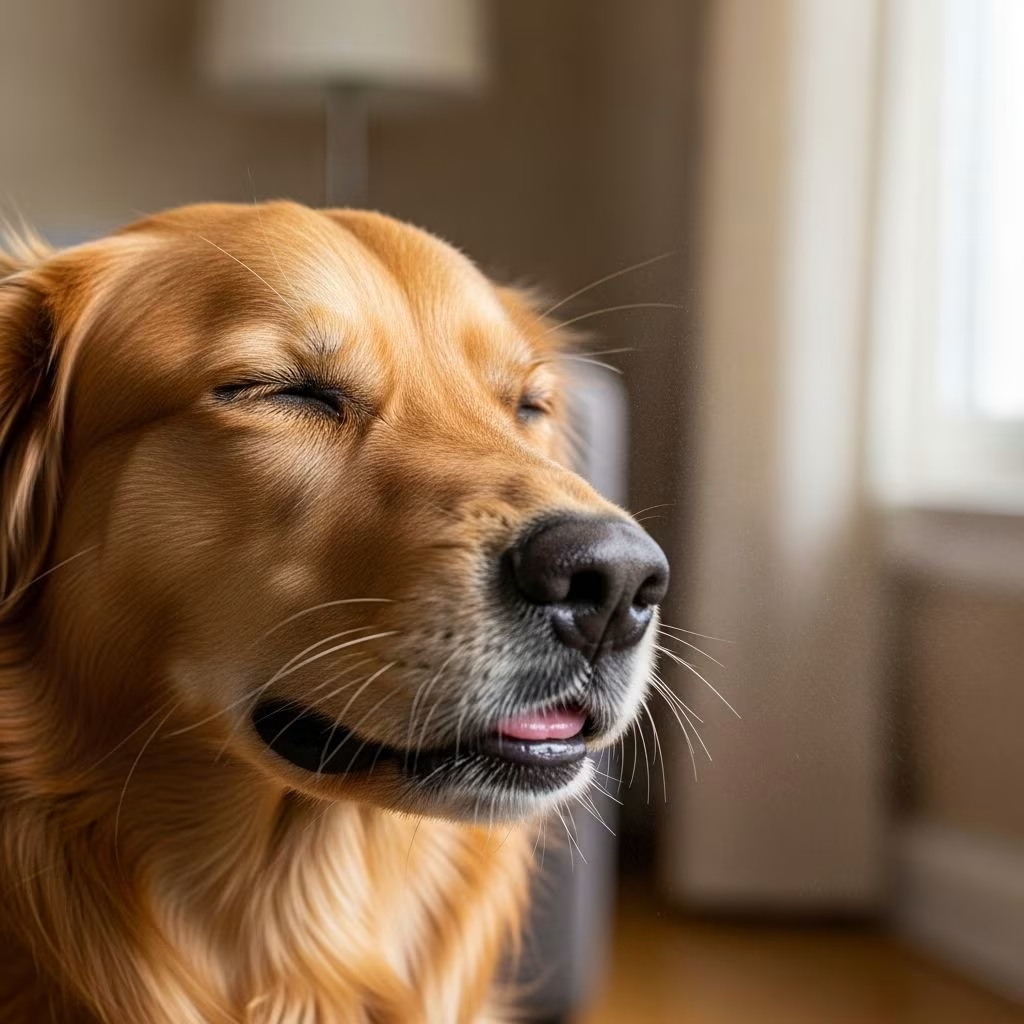
Dogs sneeze for various reasons, much like humans, as a reflex to clear their nasal passages of irritants, allergens, or pathogens. While occasional sneezing is typically benign, persistent or intense episodes can signal underlying health concerns that demand attention.
Common Triggers for Occasional Sneezing
Many dogs experience brief sneezing bouts due to everyday environmental factors. These are usually self-resolving and do not require intervention unless they recur frequently.
- Dust and Pollen: Airborne particles like dust mites or seasonal pollen can inflame nasal tissues, prompting sneezes to expel them. Dogs with heightened sensitivity may sneeze more during high-pollen seasons such as spring or fall.
- Household Irritants: Scents from perfumes, cleaning agents, smoke, or air fresheners irritate the sensitive lining of a dog’s nose, leading to reflexive sneezing. Their superior sense of smell amplifies reactions to these substances.
- Playful Signals: During excited play, dogs often sneeze as a social cue, indicating non-threatening fun. This is common in interactive sessions and accompanied by wagging tails and bouncy behavior.
When Sneezing Points to Allergies
Allergies rank among the top reasons for repeated sneezing in dogs. These immune responses trigger inflammation in the respiratory tract, causing discomfort that manifests as sneezes.
Environmental allergens, including mold spores, grass, and tree pollen, provoke seasonal sneezing. Food sensitivities to ingredients like beef, dairy, or grains can also contribute, often alongside skin itching or ear infections.
Brachycephalic breeds—those with short snouts like Pugs, Bulldogs, and Boston Terriers—are particularly susceptible due to compressed nasal airways, exacerbating allergic reactions.
Infections Invading the Nasal Passages
Respiratory infections frequently cause prolonged sneezing, often with additional symptoms like nasal discharge or lethargy. These can stem from viruses, bacteria, or fungi.
- Viral Causes: Conditions akin to kennel cough or canine influenza lead to sneezing fits, coughing, and sometimes fever. Transmission occurs in close-contact settings like dog parks.
- Bacterial and Fungal: These produce thick, colored discharge (yellow, green, or bloody) and may originate from dental roots or environmental exposure. Untreated cases can spread to lungs.
Early veterinary intervention with antibiotics or antifungals prevents complications.
Parasites and Pests in the Nose
Nasal mites, tiny arthropods, infest sinuses via dirt or dog-to-dog contact, causing intense itching and sneezing. Affected dogs often paw at their faces and exhibit bloody discharge.
Diagnosis involves nasal scoping or flushing, followed by targeted parasiticides for resolution.
Foreign Objects: The Sneaky Blockers
Dogs love sniffing and digging, which can lodge grass seeds (foxtails), blades, or dirt in their nostrils. This irritation triggers violent sneezing, nose-rubbing, and unilateral discharge.
Brachycephalic dogs face higher risks due to anatomy. Vets use rhinoscopy or imaging to locate and remove obstructions safely.
Dental Problems Linked to Sneezing
Issues like tooth root abscesses or oral-nasal fistulas allow bacteria to migrate from the mouth to nasal cavities, sparking sneezes, foul breath, and eating difficulties.
Regular dental check-ups mitigate these risks, as proximity of roots to sinuses facilitates crossover infections.
Reverse Sneezing: A Harmless but Startling Phenomenon
Distinct from forward sneezes, reverse sneezing involves rapid inhalations through the nose, sounding like snorting or gagging. It clears irritants from the throat and is common in small breeds or those with elongated soft palates.
Gently massaging the throat or covering nostrils briefly interrupts episodes. Persistent cases merit vet evaluation for anatomical corrections.
Warning Signs Demanding Immediate Vet Attention
Not all sneezing is trivial. Monitor for red flags indicating serious issues like tumors, pneumonia, or chronic disease, especially in seniors.
| Symptom | Possible Implication | Action Needed |
|---|---|---|
| Thick, colored, or bloody nasal discharge | Infection, mites, foreign body, tumor | Urgent vet exam |
| Sneezing with coughing or wheezing | Respiratory illness, asthma, parasites | Diagnostic tests |
| Facial pawing, swelling, or lethargy | Obstruction, allergy escalation, systemic issue | Immediate consultation |
| Loss of appetite, weight loss, or breathing difficulty | Dental disease, tumor, severe infection | Emergency care |
Diagnostic Approaches at the Vet
Veterinarians employ a step-wise process: physical exams, history review, then advanced tools like endoscopy, X-rays, CT scans, or biopsies to pinpoint causes.
Bloodwork rules out allergies or infections; cultures identify pathogens.
Treatment Strategies Tailored to the Cause
- Allergies: Antihistamines, hypoallergenic diets, immunotherapy shots.
- Infections: Antibiotics, antivirals, or antifungals based on type.
- Parasites: Mite-specific medications like ivermectin.
- Obstructions: Sedated removal or surgery.
- Dental: Extractions, antibiotics, dental cleaning.
Supportive care includes humidifiers for moisture and rest.
Preventive Measures for a Sneeze-Free Life
Proactive steps reduce sneezing incidence:
- Vaccinate against respiratory viruses.
- Maintain dental hygiene with brushing and professional cleanings.
- Use air purifiers and hypoallergenic bedding to minimize allergens.
- Avoid irritant-heavy environments; opt for harnesses over collars for brachycephalics.
- Regular vet check-ups catch issues early.
Frequently Asked Questions (FAQs)
Is occasional sneezing normal for dogs?
Yes, brief sneezes from irritants or play are common and harmless. Persistent cases need monitoring.
How long should I wait before calling the vet for sneezing?
If it lasts over 24-48 hours or includes discharge/other symptoms, seek care promptly.
Can diet cause my dog to sneeze?
Food allergies can trigger sneezing alongside gastrointestinal or skin issues. Trial hypoallergenic food under vet guidance.
What is reverse sneezing, and is it dangerous?
A reflexive inhalation to clear the palate; usually benign but frequent episodes may need evaluation.
Are certain breeds more prone to sneezing?
Brachycephalic breeds like Pugs and French Bulldogs sneeze more due to nasal structure.
References
- Why Is My Dog Sneezing a Lot? — PetMD. 2023. https://www.petmd.com/dog/symptoms/why-my-dog-sneezing-a-lot
- My Dog Keeps Sneezing – Should I Call the Vet? — Little Silver Animal Hospital. 2022. https://littlesilveranimalhospital.com/?p=1299
- What Causes Dogs to Sneeze in Limerick, PA? — Limerick Vet. 2023. https://www.limerickvet.com/blog/dog-sneezing/
- Dog Sneezing: When to Worry and What to Do — Animal Family Veterinary Care. 2024. https://animalfamilyveterinarycare.com/blog/dog-sneezing/
- Why is My Dog Sneezing a Lot? — Veteris. 2023. https://veteris.co.uk/petcare-advice/why-is-my-dog-sneezing-a-lot
- Causes of Excessive Sneezing in Pets — Fetch Vets. 2024. https://fetchvets.com/blog/excessive-sneezing-in-pets/



