

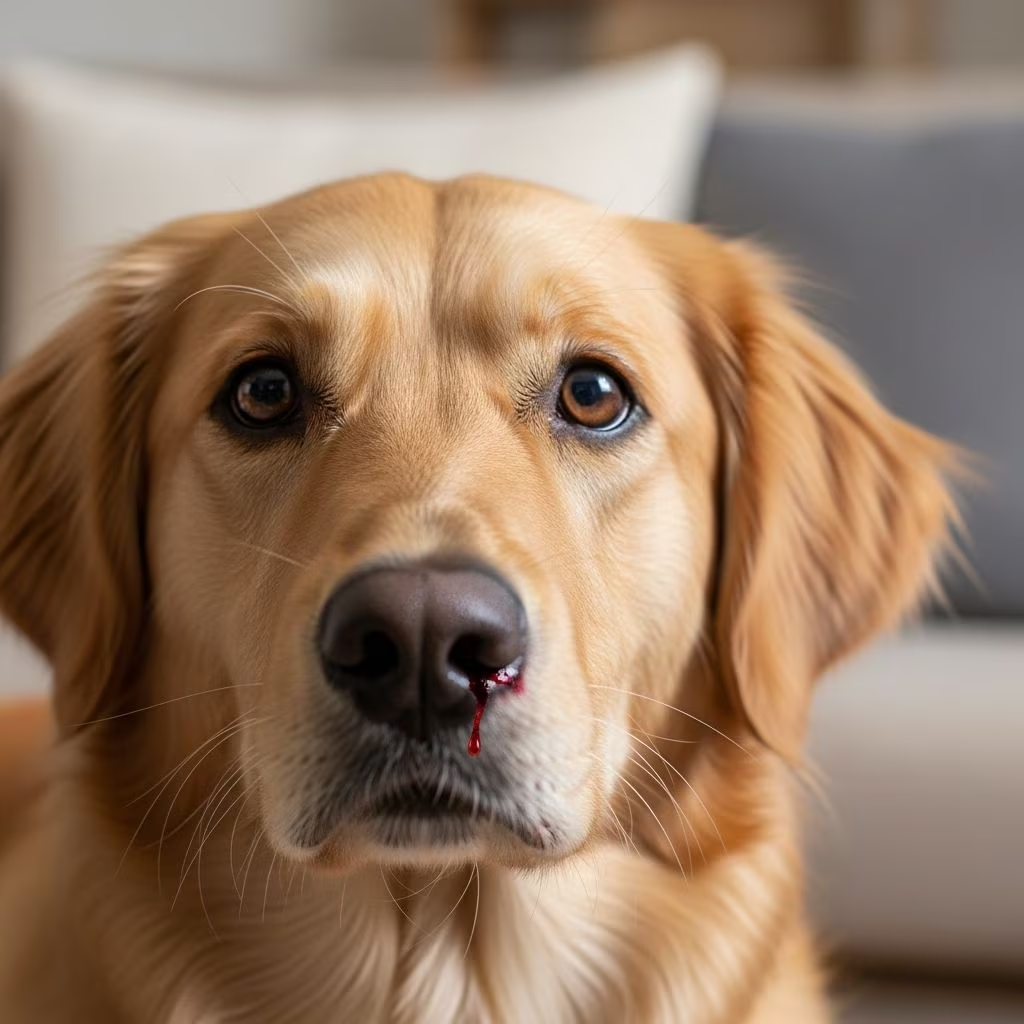
Blood in a dog’s sneeze signals potential health issues ranging from simple injuries to life-threatening diseases. Prompt recognition and veterinary evaluation are crucial to identify the underlying cause and prevent complications.
Recognizing the Signs of Blood in Sneezes
Observing fresh red streaks, dark clots, or consistent bloody discharge during sneezing requires immediate attention. Accompanying symptoms like pawing at the face, lethargy, or foul nasal odor often indicate nasal irritation or deeper problems. Differentiate this from minor clear discharge, which might stem from dust or pollen, by noting the blood’s presence and persistence.
Dogs may sneeze blood unilaterally (one nostril) suggesting localized issues like foreign bodies, or bilaterally pointing to systemic conditions. Monitor frequency: occasional spots might resolve, but repeated episodes demand professional assessment.
Common Triggers for Nasal Bleeding During Sneezing
Everyday incidents frequently explain initial bleeding episodes. Physical injuries top the list, where rough play or collisions damage delicate nasal tissues, leading to rupture during forceful sneezes.
- Snout Trauma: Scratches from bushes, falls, or fights cause superficial vessel breaks, expelling blood with sneezes.
- Environmental Irritants: Dust, smoke, or chemicals inflame mucous membranes, weakening vessels prone to burst under sneeze pressure.
Allergies provoke chronic inflammation; pollen or mold triggers immune responses swelling nasal linings and promoting epistaxis (nosebleeds).
Infectious Culprits Behind Bloody Sneezes
Pathogens invade respiratory passages, eroding tissues and vessels. Bacterial overgrowth, often secondary to viral insults, produces thick, blood-tinged mucus.
- Viral and Bacterial Rhinitis: Upper respiratory infections mimic human colds but escalate to bleeding in vulnerable dogs.
- Fungal invasions: In damp climates, aspergillosis erodes nasal turbinates, causing chronic bloody discharge.
- Tick-Borne Diseases: Ehrlichiosis or Rocky Mountain spotted fever damage endothelium, impairing clotting and sparking bleeds.
Parasitic nasal mites burrow into linings, irritating to the point of hemorrhage, especially in outdoor breeds.
Structural and Obstructive Factors
Objects lodged in nostrils create one-sided irritation and bleeding. Grass awns or seeds, inhaled during romps, provoke violent sneezes dislodging debris with blood.
Dental roots extending into nasal cavities abscess, fistulas allowing oral bacteria to infect sinuses, yielding sanguinous discharge and halitosis.
| Obstruction Type | Symptoms | Diagnostic Tool |
|---|---|---|
| Foreign Body | Unilateral sneezing, pawing | Rhinoscopy |
| Dental Abscess | Foul breath, facial swelling | Dental X-rays |
| Nasal Polyp | Chronic discharge, snoring | CT Scan |
Clotting and Systemic Disorders
Blood fails to coagulate properly in disorders like thrombocytopenia (low platelets), Von Willebrand’s disease, or disseminated intravascular coagulation (DIC), turning minor nasal trauma into profuse bleeds.
- Rodenticide Toxicity: Anticoagulant poisons deplete vitamin K, causing spontaneous epistaxis alongside gum bleeding or bruising. Breeds like Golden Retrievers show genetic predispositions.
- Liver Dysfunction: Impaired clotting factor synthesis leads to unchecked nasal hemorrhage.
Cancerous growths vascularize heavily; hemangiosarcoma or nasal adenocarcinomas erode bone, fostering recurrent bleeds in senior dogs.
Diagnostic Approaches for Accurate Identification
Veterinarians employ tiered evaluations. Initial physical exams check for trauma or dental disease. Blood panels assess platelets, coagulation times, and infection titers.
- Imaging: Skull radiographs reveal turbinate destruction; CT/MRI delineate tumors or abscesses.
- Endoscopy (Rhinoscopy): Visualizes foreign objects, polyps, or fungal plaques for biopsy.
- Cultures and PCR: Identify bacterial, fungal, or viral agents from swabs.
Coagulation profiles rule out toxins or inherited defects, guiding targeted therapies.
Home Management and First Aid Steps
While awaiting vet care, keep the dog calm in a cool, humid environment to ease breathing. Apply gentle cold compresses to the bridge of the nose for 5-10 minutes to vasoconstrict vessels. Avoid aspirin or human NSAIDs, which exacerbate bleeding.
Prevent access to toxins; secure rodenticides and monitor play areas. Hydration supports mucous membrane health, but never force-feed suspect cases.
When to Rush to the Vet
Seek emergency care for profuse bleeding, pale gums, weakness, or multi-site hemorrhage. Older dogs, brachycephalics (short-nosed breeds), or those with pre-existing conditions warrant faster action. Unilateral persistence hints at tumors or obstructions needing rhinoscopy.
Preventive Strategies for Nasal Health
Regular dental cleanings mitigate root abscesses. Flea/tick preventives curb vector-borne diseases. Allergen avoidance via air filters and hypoallergenic bedding reduces irritation.
Annual wellness exams with bloodwork detect clotting risks early. Supervised outdoor time minimizes foreign body inhalation.
Treatment Options by Cause
| Cause | Treatment | Prognosis |
|---|---|---|
| Trauma | Rest, compresses | Excellent |
| Infection | Antibiotics, antifungals | Good if early |
| Foreign Body | Rhinoscopy removal | Excellent |
| Clotting Disorder | Vitamin K, transfusions | Variable |
| Tumor | Surgery, chemo, radiation | Guarded |
Frequently Asked Questions
Is blood in sneezes always serious?
Not always; minor trauma resolves quickly, but persistence or clots signal deeper issues requiring vet evaluation.
Why does my older dog sneeze blood?
Aging weakens vessels and immunity, heightening tumor, infection, or clotting risks.
Can allergies cause bloody sneezes?
Yes, severe allergic rhinitis inflames tissues, rupturing vessels during sneezes.
What if only one nostril bleeds?
Often indicates foreign object, polyp, or unilateral tumor; rhinoscopy is key.
How do I stop the bleeding at home?
Cold compress and calm environment help temporarily; vet care is essential for causes beyond trauma.
Long-Term Monitoring and Prognosis
Post-treatment, track recurrence with monthly nasal exams. Breeds prone to Von Willebrand’s (e.g., Dobermans) benefit from genetic screening. Holistic supports like omega-3 supplements bolster mucosal integrity, pending vet approval.
Early intervention transforms grave prognoses; tumors detected via CT have 50-70% surgical success in accessible cases. Infections clear with culture-guided antibiotics, restoring normalcy.
References
- Dog Sneezing Blood: Common Reasons and When to See a Vet — Petcube. 2023. https://petcube.com/blog/dog-sneezing-blood/
- Nasal Discharge, Bloody Nose and Sneezing in Dogs — Savannah Veterinary Specialists. 2024-10-15. https://savannahveterinary.com/pet-internal-medicine/nasal-discharge-bloody-nose-and-sneezing-in-dogs-it-snot-normal/
- Nose Bleeds (Epistaxis) in Dogs — VCA Animal Hospitals. 2025-01-10. https://vcahospitals.com/know-your-pet/nose-bleeds-or-epistaxis-in-dogs
- Why is my dog sneezing? — Vets Now. 2024. https://www.vets-now.com/pet-care-advice/dog-sneezing/
- Sudden Dog Nose Bleed: A Guide to Immediate Care — GSVS. 2023-11-20. https://gsvs.org/blog/sudden-dog-nose-bleed-emergency/
- Why is my dog sneezing blood? — WagWalking. 2021-07-23. https://wagwalking.com/symptom/why-is-my-dog-sneezing-blood



