

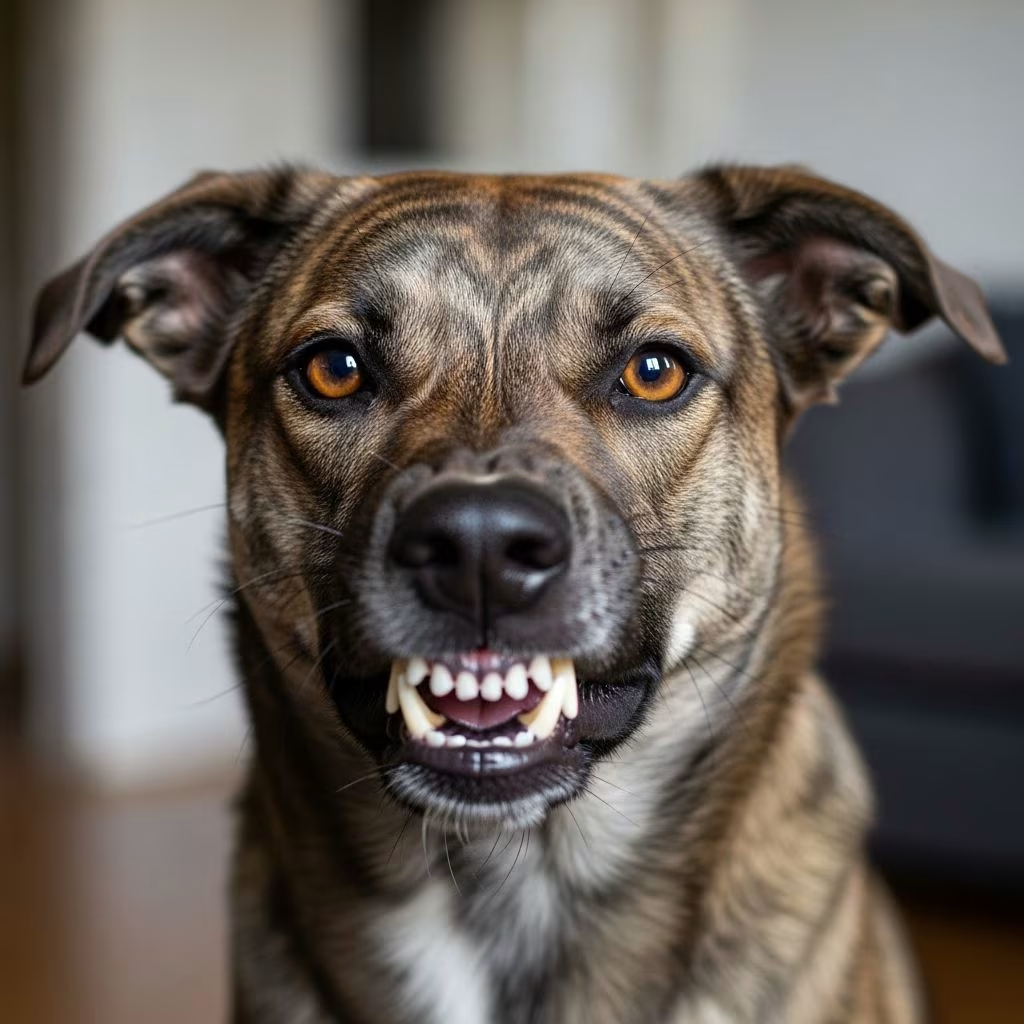
Experiencing a snap or bite from your beloved pet can be shocking and deeply concerning. When a dog snaps at their owner, it signals an underlying problem that demands immediate attention and understanding. Rather than viewing this behavior as a character flaw or sign of a “bad” dog, recognizing that snapping is a communication method helps owners respond appropriately and safely.
The Reality of Canine Snapping Behavior
Dog snapping represents a serious warning sign that should never be ignored or dismissed. Fear is recognized as the most common cause of canine aggression, accounting for the majority of incidents where dogs display hostile behavior toward their owners. Unlike the outdated belief that dominance drives aggression, modern veterinary behaviorists understand that most aggressive displays stem from anxiety, protection, or misunderstood communication rather than a desire to assert control.
A snap may represent your dog’s last resort before a bite occurs. Understanding this distinction is crucial for preventing escalation and maintaining household safety.
Identifying Why Your Dog Snaps
Fear-Based Responses
Fear constitutes the foundation of most owner-directed aggression. When dogs feel threatened or cornered, they experience a fight-or-flight response similar to humans. Triggers for fear-based snapping include sudden movements, loud noises, unfamiliar people, or environmental changes. Dogs who lack proper socialization during critical developmental periods may perceive normal interactions as threatening, leading to defensive snapping when approached, touched, or handled unexpectedly.
Pain and Medical Complications
Physical discomfort frequently drives aggressive behavior that owners might otherwise attribute to personality changes. Undiagnosed medical conditions such as arthritis, dental disease, neurological disorders, or other painful conditions can cause irritability and aggression. Senior dogs, in particular, may develop aggressive tendencies when experiencing chronic pain from arthritis, hearing loss, or vision impairment that causes them to startle more easily. Before addressing behavioral interventions, a comprehensive veterinary examination is essential to rule out underlying health issues.
Resource Guarding Instincts
Some dogs display aggressive snapping when they perceive their valued possessions are threatened. Resource guarding behavior is rooted in survival instincts and involves dogs showing aggression over food, toys, resting spots, or even their owners’ lap space. This behavior can manifest suddenly when an owner reaches for a dog’s bowl, attempts to remove a toy, or approaches while the dog rests in a preferred location.
Anxiety and Overstimulation
Anxiety manifests differently in individual dogs but frequently culminates in aggressive behavior. Bored or under-stimulated dogs may develop aggressive tendencies as an outlet for pent-up mental and physical energy. When dogs lack adequate exercise, training, and mental engagement, they become hypervigilant and reactive, snapping at owners over minor provocations. Additionally, excessive petting, handling, or restraint can trigger frustration-elicited aggression in dogs who feel confined or overstimulated.
Trauma and Previous Abuse
Dogs with histories of trauma or abuse often display heightened fear and mistrust, manifesting as aggressive snapping even in safe situations. These animals have learned through negative experiences that aggression serves as self-preservation, and rebuilding trust requires patience, compassion, and professional guidance.
The Neurobiology Behind Snapping
Understanding the brain mechanisms underlying canine aggression provides insight into why snapping occurs and how interventions can help. Several neurological structures and chemical messengers influence aggressive behavior:
Brain Structures Involved
- Hypothalamus: Regulates the autonomic nervous system and controls the “fight or flight” response by releasing stress hormones that heighten aggressive tendencies
- Prefrontal Cortex: Responsible for decision-making and impulse control; impaired functioning leads to poor inhibition of aggressive behaviors
Neurotransmitters and Hormonal Influences
- Serotonin: Low levels are associated with increased aggression and impulsivity; adequate serotonin through diet, exercise, and sometimes medication helps manage aggressive behaviors
- Dopamine: Dysregulation contributes to aggression, particularly when aggressive behavior has been inadvertently rewarded
- Cortisol: Chronic elevation of this stress hormone maintains dogs in heightened arousal states, exacerbating aggressive responses
- Testosterone: While not directly causing aggression, testosterone lowers the threshold for aggressive behavior in intact males competing for resources or mates
Environmental and Situational Triggers
| Trigger Type | Examples | Dog’s Perception |
|---|---|---|
| Space Invasion | Approaching while resting, reaching over head, crowded spaces | Threat to personal safety or territory |
| Sensory Overload | Loud noises, sudden movements, bright lights | Danger or need for defensive action |
| Restraint | Leashing, crating, physical restraint, handling during grooming | Loss of control and escape route |
| Routine Disruption | Changes in schedule, new people, moving, reorganized furniture | Uncertainty and loss of security |
| Resource Conflicts | Reaching for food bowl, taking toys, interrupting meals | Threat to survival necessities |
Age-Related Considerations
Adolescent and Adult Dogs
Dominance aggression, which was previously overestimated as a cause of owner-directed aggression, typically develops between 18 and 36 months of age. This form represents inappropriate responses to situations involving perceived control rather than true dominance hierarchies.
Senior Dogs and Behavioral Changes
Aggression in senior dogs often stems from underlying medical or cognitive changes rather than sudden personality shifts. Canine cognitive dysfunction, similar to dementia in humans, creates confusion and anxiety that manifest as aggressive snapping. Combined with pain, sensory loss, and medication side effects, older dogs may snap unexpectedly when previously they remained gentle.
Practical Steps for Managing Snapping Behavior
Immediate Safety Measures
- Create physical distance between yourself and your dog during episodes of aggression
- Avoid sudden movements, direct eye contact, or reaching toward the dog’s face
- Use barriers like baby gates to manage interactions safely
- Establish a designated safe space where your dog can retreat without interference
- Never attempt to punish aggressive behavior, as this increases fear and worsens aggression
Professional Assessment
Seeking help from qualified professionals is essential. A certified animal behaviorist can safely address your dog’s aggressive behavior through assessment and customized intervention plans. Begin with a veterinary examination to exclude medical causes, then consult a certified professional dog trainer or veterinary behaviorist specializing in aggression.
Environmental Modifications
- Eliminate unnecessary stressors from your dog’s environment
- Maintain consistent routines to provide predictability and security
- Provide adequate physical exercise and mental stimulation through training, enrichment toys, and puzzle feeders
- Respect your dog’s personal space and allow them to approach you on their terms
- Feed in separate locations to prevent resource guarding incidents
Behavioral Modification Techniques
Effective behavior modification focuses on changing the dog’s emotional response to triggers rather than punishing the aggressive display. Counterconditioning and desensitization gradually alter your dog’s association with triggering situations, teaching calmer responses. Positive reinforcement-based training helps dogs learn that good behavior results in rewards, building confidence and trust.
Common Misconceptions About Dog Snapping
Myth: Aggressive Dogs Are Inherently “Bad”
Aggression represents a symptom, not a character judgment. Dogs communicate through snapping when they feel unsafe, hurt, or overwhelmed. With appropriate intervention, many aggressive dogs can improve significantly.
Myth: Punishment Stops Aggression
Punishment-based approaches increase fear and anxiety, making aggression worse over time. Dogs don’t connect punishment to their behavior; instead, they learn to fear the handler, escalating defensive responses.
Myth: Dominance Training Solves Aggression
Dominance-based methods applied to fearful dogs increase aggression rather than resolve it. Modern canine science has largely abandoned dominance theory in favor of understanding fear and anxiety as primary drivers.
When to Seek Immediate Veterinary Care
- If your dog has bitten anyone, particularly breaking skin or causing injury
- If aggression appears suddenly without prior warning signs
- If your dog shows signs of neurological problems alongside aggression
- If aggression is escalating in frequency or intensity
- If your dog shows additional symptoms like seizures, disorientation, or personality changes
Building Trust After Snapping Incidents
Recovering from a snapping incident requires rebuilding trust gradually. Move at your dog’s pace, allowing them to approach you rather than pursuing interaction. Use high-value rewards during calm moments to create positive associations. Avoid situations that previously triggered snapping while simultaneously working with professionals to address the underlying cause.
Frequently Asked Questions
Is my dog snapping a sign they’re aggressive or just scared?
Snapping typically indicates fear or anxiety rather than true aggression. Your dog is communicating discomfort before potentially escalating to biting. Distinguishing between reactive and aggressive behavior helps determine the appropriate intervention strategy.
Can snapping behavior be corrected?
Yes, with professional guidance and consistent effort, many dogs improve significantly. Success depends on identifying underlying causes, implementing appropriate behavior modification, and addressing any medical issues contributing to the behavior.
Should I give my dog medication for aggression?
Medication may be recommended in combination with behavior modification for some dogs, particularly those with anxiety-based aggression. Your veterinarian and behaviorist can determine whether pharmaceutical intervention is appropriate for your dog’s situation.
Is my dog dangerous if they snapped once?
A single snapping incident doesn’t define your dog’s future trajectory. However, it signals that something requires attention. Without intervention, incidents may escalate, but with proper management and professional support, many dogs progress positively.
References
- Understanding and Addressing Owner-Directed Aggression in Dogs — Freak on a Leash Dog Training. Accessed January 2026. https://freakonaleashdogtraining.com/understanding-and-addressing-owner-directed-aggression-in-dogs/
- 6 Causes of Aggression in Dogs — VEG ER for Pets. Accessed January 2026. https://www.veg.com/post/aggression-in-dogs
- Sudden Aggression in Dogs: Causes and How to Deal With It — GoodRx Pet Health. Accessed January 2026. https://www.goodrx.com/pet-health/dog/why-is-my-dog-always-aggressive
- Canine Aggression — AKC Canine Health Foundation. Accessed January 2026. https://www.akcchf.org/disease-history/canine-aggression/
- Aggression — ASPCA. Accessed January 2026. https://www.aspca.org/pet-care/dog-care/common-dog-behavior-issues/aggression
- The Truth About Aggression and Dominance in Dogs — University of California, Davis School of Veterinary Medicine. Accessed January 2026. https://www.vetmed.ucdavis.edu/sites/g/files/dgvnsk491/files/inline-files/The_Truth_About_Aggression__Dominance_dogs.pdf
- Dog Aggression: Signs, Causes, and How to Manage — Best Friends Animal Society. Accessed January 2026. https://bestfriends.org/pet-care-resources/dog-aggression-signs-causes-and-how-manage



