
Protecting Dogs from Snake Encounters: Training and Safety
Learn effective methods to teach your dog to recognize and avoid dangerous snakes
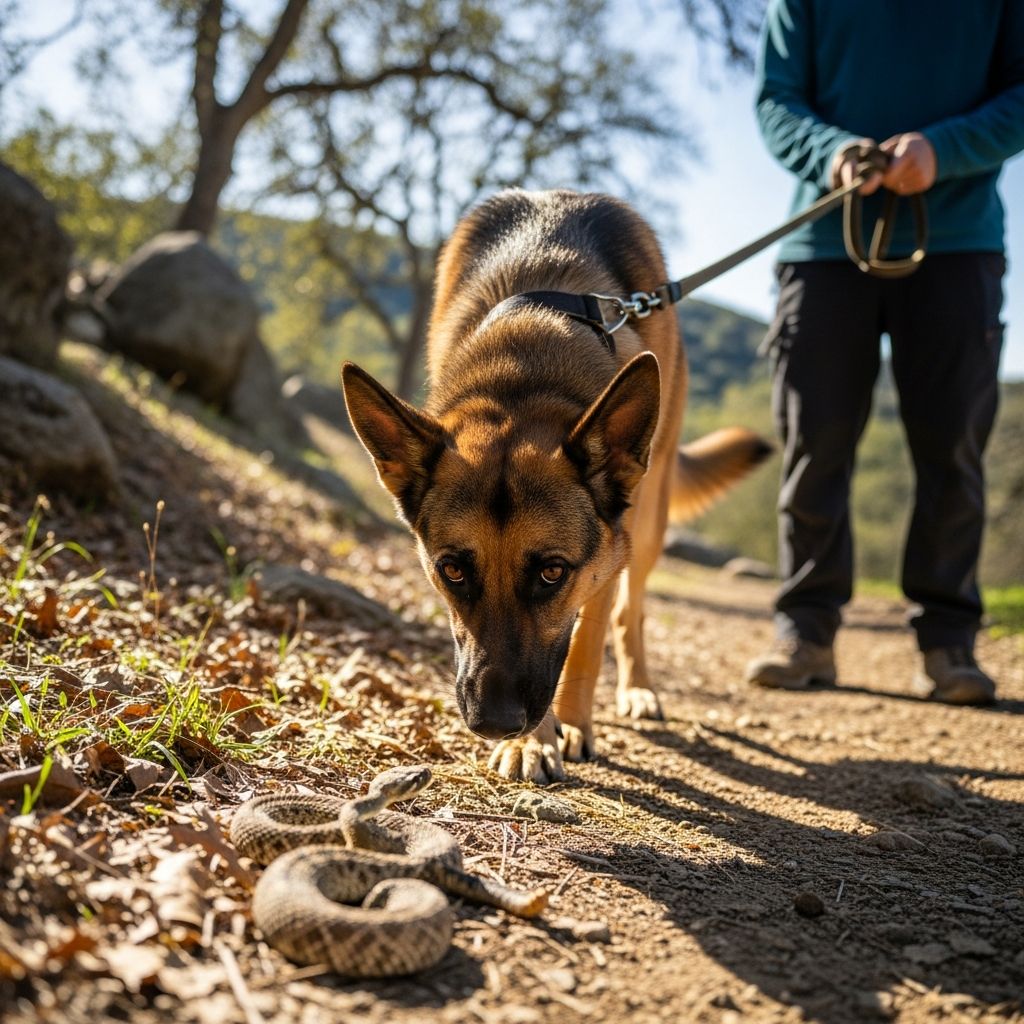
Dog owners living in areas with snake populations face a unique challenge: keeping their pets safe from potentially venomous encounters. Snake avoidance training has emerged as a specialized discipline designed to teach dogs the critical skill of recognizing and avoiding dangerous reptiles. This preventative approach can significantly reduce the risk of life-threatening snake bites, making it an invaluable investment for pet safety.
Understanding the Importance of Snake Recognition Training
The fundamental purpose of snake avoidance training is to establish a behavioral response that prioritizes distance and caution when dogs encounter snakes in their environment. Rather than relying on natural instinct alone, structured training programs teach dogs to identify snakes through multiple sensory channels and respond with appropriate avoidance behaviors.
For dogs that spend time outdoors—whether hunting dogs, active companion animals, or pets in rural areas—the ability to recognize and avoid snakes represents a critical survival skill. Training programs recognize that dogs encounter snakes through various sensory inputs, including visual cues, distinctive odors, and auditory signals such as the characteristic rattle of a rattlesnake.
Core Sensory Training Components
Effective snake avoidance training relies on exposing dogs to snakes in controlled environments where they learn to identify them through multiple sensory pathways:
- Visual Recognition: Dogs learn to identify the distinctive shapes, colors, and movement patterns associated with various snake species, allowing them to spot potential threats at a distance
- Olfactory Cues: Snake scent marking becomes a powerful indicator that prompts avoidance behavior, as dogs develop the ability to detect snake presence even before visual confirmation
- Auditory Signals: Exposure to distinctive snake sounds, particularly the rattling noise of rattlesnakes, trains dogs to associate specific auditory cues with potential danger
Positive Reinforcement Approaches to Snake Avoidance
Modern dog training emphasizes positive reinforcement methods that reward desired behaviors rather than relying solely on punishment-based techniques. These approaches align with current understanding of canine learning psychology and often produce more reliable, long-lasting results.
The Leave It Command Foundation
One foundational technique involves establishing a robust “leave it” command through progressive training stages. Dogs first master this command in controlled environments with low-distraction items like toys or food. Once proficiency is established, handlers gradually introduce more challenging scenarios, eventually practicing the command during safe encounters with actual snakes at appropriate distances.
This method capitalizes on the dog’s ability to generalize learned behaviors to new contexts, transferring skills from simple training exercises to real-world snake avoidance situations.
Attention Redirection Techniques
Another effective positive reinforcement strategy involves teaching “auto-watch” or immediate attention behaviors, where the dog focuses on the handler upon encountering a potential threat. These incompatible behaviors naturally prevent the dog from moving forward or making contact with a snake.
By progressively increasing the difficulty of training scenarios as the dog demonstrates competence, handlers set their pets up for success and strengthen the desired avoidance responses. This graduated approach builds confidence and reliability in the training outcome.
Choice-Based Learning
Advanced positive reinforcement training teaches dogs to make the right decision independently, moving away from or avoiding snakes without requiring verbal cues or physical correction from the handler. Training begins on-leash to prevent dangerous forward movement, with handlers maintaining a safe distance from the stimulus.
When the dog voluntarily disengages from the snake, the handler provides immediate high-value reinforcement—whether that involves play, treats, or the dog’s preferred reward. With consistent practice, dogs learn that disengagement produces the fastest path to reward, and training intensity gradually increases until scenarios resemble real-world conditions.
Understanding E-Collar Training Methods
Electronic collar (e-collar) training represents a controversial but widely-used approach in some professional snake avoidance programs. This technique utilizes remote-controlled stimulation that trainers deliver when dogs show interest in approaching a snake.
How E-Collar Correction Works
In properly executed e-collar training, the stimulation timing is critical. The correction must coincide precisely with the dog’s response to snake presence, creating an association between the snake and discomfort rather than linking the negative experience to the handler or training environment.
Proponents argue that e-collar training provides immediate feedback crucial for behavioral modification and instills a long-lasting avoidance response. However, the technique requires experienced handlers with comprehensive understanding of canine learning and appropriate collar use.
Alternative E-Collar Applications
Some trainers employ e-collar technology at lower stimulation levels, using mild annoyance rather than pain-based correction. In these applications, dogs learn that disengaging from the snake removes the discomfort, effectively creating a negative reinforcement framework rather than punishment-based training.
Developing Reliable Recall and Alert Behaviors
Successful snake avoidance requires more than simple avoidance; it necessitates establishing reliable recall and alert behaviors that ensure dogs return to handlers when snakes are encountered.
The Snake Alert Behavior Chain
Professional trainers emphasize developing a complete behavioral sequence that encompasses multiple steps:
- Dog perceives the snake through any sensory channel available
- Dog visually locates the handler’s position
- Dog returns to the handler with enthusiasm and speed
- Dog performs the trained alert behavior upon reaching the handler
- Handler marks and rewards the correct sequence
- The team safely moves away from the snake’s location
This multi-component behavior chain ensures that dogs not only avoid approaching snakes but also actively communicate the threat to their handlers and maintain proximity during the encounter.
Building Reliable Recall History
The strength of a dog’s recall response directly impacts the reliability of snake avoidance training. Unless the dog has extensively practiced returning to the handler across numerous contexts and distractions, the alert behavior will likely fail when competing against environmental factors or heightened arousal in genuine snake encounters.
Selecting an Appropriate Training Program
Prospective dog owners seeking snake avoidance training must carefully evaluate available programs based on several critical factors:
| Program Consideration | Key Factors |
|---|---|
| Training Method | Positive reinforcement, e-collar correction, or hybrid approaches with different risk profiles |
| Snake Exposure Type | Live muzzled snakes, defanged snakes, or simulated encounters with replicas |
| Trainer Experience | Professional credentials, years of experience, references from past clients |
| Safety Protocols | Protection for dogs, snakes, handlers; clear communication procedures |
| Scheduling Options | Individual sessions, group classes, or virtual instruction components |
| Ongoing Support | Follow-up sessions, refresher training, continued guidance |
Reputable trainers prioritize the welfare of both dogs and snakes used in training, maintain clear communication with handlers, and provide appropriate rest and comfort measures for all animals involved.
Safety Considerations During Training
Responsible snake avoidance training programs implement multiple safety layers to protect all participants:
- Trainers maintain appropriate distances during initial exposures to prevent accidental injuries
- Snake handling procedures ensure reptiles receive adequate rest, shade, and hydration to minimize stress
- Equipment is properly maintained and checked before use with each dog
- Emergency protocols exist for unexpected complications or injuries
- Clear communication between trainers and handlers establishes confidence and coordinated responses
Realistic Expectations and Limitations
While snake avoidance training can significantly reduce the risk of snake encounters, no training method provides absolute protection. Dogs may still encounter snakes despite thorough training, and individual dogs demonstrate varying responsiveness to training approaches.
The effectiveness of training depends on multiple variables including the dog’s age, temperament, natural prey drive, and the consistency of reinforcement throughout the dog’s lifetime. Trainers recommend periodic refresher sessions to maintain behavioral proficiency, as the effects of training can diminish over time.
Complementary Protective Measures
Snake avoidance training works most effectively when combined with other protective strategies. Vaccination against rattlesnake venom represents an additional protective layer, though it should not replace avoidance training. Vaccinated dogs still face snake bite risks and require veterinary evaluation immediately following any suspected bite.
Environmental management—such as maintaining clear sight lines around dogs’ outdoor areas and removing snake habitat from yards—reduces encounter likelihood. Careful monitoring during outdoor activities and prompt recognition of snakes allows owners to intervene before dangerous situations develop.
Frequently Asked Questions
At what age should dogs begin snake avoidance training?
Most trainers recommend introducing snake avoidance training to puppies around 4-6 months of age, though older dogs can successfully learn these skills. Earlier exposure during critical learning periods may produce more reliable responses, but behavioral modification is possible at any age.
How long does snake avoidance training typically last?
Initial training programs generally range from single intensive sessions to multi-day courses depending on the trainer’s approach and the individual dog’s learning speed. Ongoing reinforcement through regular practice and periodic professional refresher sessions supports long-term retention.
Can all dogs successfully learn snake avoidance?
Most dogs can develop reliable snake avoidance responses with appropriate training, though individual temperament and prey drive significantly influence how readily they acquire these skills. Dogs with extreme prey drive may require specialized training approaches.
What should owners do if their dog is bitten by a snake?
Immediate veterinary evaluation is critical following any suspected snake bite, even for vaccinated dogs. Owners should keep the dog calm, limit movement to reduce venom circulation, remove any collars or tight items that might restrict swelling, and transport the dog to an emergency veterinary facility as quickly as possible.
Conclusion
Snake avoidance training represents an important tool for protecting dogs in areas where snake encounters pose genuine risks. By understanding the various training approaches available, carefully selecting reputable trainers, and implementing ongoing reinforcement, dog owners can significantly improve their pets’ safety. While no training method provides perfect protection, the combination of well-established avoidance behaviors, reliable recall responses, and complementary protective measures creates a comprehensive safety strategy that substantially reduces the likelihood of serious snake-related injuries.
References
- Snake Avoidance Training for Dogs — One Shot Retrievers. 2024. https://www.oneshotretrievers.com/snake-avoidance-training-for-dogs
- Snake Aversion: How to Teach Your Dog to Avoid Venomous Snakes — Preventive Vet. 2024. https://www.preventivevet.com/dogs/snake-avoidance-for-a-dog
- Training Your Dog to Avoid Snakes — Summit Dog Training. 2024. https://www.summitdogtraining.com/blog/snake-avoidance
- Snake Avoidance Training For Dogs: Expert Guide + Classes — Dog Dynamics. 2024. https://dogdynamics.org/training-tips/snake-avoidance-training-for-dogs/
- Snake-Aversion Training: Keeping Dogs Safe in the Field — The Virginia Sportsman. 2020. https://thevirginiasportsman.com/2020/snake-aversion-training-keeping-dogs-safe-in-the-field
- Snake Avoidance Training — National Snake Bite Support. 2024. https://www.nationalsnakebitesupport.org/nss-snakebite-management-education/pets-snake-aversion-training
Similar Articles








Read full bio of medha deb




