

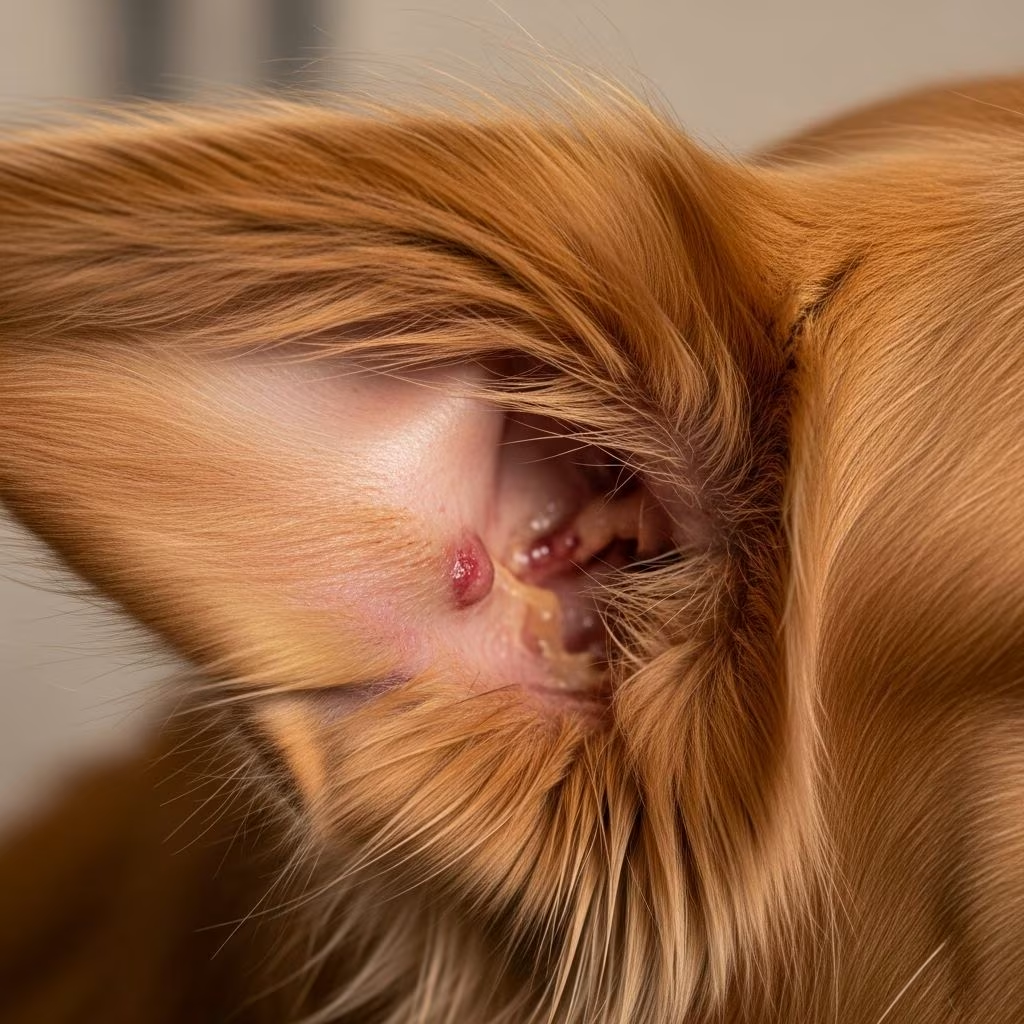
Understanding Smelly Dog Ears: A Common Pet Problem
If you’ve noticed an unpleasant odor emanating from your dog’s ears, you’re not alone. Smelly dog ears are a frequent concern for pet owners, and while they might seem like a minor inconvenience, they often signal an underlying health issue that requires attention. The distinctive odor typically results from bacteria and yeast proliferating inside the ear canal, creating an environment where these microorganisms thrive.
According to veterinary experts, a dog’s ear structure naturally creates an ideal habitat for problematic growth. The ear flap, called the pinna, covers the ear canal and creates a dark, moist space that provides perfect conditions for bacteria and yeast to multiply. Understanding the root causes of ear odor is the first step toward helping your furry friend feel more comfortable and preventing more serious complications.
What Causes Smelly Dog Ears?
Bacterial Ear Infections
Bacterial ear infections rank among the most frequent reasons for dog ear odor. Bacteria thrive in warm, moist environments, making the dog’s ear canal an ideal location for infection development. These infections produce a strong, distinctly unpleasant smell that pet owners find difficult to ignore. Beyond the odor, bacterial infections cause visible signs including redness or swelling around the ear canal, frequent head shaking, persistent scratching, and discharge that may appear brown, yellow, or occasionally bloody.
Yeast Overgrowth
While yeast naturally exists on your dog’s skin and ears, an overgrowth creates a characteristic musty, sweet, or bread-like smell. Dogs with floppy ears, such as Cocker Spaniels, Basset Hounds, and other breeds with pendulous ears, face heightened susceptibility to yeast infections due to limited airflow within the ear canal. Yeast infections typically produce a greasy or waxy brown discharge, red and irritated skin inside the ear, and relentless scratching or rubbing against surfaces. Most yeast infections require professional veterinary care to resolve effectively, as over-the-counter solutions often prove insufficient.
Allergies and Skin Conditions
Allergies frequently trigger chronic ear inflammation in dogs, leading to unpleasant smells and ongoing discomfort. Food allergies, environmental allergens, and skin conditions such as dermatitis cause excessive wax buildup, redness, itching, and secondary infections. If your dog’s ears smell and they consistently experience skin issues, allergies likely contribute to the problem. Veterinary evaluation becomes essential to determine whether allergies are the underlying cause and to develop an appropriate treatment plan.
Ear Wax Buildup
Excessive earwax accumulation, while sometimes considered a minor issue, can create noticeable odor. The smell from earwax buildup typically appears less intense than bacterial or yeast infections, but it remains distinguishable. Earwax problems become more problematic because buildup creates favorable conditions for yeast and bacteria to proliferate, potentially leading to infections that cause stronger odors and more serious complications.
Ear Mites and Foreign Objects
Parasitic ear mites can infest a dog’s ear canal, creating odor and causing significant discomfort. Additionally, foreign objects or debris lodged in the ear canal may trap moisture and promote bacterial or yeast growth. Swimming and bathing present particular risks, as water trapped in the ear canal without proper drying creates an environment where infections flourish.
Health Conditions Contributing to Ear Odor
Beyond direct ear problems, certain systemic health conditions increase a dog’s susceptibility to smelly ears. Dogs with compromised immune systems struggle to fight off yeast and bacterial infections naturally. Dogs receiving immunosuppressive medications to treat other conditions may experience chronic yeast infections with increased frequency. Understanding these underlying health factors helps pet owners work with their veterinarians to address not just the symptom but the root cause.
When to Seek Veterinary Care
The Importance of Professional Diagnosis
While occasional ear cleaning might suffice for minor issues, persistent smelly ears warrant veterinary attention. Smelly ears can progress to otitis, a serious ear infection requiring professional intervention. Your veterinarian can perform an ear swab and cytology—examining cells under a microscope—to determine whether bacteria, yeast, mites, or a combination of organisms are present. This diagnostic information proves essential for selecting appropriate treatment.
How Veterinarians Treat Ear Issues
Veterinary treatment depends entirely on the diagnosed cause. Treatment options typically include:
- Prescription ear drops or topical medications specifically formulated for the identified organism
- Professional cleaning and flushing of the ear canal to remove debris and buildup
- Medications addressing allergies or other underlying conditions
- Oral antibiotics or antifungals in severe or systemic infections
- Culture testing in resistant cases to identify the specific bacteria and appropriate antibiotic
Treatment Options for Smelly Dog Ears
Professional Ear Cleaning Solutions
With veterinary approval, several professional-grade ear cleansers prove effective for maintaining ear health. Products like Virbac Epi-Otic Advanced Ear Cleaner and Vetnique Labs Oticbliss ear flush are specifically formulated for sensitive dog ears. When using these products, follow the directions carefully, then massage the outside of the ear following the path of the ear canal downward to dislodge debris and excess earwax. This technique maximizes cleaning effectiveness while remaining gentle on sensitive tissue.
Home Care Strategies
While severe infections require professional treatment, maintenance cleaning at home helps prevent problems and manage mild odor. Pet owners should use vet-approved ear cleaners with soft cloths or gauze, avoiding cotton swabs that can push debris deeper into the canal. Some veterinarians recommend ear cleansers containing glycerol, which softens earwax and helps dissolve odor-causing wax while soothing irritated tissue. Pet ear wipes containing soothing agents like aloe vera, vitamin E, or chamomile extract provide gentle cleaning between more thorough treatments.
Moisture Management
Keeping ears dry represents a critical preventive strategy. Swimming and bathing create moisture problems, so many pet owners insert cotton balls in their dog’s ears before water activities. After any water exposure, thoroughly dry the ears using appropriate techniques. Using ear cleansers with documented drying properties on the label helps remove residual moisture and prevents bacterial and yeast proliferation.
Prevention Strategies for Healthy Dog Ears
Regular Inspection and Cleaning
Routine ear inspections catch problems early before they develop into serious infections. Clean your dog’s ears weekly using appropriate cleansers, adjusting frequency based on your dog’s individual needs. Dogs with floppy ears or those prone to ear issues may require more frequent attention. Establish a regular cleaning schedule as part of your grooming routine, just as you would brushing teeth or trimming nails.
Post-Activity Ear Care
After swimming, bathing, or outdoor activities, pay special attention to ear drying. Gently wipe the ear canal area with a clean, dry cloth. Some veterinarians recommend allowing dogs to shake their heads naturally after water activities, as this removes excess moisture. For dogs prone to ear problems, using a drying ear solution after water exposure provides extra protection.
Environmental Factors
Humidity and environmental conditions affect ear health. Dogs living in humid climates or spending extended time in moist environments face increased infection risks. Providing proper ventilation and keeping living spaces clean reduces the likelihood of ear problems developing.
Comparison of Common Ear Treatments
| Treatment Method | Best For | Pros | Cons |
|---|---|---|---|
| Prescription Ear Drops | Bacterial and yeast infections | Targeted treatment, veterinarian-recommended | Requires professional diagnosis, can be expensive |
| Professional Ear Flush | Wax buildup and debris | Thorough cleaning, veterinary-supervised | Requires office visit, may cause temporary discomfort |
| Ear Cleansing Solution | Maintenance and mild odor | Gentle, can be used at home, prevents issues | May not resolve active infections alone |
| Oral Medications | Severe or systemic infections | Addresses underlying causes, treats throughout body | May have side effects, requires compliance |
What NOT to Do for Smelly Dog Ears
Several common home remedies, while well-intentioned, can actually worsen ear problems. Avoid using homemade solutions containing vinegar, hydrogen peroxide, or alcohol, as these substances can irritate delicate ear tissue and exacerbate the problem. Never use cotton swabs to clean deep within the ear canal, as they push debris further inward rather than removing it. Refrain from using human ear cleaning products, which have different pH levels and ingredients than dog-specific formulations. If you’re unsure whether a home treatment is appropriate, consult your veterinarian before application.
Breed-Specific Considerations
Certain breeds face heightened risks for ear problems due to their ear structure. Dogs with floppy ears, including Cocker Spaniels, Basset Hounds, Beagles, and Poodles, experience reduced airflow in the ear canal, creating favorable conditions for infection. Dogs with hairy ears that trap moisture face similar challenges. Owners of these breeds should implement more frequent cleaning schedules and closer monitoring to catch problems early.
When Ears Indicate Larger Health Issues
Chronic or recurring smelly ears often signal underlying health conditions beyond simple ear problems. Allergies frequently manifest through ear infections, making the ears a window into broader allergic issues. If your dog experiences recurring ear problems despite treatment, discuss allergy testing and management with your veterinarian. Some dogs benefit from dietary changes, while others require environmental modifications or ongoing allergy management.
Frequently Asked Questions About Smelly Dog Ears
Q: Can I treat my dog’s smelly ears at home without veterinary care?
A: Mild odor from earwax buildup might respond to regular cleaning with veterinarian-approved solutions. However, persistent odor, discharge, or signs of infection require professional evaluation. Attempting to treat infections at home often delays proper care and allows conditions to worsen.
Q: How often should I clean my dog’s ears?
A: Most dogs benefit from weekly ear inspections and cleaning as needed. Dogs with floppy ears or those prone to infections may require more frequent attention. Your veterinarian can recommend an appropriate cleaning schedule for your individual dog.
Q: What’s the difference between yeast and bacterial ear infections?
A: Yeast infections typically produce a sweet, musty, or bread-like smell with greasy brown discharge, while bacterial infections create a stronger, more pungent odor with discharge that may appear yellow or bloody. Only veterinary cytology can definitively determine which organism is present.
Q: Can allergies cause smelly ears?
A: Yes, allergies frequently trigger inflammation that allows bacteria and yeast overgrowth. If your dog has recurring ear problems along with other allergy symptoms, discuss allergy evaluation with your veterinarian.
Q: Is ear odor ever normal in dogs?
A: A very mild odor might occasionally occur in healthy dogs, particularly after swimming or in humid conditions. However, persistent or strong odor indicates a problem requiring attention.
Q: What should I do if my dog’s ears smell after swimming?
A: After swimming, insert cotton balls before water activities or carefully dry the ears immediately afterward. Use a drying ear solution specifically formulated for dogs if available. If odor develops within a few days of swimming, contact your veterinarian promptly.
References
- How to Clean Your Dog’s Ears — Cornell University College of Veterinary Medicine. 2024. https://www.vet.cornell.edu/
- Why Do My Dog’s Ears Stink? A Guide to Causes and Solutions — MetLife Pet Insurance. 2024. https://www.metlifepetinsurance.com/
- Reasons Why Your Dog’s Ear Smells — Frontier Veterinary Urgent Care. 2024. https://frontierveturgentcare.com/
- Ear Infections in Dogs: Causes, Symptoms, and Treatment — American Veterinary Medical Association. 2023. https://www.avma.org
- How to Treat a Dog Ear Infection at Home — Honnas Veterinary. 2024. https://honnasvet.com/



