

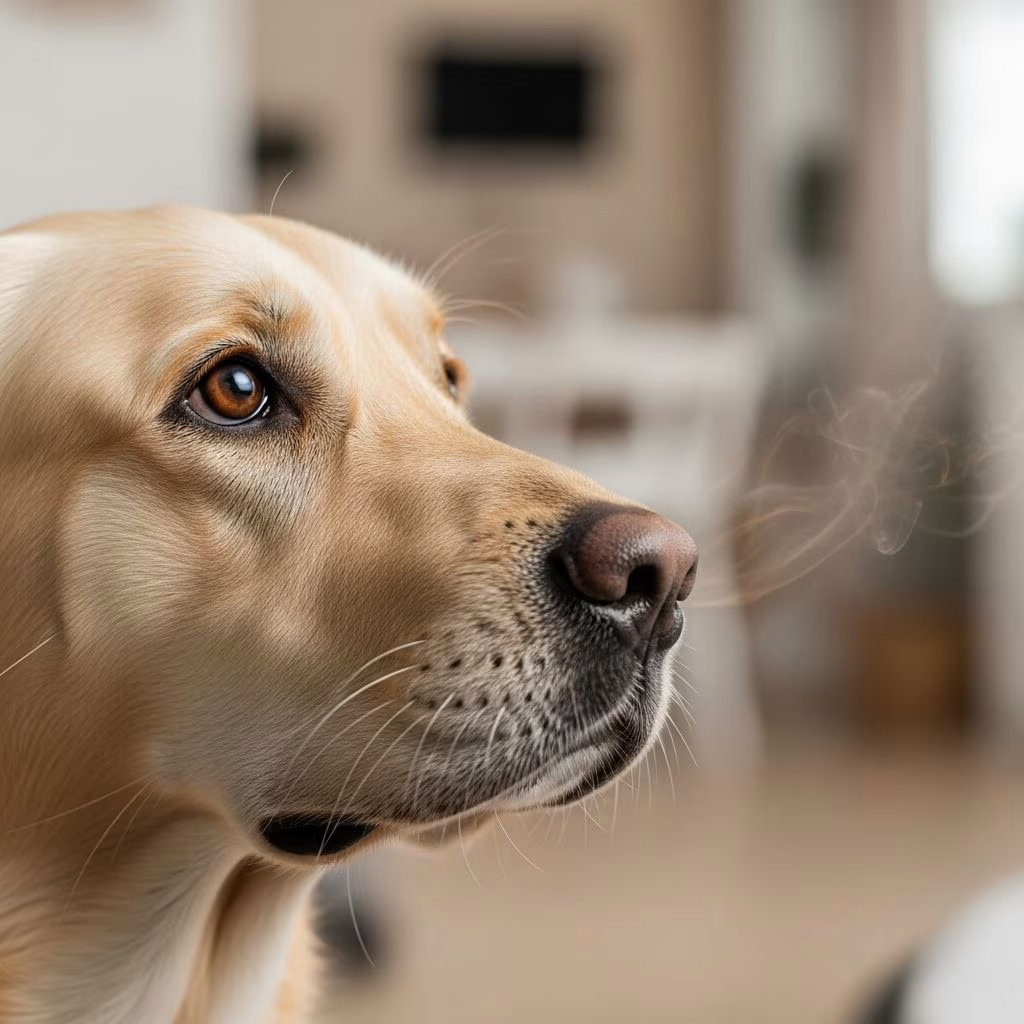
Your dog’s coat usually carries a mild, natural scent, but a sharp burnt hair odor can signal something unusual. This distinctive smell, sometimes likened to scorched rubber, often points to environmental mishaps, wildlife encounters, or internal health concerns that demand prompt attention. Understanding the root causes helps pet owners act swiftly to restore comfort and hygiene.
Recognizing the Burnt Hair Odor in Dogs
The burnt hair smell is pungent and acrid, lingering on the fur and skin even after casual brushing. It differs from typical ‘wet dog’ or yeasty scents associated with routine dirt buildup. Owners might first notice it during cuddles or when the dog shakes, releasing the odor into the air. Factors like coat length and density can intensify it, as oils and debris trap the smell deeper in the fur.
Pay attention if the scent emerges suddenly or persists post-bath. Accompanying signs such as limping, excessive scratching, or behavioral changes like hiding can indicate urgency. Early detection prevents minor issues from escalating into painful conditions.
Primary Causes of the Burnt Hair Smell
Several triggers can produce this odor, ranging from physical injuries to biological secretions. Here’s a breakdown of the most frequent culprits.
Thermal Burns from Hot Surfaces
Dogs explore their surroundings with curiosity, often leading to contact with heated objects. Barbecues, space heaters, vehicle exhausts, or even sun-baked pavement can scorch paws, bellies, or tails, singeing hair and releasing the characteristic burnt smell. These injuries cause immediate pain, blistering, and potential infection if untreated.
Severe burns may expose skin, leading to oozing wounds that exacerbate the odor. Breeds with low-slung bodies or long fur, like Dachshunds or Spaniels, face higher risks near ground-level heat sources.
Skunk Spray Encounters
Skunks defend themselves with a potent anal gland secretion containing sulfur thiols, which many describe as burnt hair or rubber. Nocturnal and crepuscular, skunks spray up to 15 feet when threatened, drenching dogs in the oily liquid that permeates fur deeply. The smell clings for days without proper decontamination.
Rural or suburban dogs on walks at dawn or dusk are prime targets. The spray doesn’t harm health directly but causes intense eye irritation and nausea if ingested during grooming.
Anal Gland Dysfunction
Dogs possess two anal sacs flanking the rectum, secreting a musky fluid for scent marking. Normal defecation expresses them, but impaction, infection, or overfullness leads to leakage of foul-smelling contents. While typically fishy, severe cases can mimic burnt hair due to bacterial breakdown products.
Symptoms include scooting on carpets, tail-chewing, or bloody discharge. Small breeds like Chihuahuas are prone, as their glands empty less efficiently.
Skin and Ear Infections
Bacterial or yeast overgrowth on skin produces musty to charred odors, especially in moist folds or between toes. Ear infections (otitis) from allergies or water trapped in floppy ears yield similar scents, worsened by head-shaking that spreads the smell.
Allergies trigger excessive oil production (seborrhea), fostering microbes that alter skin pH and generate unique smells. Neglected cases lead to hot spots—painful, oozing lesions amplifying the burnt aroma.
Less Common but Serious Triggers
Beyond everyday issues, systemic problems can manifest as odd odors.
- Dental and Oral Issues: Periodontal disease or mouth ulcers from metabolic disorders like kidney failure produce halitosis with burnt undertones. Drooling and appetite loss accompany this.
- Metabolic Disorders: Uncontrolled diabetes causes ketoacidosis, yielding a sweet-yet-burnt breath smell from acetone buildup.
- Environmental Toxins: Chewing electrical cords or ingesting corrosives burns oral tissues, releasing charred smells alongside swelling.
- Neoplasia: Tumors in skin, mouth, or ears ulcerate and necrotize, emitting rotten-burnt odors.
How to Diagnose the Problem at Home
Start with a thorough inspection in good lighting. Part the fur to check for singed patches, redness, or blisters indicative of burns. Sniff targeted areas: rear for glands, paws/ears for infections, mouth for dental woes.
| Sign | Possible Cause | Action |
|---|---|---|
| Limping or paw licking | Burn or infection | Examine pads; vet if blistered |
| Scooting or fishy rear smell | Anal glands | Observe; professional expression |
| Eye watering, vomiting | Skunk spray | Decontaminate immediately |
| Head shaking, ear odor | Otitis | Clean gently; vet exam |
| Greasy coat, itching | Seborrhea/allergies | Medicated bath; allergy test |
Monitor for systemic signs like lethargy or weight loss, warranting urgent veterinary consultation.
Immediate Remedies for Common Causes
Treating Suspected Burns
Cool the area with lukewarm water (never ice) for 10-15 minutes to ease pain. Apply a non-stick bandage and seek vet care for antibiotics or pain relief. Prevent access to hazards like grills.
De-Skunking Your Dog
Avoid tomato juice; use a vet-formulated de-skunk shampoo or a mix of 1 quart 3% hydrogen peroxide, 1/4 cup baking soda, and 1 tsp dish soap. Apply, lather for 5 minutes, rinse thoroughly. Protect eyes and mouth.
Managing Anal Glands
Increase fiber in diet (pumpkin, veggies) to promote natural emptying. For chronic issues, vets manually express or flush glands, sometimes recommending surgical options.
Addressing Infections
Bathe with antifungal/antibacterial shampoos weekly. Dry ears thoroughly post-swim. Prescription topicals or oral meds resolve stubborn cases.
Preventive Strategies for a Fresh-Scented Dog
Proactive care minimizes odor risks:
- Regular grooming: Brush weekly, bathe monthly with pH-balanced products.
- Diet optimization: High-quality food reduces gas and supports skin health.
- Home safety: Secure hot items, supervise outdoor time.
- Routine checkups: Annual vet visits catch issues early.
- Breed-specific care: Extra ear cleaning for floppy-eared dogs.
Environmental controls like air purifiers help in multi-pet homes.
When to Escalate to Professional Help
If home remedies fail after 48 hours, or if you see swelling, pus, fever, or refusal to eat, contact a vet immediately. Diagnostics like cytology, cultures, or imaging pinpoint hidden problems. Delaying can lead to abscesses or chronic pain.
Emergency signs: labored breathing, collapse, or burns covering large areas require 24/7 clinic visits.
Frequently Asked Questions (FAQs)
Is a burnt hair smell always dangerous?
Not always—skunk spray is common and treatable—but burns or infections need quick intervention to avoid complications.
Can diet cause this odor?
Indirectly, yes; poor nutrition worsens skin issues or gland problems leading to smells.
How often should I clean my dog’s anal glands?
Most don’t need routine cleaning; only if symptomatic. Vets assess during exams.
Will the smell go away on its own?
Minor cases might, but persistent odors signal ongoing issues best addressed promptly.
Are certain breeds more prone?
Yes, those with oily skin (e.g., Schnauzers) or anatomy favoring impaction (small breeds).
Long-Term Management for Odor-Prone Dogs
For recurrent problems, consider allergy testing, hypoallergenic diets, or supplements like omega-3s for skin barrier support. Hydrotherapy aids cleaning hard-to-reach areas without stress. Track odors in a journal to identify patterns tied to seasons or activities.
Partnering with a groomer experienced in medical baths ensures thorough care. Ultimately, a multi-faceted approach—hygiene, diet, vigilance—keeps your dog smelling fresh and feeling great.
References
- Why Does My Dog Smell Like Burnt Hair or Rubber? 4 Vet … — Hepper. 2023. https://articles.hepper.com/why-does-my-dog-smell-like-burnt-hair-or-rubber/
- What are the medical causes of a smelly dog? — River Landings Animal Clinic. 2019-04-01. http://www.riverlandingsanimalclinic.com/news/2019/4/1/what-are-the-medical-causes-of-a-smelly-dog
- Why Does My Dog Smell? Dog Stink Explained — Rover.com. N/A. https://www.rover.com/blog/why-does-my-dog-stink/
- What You Should Know About Why Your Dog Smells Like Fritos — Heart + Paw. N/A. https://heartandpaw.com/pet-parent-resources/dog-smells-like-fritos
- 9 Causes Of Bad Dog Smells & How To Fix Them — Walkerville Vet. N/A. https://www.walkervillevet.com.au/blog/stop-dog-smell/



