

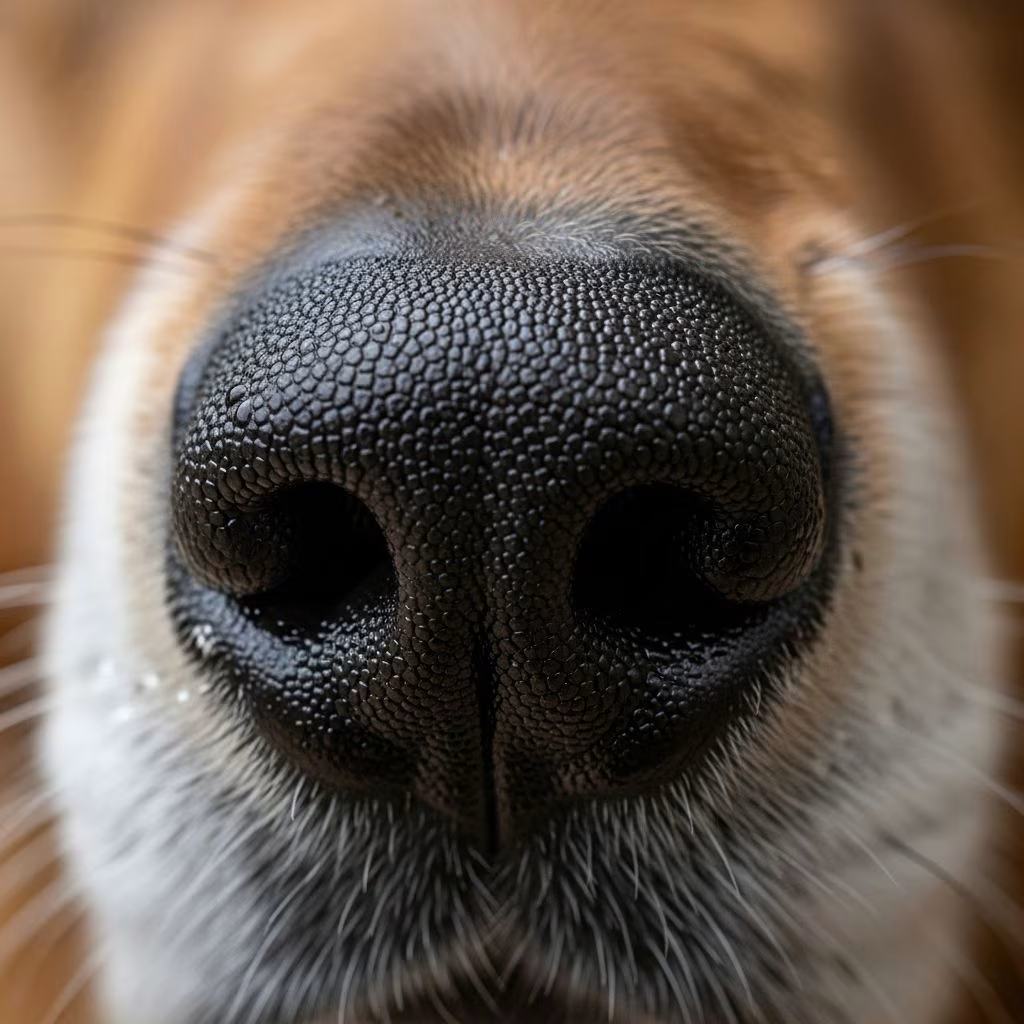
Dogs possess a remarkable sense of smell that far surpasses human capabilities, allowing them to perceive their world primarily through odours. However, this powerful olfactory system also means dogs produce distinct scents themselves, which can range from pleasant to pungent. Understanding why dogs smell involves exploring natural glandular secretions, diet influences, hygiene factors, and potential health issues. While a mild doggy odour is normal, strong smells often signal underlying problems requiring attention.
How Dogs Use Their Sense of Smell
Dogs experience their environment through scent in ways humans cannot imagine. Their olfactory epithelium contains up to 300 million receptors, compared to our mere 6 million, enabling them to detect odours at concentrations 100,000 times lower than humans. This superior sense creates detailed ‘scent maps’ of territories, identifies individuals, and even conveys emotional states.
Canine olfaction drives essential behaviours: recognising pack members, tracking prey, avoiding dangers, and forming social bonds. Dogs ‘read’ scents like chemical signatures, distinguishing family from strangers within seconds. Belding’s ground squirrels demonstrate similar kin recognition via facial gland secretions, suggesting evolutionary conservation across mammals.
- Dogs map environments through layered scent trails, prioritising volatile compounds for immediate information.
- They discriminate kin precisely, aiding nepotism and mating avoidance.
- Social sniffing exchanges health, mood, and identity data among dogs.
Normal Dog Smells Explained
Healthy dogs produce characteristic odours from natural sources. Anal glands, located near the rectum, secrete a musky fluid during defecation to mark territory and identify individuals. Paw pads contain eccrine glands producing moisture that traps environmental scents, while sebaceous skin glands contribute to the classic ‘dog smell’—a mix of lipids and proteins.
These scents serve communication purposes. Dogs recognise owners and family by unique odour profiles, much like humans subconsciously identify loved ones. A 2021 study found owners correctly identified their dogs’ scents 64% of the time, influenced by factors like diet and bathing frequency.
| Scent Source | Purpose | Normal Characteristics |
|---|---|---|
| Anal Glands | Territorial marking, ID | Fishy/musky, expressed during bowel movements |
| Paw Glands | Environmental tracking | Earthy, moist |
| Skin Glands | Social recognition | Mild oily, breed-specific |
Unpleasant Dog Smells and Causes
When odours intensify, they indicate issues. Dental disease causes halitosis from plaque buildup and bacteria, affecting 80% of dogs over age three. Ear infections produce yeasty or foul smells due to yeast/bacterial overgrowth in moist canals. Skin conditions like allergies manifest as musty or rancid scents from seborrhea or infections.
- Bad breath: Tartar, gum disease, or dietary indulgences.
- Yeasty ears/paws: Moisture-trapped yeast proliferation.
- Fishy rear: Impacted anal glands requiring expression.
- Rotten smell: Possible infections or gastrointestinal upset.
Diet significantly impacts odour. High-protein raw diets intensify anal gland scents, while poor-quality kibble leads to smelly gas and faeces. Allergies to ingredients exacerbate skin odours.
Dogs’ Extraordinary Detection Abilities
Beyond self-produced smells, dogs detect human cues astoundingly. They identify stress via cortisol in sweat; a University of Bristol study showed dogs hesitating at food bowls after sniffing stressed human odours, indicating ’emotional contagion’. Untrained dogs distinguished pre- and post-stress samples from the same person with 93.75% accuracy.
Dogs sense emotions through volatile compounds in breath and sweat. Stress sweat differs chemically from normal perspiration, alerting dogs to owner anxiety. This bond explains why dogs comfort distressed owners—they literally smell the worry.
Dogs create environmental images via scent, recognising individuals and making decisions based on olfactory data.
Health Warnings Hidden in Smells
Owners can monitor health through odour changes. Sweet breath suggests diabetes (acetone-like), while ammonia-scented urine/breath signals kidney disease. Liver issues produce musty coats, and gastrointestinal problems cause foul flatulence.
Anal gland impaction leads to scooting and fishy smells, potentially causing abscesses if untreated. Sudden odour shifts warrant veterinary checks, as they precede visible symptoms.
When to See a Vet for Dog Smells
Consult a veterinarian if smells persist despite hygiene efforts or accompany symptoms like lethargy, discharge, or appetite loss. Routine dental checks prevent halitosis progression, while ear exams catch infections early.
- Persistent bad breath despite brushing.
- Fishy odour with scooting or licking.
- Yeasty smells with head shaking.
- Sudden strong body odour changes.
How to Reduce Dog Smells at Home
Dental Care
Brush teeth 3+ times weekly with enzymatic toothpaste. Dental chews and water additives control plaque.
Bathing Routine
Bathe monthly with dog-specific shampoos; overbathing strips oils, worsening smells. Focus on paws and ears.
Diet Adjustments
Switch to high-quality, digestible food. Probiotics reduce gas; avoid table scraps.
Gland Management
Increase fibre for natural expression. Professional vet expression for chronic issues.
Environmental Tips
Wash beds weekly, use odour-neutralising sprays, and ensure good ventilation.
| Method | Frequency | Benefits |
|---|---|---|
| Teeth Brushing | 3-7x/week | Prevents 80% of dental odours |
| Bathing | Every 4 weeks | Removes debris without drying skin |
| Diet Change | As needed | Reduces gas, improves digestion |
Diet’s Impact on Dog Odour
Protein sources matter: raw meat diets enhance natural scents, making identification easier for owners. Kibble-fed dogs have milder but sometimes gassier profiles. Bathing frequency inversely affects recognition—less bathing preserves unique scents. Outdoor dogs develop stronger environmental odours, aiding owner identification.
FAQs
Why does my dog smell fishy?
This typically comes from anal glands. Fishy secretions mark territory but become noticeable when impacted. Add pumpkin for fibre or seek vet expression.
Can dogs smell emotions?
Yes, dogs detect stress hormones like cortisol in sweat and breath, responding with caution or comfort behaviours.
Do all dogs smell the same?
No, breeds vary due to coat type, glands, and size. Owners recognise their dog’s unique scent.
How far can dogs smell?
Dogs detect scents miles away under ideal conditions, using wind and concentration gradients.
Is dog smell a health sign?
Sudden changes indicate issues like infections or metabolic disease. Monitor and consult vets promptly.
Conclusion
Dog smells blend natural communication with health indicators. By understanding causes—from glands to diet—and maintaining hygiene, owners keep pups fresh and healthy. Their scent prowess strengthens bonds, detecting our moods as we learn theirs.
References
- Some Animals Can Recognize Degree Of Kinship By Scent — Cornell University. 2002-03-26. https://www.sciencedaily.com/releases/2002/03/020326073053.htm
- Canine Olfaction: Physiology, Behavior, and Possibilities for Practical Applications — PMC – NIH. 2021. https://pmc.ncbi.nlm.nih.gov/articles/PMC8388720/
- Ability of dog owners to identify their dogs by smell — PMC – NIH. 2021. https://pmc.ncbi.nlm.nih.gov/articles/PMC8610967/
- Dogs Can Sense Human Stress, According to These Studies — Kinship. 2024. https://www.kinship.com/dog-behavior/can-dogs-smell-stress
- You Can Recognize Your Dog by the Way They Smell, Study Says — Kinship. 2021. https://www.kinship.com/dog-lifestyle/recognize-dog-by-smell



