

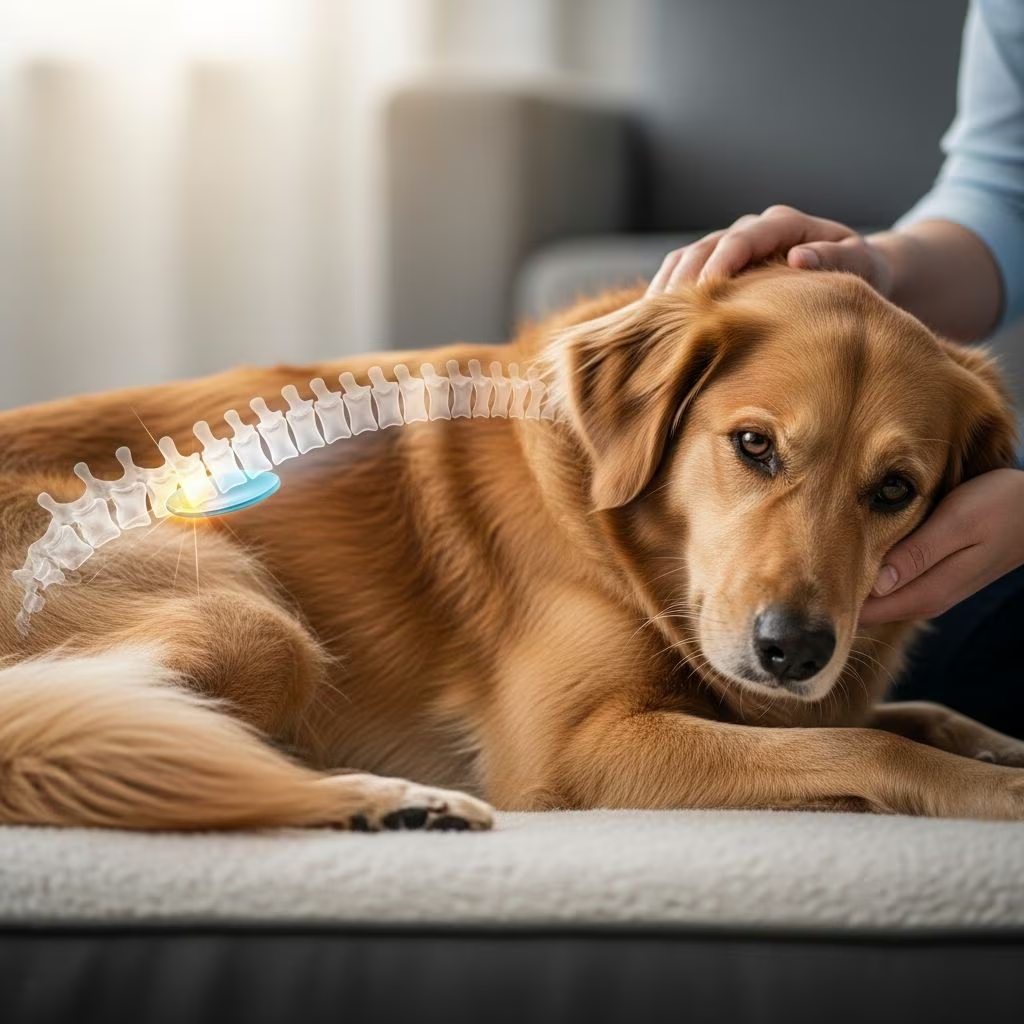
A **dog slipped disc**, medically known as **intervertebral disc disease (IVDD)**, occurs when the cushioning discs between vertebrae herniate or bulge, compressing the spinal cord and causing pain, weakness, or paralysis. This condition is especially common in long-backed breeds like Dachshunds, French Bulldogs, and Corgis, but can affect any dog. Early detection and treatment are crucial, as severe cases may lead to permanent damage.
What is a slipped disc in dogs?
Intervertebral discs act as shock absorbers between the vertebrae in a dog’s spine, providing flexibility and support during movement. In IVDD, these discs degenerate—either suddenly (Type I, common in chondrodystrophic breeds) or gradually (Type II)—leading to herniation where disc material extrudes and presses on the spinal cord.
This compression disrupts nerve signals, resulting in pain or loss of function in the limbs. Type I IVDD involves an acute rupture, often in younger dogs (3-7 years), while Type II is a slower degeneration seen in older, larger breeds. Causes include genetics, aging, trauma, and obesity, with chondrodystrophic breeds predisposed due to abnormal cartilage development.
Slipped disc in dogs symptoms
Symptoms vary by herniation location (neck or back) and severity but often appear suddenly. Common signs include:
- **Back pain**: Dog yelps when touched, adopts a hunched posture, or guards its back.
- **Reluctance to move**: Hesitant to jump, climb stairs, or walk.
- **Weakness or wobbliness**: Dragging toenails, unsteady gait, or collapsing.
- **Paralysis**: In severe cases, inability to walk, especially hind legs.
- **Loss of bladder/bowel control**: Incontinence or inability to urinate.
- Neck pain signs: Low head carriage, forelimb weakness.
If your dog shows these, seek veterinary care immediately—delays worsen outcomes.
Slipped disc in dogs causes and risk factors
IVDD stems from disc degeneration:
- Genetics: High risk in Dachshunds (25% lifetime chance), Beagles, Corgis.
- Age and wear: Discs harden over time, prone to rupture.
- Trauma: Jumping or falls can trigger herniation.
- Obesity: Extra weight stresses the spine.
- Breed conformation: Long back relative to legs increases leverage on discs.
Preventive measures like weight control and avoiding high-impact activities help high-risk breeds.
How is a slipped disc in dogs diagnosed?
Vets start with history and physical exam, checking gait, reflexes, and pain response. Advanced imaging confirms diagnosis:
- **MRI or CT scan**: Gold standard under anesthesia to locate compression.
- Differentiates IVDD from infections, tumors, or strokes.
Deep pain sensation test predicts surgical success—absence indicates poorer prognosis.
Slipped disc in dogs treatment
Treatment depends on severity: conservative for mild cases, surgery for severe.
Conservative (medical) management
Suitable if dog walks with mild pain:
- Strict rest: 4-6 weeks crate confinement—no jumping, stairs, play.
- Medications: NSAIDs (carprofen), steroids (prednisone), gabapentin for pain, muscle relaxants (methocarbamol).
- Rehab: Physiotherapy post-rest.
Success rate: 50% avoid recurrence short-term, but half recur in 6 months. Deterioration means switch to surgery.
Surgical treatment
Recommended for non-walkers, severe pain, or no improvement:
- Decompressive surgery: Remove herniated material via laminectomy under anesthesia.
- Hospital stay: Until bladder control returns, then rehab.
- Pain management: Opioids initially, then oral meds.
Outcomes: Many walk within weeks; early surgery (under 24 hours) best for paralysis.
Slipped disc in dogs recovery and rehabilitation
Recovery timeline: 4-6 weeks rest post-treatment, gradual return to activity. Key elements:
- Cage rest: Limit to small area.
- Physiotherapy: Hydrotherapy, massage to rebuild muscle.
- Bladder care: Manual expression if needed.
- Avoid: Running, jumping, stairs.
Prognosis: Good for mild cases (90% recover); guarded for paralysis without deep pain. Recurrence risk high—consider preventive fenestration.
How to prevent slipped disc in dogs
Minimize risk:
- Maintain ideal weight.
- Use ramps for furniture/cars.
- Avoid rough play, jumping.
- Early neutering may reduce risk in some breeds (debated).
- Prophylactic disc fenestration for high-risk dogs post-recovery.
Slipped disc in dogs cost
Costs vary: Conservative £500-£1,500 (meds, rest); Surgery £3,000-£8,000+ (MRI, operation, rehab). Factors: Location, severity, specialist care. Pet insurance often covers.
Frequently Asked Questions (FAQs)
Can a dog recover from a slipped disc?
Yes, many recover fully with prompt treatment—mild cases via rest/meds, severe via surgery. Prognosis depends on speed of care and deep pain presence.
How long does a dog slipped disc take to heal?
4-6 weeks strict rest, full recovery 2-6 months with rehab. Some residual gait issues possible.
Can IVDD be cured?
Not ‘cured’ but managed—discs don’t regenerate, but symptoms resolve with treatment. Recurrence possible.
Is walking good for a dog with slipped disc?
No during acute phase—strict rest essential. Controlled walks resume post-recovery.
What breeds are prone to slipped discs?
Dachshunds, French Bulldogs, Corgis, Beagles, Bassets—chondrodystrophic breeds.
References
- Slipped Discs & IVDD in Dogs — SASH Vets. 2023. https://sashvets.com/diseases/slipped-discs-ivdd-dogs/
- How Can I Tell if My Dog Has a Slipped Disc? — SEV Neurology. 2024. https://sevneurology.com/blog/dog-slipped-disc
- Slipped disc in dogs — Joii Pet Care. 2024. https://www.joiipetcare.com/blogs/health-conditions/slipped-disc-in-dogs
- Intervertebral Disk Disease in Dogs (IVDD) — PetMD. 2025-06-12. https://www.petmd.com/dog/conditions/neurological/c_dg_intervertebral_disc_disease
- Diseased spinal disks — Cornell University College of Veterinary Medicine. 2024. https://www.vet.cornell.edu/departments-centers-and-institutes/riney-canine-health-center/canine-health-topics/diseased-spinal-disks
- Intervertebral disc disease (IVDD): Facts About Backs — DVSC. 2023. https://www.dvsc.com/intervertebral-disc-disease



